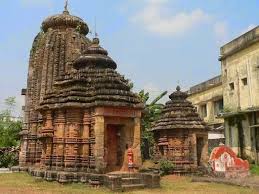


Dishisvara Siva Temple
About Dishisvara Siva Temple
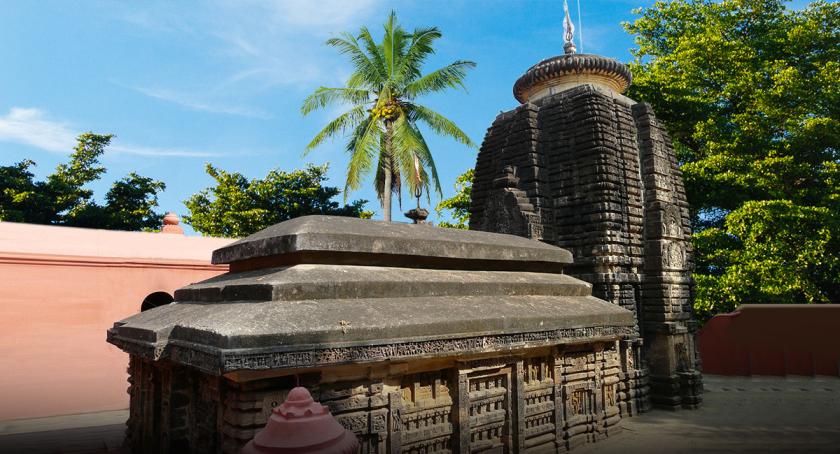
Built in the 15th century, Dishisvara Siva Temple exemplifies Kalinga architectural tradition. The structure displays the characteristic rekha deul form—a tower with vertical lines that rise with disciplined precision. The stone, weathered by centuries and monsoon moisture, bears the patina of age, though carved details remain sharp in many places. The overall design is compact and unadorned, reflecting an aesthetic that prioritizes spiritual presence over ornamental display.
The temple's physical simplicity mirrors its spiritual character. There is no excessive decoration or elaborate lighting scheme. Instead, oil lamps and the sound of quiet chanting define the sensory experience. This restraint is deliberate and meaningful within the Shaivite tradition, where simplicity often serves as a container for profound devotional focus.
Daily Worship and Darshan
The temple opens at 6:00 AM and closes at noon, then reopens at 4:00 PM until 8:00 PM. Early morning hours, between 6:00 and 8:00 AM, offer the most peaceful atmosphere for darshan. The evening aarti time similarly provides an opportunity to witness ritual worship. These are the periods when the temple's character—quiet, focused, and intimate—is most apparent.
Worship here follows the understated rhythm typical of many Shaivite temples. The sanctum remains the focal point, where the Shiva Lingam receives ritual attention. Devotees traditionally offer water and bilva leaves, practices that continue even among those who stop briefly before beginning their day. The temple does not operate as a crowded pilgrimage destination; instead, it serves the steady devotion of local worshippers and those seeking a space of genuine quietude.
Visiting Information and Etiquette
Entry to the temple is free. Footwear should be removed and left near the entrance, where a basic stand is provided. Photography is permitted outside the temple, but should be avoided within the inner sanctum (garbhagriha) out of respect for the sacred space and those engaged in worship. Modest dress is appropriate; this typically means covering shoulders and knees, as is customary in Hindu temples.
The temple is best visited during the cooler months, as peak summer heat can make the experience uncomfortable. The location near Bindusagar Lake means the area can be humid, particularly during monsoon season. There are no elaborate facilities within the temple grounds—this is a place of simplicity rather than commercial infrastructure. Visitors should come prepared with water and realistic expectations about amenities.
Local Significance and Devotional Practices
Beyond formal worship, Dishisvara holds particular meaning for specific communities. Auto drivers and motorcycle riders from the area maintain a custom of stopping here in early morning hours before beginning their day's work, seeking safe passage. During Mondays in the month of Shravan (typically July-August), women from nearby households visit to tie threads and pray for family protection. These practices, though not widely publicized, represent living devotional traditions that have persisted across generations.
Local elders recount that the temple historically served travelers preparing for long journeys. This association with safe passage and directional protection remains embedded in how people relate to the deity. A notable local account describes how the temple withstood a severe storm that damaged nearby smaller shrines, an event that reinforced community belief in the deity's protective strength.
How to Reach
Dishisvara Siva Temple is located in Old Town, Ekamra Kshetra, near Bindusagar Lake in Bhubaneswar. The precise coordinates are 20.1464, 85.5029. Those familiar with Lingaraj Temple area will find it nearby. From central locations such as Master Canteen or the Railway Station, an auto-rickshaw can reach the temple; inform the driver of "Bindusagar side" or reference to Lingaraj Temple area. The temple sits within walking distance of other sacred sites in the Ekamra Kshetra zone, making it possible to visit multiple temples in a single morning or evening.
How to reach
Temples near Dishisvara Siva Temple

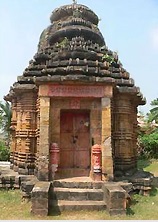
Biribati Tarani Temple
Tara Tarini Temple is a revered Shakti Peetha located on Kumari Hills in Ganjam, Odisha, dedicated to the twin goddesses Tara and Tarini. This hilltop shrine on the Rushikulya r…
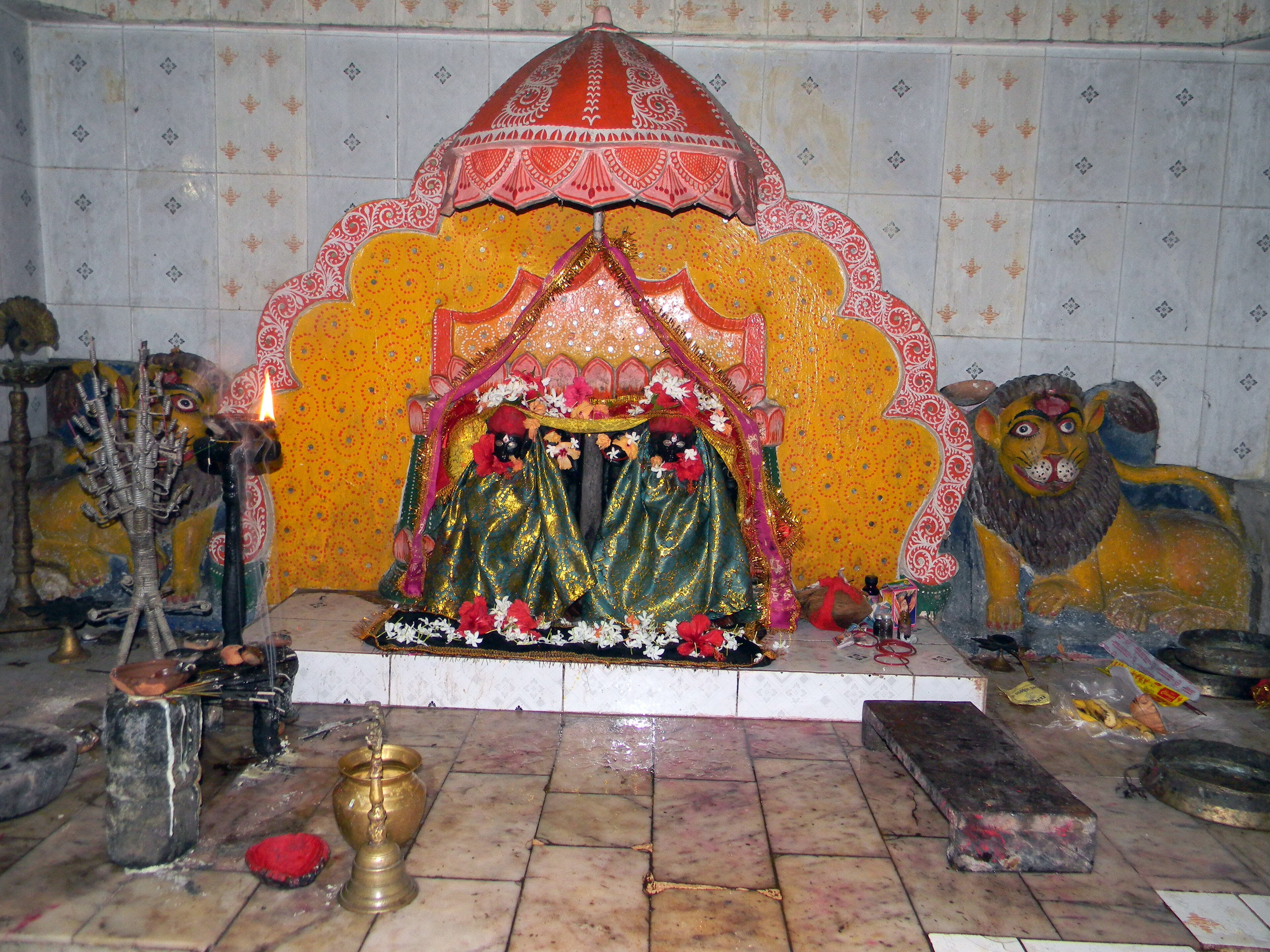
Maa Barunei Temple
Maa Barunei Temple is a Hindu shrine dedicated to the goddess Barunei, a manifestation of Shakti, located on Barunei Hill in Khordha district, Odisha. The sanctum houses idols o…
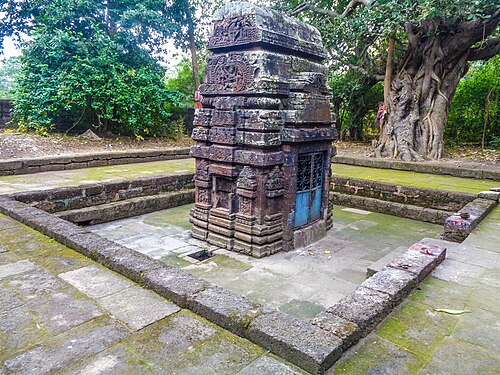
Durga Temple, Baideshwar
The Durga Temple in Baideshwar village, Cuttack District, Odisha, is a Hindu shrine dedicated to Goddess Mahishamardini Durga, featuring distinctive Khakhara vimana architecture.
Simhanath Temple
Singhanath Temple in Odisha's Cuttack district is a 9th-century shrine dedicated to Shiva, uniquely blending Shaivite and Vaishnava sculptural traditions within its rekha deula…
lord siva temple
Lingaraj Temple in Bhubaneswar is one of Odisha's most revered Shiva sanctuaries, featuring a 54.8-metre granite tower and housing 150 smaller shrines within its fortified compo…

Ram Mandir
The Ram Mandir in Ayodhya is a major Hindu temple complex believed to be situated at the birthplace of Lord Rama, one of Hinduism's principal deities, and attracts devotees from…