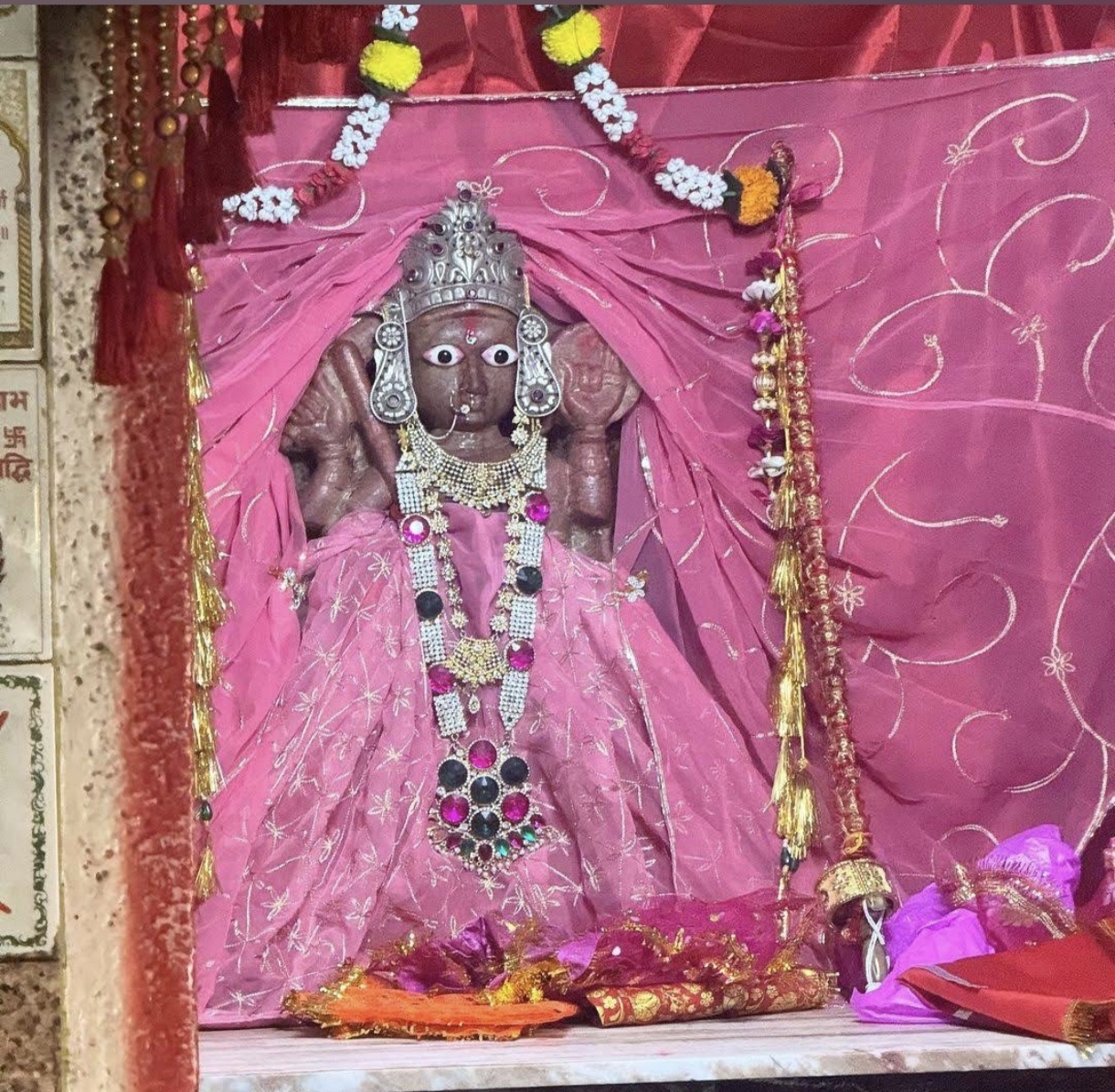
Dhumbada Mata Temple
About Dhumbada Mata Temple
As a shrine dedicated to the goddess, Dhumbada Mataji Temple follows the devotional patterns typical of goddess temples across Rajasthan and northern India. Temples of this tradition typically observe daily worship cycles, though specific timings for this particular shrine are not documented in available sources. Visitors planning to attend darshan—the viewing of the deity—should inquire locally about current opening hours and any seasonal variations.
Goddess temples in this region traditionally welcome offerings of flowers, incense, and food items prepared in the home or purchased at local markets. Devotees often bring coconut, sweets, and other items as expressions of devotion. The practice of circumambulation around the shrine, moving clockwise, forms part of standard worship here as in most Hindu temples. Visitors should dress modestly, covering shoulders and knees, as is customary at Hindu sacred sites.
The Sacred Landscape
The Aravalli hills provide more than mere backdrop to this temple. These ancient mountains have long held spiritual significance in Hindu geography and practice. The hillside setting creates a natural environment for meditation and contemplation, drawing those seeking both devotional experience and the quietude of elevated terrain. The location away from urban centres preserves a sense of remoteness that many pilgrims value.
The journey to the temple itself—climbing into the hills, moving away from settled areas—forms part of the pilgrimage experience. This physical movement toward the shrine mirrors the inner journey of devotion that worship represents. The natural beauty of the Aravalli landscape, with its rocky outcrops and sparse vegetation, creates a distinctive atmosphere quite different from temples located in towns or cities.
Visiting Considerations
Visitors should come prepared for a hillside location with limited facilities. Water and refreshments should be carried, particularly during warmer months. The walk to the temple may be steep or uneven, so appropriate footwear is essential. Those with mobility concerns should assess the terrain before planning a visit.
As with most Hindu temples, visitors remove shoes before entering the inner sanctum. Photography policies vary by temple; it is respectful to ask permission before photographing the deity or the shrine's interior. Menstruating women are traditionally not permitted entry to the inner sanctum in many Hindu temples, though practices vary—visitors uncertain about local custom should inquire respectfully upon arrival.
Planning Your Visit
The best time to visit is during cooler months, roughly October through March, when the Rajasthan climate is more temperate. The monsoon season brings heavy rainfall to the region and may make hillside access difficult. Visitors should check local conditions before travelling, particularly during the rainy season.
Accommodation options in nearby Bhadrajun or larger towns in Jalore district should be arranged in advance. The temple's remote location means it is not a casual stop but rather a destination requiring deliberate planning. Local residents and shopkeepers in Bhadrajun can provide current information about temple access, timings, and any festivals or observances taking place during your intended visit.
How to reach
You may also visit
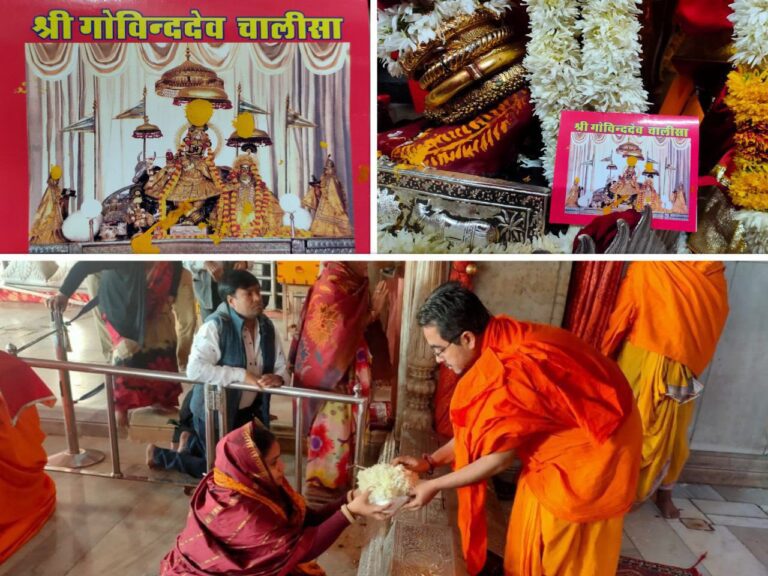
Kalyanji Temple
Kalyanji Temple in Jaipur's Chandpol Bazaar is approximately two centuries old and renowned for displaying the twenty-four avatars of Krishna, visible only twice yearly during Akha Teej and Patottsav festival.
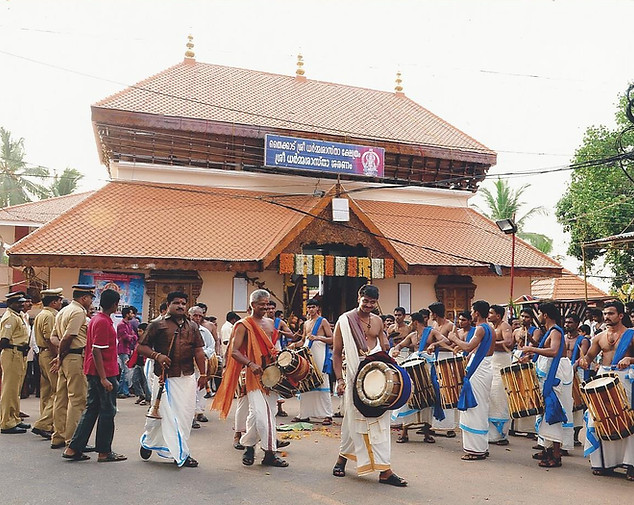
Sastha (Ayyappan) Temple
Sree Dharma Sastha Temple in Thycaud, Thiruvananthapuram, is a centuries-old shrine where the deity manifests as Dhanwanthari, the divine healer, holding the sacred blue lotus.
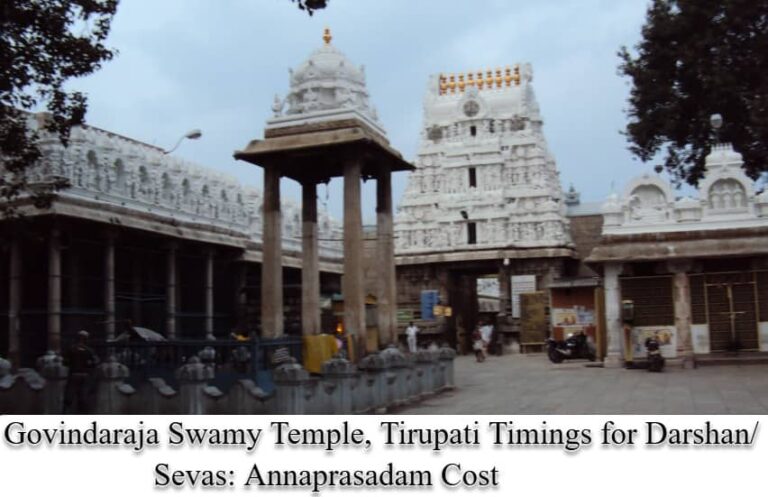
Govindarajaswamy Temple
Sri Govindarajaswamy Temple in Tirupati is an ancient Vaishnavaite shrine consecrated in 1130 AD by Saint Ramanuja, where the presiding deity rests in eternal Yoga Nidra on the serpent Adisesha.