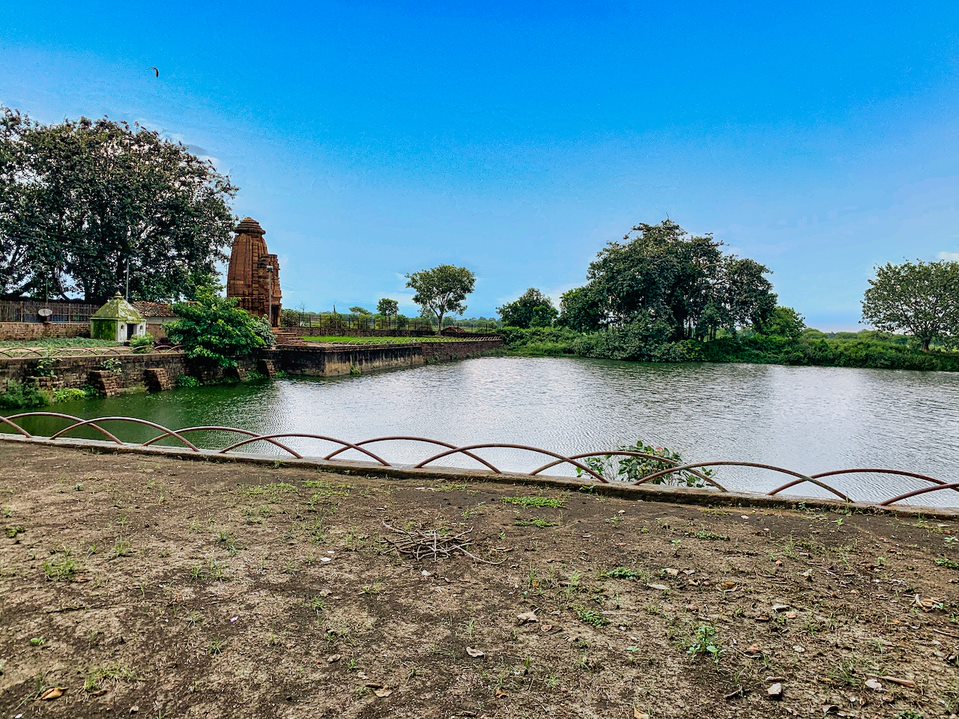
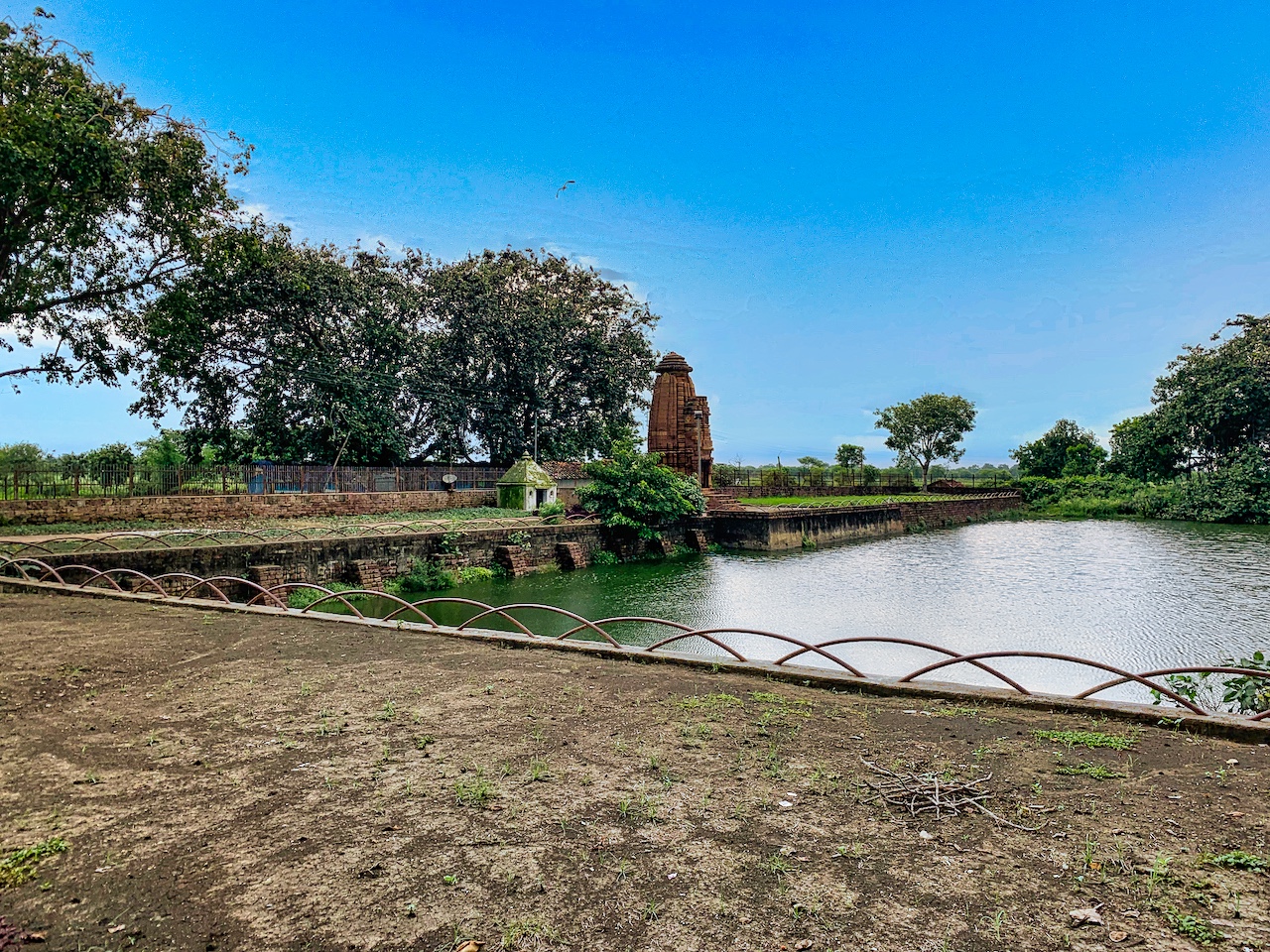
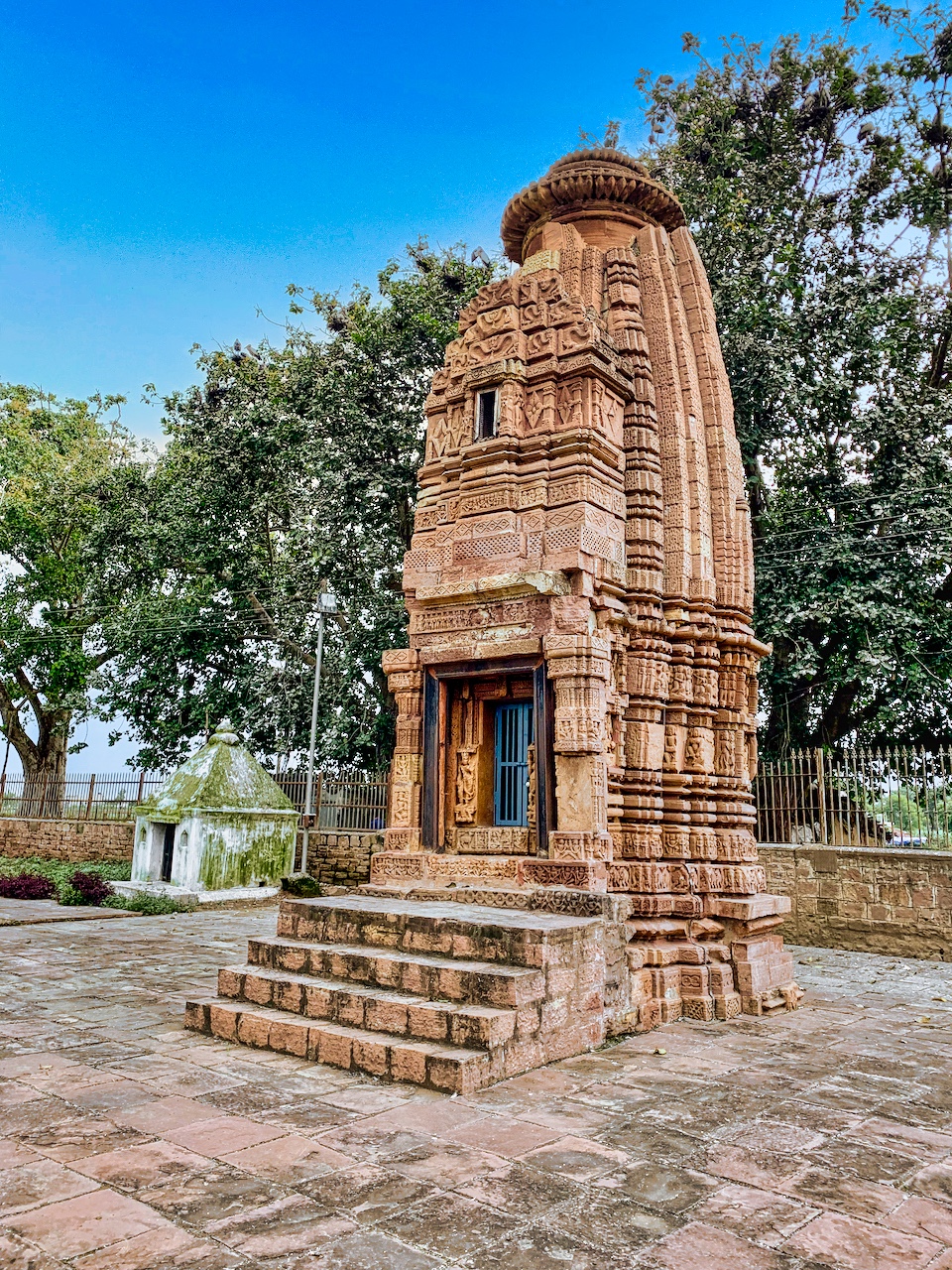
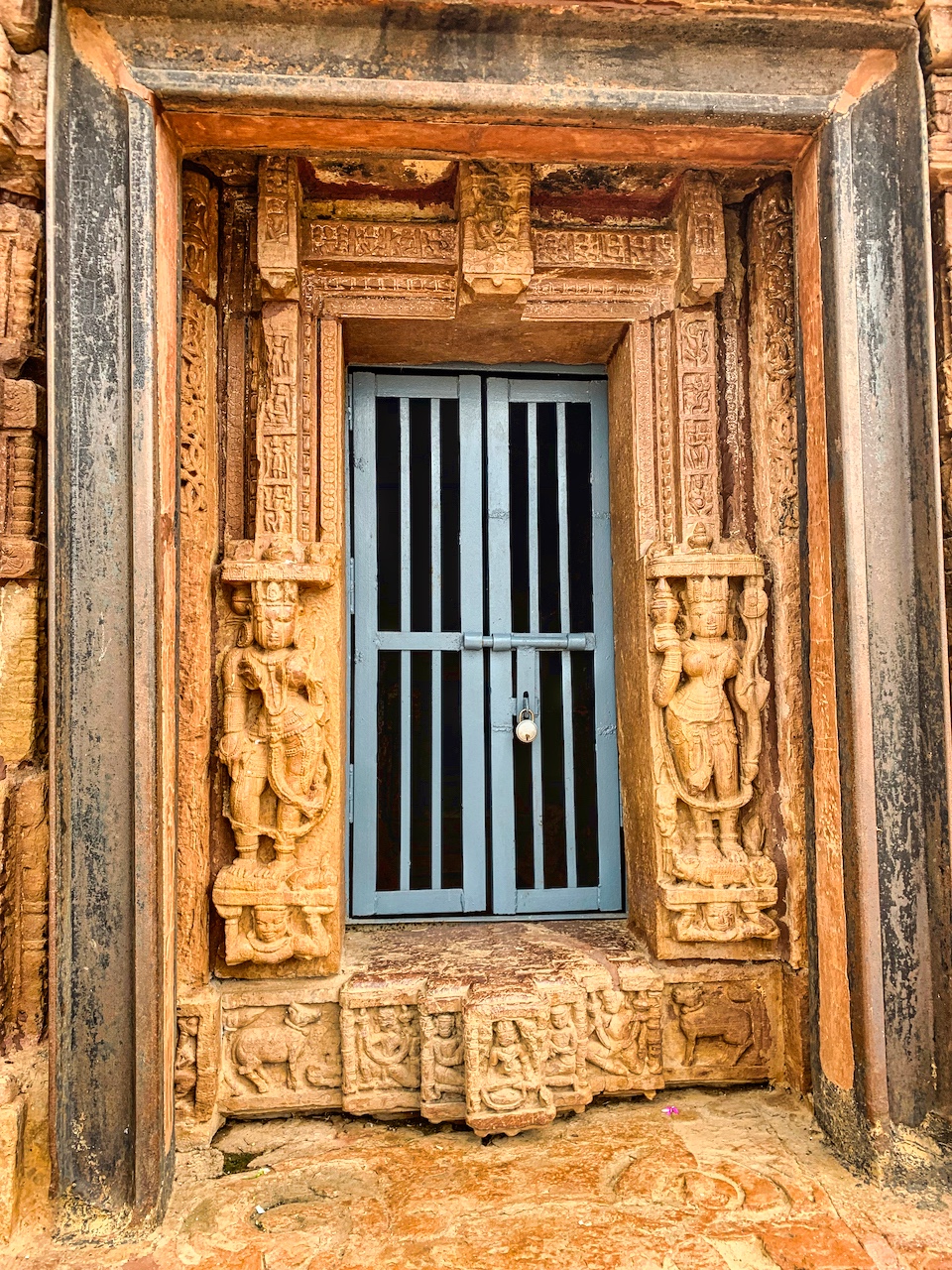
Deorbija Sita Devi Temple
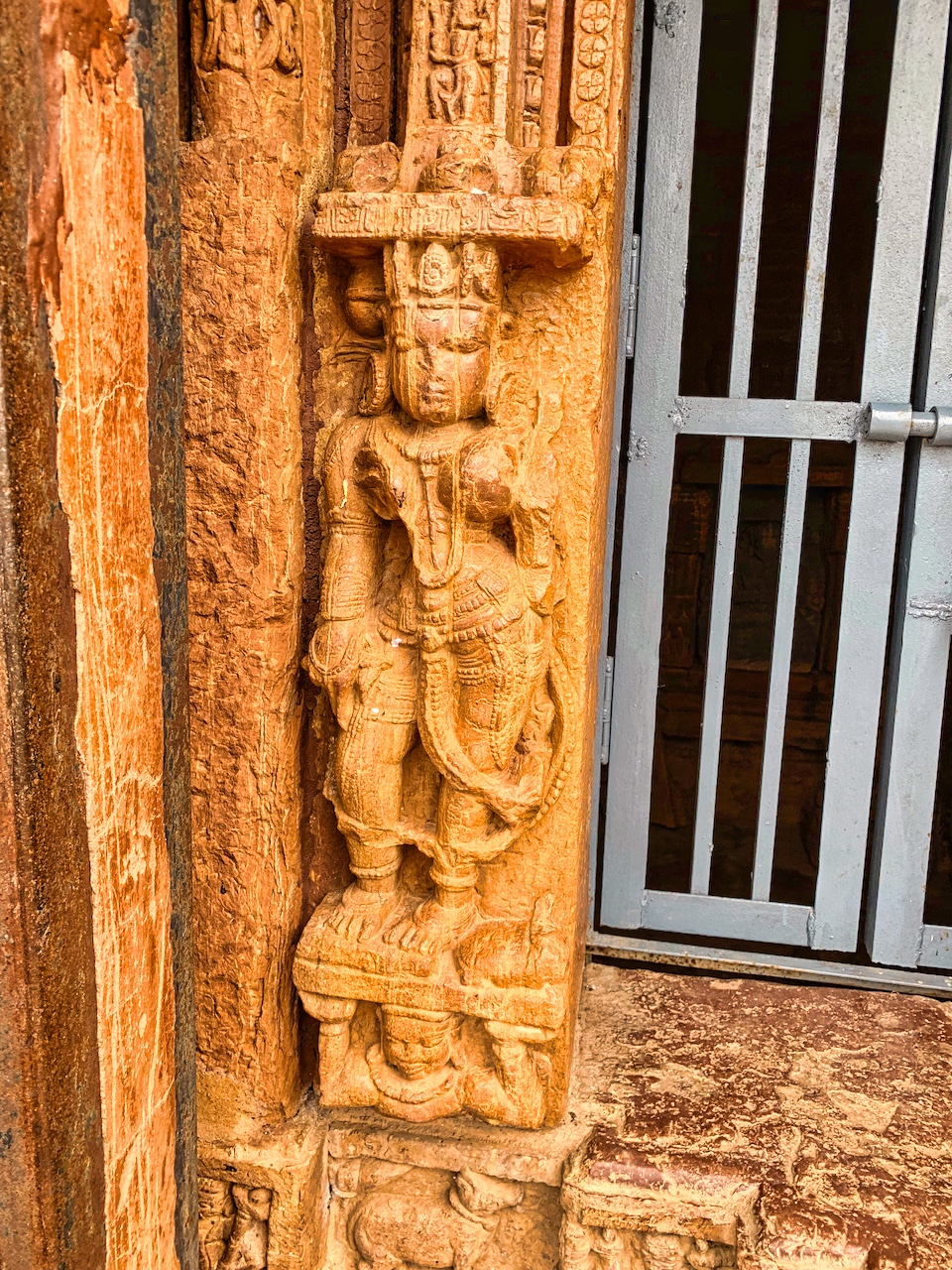
About Deorbija Sita Devi Temple
The Durg district, where Deorbija is located, has a layered history tied to successive regional powers. During the medieval period when this temple was constructed, the region experienced rule by various dynasties. The 12th–13th centuries saw significant temple construction across central India, reflecting both devotional practice and political patronage of the time.
Without specific epigraphic evidence from Deorbija itself, the temple's origins remain connected to the general patterns of religious architecture in Chhattisgarh rather than to a documented founding narrative. What is clear is that the temple has survived to the present day as a testament to medieval craftsmanship and the enduring veneration of Sita Devi in this locality.
Visiting the Temple
The best season to visit Deorbija Sita Devi Temple is between October and March, when temperatures range from 15 to 28°C, making for comfortable travel and darshan. The cooler months provide relief from the intense heat of central India's summer season and avoid the monsoon period.
Visitors should dress modestly when approaching the temple, as is customary at Hindu places of worship. Footwear is typically removed before entering the sanctum. Those unfamiliar with temple etiquette should observe the practices of other devotees and follow the guidance of temple staff. Specific information about entry fees, darshan timings, and facilities such as restrooms should be confirmed locally, as these details are not consistently documented for this temple.
Significance to Devotees
Sita Devi holds a place of profound reverence in Hindu tradition as an embodiment of virtue, devotion, and steadfastness. Temples dedicated to her are pilgrimage destinations for those seeking her blessings and those tracing the sacred geography of the Ramayana across India. The association of Deorbija with Sita's exile period makes it a site of spiritual significance for devotees who follow the narrative of Rama's journey.
Worship at temples dedicated to Sita typically involves offerings, prayers for protection and well-being, and meditation on her qualities of loyalty and grace. The temple serves both as a place of daily worship for local devotees and as a destination for pilgrims traveling through Chhattisgarh.
Reaching Deorbija
Deorbija village is situated in Durg district at coordinates 21.67°N, 81.41°E. The village is accessible by road from major towns in the region. Visitors traveling to the temple should plan their route through Durg district and make local inquiries about the most direct approach to the village. Public transportation options and the condition of local roads should be verified before travel, as rural temple sites in central India may have limited connectivity during certain seasons.
Nearby towns and cities in Chhattisgarh can serve as bases for visiting the temple. Travelers should allow time for local navigation once arriving in the district, as village temples are often reached via smaller roads.
A Site of Quiet Devotion
Deorbija Sita Devi Temple represents the continuity of Hindu devotional practice across centuries. Its medieval origins and enduring presence make it a modest but meaningful landmark in the religious landscape of Chhattisgarh. For those undertaking a pilgrimage connected to the Ramayana or seeking to visit lesser-known temples dedicated to Sita Devi, this site offers an opportunity to engage with both history and faith in a setting removed from more heavily trafficked pilgrimage centers.
How to reach
Temples near Deorbija Sita Devi Temple
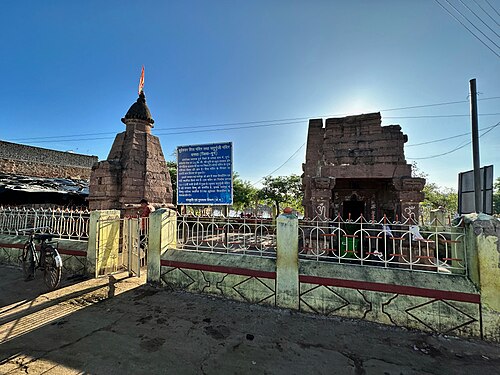
Budheswar Shiv and Chaturbhuji temples, Dhamdha
Twin stone temples from the 13th-14th century Kalachuri era in Dhamdha, Chhattisgarh, dedicated to Shiva and Vishnu respectively. Both structures show signs of historical damage…
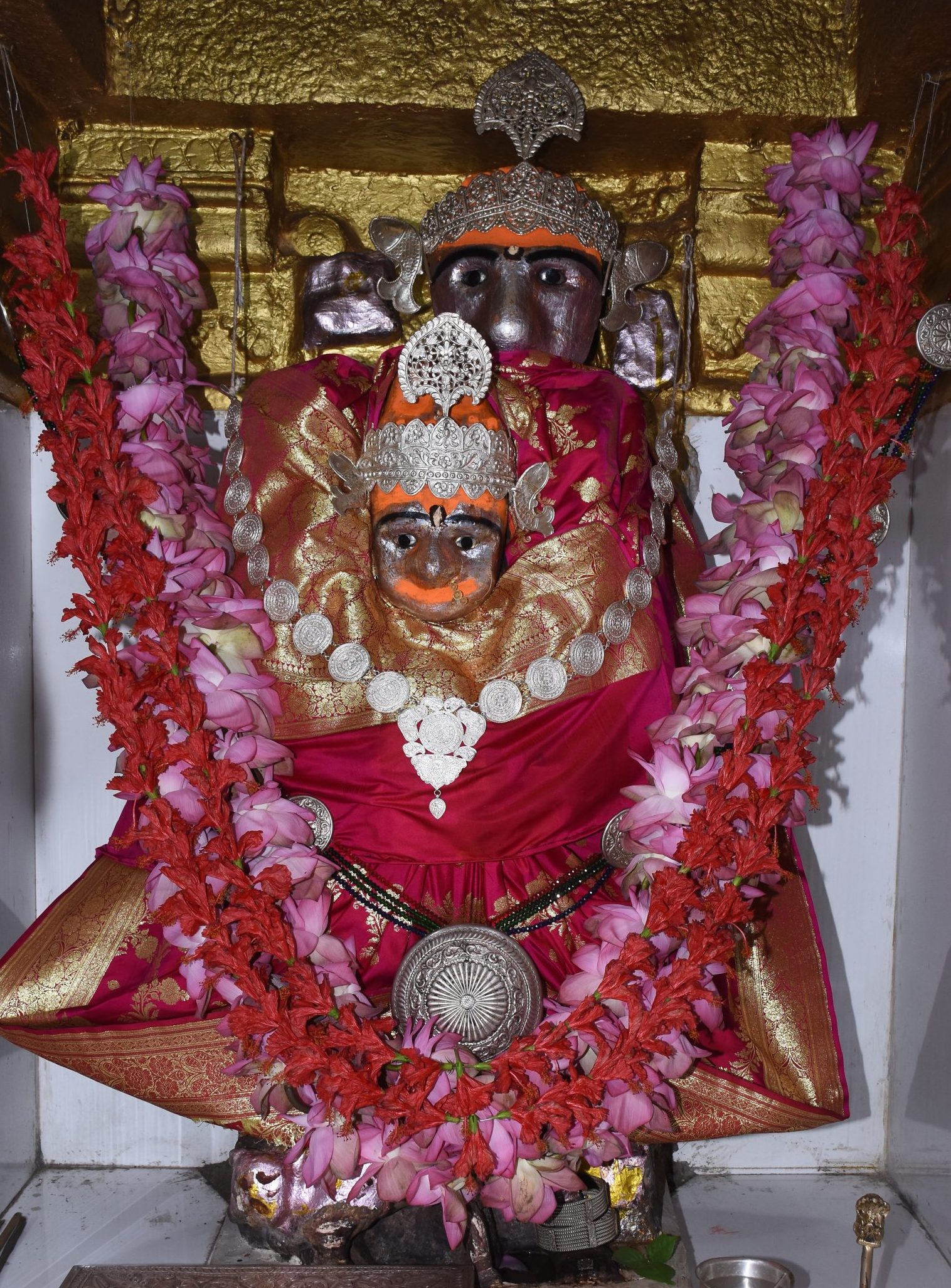
Mahamaya temple and Dhamdha fort, Chhattisgarh
Mahamaya Temple in Raipur, Chhattisgarh is a goddess temple with origins tracing to the 17th-18th centuries, renovated under Maratha patronage. It serves as a significant spirit…
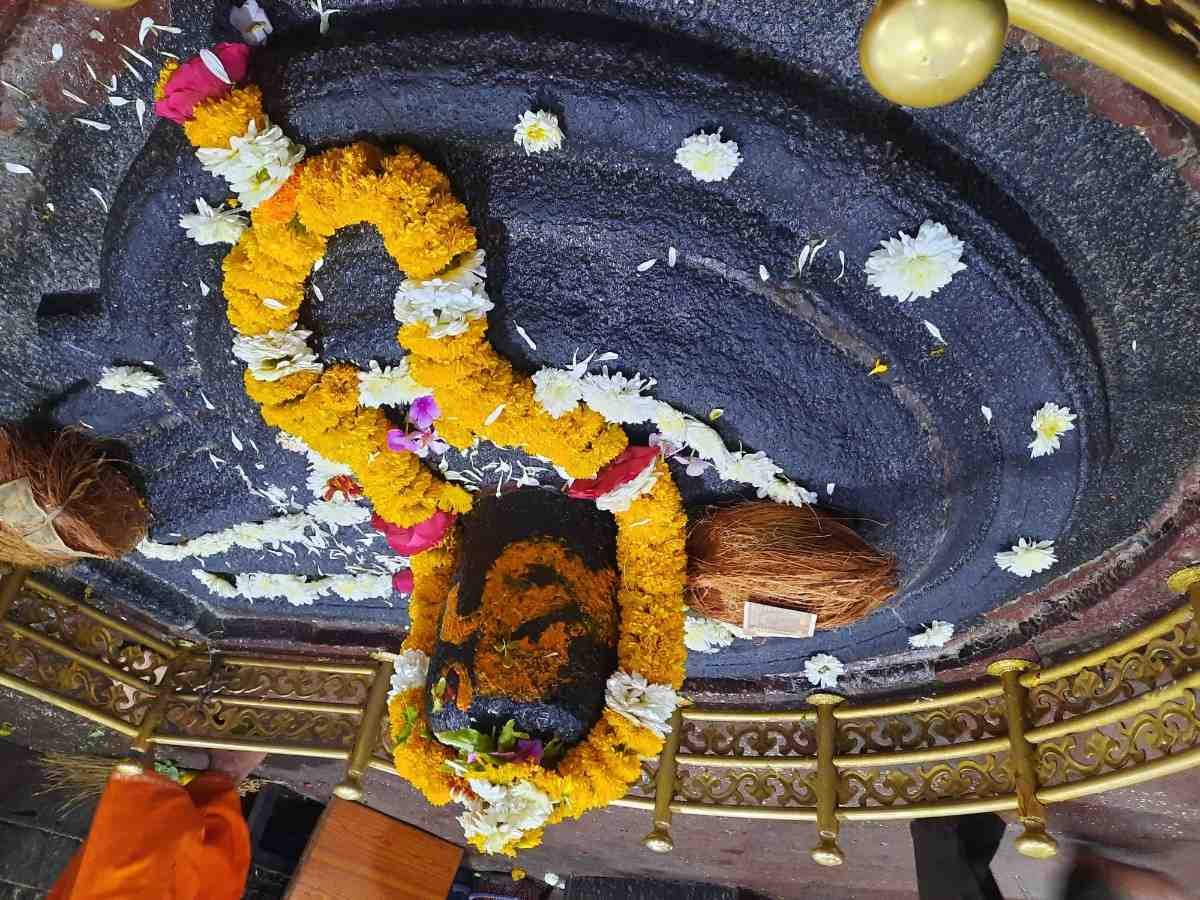
Gandai Shiva temple
The query references 'Gandai Shiva temple' but the sources provided contain no information about this temple. The sources exclusively document Grishneshwar Jyotirlinga in Mahara…
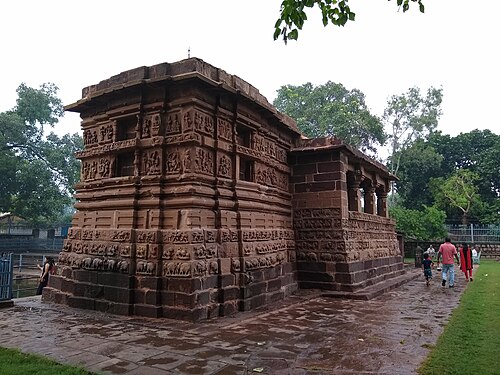
Mahadev Temple, Deobaloda
Mahadev Temple in Deobaloda, Chhattisgarh is an ancient Shiva sanctuary from the Kalchuri period, protected by the Archaeological Survey of India and revered as a center of spir…
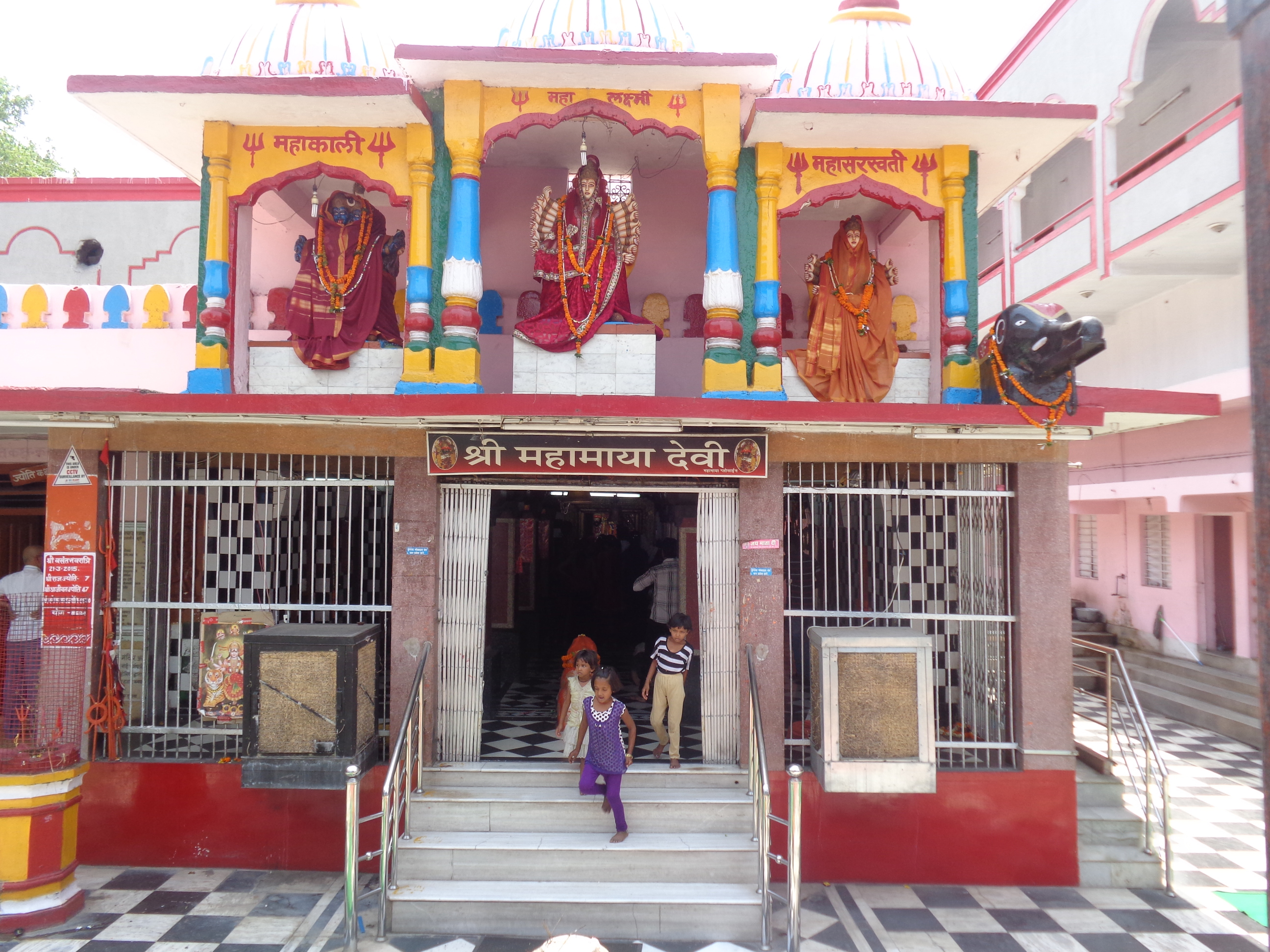
Mahamaya Temple, Raipur
Mahamaya Temple in Raipur is a historic Hindu shrine dedicated to Devi Mahamaya, recognized as one of Chhattisgarh's 36 Shaktipeeths. The temple, renovated during the Maratha pe…
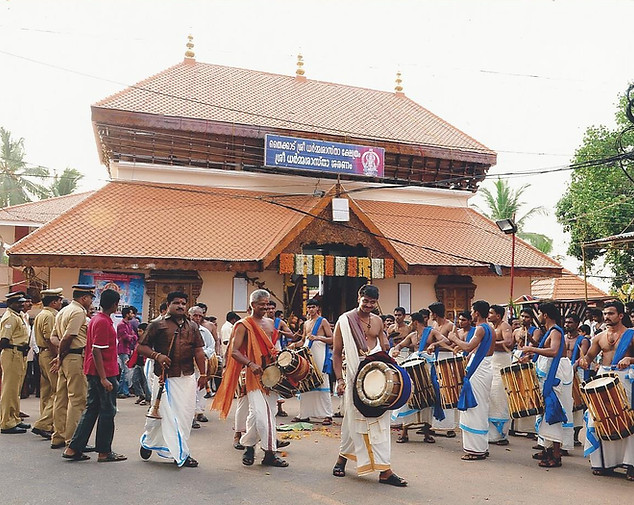
Dudhadhari temple
Dudhadhari temple is a Hindu shrine located in Raipur Mathpara, Chhattisgarh, presided over by Mahant Ramsundar Das Ji Maharaj.