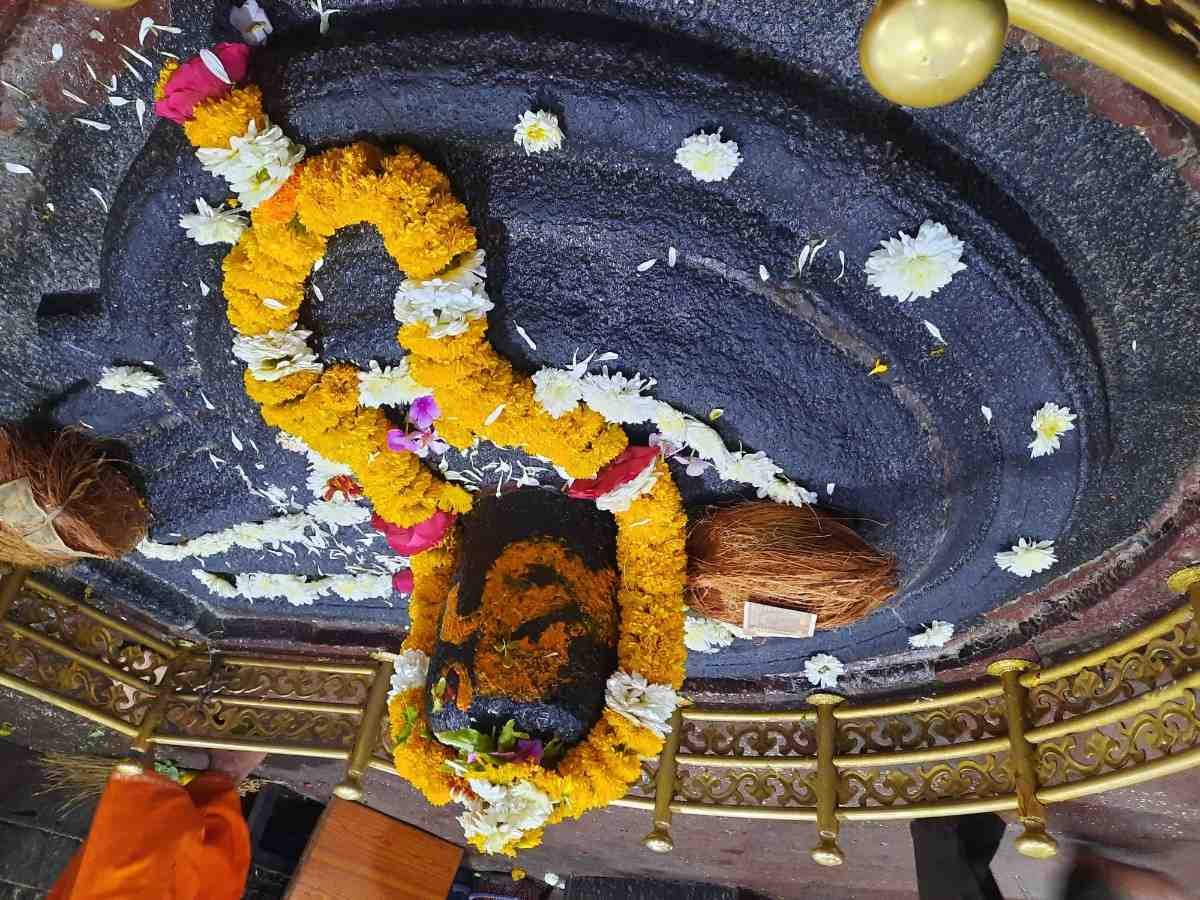
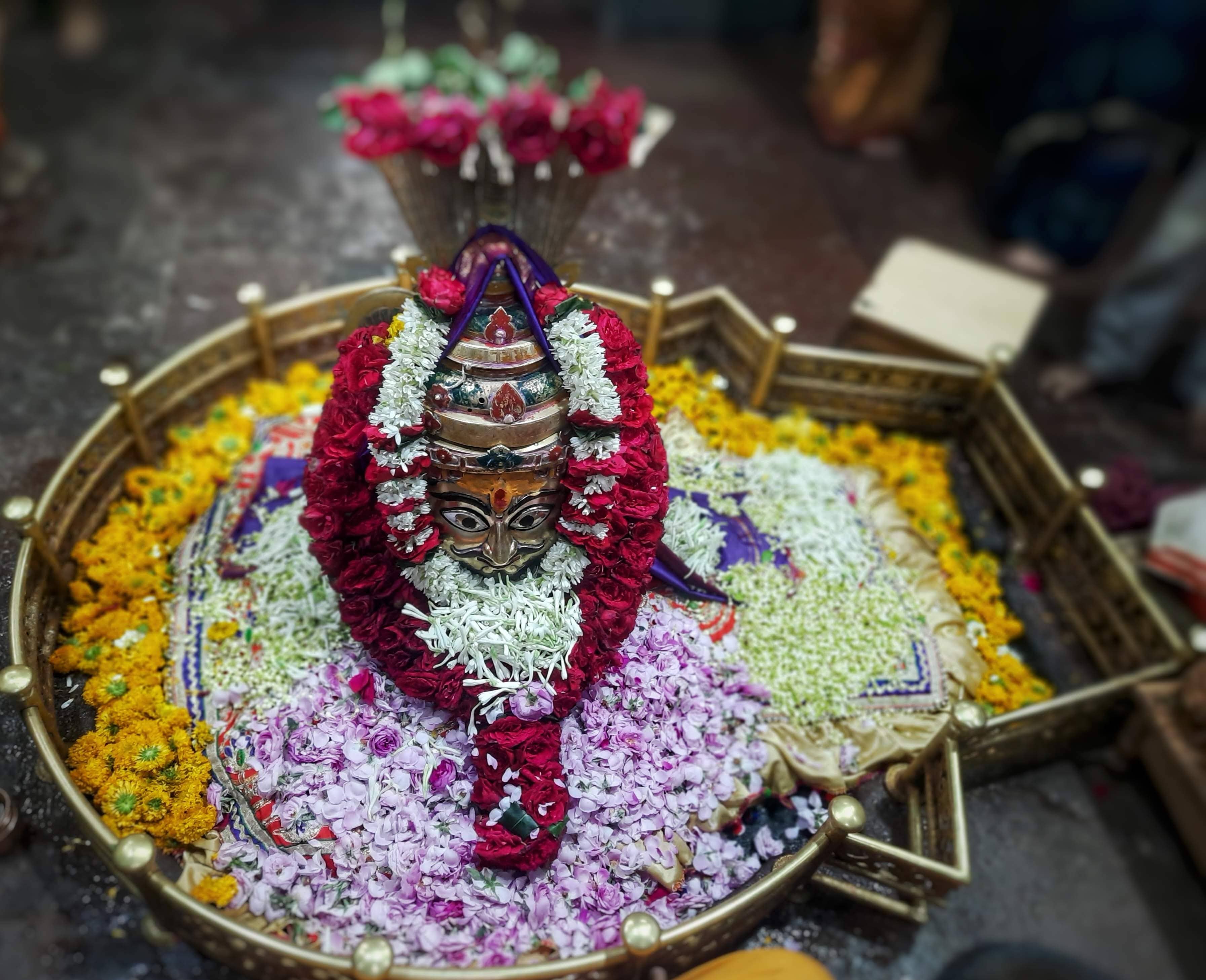
Gandai Shiva temple
About Gandai Shiva temple
The temple's present structure reflects centuries of devotion and patronage. The original shrine was rebuilt during the 16th century by Maloji Bhosale, grandfather of the Marathi warrior-king Chhatrapati Shivaji Maharaj. The temple subsequently underwent significant reconstruction in the 18th century under Queen Ahilyabai Holkar, who shaped it into the form visitors encounter today. This layered history connects the site to important figures in regional history while demonstrating the continuity of worship across generations.
The architecture employs red stone across an expansive 44,000 square-foot area, following a South Indian style that remains uncommon in Maharashtra. The inner sanctum houses the sacred Shivling, approached through an entrance marked by a Nandi statue—the bull vehicle of Lord Shiva. The walls and pillars bear carved representations of Shiva, Goddess Parvati, and other divine figures, creating a visual narrative of Hindu cosmology. Golden finishing details complement the red stone, adding luminous accents to the structure's overall design.
Daily Worship and Darshan
The temple maintains a structured daily rhythm of worship accessible to devotees throughout the day. Morning darshan begins at 5:30 AM and continues until noon, while evening darshan reopens at 1:00 PM and extends until 9:00 PM, accommodating both early risers and those visiting after other commitments. This extended schedule reflects the temple's role as an active place of worship rather than a museum piece.
Three principal aartis—ceremonial offerings of light and devotion—punctuate the day. The morning aarti occurs at 5:00 AM, followed by the Bhog Aarti at noon, and the evening aarti at 8:00 PM. Puja services are conducted during morning hours (6:00 AM to 11:30 AM) and afternoon hours (2:00 PM to 7:00 PM), allowing devotees to participate in formal worship or arrange personal rituals. Visitors should plan their visit around these timings to experience the temple's spiritual atmosphere at its most vibrant.
Visiting Practicalities
Visitors should arrive with awareness of basic temple etiquette. Modest dress is customary—covering shoulders and knees shows respect for the sacred space. The temple's early opening hour means those wishing to attend morning aarti should plan accordingly. Photography policies vary; it is advisable to observe what other visitors are doing or inquire discreetly with temple staff before photographing the inner sanctum or rituals.
The site's location near Ellora Caves makes it accessible as part of a broader cultural itinerary. Aurangabad serves as the nearest major city, with road, rail, and air connections. From Aurangabad, the temple lies approximately 30 kilometers away, reachable by local transport or arranged travel. The proximity to Ellora—a UNESCO World Heritage Site just 2 kilometers distant—allows visitors to combine spiritual pilgrimage with exploration of the region's remarkable rock-cut architecture spanning Hindu, Buddhist, and Jain traditions.
Nearby Sites and Regional Context
The temple's location positions it within a landscape rich in historical and religious significance. The Ellora Caves, among the world's most important examples of rock-cut architecture, lie within easy reach. Daulatabad Fort, a substantial historical fortification, stands approximately 14 kilometers away. The Aurangabad Caves, representing Buddhist heritage, are situated about 25 kilometers distant. This concentration of heritage sites makes the region valuable for those seeking to understand the religious and cultural complexity of medieval India.
How to reach
Temples near Gandai Shiva temple
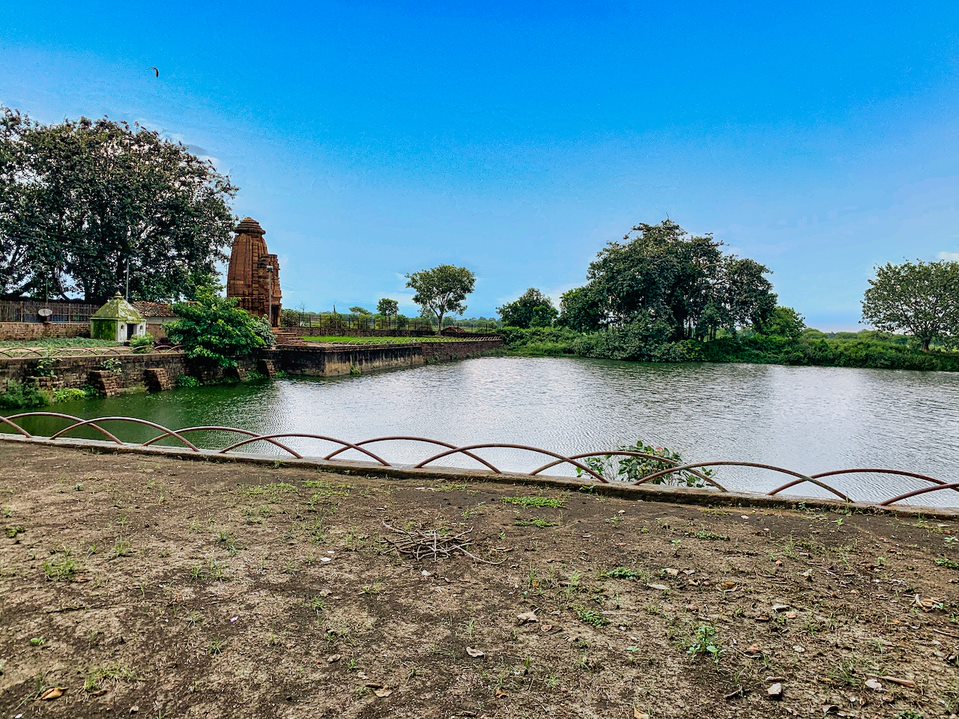
Deorbija Sita Devi Temple
An ancient temple dedicated to Sita Devi located in Deorbija village, Durg district, Chhattisgarh, believed to mark the site where Lord Ram, Sita, and Lakshman stayed during the…
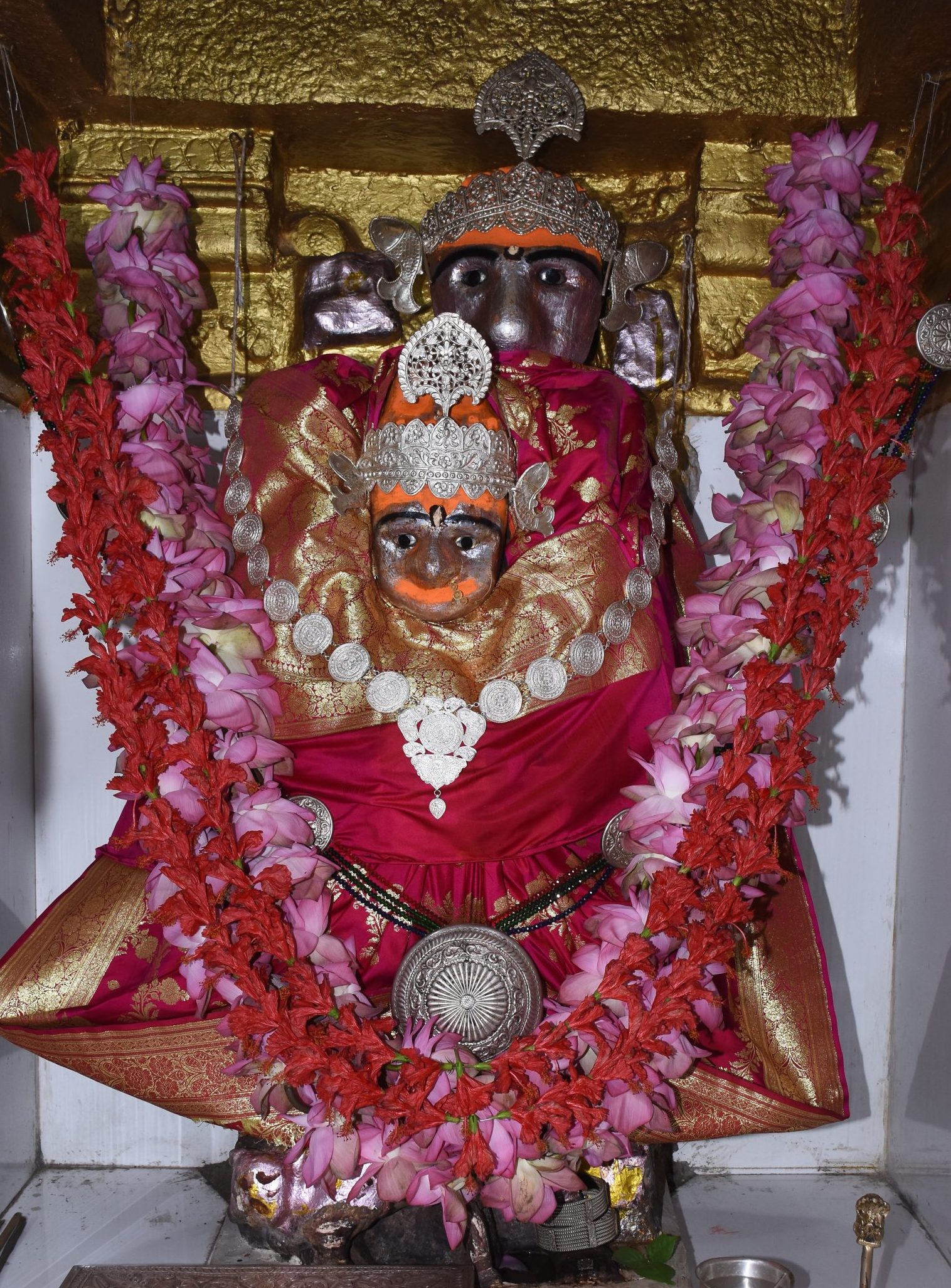
Mahamaya temple and Dhamdha fort, Chhattisgarh
Mahamaya Temple in Raipur, Chhattisgarh is a goddess temple with origins tracing to the 17th-18th centuries, renovated under Maratha patronage. It serves as a significant spirit…
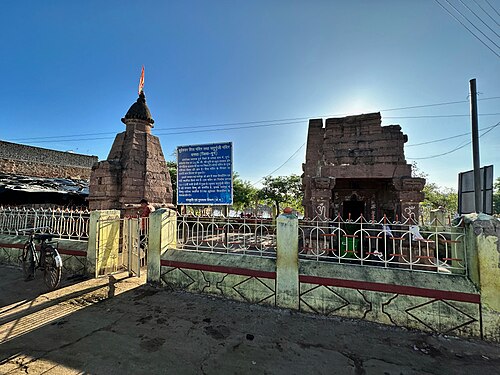
Budheswar Shiv and Chaturbhuji temples, Dhamdha
Twin stone temples from the 13th-14th century Kalachuri era in Dhamdha, Chhattisgarh, dedicated to Shiva and Vishnu respectively. Both structures show signs of historical damage…
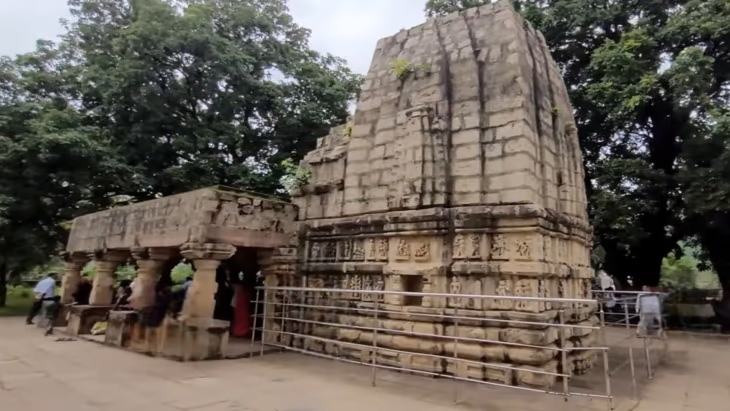
Madwa Mahal Temple
Madwa Mahal Temple is an ancient Shiva shrine near Bhoramdeo in Chhattisgarh, renowned as a marriage temple featuring intricate erotic sculptures and a sixteen-pillared mandapa…
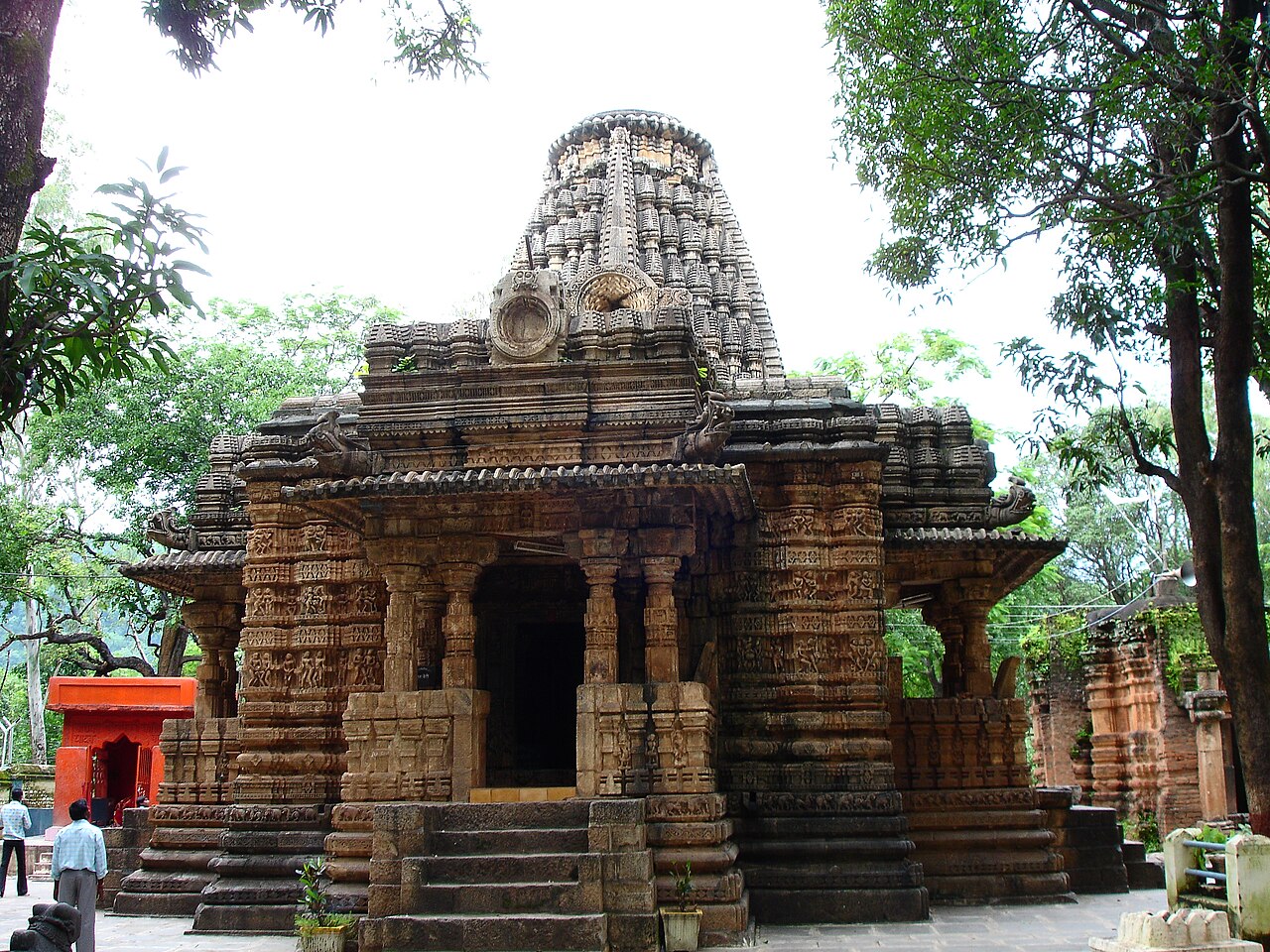
Bhoramdeo Temple
Bhoramdeo Temple is an 11th–12th century Shiva temple in Chhattisgarh renowned for its intricate erotic stone sculptures, earning it the epithet 'Khajuraho of Chhattisgarh.' The…
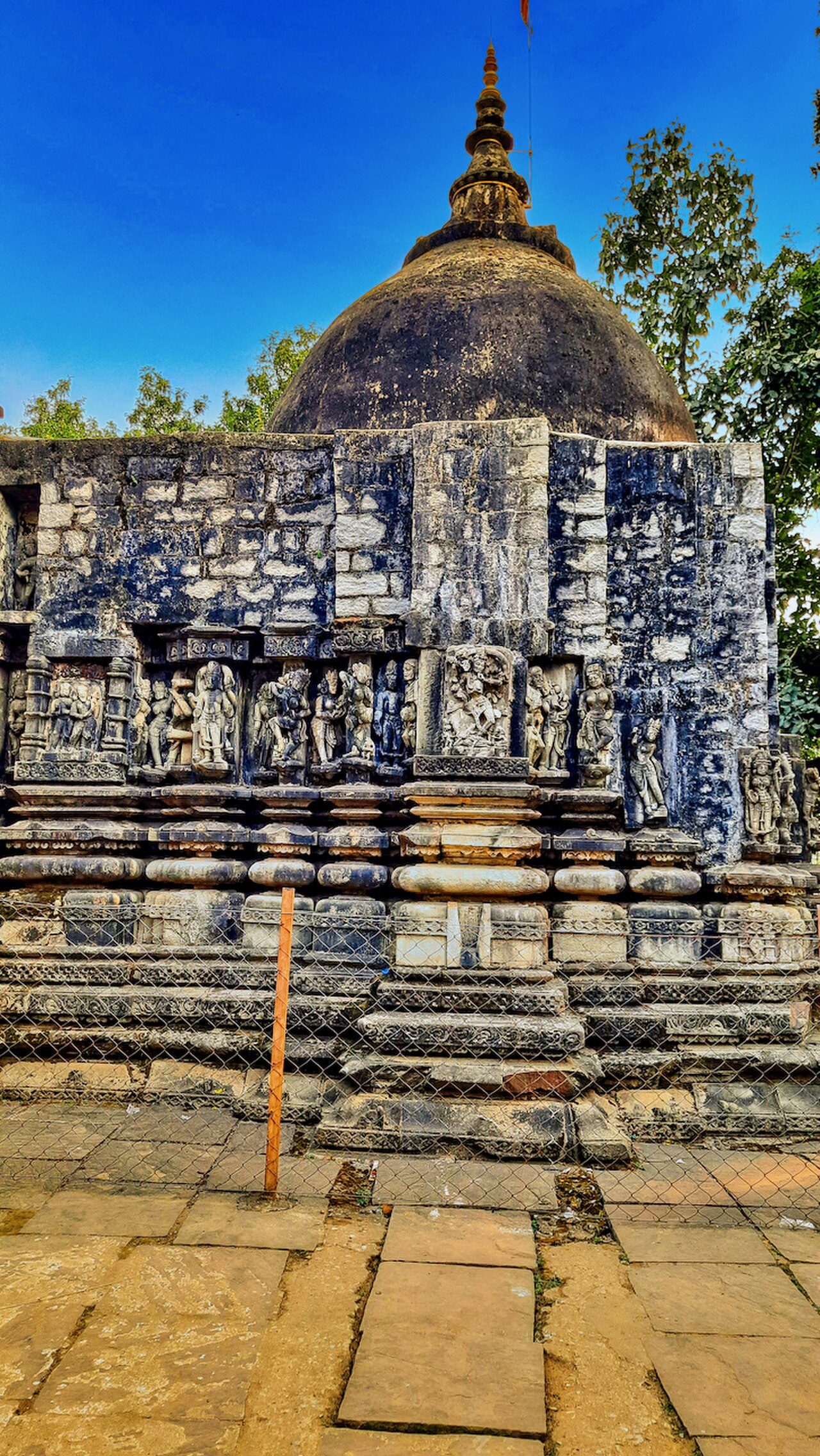
Koteshwar Mahadev Temple, Lanji
Koteshwar Mahadev Temple in Lanji, Balaghat district, is a 12th-century shrine dedicated to Lord Shiva, renowned for its intricate medieval architecture and spiritual significan…