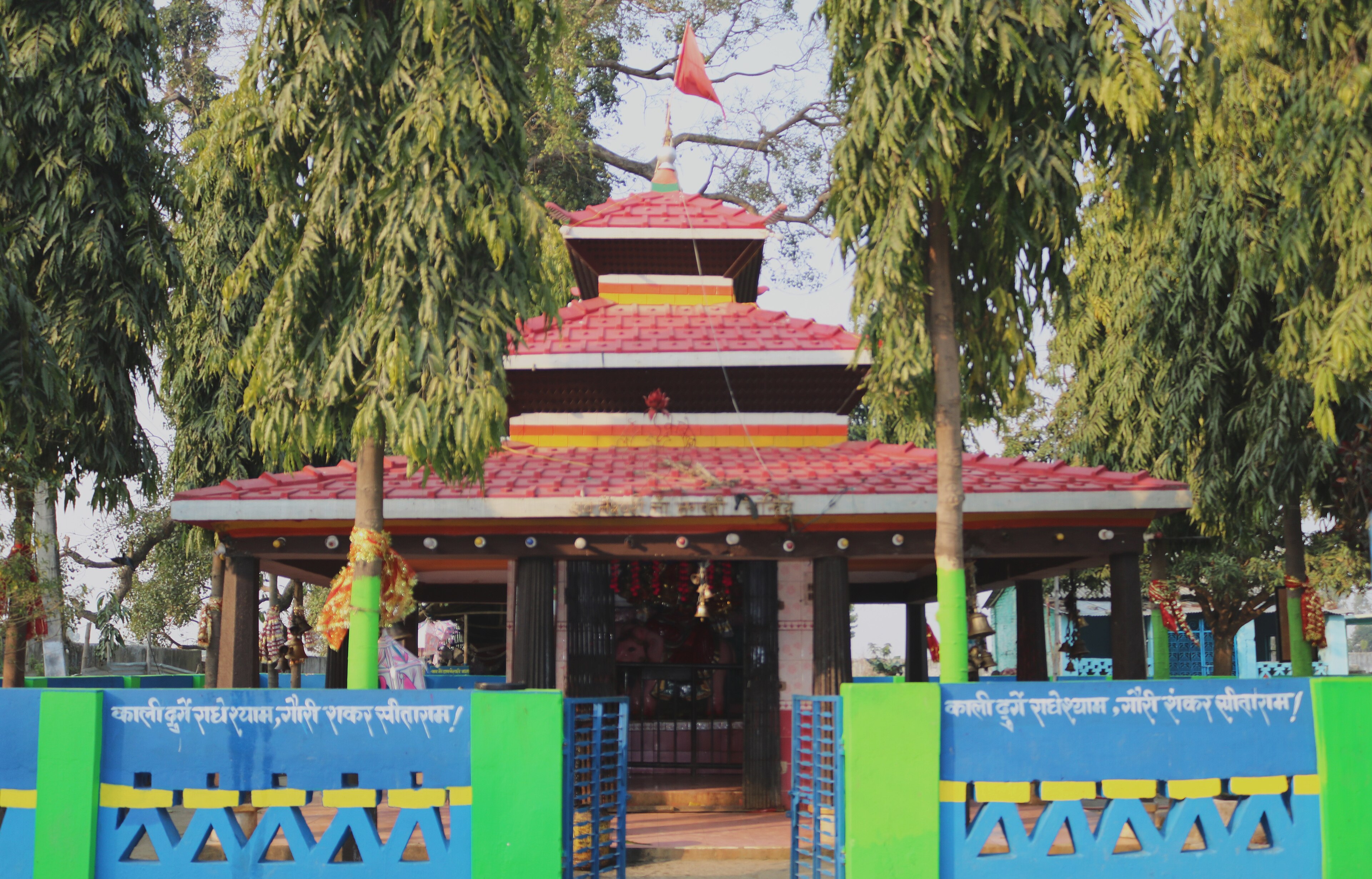
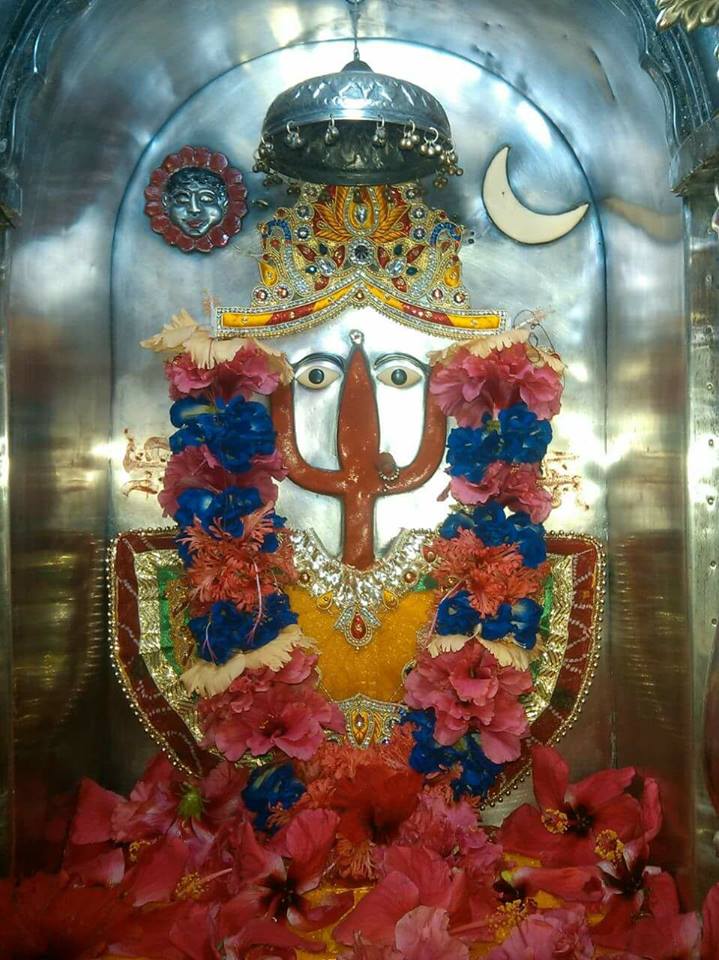
Dakneshwori Temple
About Dakneshwori Temple
Shakti Peethas represent sites of profound spiritual importance in Hindu practice, each associated with the goddess in her various forms. Dakneshwori Temple belongs to this lineage of sacred locations. The designation reflects the temple's role as a center for worship of divine feminine power, attracting devotees who follow Shakti-centered spiritual paths. The presence of such a site in southeastern Nepal underscores the region's place within broader Hindu pilgrimage networks that span the subcontinent.
Bada Dashain: The Primary Pilgrimage Season
The autumn festival of Bada Dashain marks the most significant time for visiting Dakneshwori Temple. During this period, the temple experiences an influx of thousands of pilgrims from Nepal and India. The festival is observed with ritual animal sacrifice—specifically of goats—which forms a central part of worship practices at the temple during this season. Visitors planning a pilgrimage should anticipate large crowds and prepare accordingly. The festival period represents the temple's busiest and most spiritually charged time, when the atmosphere of devotion reaches its peak.
Visiting the Temple
The temple is located at coordinates 26.51, 86.62 in Saptari district. Visitors should plan their journey with attention to Nepal's road conditions and seasonal weather patterns, particularly if traveling during or near the Dashain season when roads may experience heavier traffic. While specific information about daily darshan timings, entry fees, or visitor facilities is not documented in available sources, standard practice at Hindu temples typically involves morning and evening darshan periods. Visitors are advised to dress modestly and respectfully, removing shoes before entering the inner sanctum as is customary in Hindu temples. Photography policies should be confirmed upon arrival, as these vary by temple.
Practical Considerations for Pilgrims
Those planning a visit should note that Bada Dashain draws substantial crowds, making advance planning essential. The festival season brings not only pilgrims but also the ritual practices central to worship at this Shakti Peetha. Visitors should be prepared for the realities of a major pilgrimage site during its peak season—limited accommodation in smaller towns, crowded conditions, and the need for patience and flexibility. It is advisable to check current travel advisories and road conditions before departure, particularly for those traveling from India. Local guides or temple staff can provide specific information about current practices, timings, and any temporary arrangements in place.
Reaching Dakneshwori
Saptari district in southeastern Nepal is accessible by road from major cities in Nepal and from the Indian border. The nearest significant urban centers can serve as jumping-off points for travel to Pato Bazaar. Visitors should plan their route based on their point of origin and current road conditions. Public transportation options exist within Nepal, though the specifics of bus routes and schedules change seasonally. Those unfamiliar with the region may benefit from local assistance in navigating to the temple, particularly during the crowded Dashain period.
How to reach
Temples near Dakneshwori Temple
Shambhunath Temple
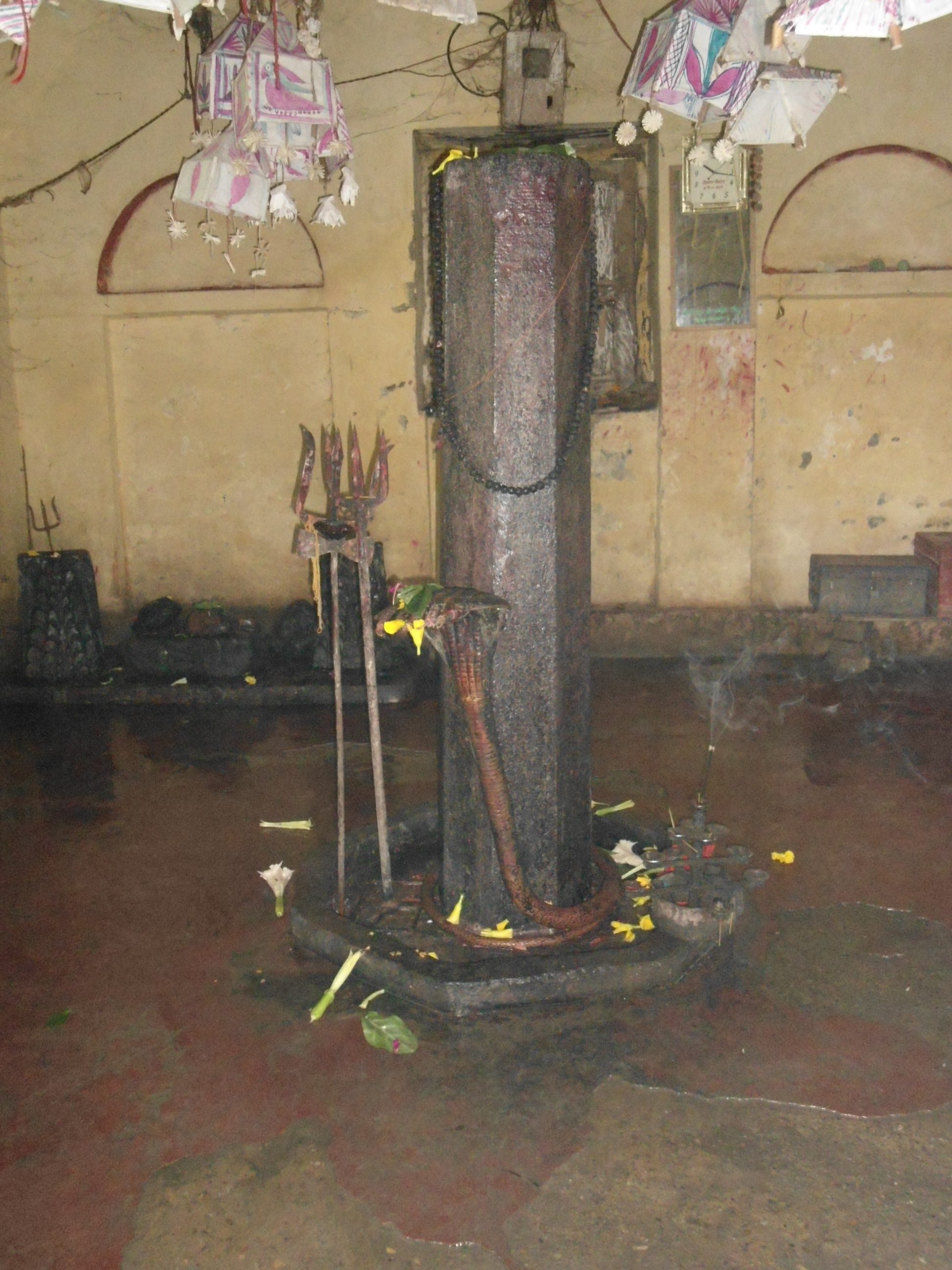
Shambhunath Temple in Saptari, Nepal is a Hindu shrine dedicated to Lord Shiva, drawing pilgrims from Nepal and India especially during Baishakh month when a month-long fair is…
Vishnu Temple, Ganpatganj
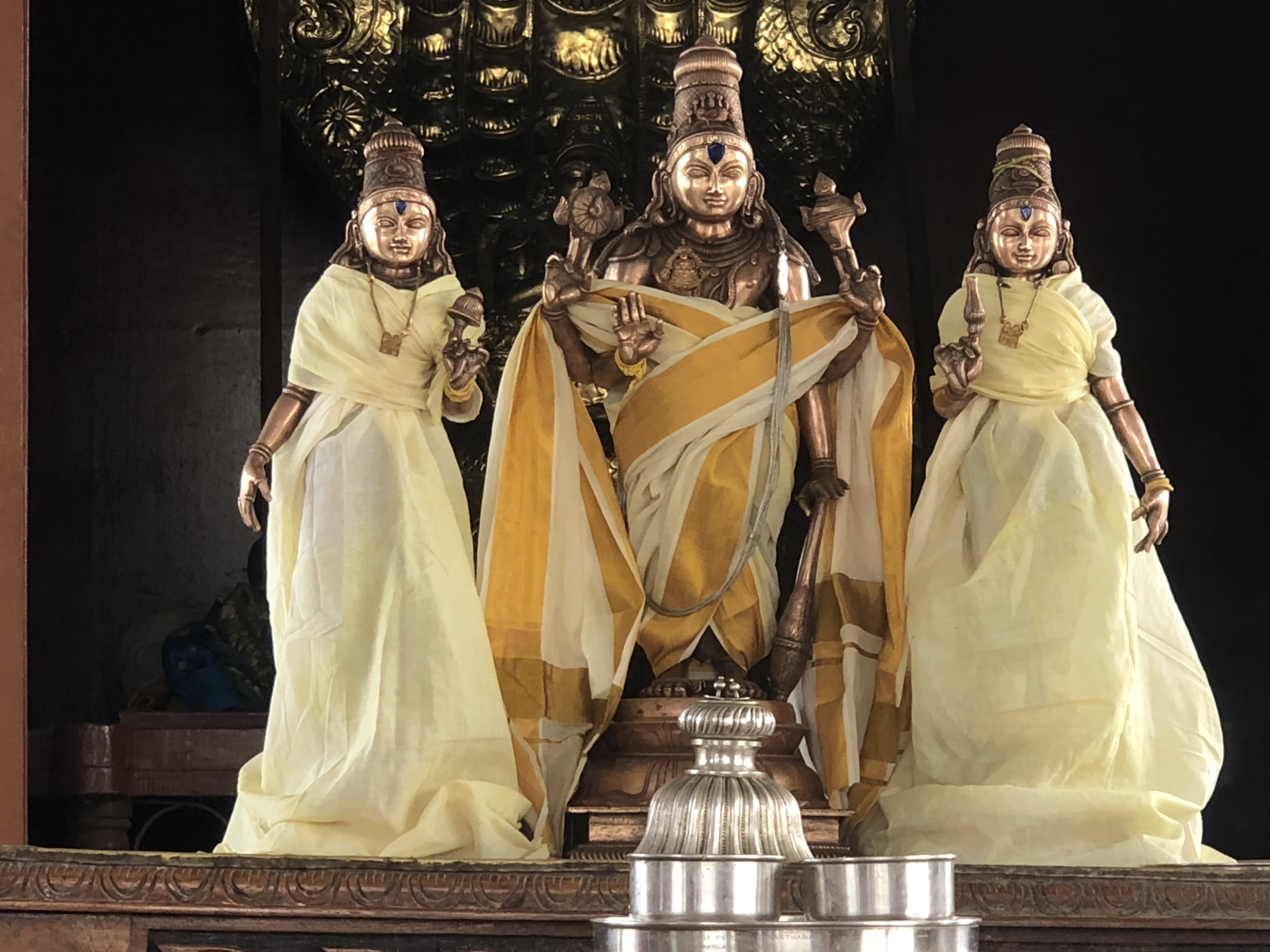
Sri Varadraja Perumal Devasthanam, known locally as Vishnu Dham, is a Hindu temple in Ganpatganj, Bihar, dedicated to Lord Vishnu and rooted in the Sri Ramanuja Sampradaya of Va…
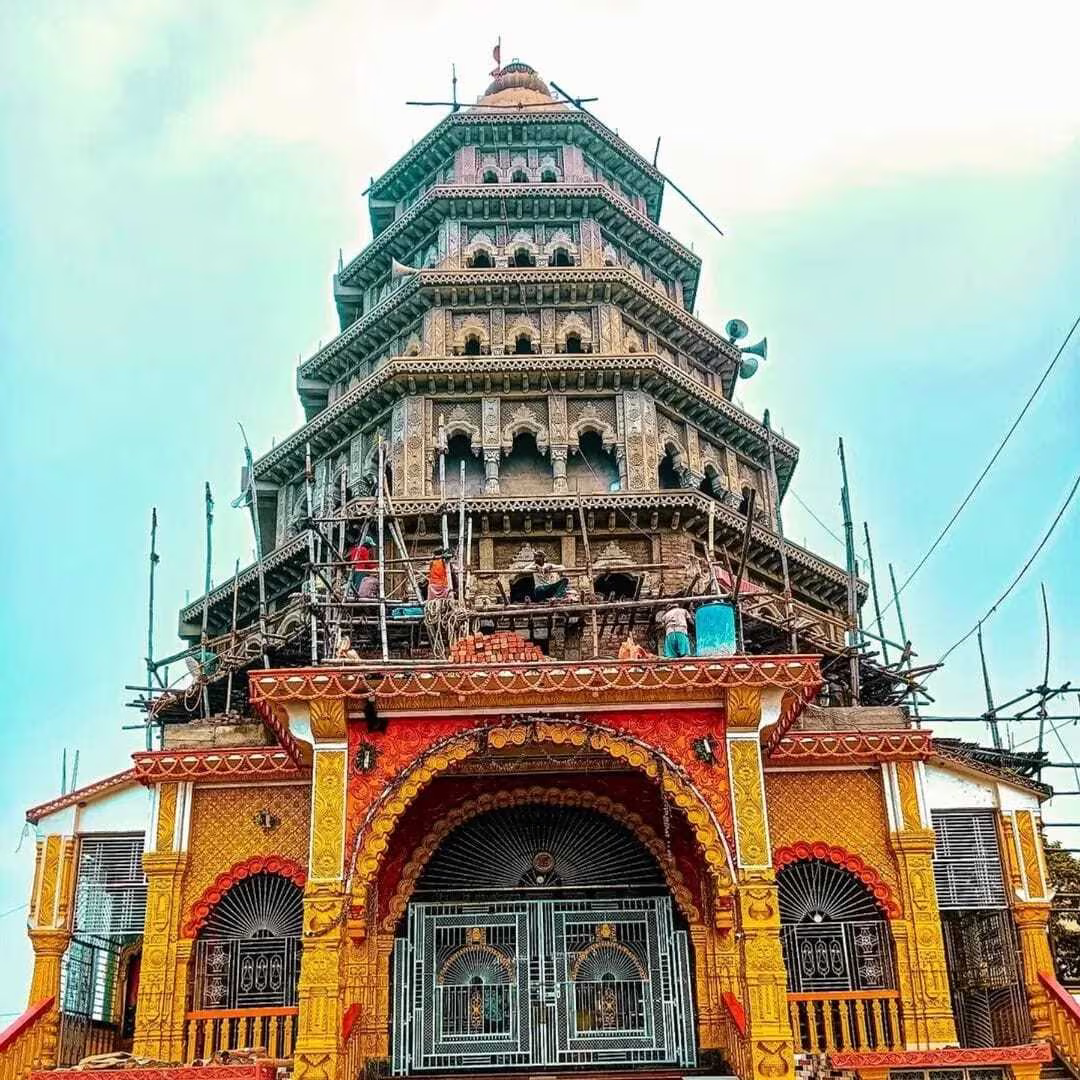
Tintoliya temple
Tintoliya Durga Mandir is an ancient Hindu temple dedicated to Goddess Durga located in Supaul district, Bihar, serving as a major pilgrimage site and center of Shakti worship i…
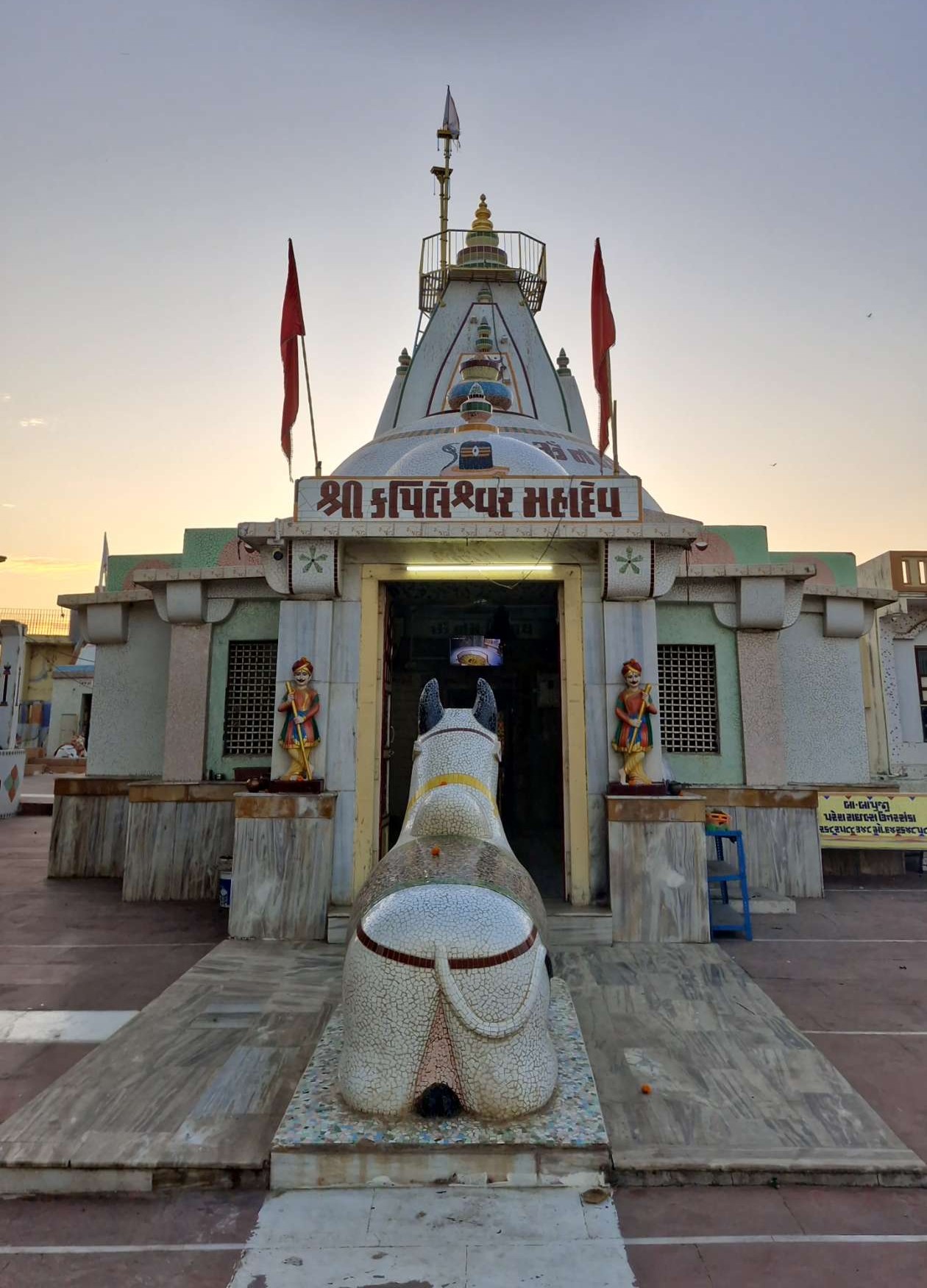
Kapileshwar Mahadev Mandir, Garhbaruari
Kapileshwar Mahadev Mandir is an ancient Hindu temple dedicated to Lord Shiva, located in Garhbaruari in Bihar's Mithila region on the banks of the Haridra river. Traditionally…

Kapileshwar Temple
Kapileshwar Temple in Madhubani District, Bihar, is a revered Shiva shrine where a sacred Linga was installed by the sage Kapila. The temple draws devotees especially during Shr…
Kapileshwar Temple
Kapileshwar Temple in Madhubani District, Bihar is a revered Shiva shrine where a sacred Linga was installed by the sage Kapila. The temple draws devotees especially during Shra…