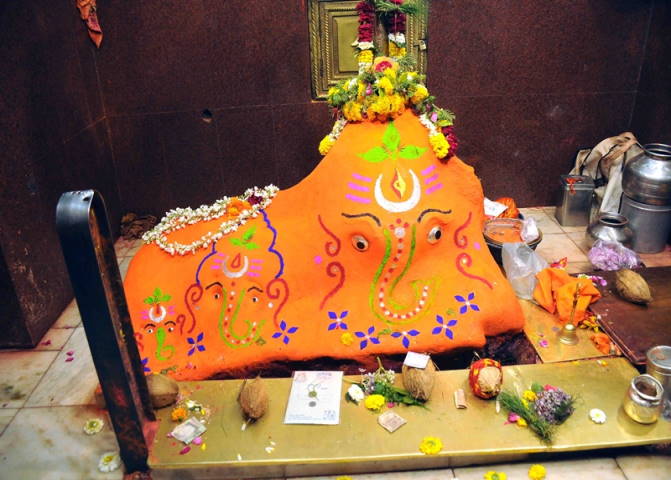

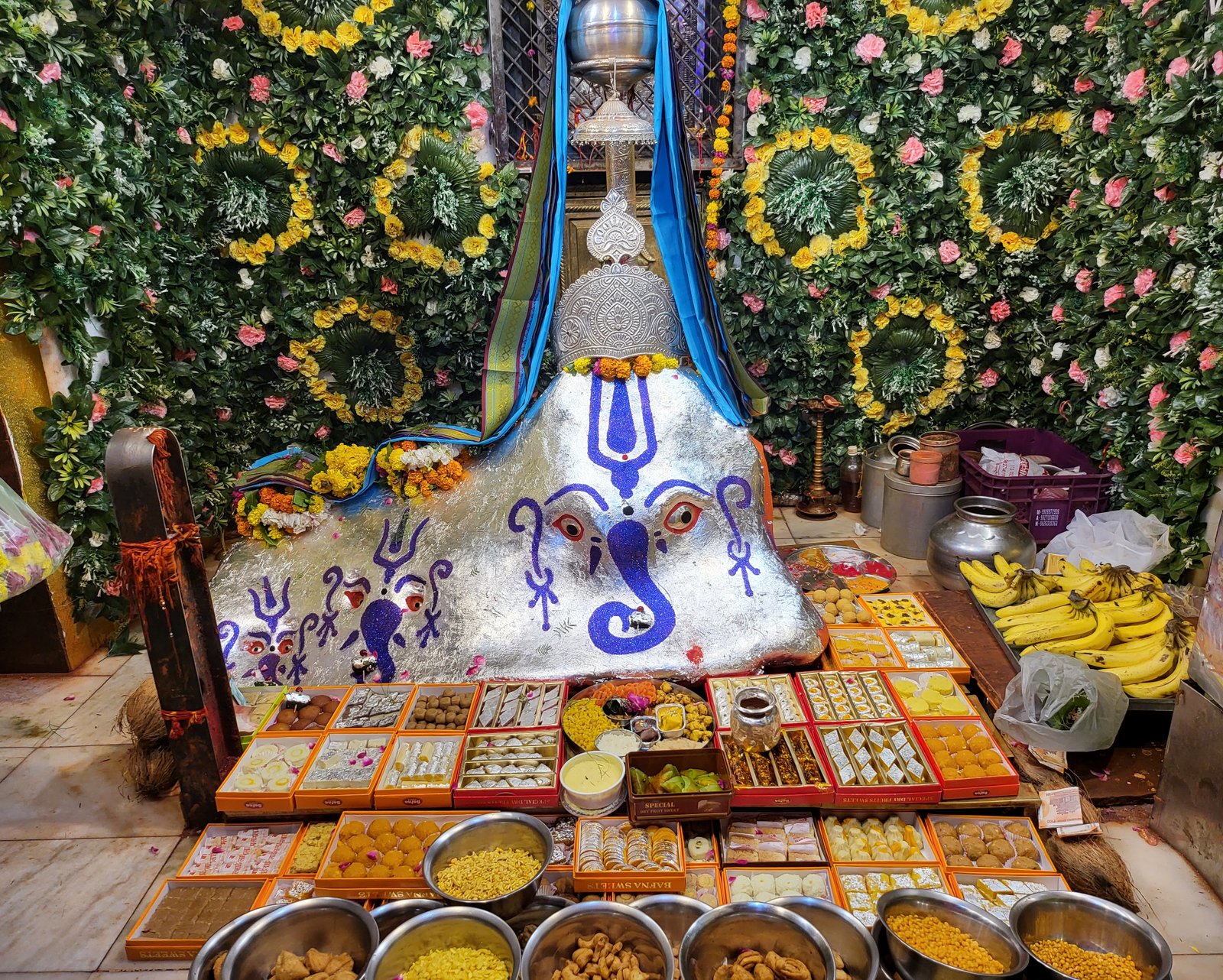
Chintaman ganesh
About Chintaman ganesh
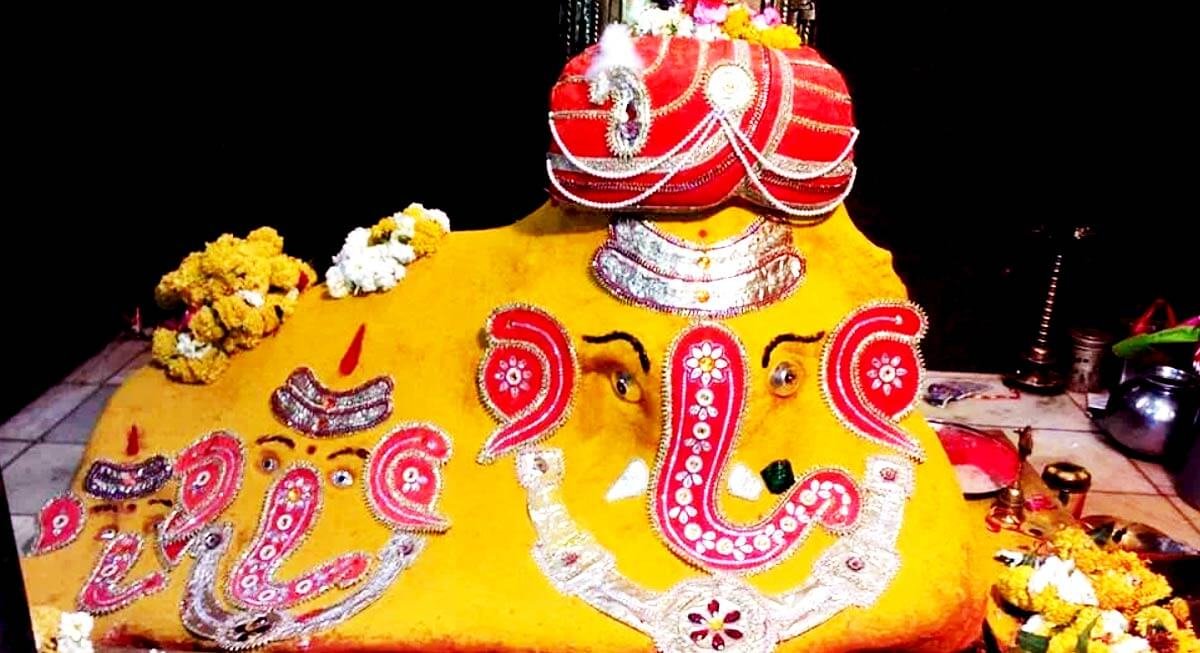
Ganesha occupies a unique place in Hindu devotional practice, typically invoked at the beginning of rituals, prayers, and new undertakings. Temples dedicated to Ganesha, like Chintaman, serve as spaces where devotees seek his blessings for the removal of obstacles and the auspicious commencement of important life events. The deity's elephant form carries symbolic significance across Hindu tradition, representing strength, wisdom, and auspiciousness.
Devotees visiting temples of this tradition typically offer flowers, fruits, sweets, and prayers. The practice of circumambulation—walking around the sanctum in a clockwise direction—forms part of standard worship at such temples. Specific rituals or daily practices particular to Chintaman Ganesh are not documented in available sources.
The Temple Structure
The temple's construction across the Kshipra river represents a notable architectural undertaking, positioning it as a significant landmark in Ujjain's religious landscape. Its status as the largest Ganesha temple in the city suggests a substantial structure, though detailed architectural descriptions—such as the style of construction, the age of the temple, or specific features of its design—are not available from documented sources.
The temple's integration into the town's market area indicates its accessibility to the local community and visiting pilgrims, though this urban setting differs from the more secluded temple environments found in some other pilgrimage centres.
Visiting the Temple
Visitors to Chintaman Ganesh should observe standard practices followed at Hindu temples. Removing footwear before entering the sanctum is customary. Modest dress—covering shoulders and knees—is appropriate and respectful. Photography policies vary by temple; visitors should inquire locally or observe whether other devotees are photographing before doing so themselves.
The temple's location within a market area means that visiting hours and facilities may differ from temples in more rural settings. Specific information regarding opening times, prasad (blessed food offerings), or other visitor amenities is not documented in available sources, and should be confirmed locally before visiting.
Spiritual Significance in Ujjain
Ujjain's status as a major pilgrimage destination in Hindu tradition provides context for Chintaman Ganesh's importance. The city draws devotees throughout the year, and temples within it serve both regular worshippers and visiting pilgrims. The Kshipra river's sacred status in Hindu geography reinforces the spiritual character of locations along its banks.
The temple's prominence as Ujjain's principal Ganesha shrine suggests it holds particular importance for those seeking Ganesha's blessings within the city's religious community.
How to reach
You may also visit
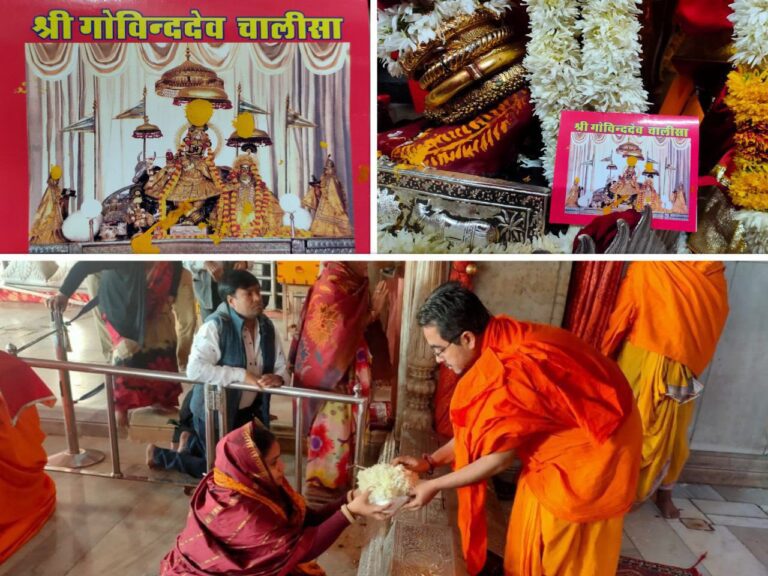
Kalyanji Temple
Kalyanji Temple in Jaipur's Chandpol Bazaar is approximately two centuries old and renowned for displaying the twenty-four avatars of Krishna, visible only twice yearly during Akha Teej and Patottsav festival.
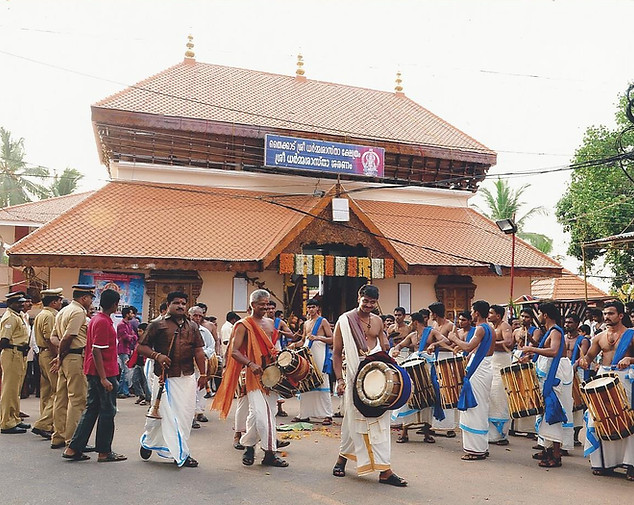
Sastha (Ayyappan) Temple
Sree Dharma Sastha Temple in Thycaud, Thiruvananthapuram, is a centuries-old shrine where the deity manifests as Dhanwanthari, the divine healer, holding the sacred blue lotus.
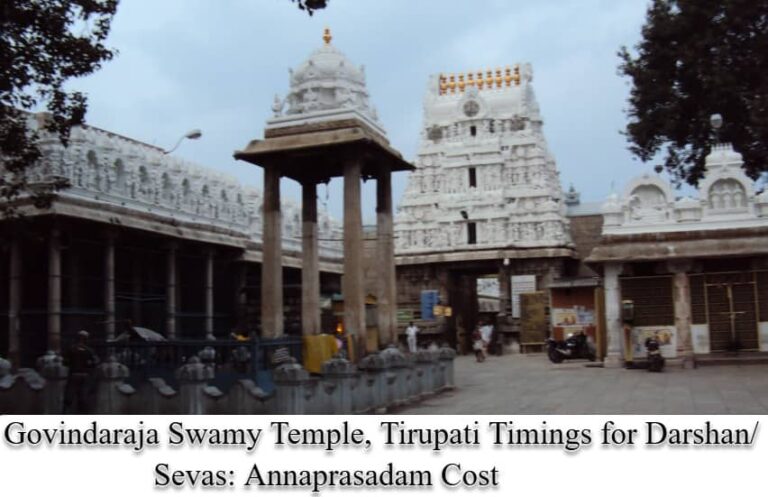
Govindarajaswamy Temple
Sri Govindarajaswamy Temple in Tirupati is an ancient Vaishnavaite shrine consecrated in 1130 AD by Saint Ramanuja, where the presiding deity rests in eternal Yoga Nidra on the serpent Adisesha.