
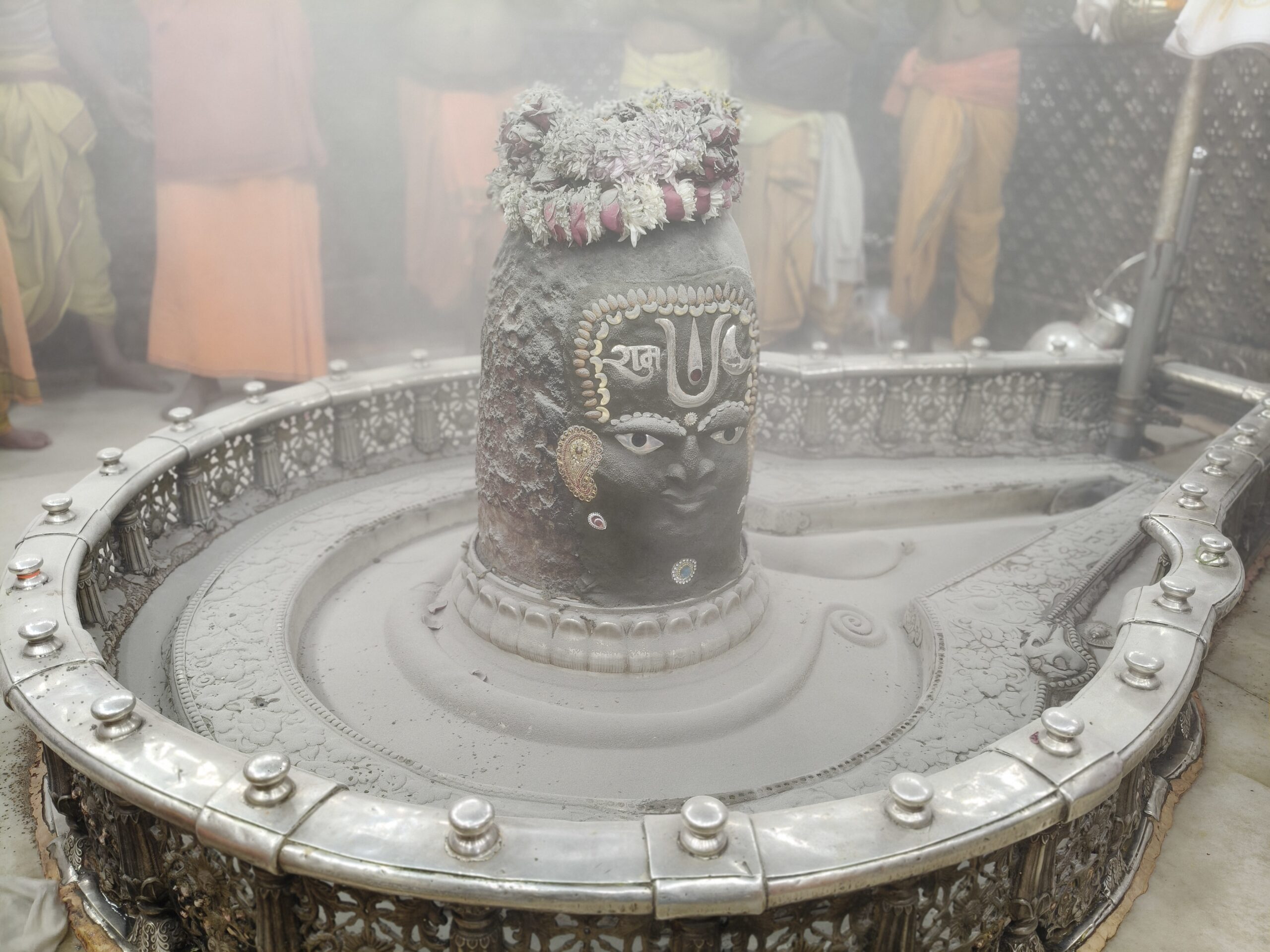
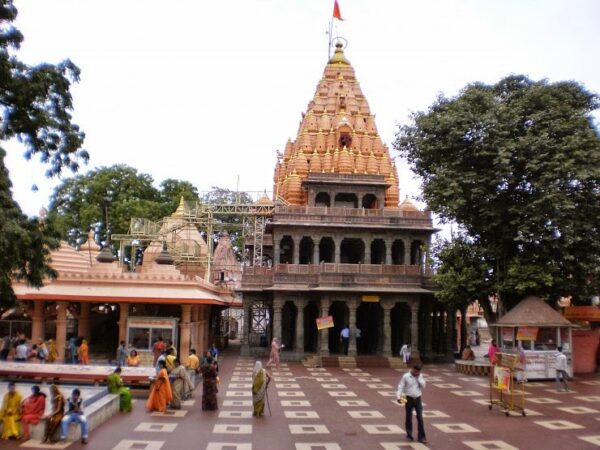
Mahakaleshwar Jyotirlinga
About Mahakaleshwar Jyotirlinga
The twelve Jyotirlingas represent a distinct category within Shiva worship, each considered a supreme dwelling place of the deity. Devotees undertake pilgrimages to these sites as acts of spiritual devotion, and visiting all twelve is regarded as a significant religious undertaking. Mahakaleshwar's inclusion in this circle reflects its standing within the broader landscape of Hindu sacred geography. The temple draws both local worshippers and pilgrims from across India and beyond who come to pay respects at this particular manifestation of Shiva.
Visiting the Temple
The temple is situated in Ujjain, accessible by road, rail, and air connections to Madhya Pradesh. Visitors should dress modestly, covering shoulders and knees, as is customary at Hindu temples. Footwear is typically removed before entering the inner sanctum. The temple follows daily worship schedules, though specific timings for darshan (viewing of the deity) should be confirmed locally, as these may vary seasonally or due to special observances.
Temples dedicated to Shiva typically maintain regular puja (worship) schedules throughout the day. Visitors are generally welcome to participate in or observe these rituals, though photography policies and access to certain areas may be restricted. It is advisable to check current guidelines upon arrival.
The River and the City
Ujjain's location on the Shipra river has shaped its religious character for centuries. The river itself is considered sacred, and bathing in its waters is a practice undertaken by many pilgrims. The temple's positioning on the riverbank allows visitors to combine worship at the shrine with ritual bathing, a common practice in Hindu pilgrimage traditions. The relationship between the temple and the river forms an integral part of the spiritual experience for those who visit.
Practical Information for Visitors
Before visiting, confirm current opening hours and any restrictions that may apply. The temple is located at coordinates 23.18277778, 75.76833333 in Ujjain, Madhya Pradesh. Nearby accommodation and facilities vary; Ujjain is an established pilgrimage destination with basic visitor infrastructure. The city is well-connected by road to other parts of Madhya Pradesh and neighboring states.
Visitors should be prepared for crowds, particularly during significant religious observances. Carrying minimal belongings is advisable, as storage facilities may be limited. Respectful behavior within the temple premises—maintaining silence in certain areas, following the direction of temple staff, and refraining from pointing at the deity—is expected and appreciated.
Worship and Devotion
Shiva worship at Jyotirlinga temples typically involves offerings of flowers, water, milk, and other items to the lingam. Many devotees perform circumambulation (pradakshina) around the sanctum as an act of reverence. The specific rituals and practices observed at Mahakaleshwar may include elements particular to the temple's tradition; these can be learned by observing other worshippers or by respectfully asking temple priests or volunteers.
The experience of visiting a Jyotirlinga is understood by devotees as spiritually significant in itself, independent of elaborate ritual participation. Simply being present before the deity, offering prayers, and receiving darshan constitute meaningful acts of worship for many pilgrims.
How to reach
Temples near Mahakaleshwar Jyotirlinga
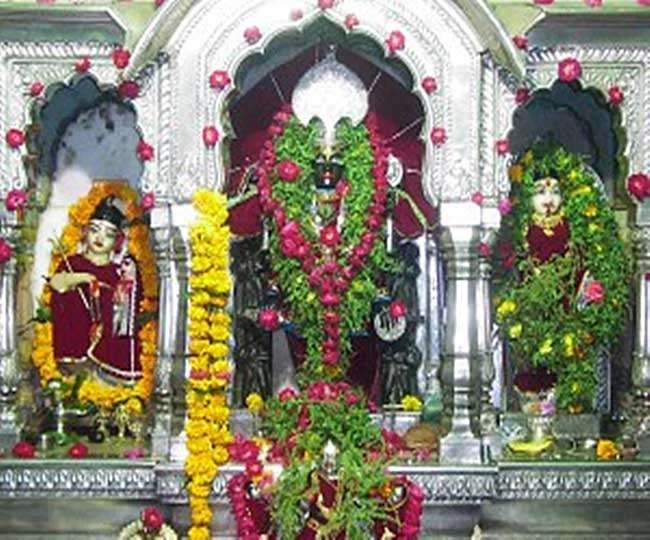
Gopal Mandir
Gopal Mandir, also known as Dwarkadhish Temple, is Ujjain's second-largest shrine dedicated to Lord Krishna, built in the 19th century by Maharani Bayzabai Scindia in Maratha ar…
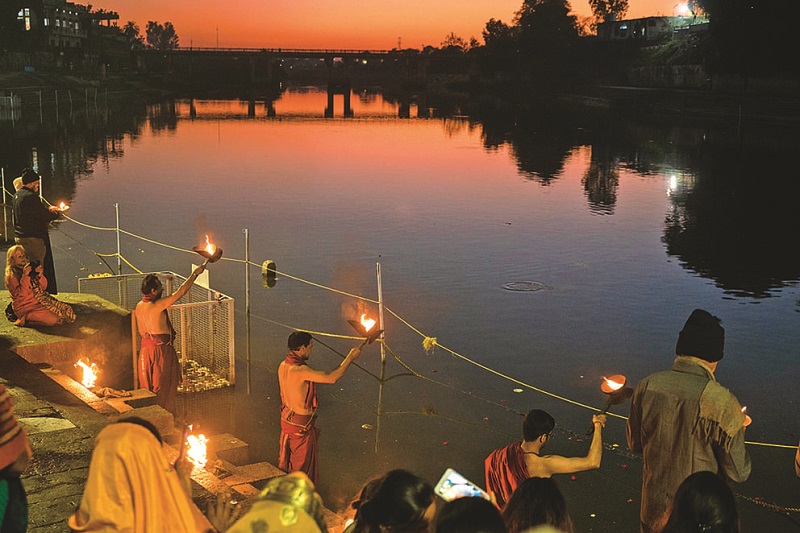
Ujjain - Banks of Shipra
The Shipra River ghats in Ujjain form the spiritual heart of this sacred city, hosting millions during the Simhastha Kumbh Mela and serving as the site of daily devotional ritua…
Maa Sheetla Temple
Maa Sheetla Temple in Ujjain is a Hindu shrine dedicated to the goddess Sheetla, located in the Nijatpura area of this sacred pilgrimage city.
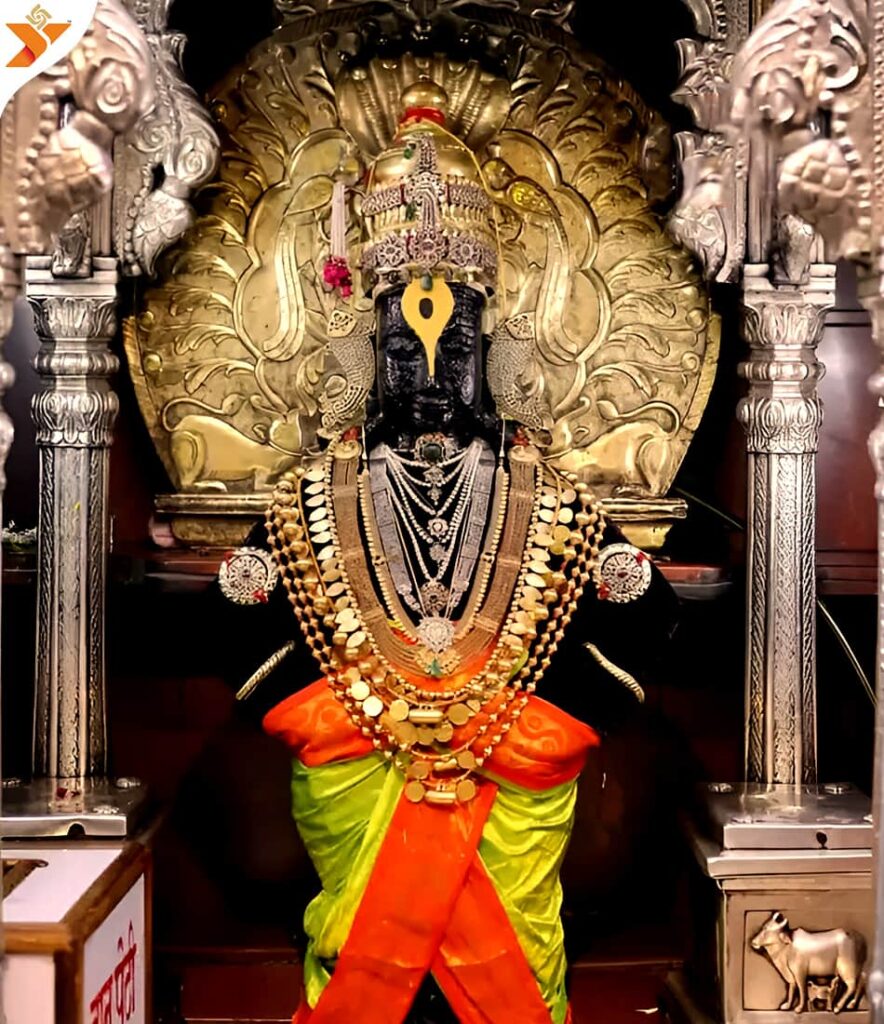
chamunda mata mandir
Chamunda Mata Mandir in Ujjain is a Shakti worship temple dedicated to Goddess Chamunda, celebrated especially during Navaratri when it draws pilgrims from across the region for…
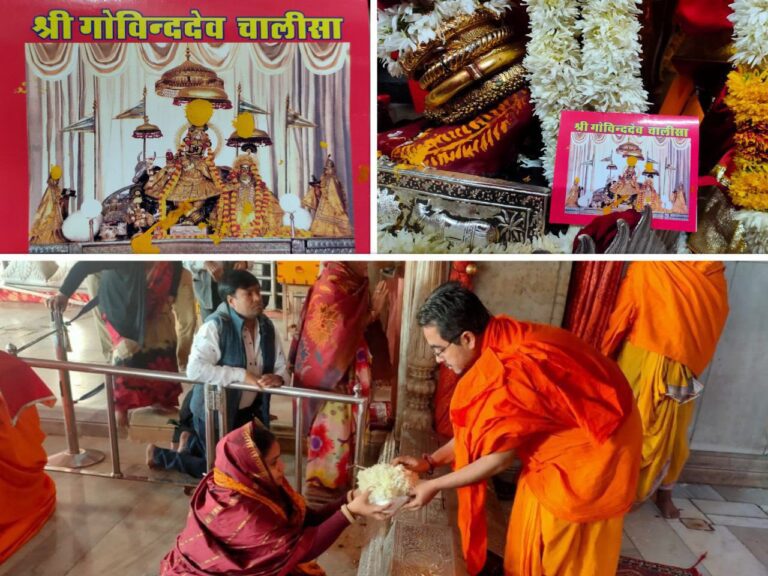
Sai temple
Sai Temple in Ujjain is a Hindu shrine dedicated to Sai devotion, operating daily from 4:00 AM to 11:00 PM with multiple aartis throughout the day.
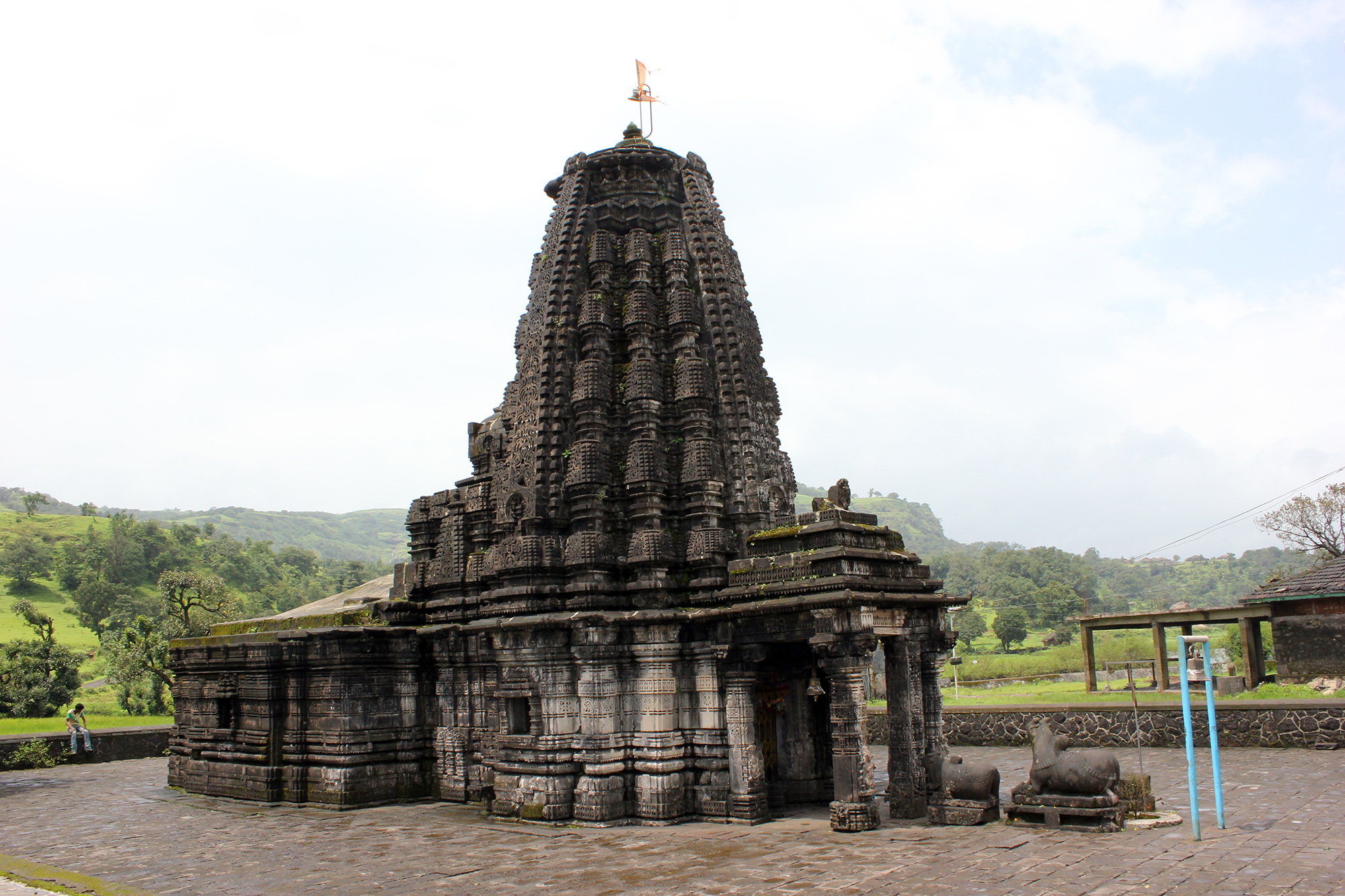
Siddhwat Temple
Siddhwat Temple, also known as Shaktibhed shrine, stands on the banks of the Shipra River in Bhairavgarh, Ujjain, and serves as one of the sacred sites where the Kumbh Mela is c…