
Ujjain - Banks of Shipra
About Ujjain - Banks of Shipra
The rhythm of worship at the Shipra follows the cycles of dawn and dusk. Morning bathing (Kshipra Snan) occurs between 5:00 and 7:30 AM, when devotees enter the river for ritual purification. This early-morning practice draws pilgrims seeking spiritual renewal through direct contact with the sacred waters. The morning hours offer a quieter, more meditative atmosphere compared to evening gatherings.
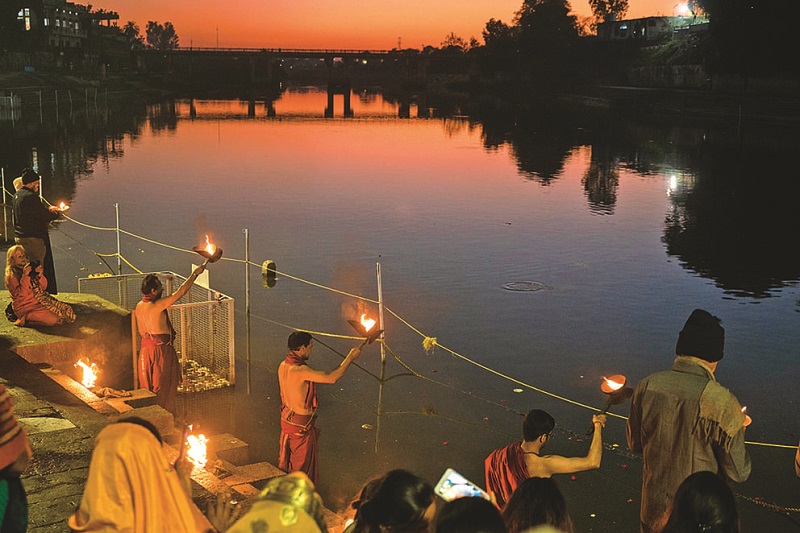
The Evening Shipra Aarti takes place daily from 6:30 to 7:15 PM at sunset, marking the most visible congregational ritual at the ghats. During this ceremony, lamps are offered to the river in a formal devotional act. Visitors planning to attend the aarti should arrive between 6:00 and 8:00 PM to secure a place and participate fully. The aarti draws both regular worshippers and tourists, creating a communal spiritual experience. Beyond these scheduled rituals, devotees also perform Pind Daan (ancestral offerings) and Diya Daan (lamp offerings) at various times throughout the day.
The Kumbh Mela and Major Festivals
The Shipra's most significant role emerges during the Simhastha Kumbh Mela, a massive pilgrimage gathering that transforms the riverbanks into a temporary city of millions. This festival occurs at intervals and draws devotees from across India and beyond for ritual bathing believed to carry exceptional spiritual merit. Beyond the Kumbh, the ghats remain active pilgrimage sites during Kartik Purnima and Somvati Amavasya, when specific lunar dates bring increased numbers of worshippers seeking the benefits of bathing and ritual observance at these sacred waters.
Practical Information for Visitors
The Shipra ghats lie approximately one kilometre from Mahakaleshwar Temple, accessible by a ten-minute walk via Harsiddhi Marg. The ghats themselves require no entry fee and remain open throughout the day, though the scheduled ritual times (5:00–7:30 AM for morning bathing and 6:00–8:00 PM for evening aarti) offer the most structured devotional experience. Visitors should wear modest clothing appropriate for a sacred bathing site; many pilgrims bring a change of clothes for ritual immersion. The stone steps can be slippery, particularly in monsoon season, so sturdy footwear is advisable even though shoes are typically removed before entering the water.
Basic facilities exist at the ghats, though amenities remain limited compared to urban areas. Visitors should bring their own towels and any personal items needed. The riverbanks can become crowded during peak hours and festival periods, so arriving early provides a more comfortable experience. Local guides and priests are available at the ghats for those seeking assistance with specific rituals or wanting to understand the significance of particular locations.
Etiquette and Spiritual Practice
Visitors to the Shipra should approach the space with reverence appropriate to a major pilgrimage site. Photography is generally permitted, though some devotees prefer not to be photographed during ritual bathing; discretion is respectful. The waters are considered sacred, so entering with sincere devotional intent rather than casual curiosity aligns with the site's spiritual purpose. Those unfamiliar with bathing rituals may observe others or ask local priests for guidance on proper practice.
The ghats attract ascetics, sadhus, and long-term residents alongside pilgrims, creating a diverse spiritual community. Respectful interaction with these practitioners enriches the visitor's understanding of the site's living traditions.
How to reach



Temples near Ujjain - Banks of Shipra
Gopal Mandir
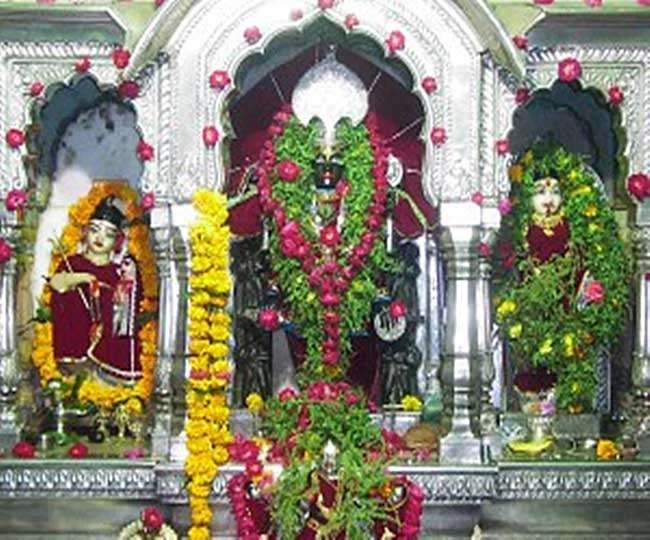
Gopal Mandir, also known as Dwarkadhish Temple, is Ujjain's second-largest shrine dedicated to Lord Krishna, built in the 19th century by Maharani Bayzabai Scindia in Maratha ar…

Mahakaleshwar Jyotirlinga
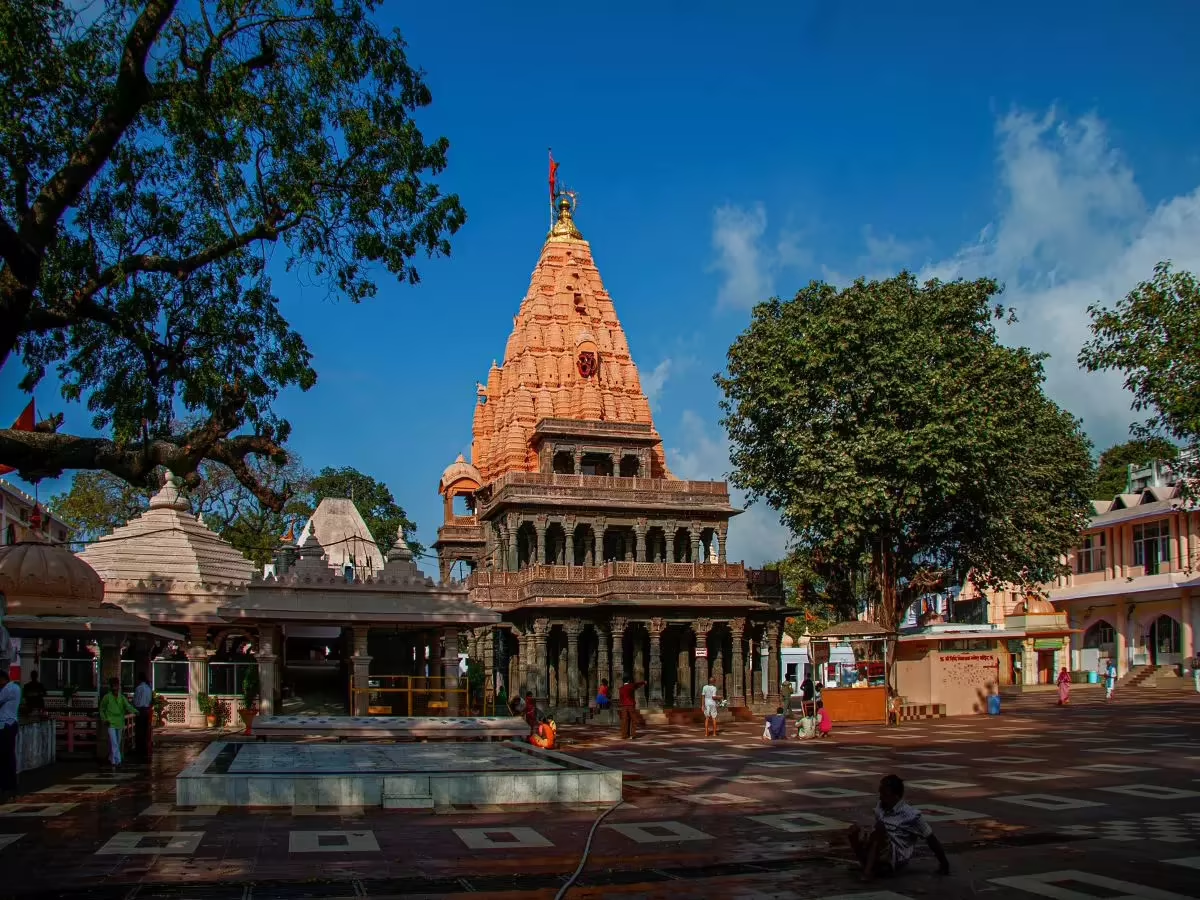
Mahakaleshwar Jyotirlinga in Ujjain is one of the twelve most sacred shrines of Shiva, where the presiding deity in lingam form is believed to be self-manifested and derives spi…
Maa Sheetla Temple
Maa Sheetla Temple in Ujjain is a Hindu shrine dedicated to the goddess Sheetla, located in the Nijatpura area of this sacred pilgrimage city.
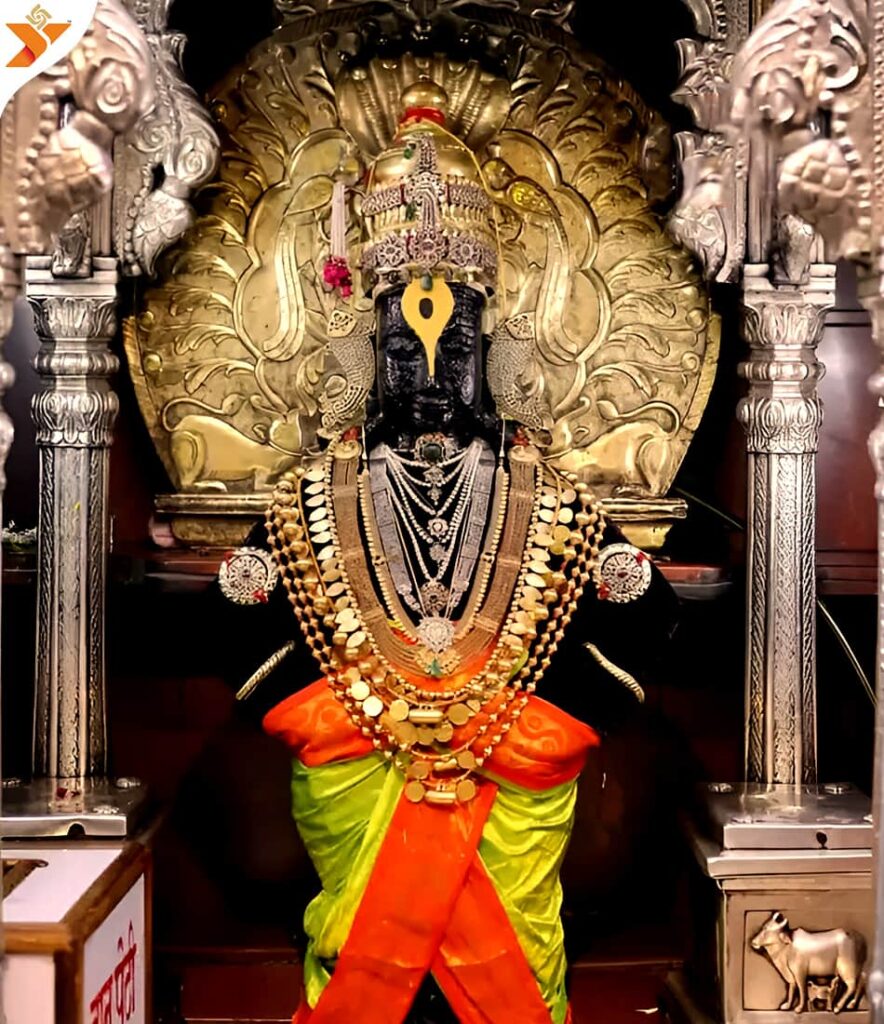
chamunda mata mandir
Chamunda Mata Mandir in Ujjain is a Shakti worship temple dedicated to Goddess Chamunda, celebrated especially during Navaratri when it draws pilgrims from across the region for…
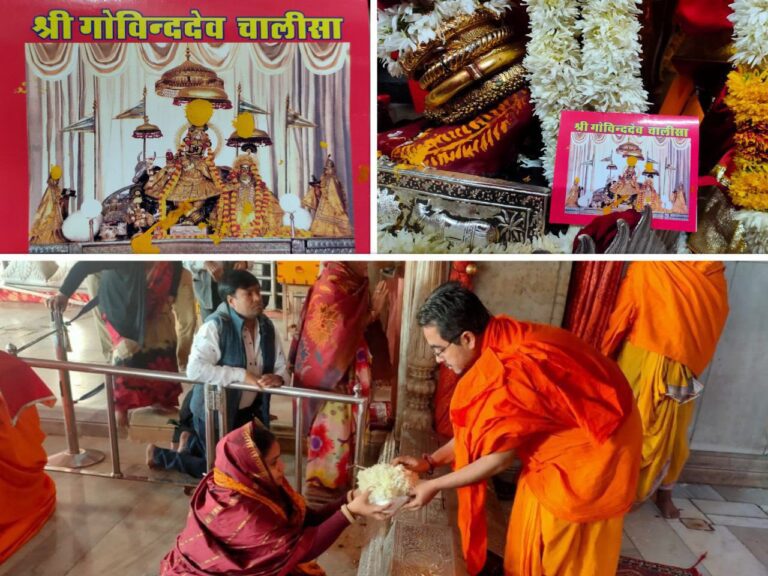
Sai temple
Sai Temple in Ujjain is a Hindu shrine dedicated to Sai devotion, operating daily from 4:00 AM to 11:00 PM with multiple aartis throughout the day.
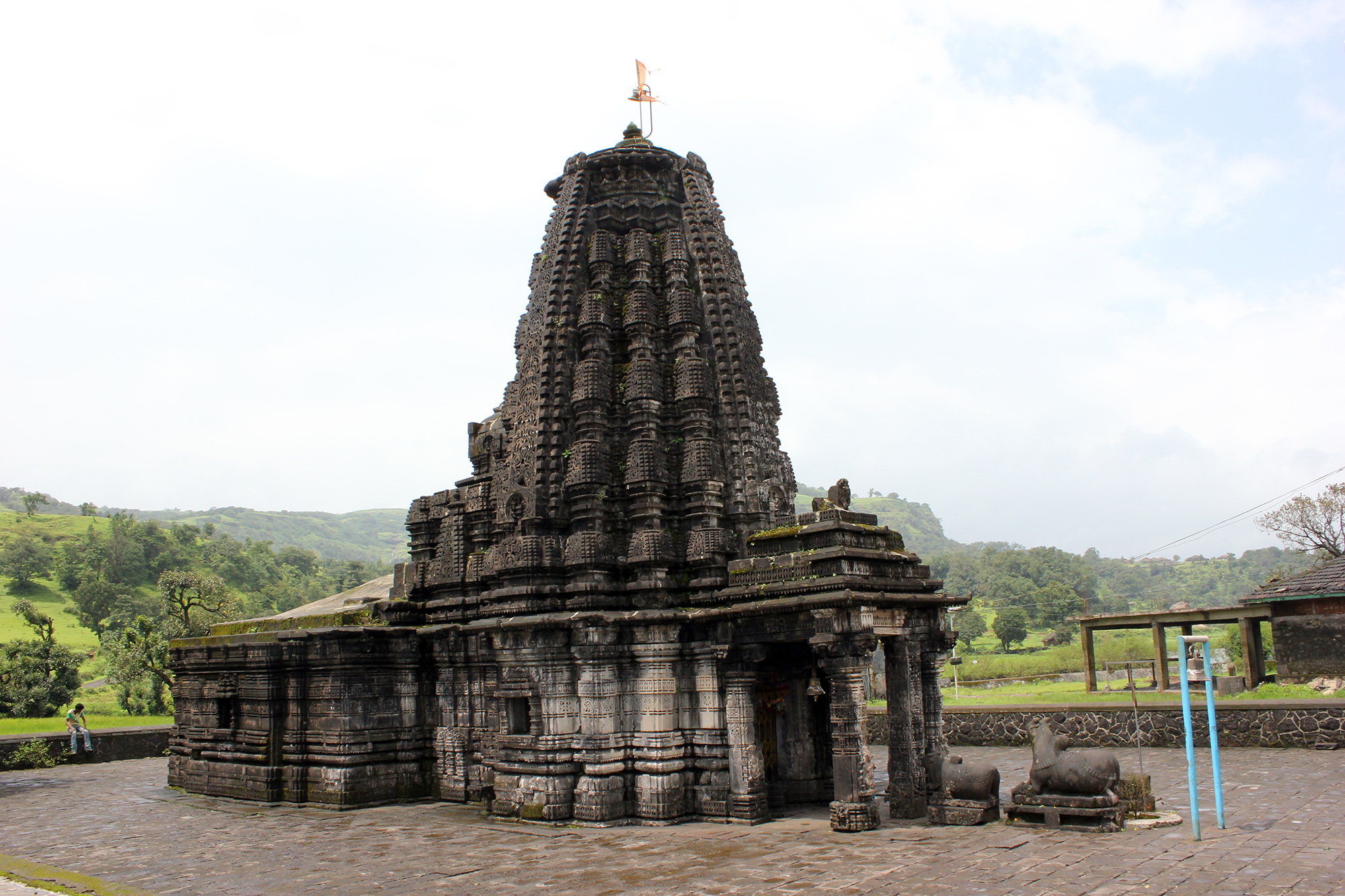
Siddhwat Temple
Siddhwat Temple, also known as Shaktibhed shrine, stands on the banks of the Shipra River in Bhairavgarh, Ujjain, and serves as one of the sacred sites where the Kumbh Mela is c…