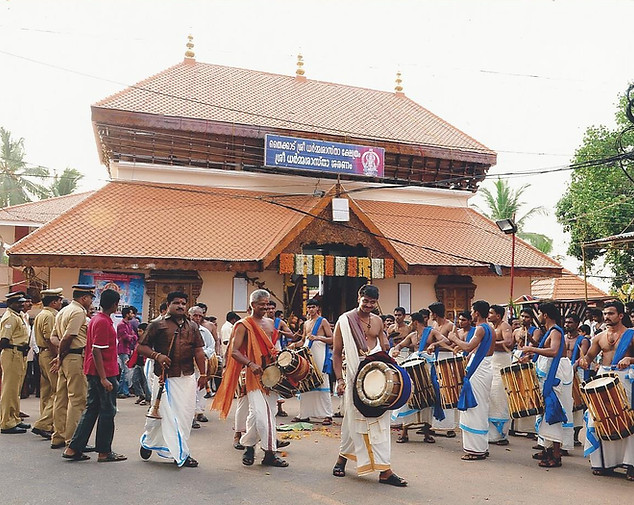
Bhubaneswari Temple
About Bhubaneswari Temple
The temple is situated in Rajnagar, Tripura, at coordinates 23.529°N, 91.505°E. Rajnagar lies within Tripura's geography, and the temple's location near the historical palace grounds makes it a point of interest for those exploring the region's heritage sites. Visitors planning to reach the temple should note its position within the town and plan their approach accordingly. Local transportation within Rajnagar can be used to access the temple from nearby areas.
Visiting the Temple
Specific information about the temple's daily timings, entry procedures, and visitor facilities is not documented in available sources. Visitors are advised to make local inquiries upon arrival in Rajnagar to confirm current opening hours and any customs observed at the shrine. As with most Hindu temples, modest dress is typically expected—covering shoulders and knees is customary. Shoes are generally removed before entering the inner sanctum, and visitors should approach the deity with respect and quiet demeanor.
The primary deity worshipped at the temple is not specified in available records. Without this information, visitors should be prepared to observe general temple etiquette: circumambulation of the shrine in a clockwise direction, acceptance of prasad (blessed offerings) if distributed, and participation in darshan (viewing of the deity) according to the temple's practices.
Religious Significance
As a Hindu temple established in the 17th century, Bhubaneswari Temple represents the continuity of worship and devotional practice in Tripura during the early modern period. The temple's construction during the reign of Maharaja Govinda Manikya suggests royal patronage of Hindu religious institutions, a pattern common among rulers of the region. The temple's survival and continued use indicate its sustained importance to the local community of devotees.
The temple's mention in Tagore's work suggests it held cultural significance beyond its immediate locality, recognized by one of the subcontinent's most influential modern thinkers. This literary connection has preserved the temple's memory in broader cultural discourse.
The Temple Landscape
Bhubaneswari Temple occupies a historically layered setting. Its construction adjacent to the palace of Maharaja Govinda Manikya places it within a zone of royal and religious authority. The relationship between temple and palace reflects patterns of Hindu kingship in which rulers supported religious institutions as expressions of piety and governance. The temple thus stands as part of a larger architectural and social complex that shaped Rajnagar's development.
Over the centuries, the immediate surroundings of the temple have likely changed, but its position within Rajnagar's urban fabric remains a marker of the town's historical core. The temple building itself, dating to the late 17th century, represents the architectural conventions of Hindu temple construction during that period in eastern India.
Planning Your Visit
Before traveling to Bhubaneswari Temple, contact local sources in Rajnagar or Tripura tourism offices for current information about access, timings, and any special observances. The temple's age means that facilities may be modest; visitors should come prepared with water and sun protection. Photography policies should be confirmed on arrival, as many temples restrict image-making in certain areas.
The best approach is to visit with an open mind and respect for the space as an active place of worship. Local residents and temple staff can provide guidance on proper conduct and answer questions about the shrine's practices and history.
How to reach
Temples near Bhubaneswari Temple
Tripura Sundari Temple
Tripura Sundari Temple in Udaipur is one of India's 51 sacred Shakti Peethas, revered as the holiest Hindu shrine in Northeast India after Kamakhya Temple, where the right foot…

Chaturdasha Temple
Chaturdasha Temple in Agartala, Tripura, is dedicated to fourteen deities collectively known as Chaturdasha Devata. The temple features distinctive Tripuri dome architecture inf…

Lakshmi Narayan Temple, Agartala
Lakshmi Narayan Temple in Agartala is a revered Hindu shrine dedicated to Lord Vishnu and Goddess Lakshmi, located within the Ujjayanta Palace grounds and founded by King Birend…
Agartala Jagannath Mandir
The Jagannath Temple in Agartala, situated within the Ujjayanta Palace grounds, is a 19th-century shrine dedicated to Lord Jagannath, Balabhadra, and Subhadra, built by the Maha…
Kasbeswari Kali Mata
Kasbeswari Kali Mata Temple sits on a hilltop overlooking Kamalasagar Lake in Tripura's Sipahijala District, near the India–Bangladesh border, and is one of the region's most vi…
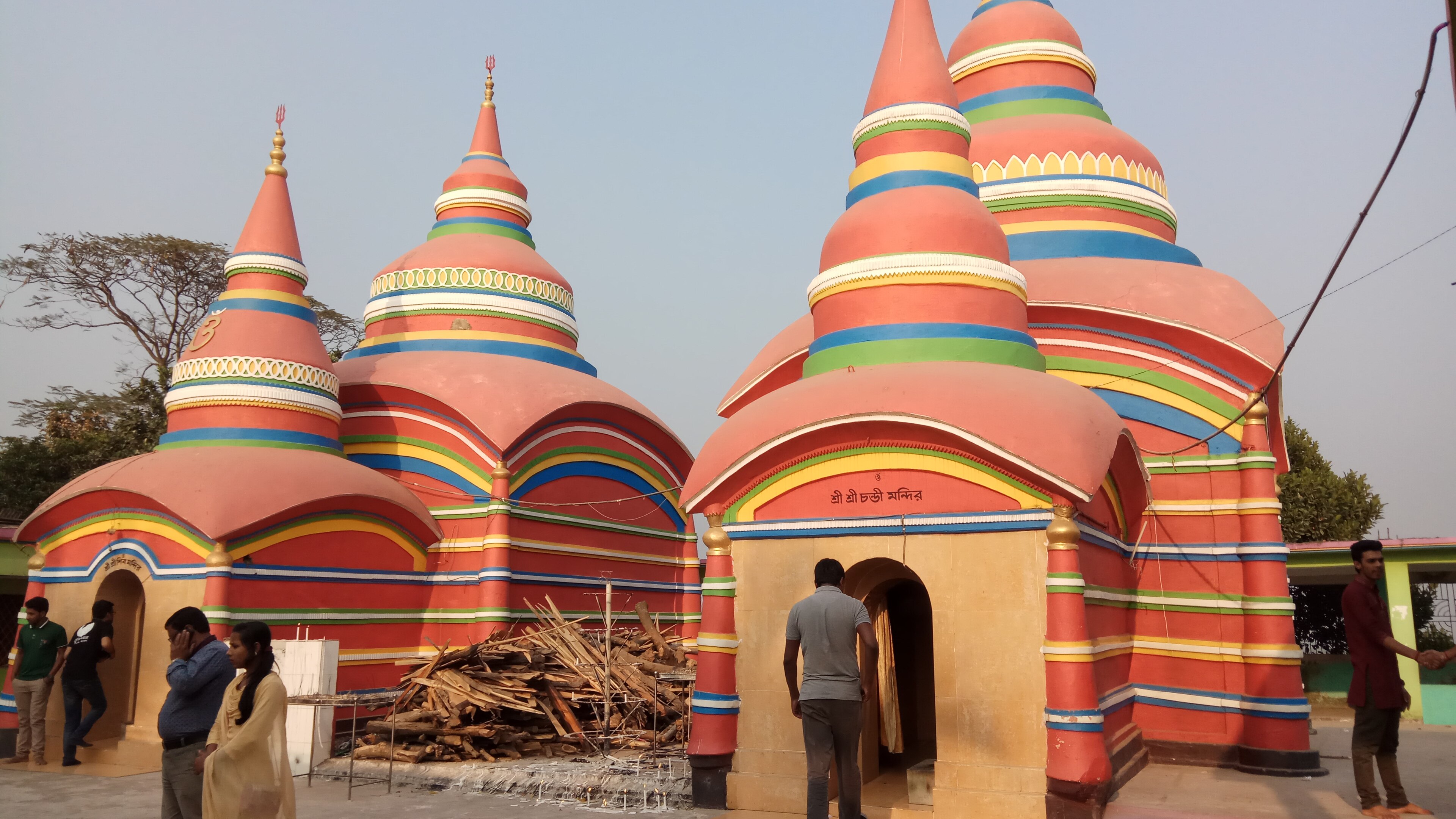
Lalmai Chandi Temple
Lalmai Chandi Temple is an ancient Hindu shrine dedicated to Goddess Kali, perched atop Lalmai hill in Barura Upazila, Comilla District, Bangladesh, with a nearby Shiva temple c…