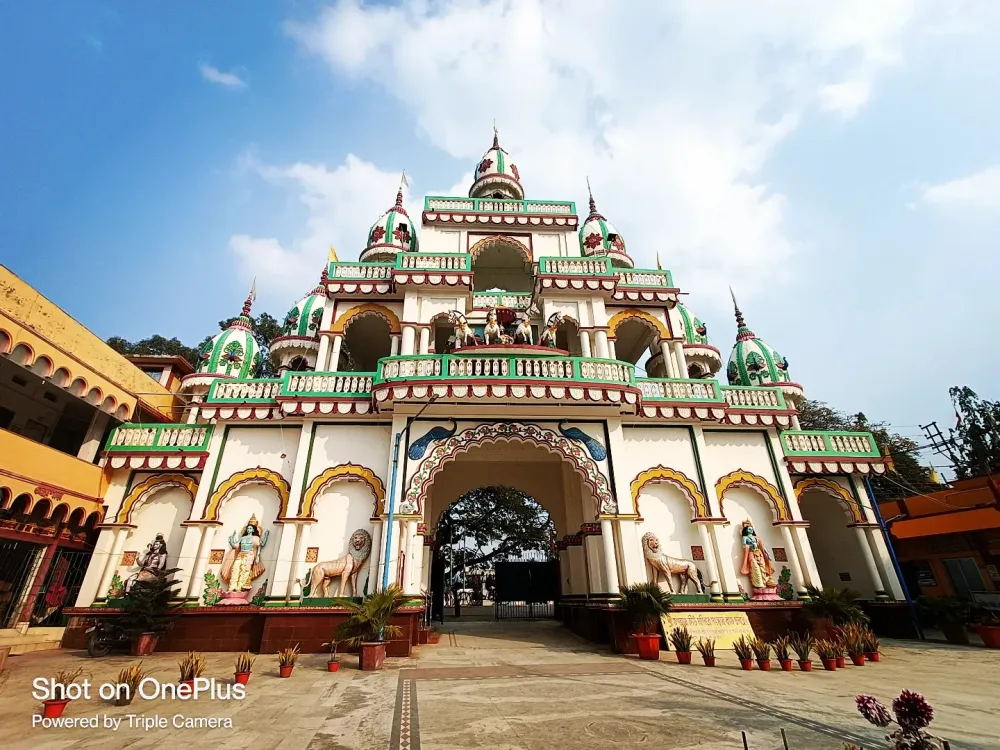

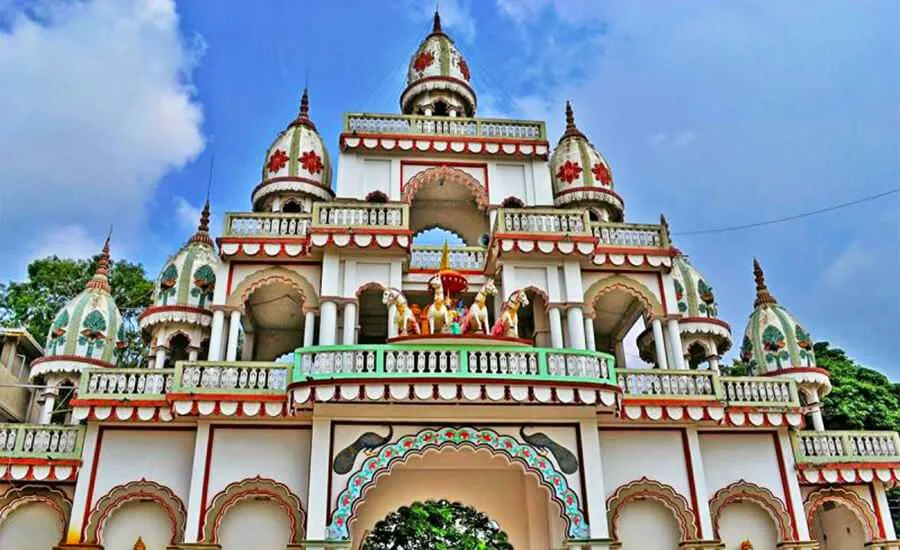
Agartala Jagannath Mandir
About Agartala Jagannath Mandir
The temple maintains a structured schedule of worship throughout the day. Morning devotions begin at 04:00, with the Mangala Alati (the first aarti of the day) performed at 05:00. The Mailam follows at 06:00, succeeded by the Gopala Ballava Pooja at 09:00 and the Madhyanha Dhupa at 11:00. The temple remains open to visitors during morning hours until 14:00, then reopens in the evening from 16:00 until 21:00.
Devotees seeking darshan should plan their visits around these timings, keeping in mind that the temple may close briefly during afternoon hours for rituals. The multiple daily aartis provide different opportunities for worship, with each ceremony marking distinct moments in the temple's liturgical day.
Visiting Information and Etiquette
Entry to the temple is free for both Indian nationals and foreign visitors. Photography may incur additional charges within the premises, so visitors should inquire at the entrance. Modest dress is expected; visitors should wear clothing that covers shoulders and knees as a mark of respect within the sacred space.
The temple is located at Krishna Nagar in the Palace Compound, Agartala, Tripura. Those arriving by air can use Maharaja Bir Bikram Airport, approximately 11 kilometres away. The Agartala Railway Station lies about 3 kilometres from the temple, making it accessible by train as well. Visitors should allow time for the journey from transport hubs to the temple site.
Best Time to Visit
The months from October through March offer the most favourable conditions for visiting. During this period, the weather in Agartala is cooler and more comfortable for temple visits. The region experiences its dry season during these months, making travel and outdoor activities more pleasant. Visitors planning their pilgrimage should consider scheduling their visit within this window for optimal conditions.
Festivals and Observances
The temple observes several festivals throughout the year. Kharchi Puja, celebrated in July, and Garia Puja, held in April, are significant observances in the regional calendar. The Orange Festival in November also marks a notable time in Agartala's cultural calendar. These festivals draw devotees and visitors, though specific details about the temple's particular celebrations of these occasions are not documented in available sources.
Practical Considerations
Visitors should note that the temple's afternoon closure for rituals means that those wishing to attend specific aartis or ceremonies should arrive during the designated open hours. The early morning timings—with worship beginning at 04:00 and the first aarti at 05:00—suit those prepared for an early start. Evening visits between 16:00 and 21:00 offer an alternative for those unable to visit in the morning.
The temple's integration into the palace grounds means visitors may wish to explore the broader Ujjayanta Palace complex during their visit, though access and visiting arrangements for the palace itself should be confirmed separately. Respectful behaviour, appropriate dress, and awareness of active worship times will ensure a meaningful visit to this 19th-century shrine.
How to reach

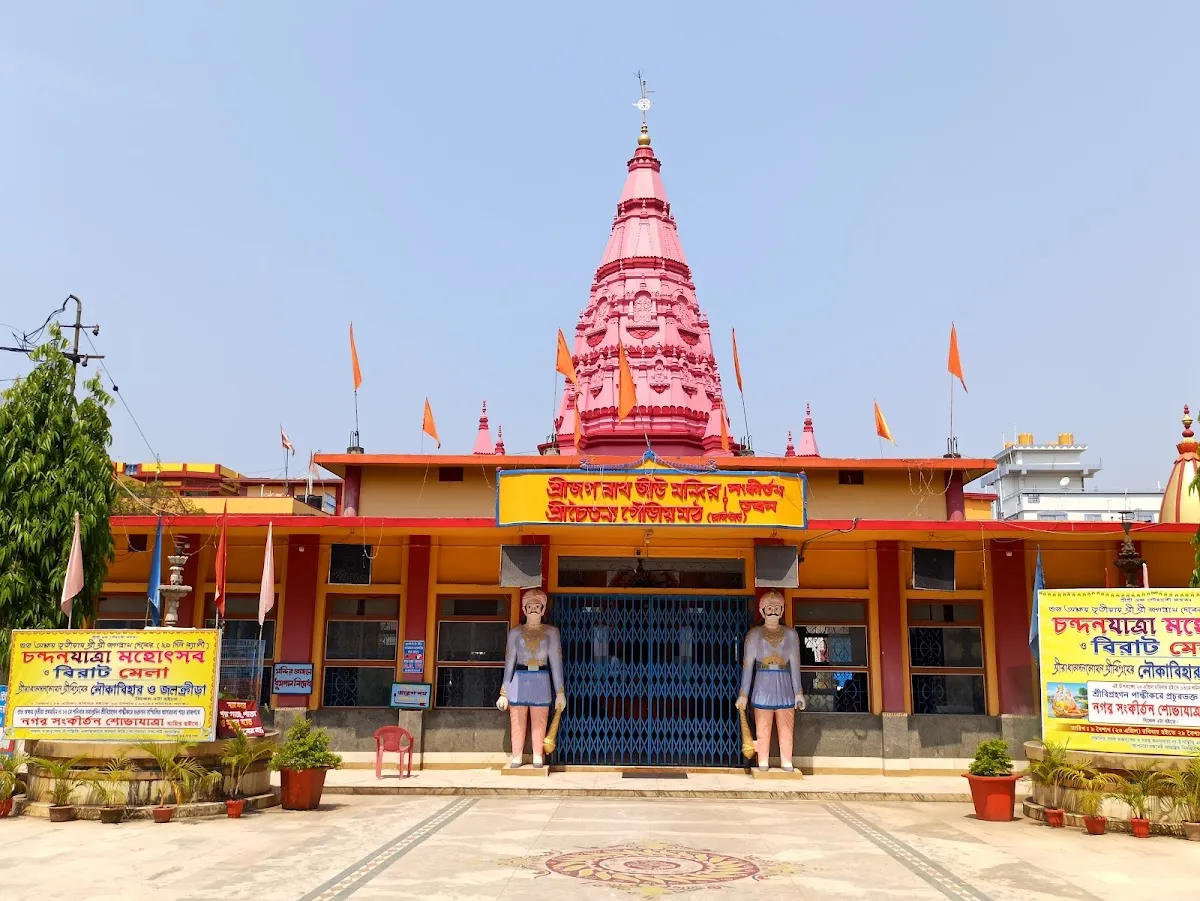
You may also visit
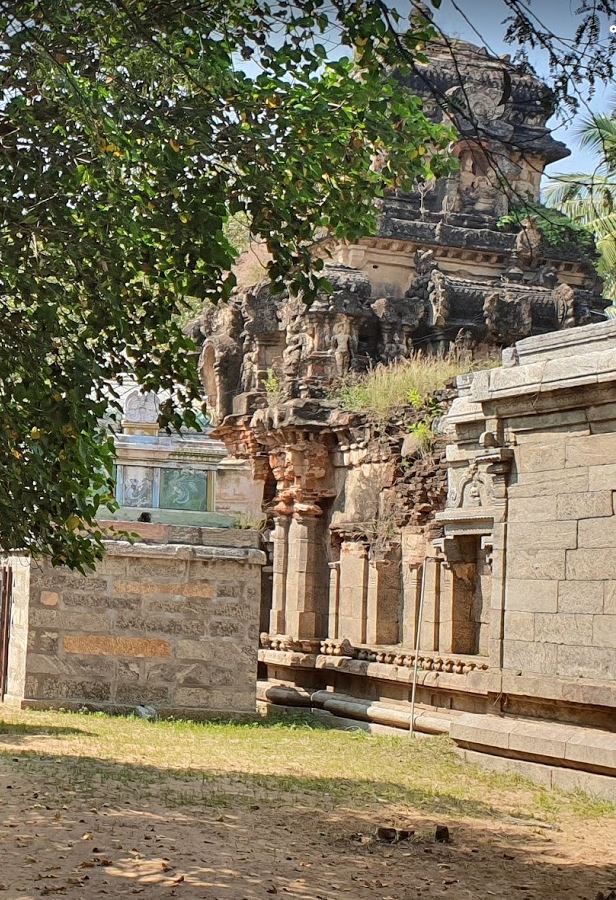
Agatheeswarar Temple, Karur
Agatheeswarar Temple in Thirumukkudalur, Karur district, is an ancient Hindu shrine dedicated to Shiva, situated at the sacred confluence of three rivers and believed to be over 1000 years old.
Kalyanji Temple
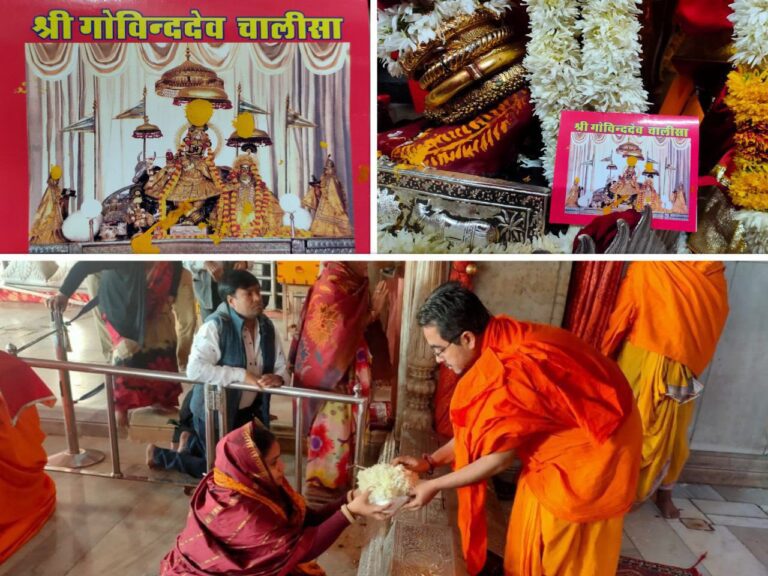
Kalyanji Temple in Jaipur's Chandpol Bazaar is an ancient Krishna shrine established in the 1820s, renowned for its seven daily aartis and special avatar darshan ceremonies during Akha Teej and Patottsav festivals.
Rani Sati Mandir Mahuda
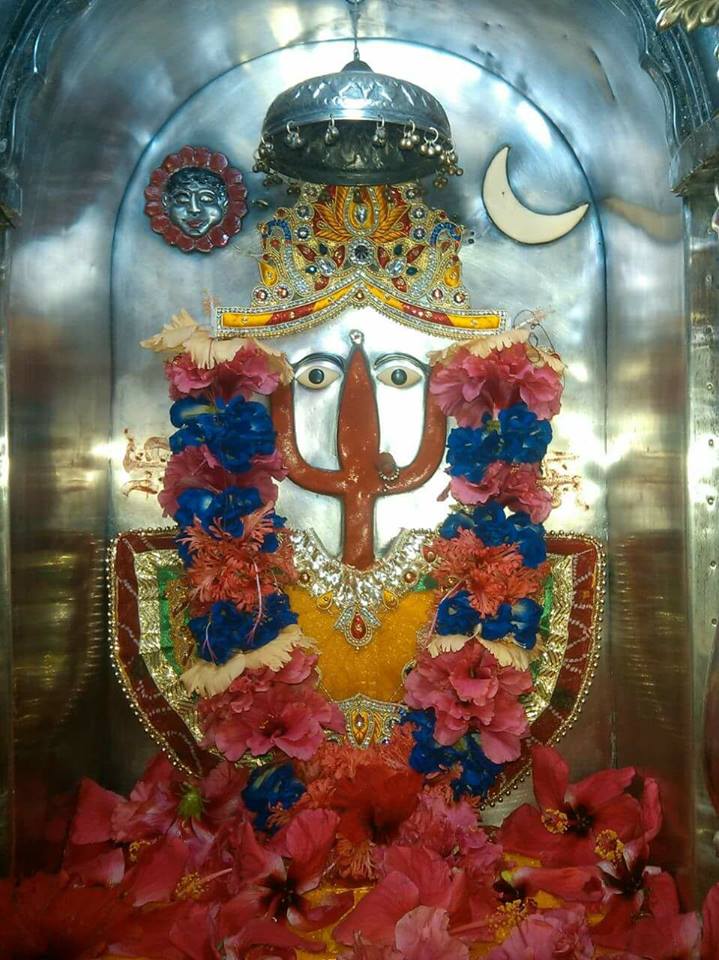
Rani Sati Mandir in Mahuda, Dhanbad District, is a Hindu temple established in 1992 that serves as a spiritual center for the local community and attracts devotees seeking blessings.