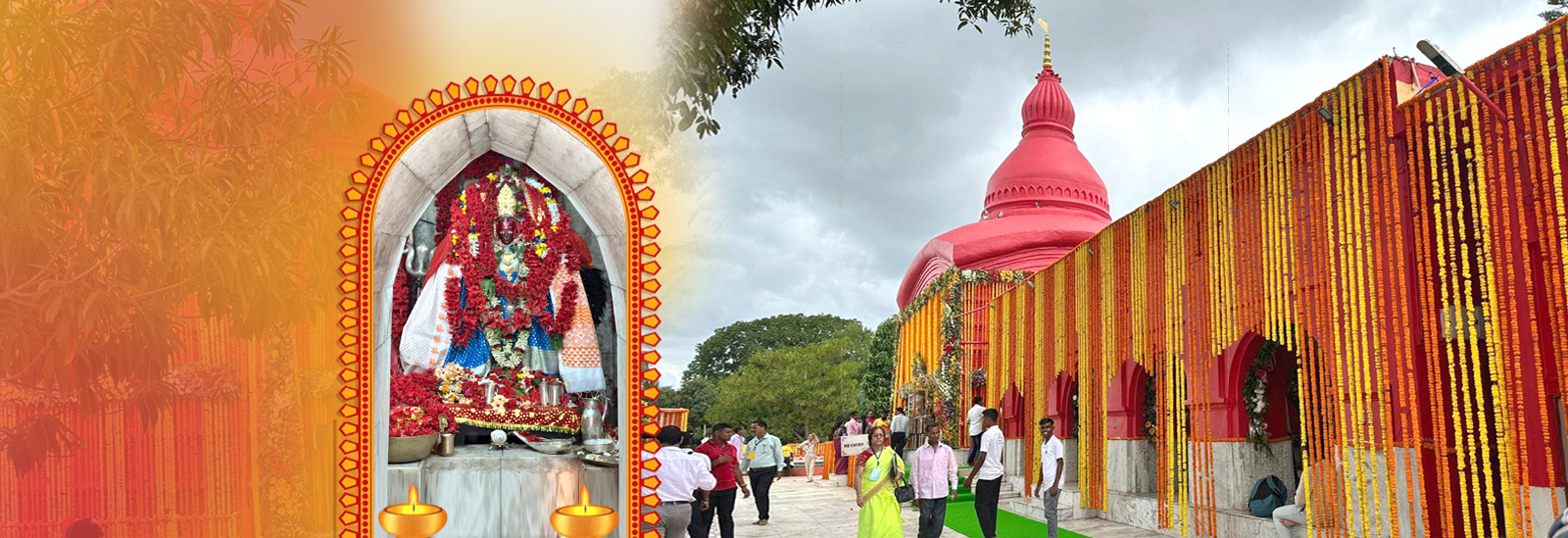
Tripura Sundari Temple
About Tripura Sundari Temple
The temple was established in 1501, making it over five centuries old. The sources do not provide detailed architectural descriptions beyond the tortoise-hump formation of the hillock itself. The temple complex includes a sanctum sanctorum where the deity is housed, and the site has undergone development initiatives in recent years. An architectural rendering exists for a proposed expanded temple complex, indicating ongoing plans for the shrine's future.
Daily Worship and Darshan
The temple operates daily from 6:00 AM to 8:00 PM, with darshan (viewing of the deity) available in two sessions: morning from 6:00 AM to 1:00 PM and evening from 3:00 PM to 8:00 PM. The temple closes between 1:00 PM and 3:00 PM for rituals and maintenance. General darshan is free for all visitors.
Throughout the day, multiple aartis (ritual worship with lamps) structure the rhythm of worship. The Mangal Arati and Balya Bhog begin at 4:00 AM, followed by the Praat Aarti at 6:30 AM. Mayer Snan (ritual bathing of the goddess) occurs at 8:00 AM, with Mayer Puja Arambha (commencement of the main worship) at 9:30 AM. The Madhyanha Aarti takes place at 12:30 PM, and the Sandhya Aarti (evening worship) at 6:30 PM. The day concludes with Sheetal Bhog at 9:30 PM and Mayer Nidra (the goddess's rest) at 10:00 PM. Visitors wishing to participate in specific rituals should plan their visit accordingly.
Special pujas and sevas (ritual offerings) are available throughout the day. Kumkumarchana (flower offerings with vermilion) can be performed at various price points, and abhishekam (ritual bathing of the deity) is offered in the morning hours. Annabhog (blessed food offering) is distributed manually from 8:00 AM to 10:00 AM.
Major Festivals
The temple observes several significant festivals that draw large numbers of pilgrims. Durga Puja, celebrated over five days as part of the broader Navratri festival season, is observed in grand style in September or October. Kali Puja, celebrated in October or November, is a major festival in Bengali and Tripura traditions and attracts very high crowds. Poila Boishakh, the Bengali New Year celebrated in April, draws moderate crowds. Additionally, Diwali Mela (the festival of lights) is organized annually at the temple. Since festival dates follow the Hindu lunar calendar, visitors should verify exact dates with the temple before planning a visit during these periods.
Planning Your Visit
The best times to visit for a balanced experience are October through November for Kali Puja observances and September through October for Durga Puja, though these periods also see the highest crowds. April offers a quieter alternative during Poila Boishakh celebrations. Visitors should note the midday closure between 1:00 PM and 3:00 PM and plan their darshan accordingly.
General etiquette for Hindu temples applies: visitors should dress modestly and respectfully, remove footwear before entering the sanctum, and follow the guidance of temple staff. Donations support the temple's maintenance and operations, and online donation facilities are available through the temple's official channels.
How to Reach
Tripura Sundari Temple is located at Matabari, Udaipur, Tripura 799120, approximately 55 km from Agartala. The temple can be reached by train and road from Agartala. The coordinates are 23.50888888888889°N, 91.49805555555555°E.
How to reach
You may also visit
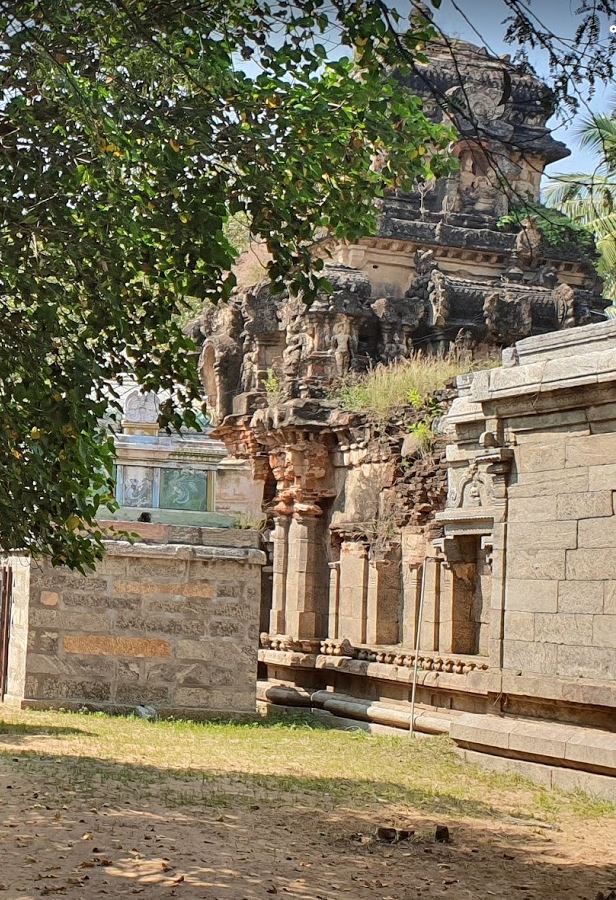
Agatheeswarar Temple, Karur
Agatheeswarar Temple in Thirumukkudalur, Karur district, is an ancient Hindu shrine dedicated to Shiva, situated at the sacred confluence of three rivers and believed to be over 1000 years old.
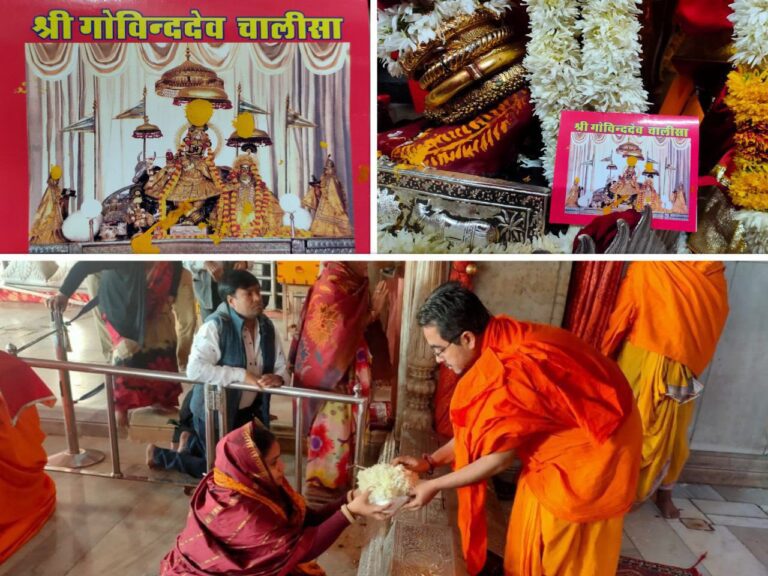
Kalyanji Temple
Kalyanji Temple in Jaipur's Chandpol Bazaar is an ancient Krishna shrine established in the 1820s, renowned for its seven daily aartis and special avatar darshan ceremonies during Akha Teej and Patottsav festivals.
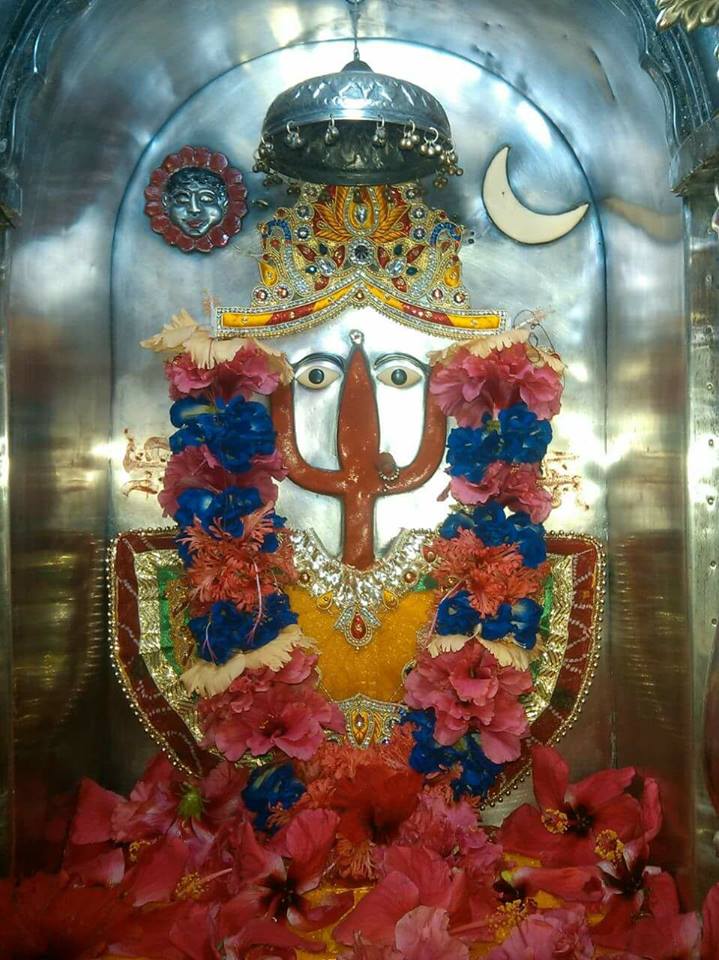
Rani Sati Mandir Mahuda
Rani Sati Mandir in Mahuda, Dhanbad District, is a Hindu temple established in 1992 that serves as a spiritual center for the local community and attracts devotees seeking blessings.