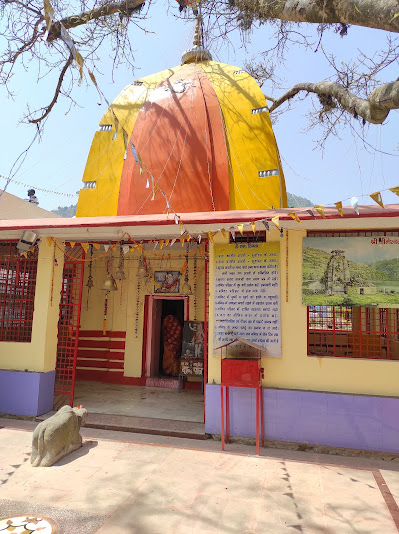
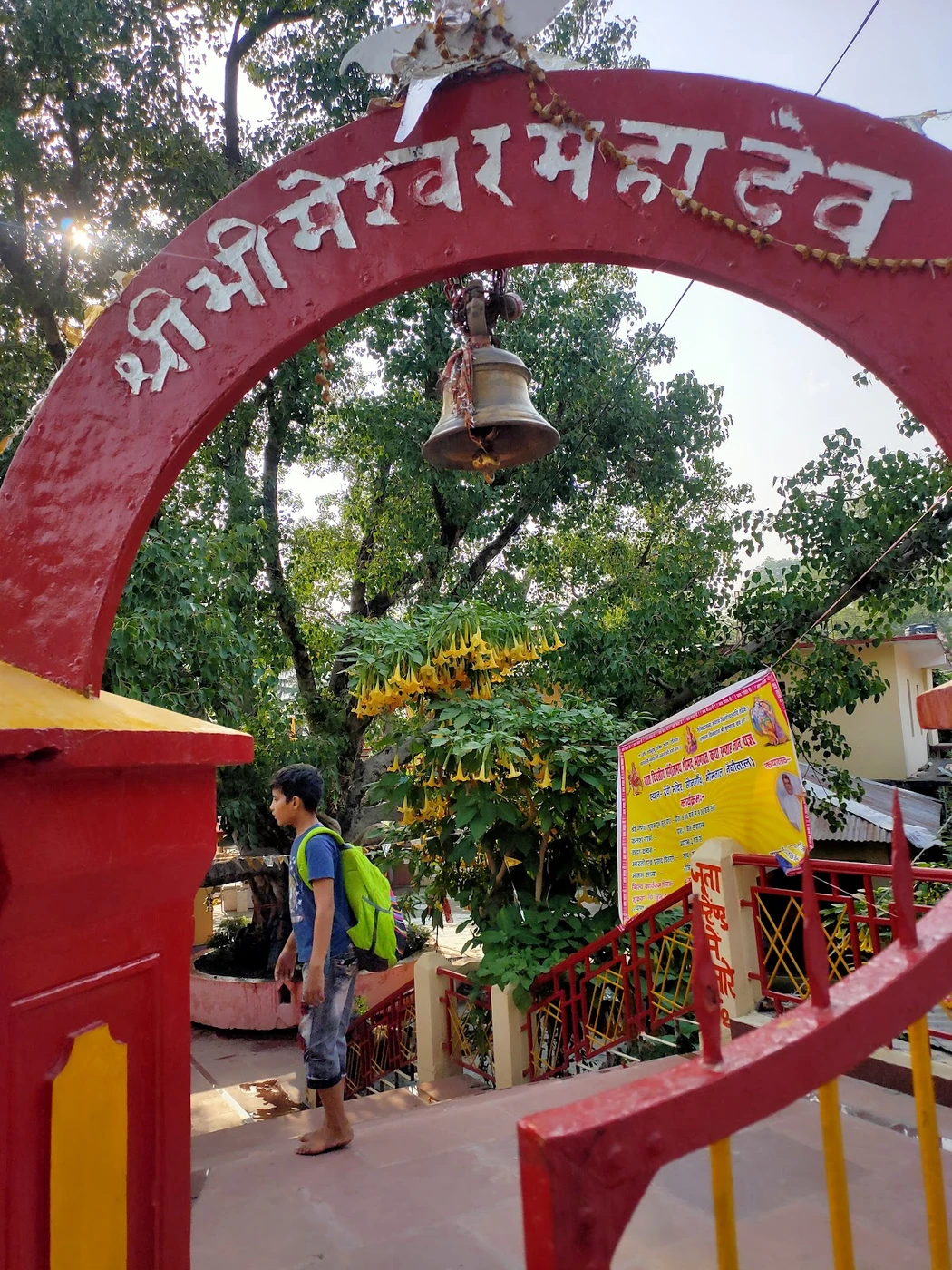
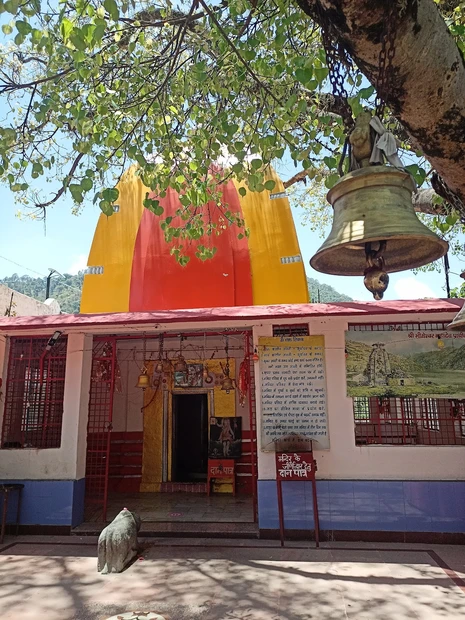
Bhimeshwar Mahadev Temple
About Bhimeshwar Mahadev Temple
According to local tradition, Bhima—the second of the five Pandava brothers—established this temple during the period of exile described in Hindu epics. The act of founding a shrine to Shiva is presented as an expression of devotion and a request for divine blessing. This connection to the Pandavas anchors the temple within the broader narrative world of the Mahabharata, lending it a place in the sacred geography of Uttarakhand. Whether understood as historical fact or spiritual legend, this association has shaped how pilgrims approach the temple and what they seek there.
Daily Worship and Darshan
The temple opens for darshan from 05:00 to 21:00 each day, allowing devotees to visit across a wide window of hours. A morning aarti—the ritual of offering light to the deity—takes place in the early hours, drawing those who wish to participate in this foundational act of worship. During peak seasons, visitors may experience wait times of thirty minutes to an hour before entering the sanctum. Those planning to attend the morning aarti should arrive early to secure a place and to experience the temple during its quietest and most contemplative hours.
Auspicious Times and Festivals
Spring and autumn bring the most favorable weather for visiting. Two periods hold particular spiritual significance: Mahashivratri, which falls in February or March, and Shravan Maas, the lunar month dedicated to Shiva worship. During these times, the temple draws larger numbers of devotees, and the atmosphere becomes charged with collective devotion. Mahashivratri in particular transforms the temple into a gathering place for those honoring Shiva through night-long vigils and prayer. Pilgrims planning a visit during these festivals should prepare for crowded conditions and plan accordingly.
Visiting the Temple: Practical Information
Access to the sanctum requires climbing steps that lead upward toward the shrine—a physical ascent that mirrors the spiritual journey many undertake. Visitors with mobility limitations may find these steps challenging. Parking is available near the temple grounds. The temple's proximity to Bhimtal Lake offers an additional dimension to a visit: many pilgrims take a ritual bath in the lake's waters, which are believed to purify the soul, before or after darshan. The surrounding landscape provides space for quiet reflection and connection with the natural environment.
Dress modestly when visiting, as is customary at Hindu temples. Remove footwear before entering the inner sanctum. Approach the deity with respect and a focused mind. Photography policies may restrict image-taking in certain areas; observe any notices posted by temple authorities.
The Lake and Surroundings
Bhimtal Lake itself forms part of the pilgrimage experience. Beyond its spiritual significance, the lake permits boating, allowing visitors to engage with the natural beauty of the region. The combination of temple worship and lakeside tranquility creates a setting where devotion and nature intertwine. This integration of sacred space with landscape is characteristic of many Himalayan temples, where geography and spirituality are inseparable.
How to reach
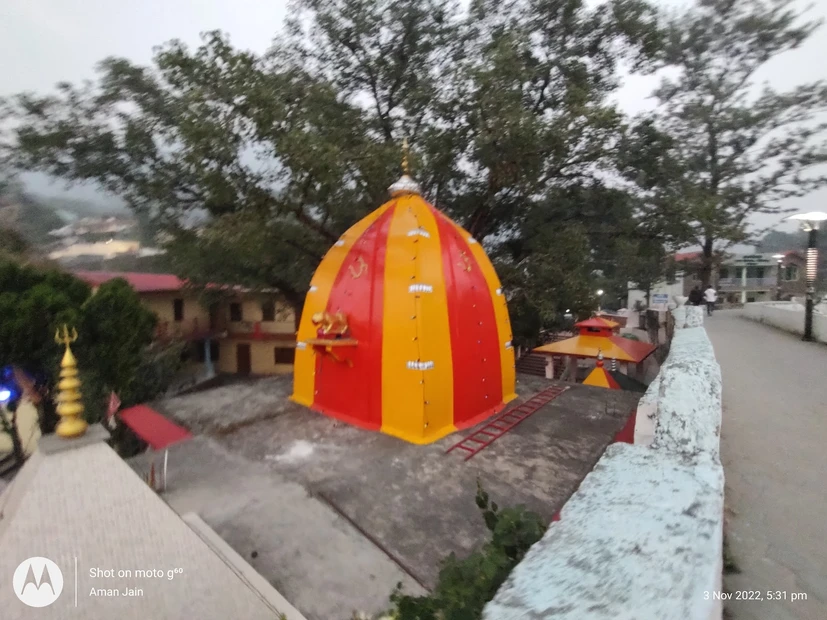
Temples near Bhimeshwar Mahadev Temple

Kainchi Dham
Kainchi Dham, also known as Neem Karoli Ashram, is a revered spiritual complex in Uttarakhand's Kumaon region dedicated to Lord Hanuman and founded by the saint Neem Karoli Baba.
Surya Temple, Katarmal
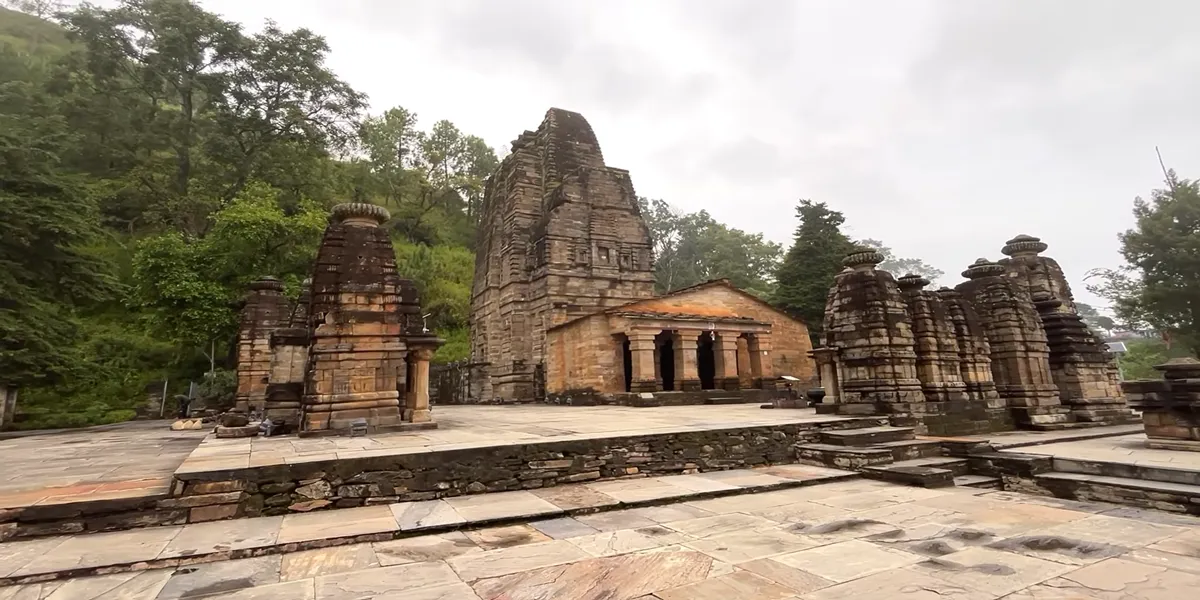
The Katarmal Surya Temple is the second largest sun temple in India, located near Almora in Uttarakhand's Kumaon hills. Built by King Katarmalla of the Katyuri dynasty between t…
Dandeshwar Group of Temples
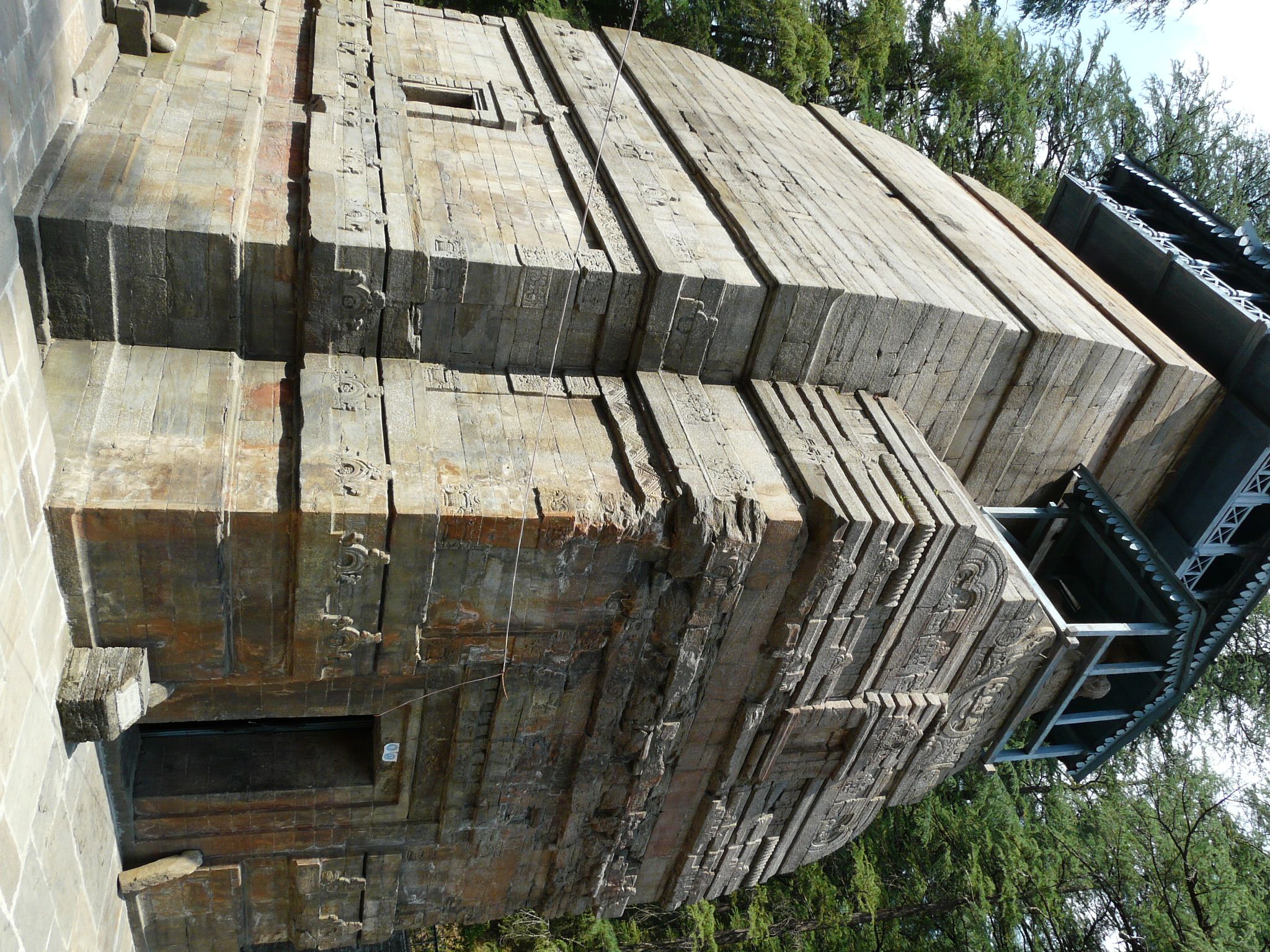
Dandeshwar Group of Temples in Almora, Uttarakhand, is a recognized Monument of National Importance featuring a significant shrine dedicated to Lord Shiva within the sacred Jage…
Garjiya Devi
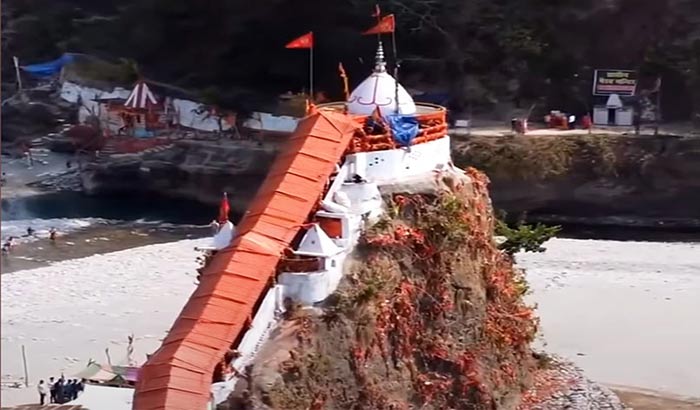
Garjiya Devi Temple is a revered Shakti Peetha perched on a rock in the Kosi River near Ramnagar, Uttarakhand, dedicated to Goddess Parvati in her form as Garjiya Devi.

Badrinath Group of Temples, Dwarahat
Badrinath Temple is one of India's most sacred shrines dedicated to Lord Vishnu as Badrinarayan, located in the Himalayas of Uttarakhand. It forms part of the Char Dham pilgrima…
Gujjar Deva Group of Temples, Dwarahat
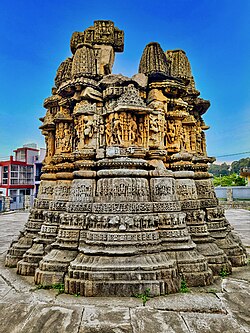
Gujjar Deva Group of Temples in Dwarahat is an ancient temple complex in the Kumaon hills of Uttarakhand, part of the region's rich architectural heritage built during the medie…