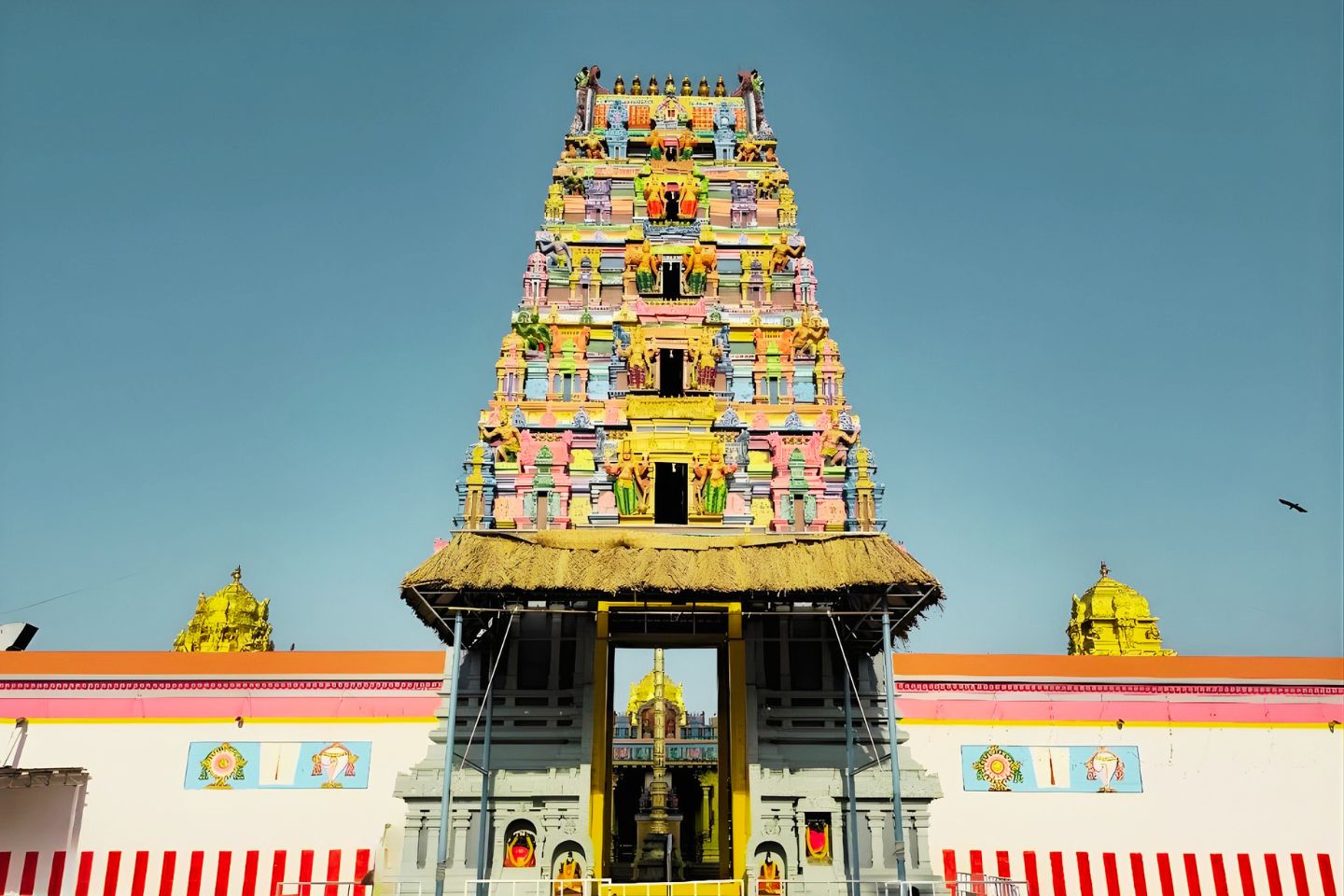


Balaji Mandir, Pune
About Balaji Mandir, Pune
The temple opens at 7:00 am for the morning session, which concludes at noon. The evening session runs from 4:00 pm to 8:30 pm. During Dhanur masam (December–January), extended morning hours begin at 5:30 am, accommodating the increased devotional observance during this auspicious period. Two aartis are performed daily: the evening aarti at 6:30 pm and a night aarti at 8:00 pm.
Throughout the day, the temple conducts multiple ritual activities. The morning schedule includes Viswaroopam (a viewing of the deity's cosmic form) at 7:00 am, followed by Saharanama Archana (recitation of the thousand names), Aradhanam (worship), and various archanas (ritual offerings) until 11:30 am. The evening programme mirrors this structure, with archanas, bhog (blessed food), and aradhanam. Devotees may make offerings through the Hundi (collection box) or at the temple office, and receipts should be obtained for cash or material donations.
Festivals and Observances
The temple's annual calendar centres on Brahmotsav, its principal festival. This celebration draws devotees seeking blessings during one of the most significant observances in Vaishnava temples. The temple also marks other festivals important to the tradition, including Ram Navami and Gudi Padwa. Dhanur masam, the Tamil month falling in December–January, holds particular significance in Vaishnava practice and is observed with extended morning worship hours.
Facilities and Offerings
The temple office maintains a small shop offering items for devotional use and worship. Available items include laddu prasad (blessed sweets), sacred garlands, worship vessels, deity vestments, photographs of the deity, and texts on Sri Vaishnava philosophy and practice. A community hall is available for hire for religious and social functions. For specific programme details or inquiries, the temple office can be contacted at 020-25870125.
Visiting Information
The temple is located in Pashan, Pune, at coordinates 18.54463889, 73.79034444. Visitors should note that temple timings may vary depending on special functions or festivals. The morning session (7:00 am–12:00 pm) and evening session (4:00 pm–8:30 pm) represent standard hours, though Dhanur masam brings earlier opening at 5:30 am with closure at 10:00 am.
Dress modestly when visiting; temples of the Sri Vaishnava tradition typically expect visitors to remove footwear before entering the sanctum and to dress respectfully. Women may wear sarees or modest clothing; men should avoid shorts. Observe silence during aartis and ritual activities. Photography policies should be confirmed with temple staff, as restrictions often apply during worship.
Planning Your Visit
The Brahmotsav festival period offers the most vibrant experience of temple life, with elaborate rituals and heightened devotional atmosphere. However, Dhanur masam (December–January) provides an alternative opportunity to witness extended morning worship and the special observances of this auspicious season. Visiting during the morning session allows observation of the full sequence of daily rituals. The evening aarti at 6:30 pm is accessible to most visitors and provides a focused moment of communal worship.
How to reach


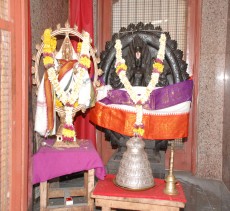
Temples near Balaji Mandir, Pune

Sri Balaji Temple
Sri Balaji Mandir in Pune is an Ahobila Mutt-affiliated temple dedicated to Lord Venkateswara (Balaji) and Lakshmi Narasimha, offering daily worship services and annual festivals.
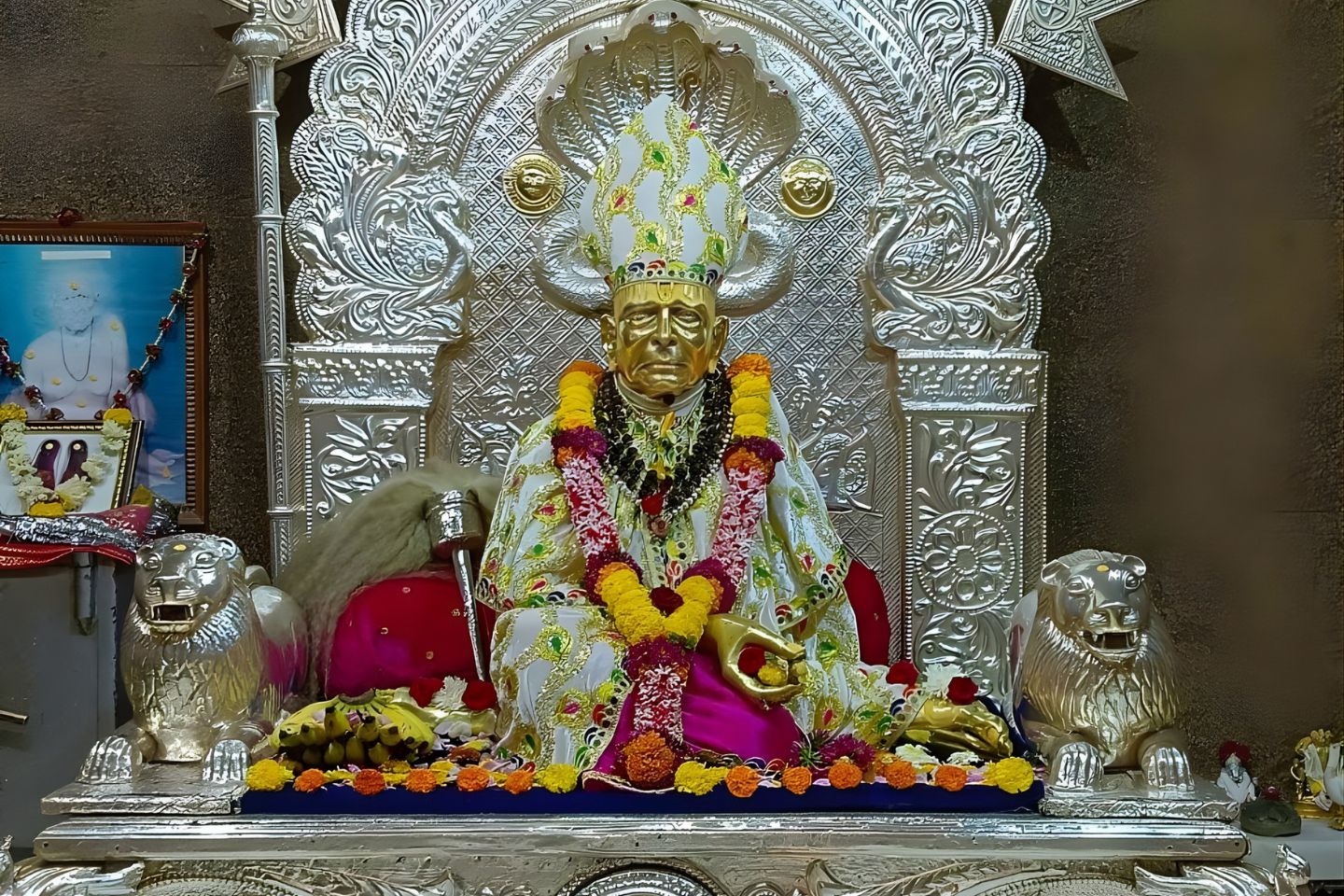
Shri Swami Samarth Temple
Shri Swami Samarth Temple in Pune's Ganesh Peth neighborhood is a 19th-century shrine dedicated to Swami Samarth Maharaj, a revered saint in the Dattatreya tradition. The temple…
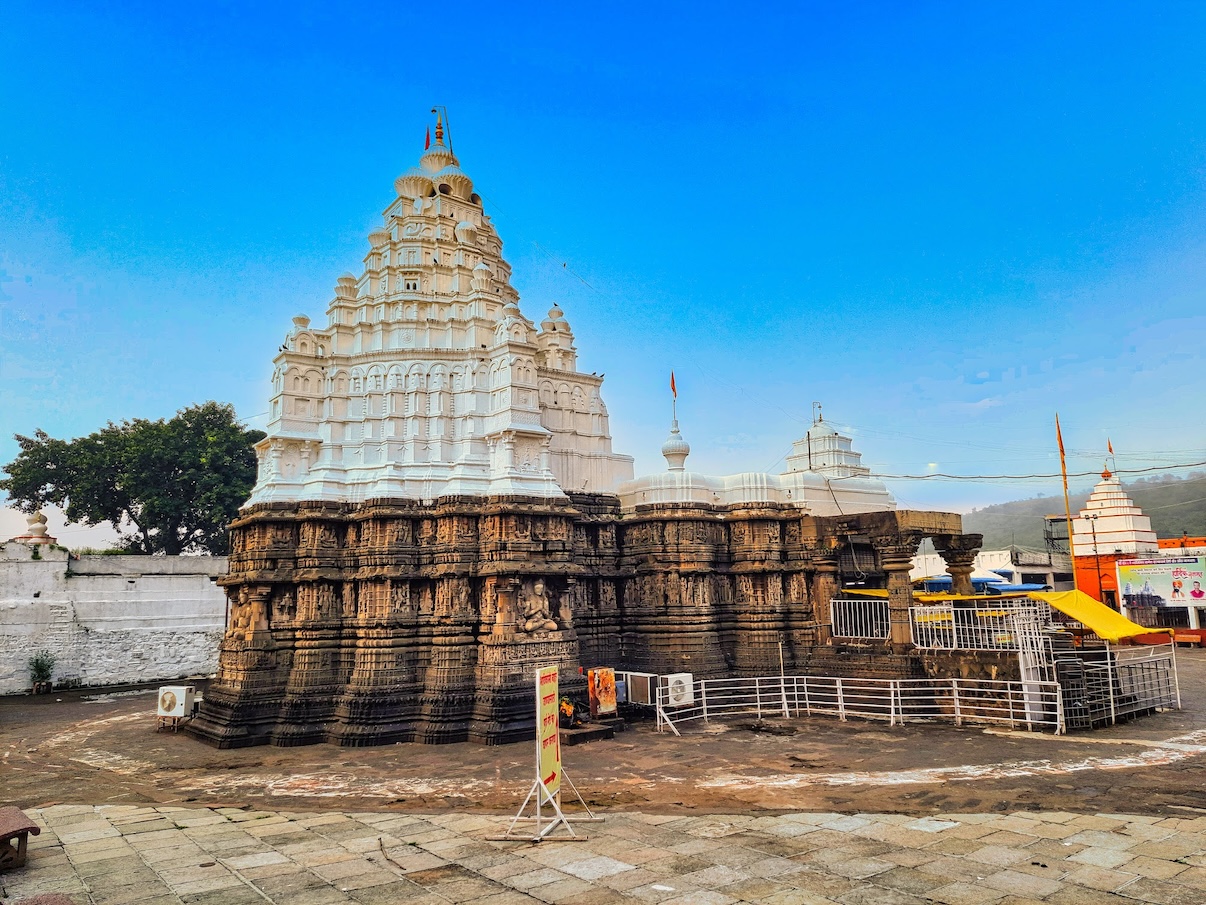
Aundh Shiv Mandir
Aundha Nagnath is one of the twelve sacred Jyotirlingas dedicated to Lord Shiva, located in Maharashtra's Hingoli district and considered the eighth (or sixth by some accounts)…
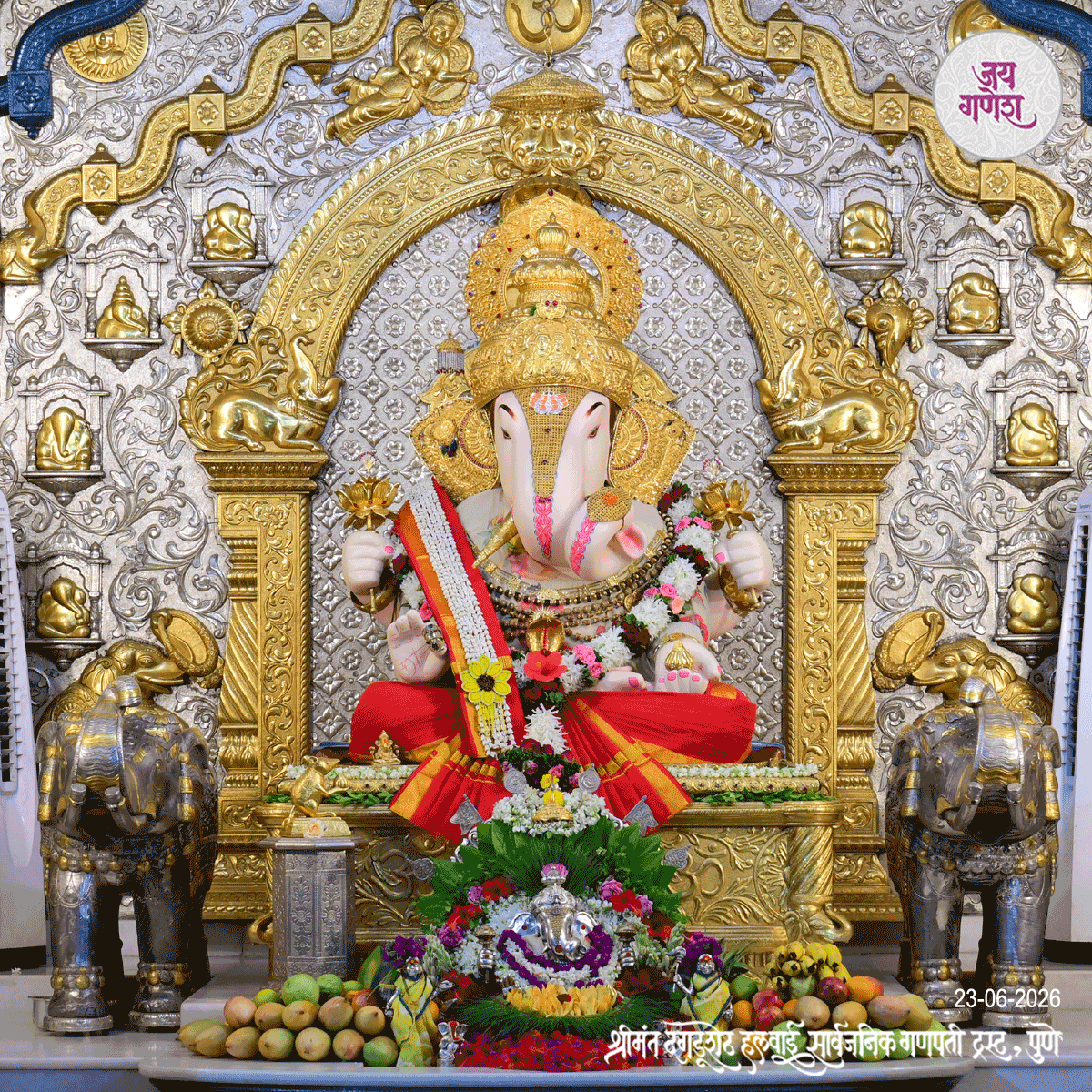
Datta Mandir
Datta Mandir in Pune's Budhwar Peth is a historic temple dedicated to Bhagwan Dattatreya, established in 1898 by Laxmibai, wife of the renowned Dagdusheth Halwai. The temple is…

Chaturshringi Temple
Chaturshringi Temple in Pune is a historic hilltop shrine dedicated to the goddess Chattushringi, believed to have been established during the reign of Maratha king Shivaji. The…
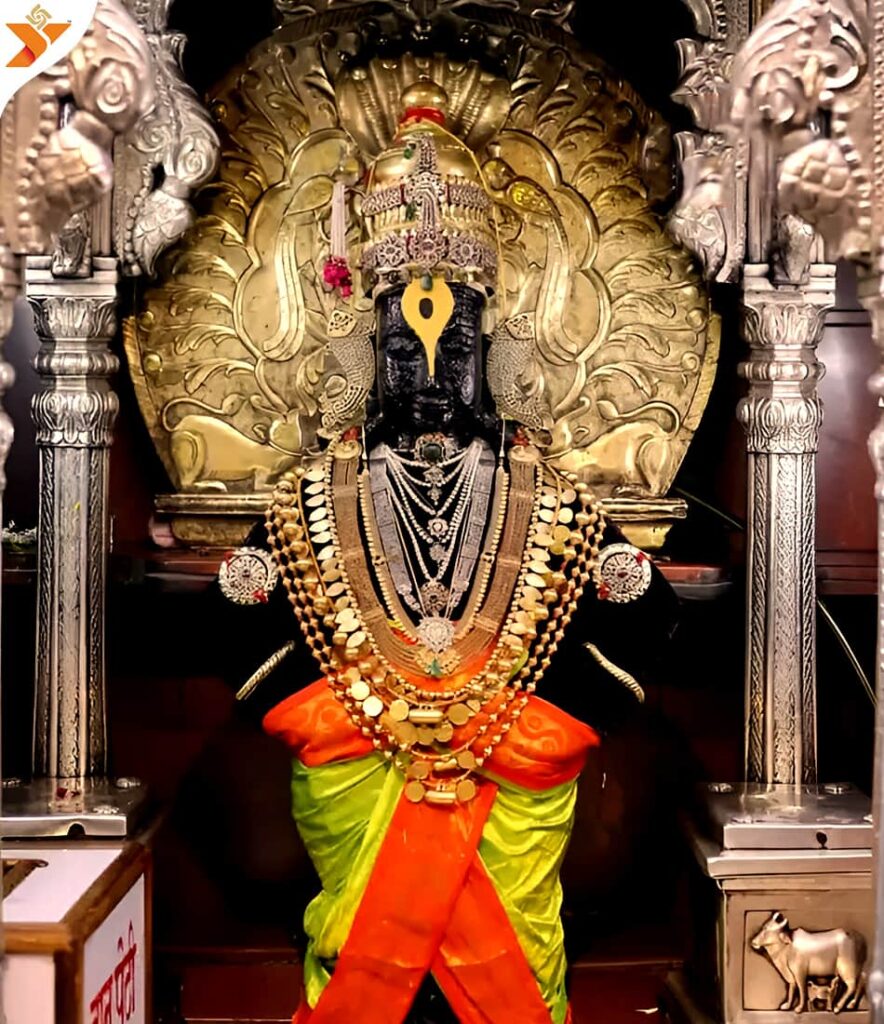
Vithoba Temple
The Vithoba Temple in Pandharpur is Maharashtra's most visited shrine, dedicated to Vithoba (a form of Vishnu) and his consort Rukmini. Built between 1108–1152 CE by the Hoysala…