Arulmigu Sri Rajakaliamman Glass Temple
About Arulmigu Sri Rajakaliamman Glass Temple
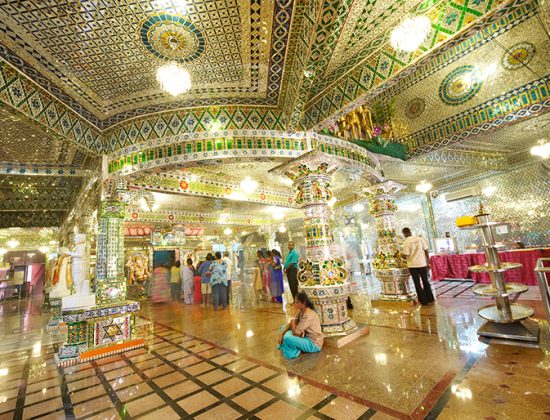
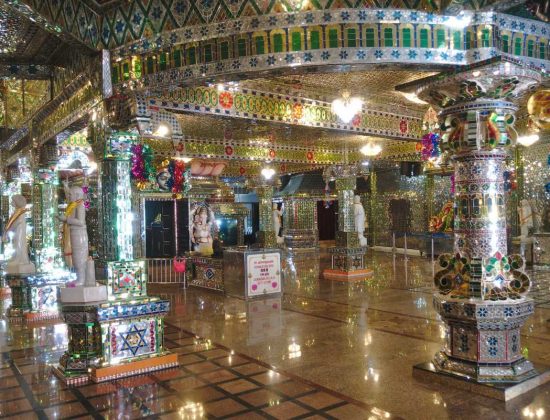
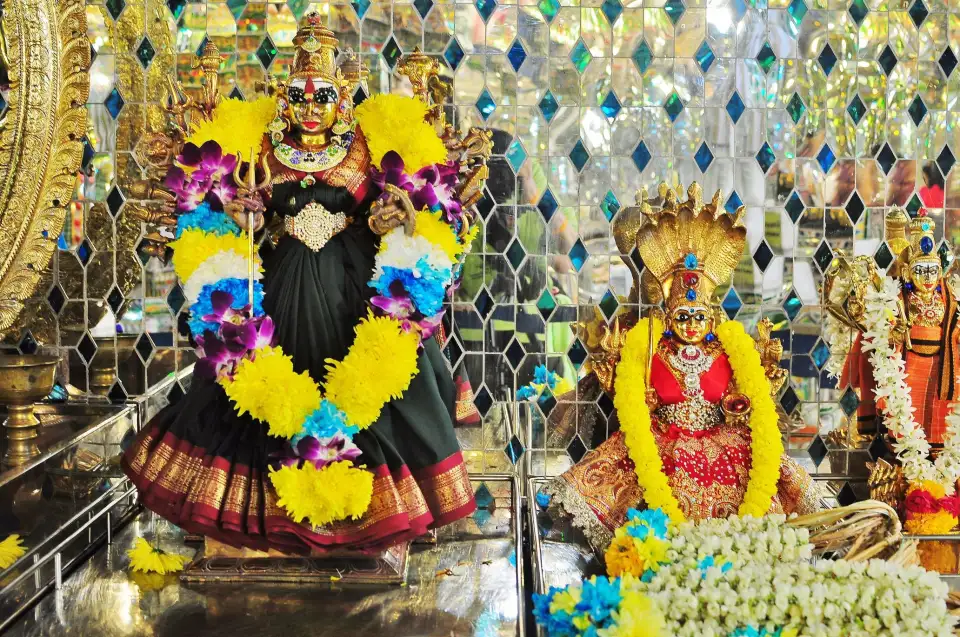
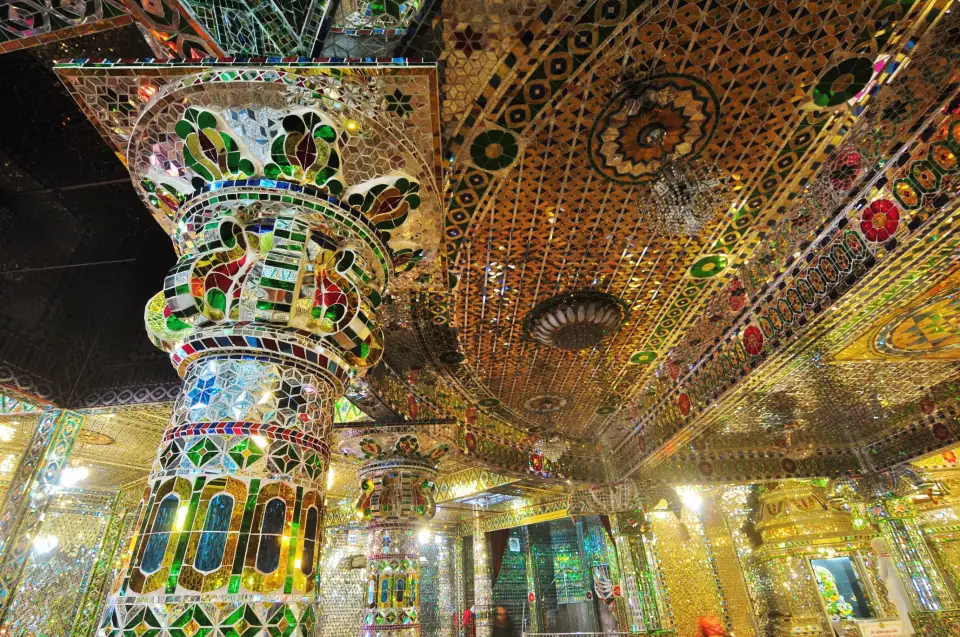
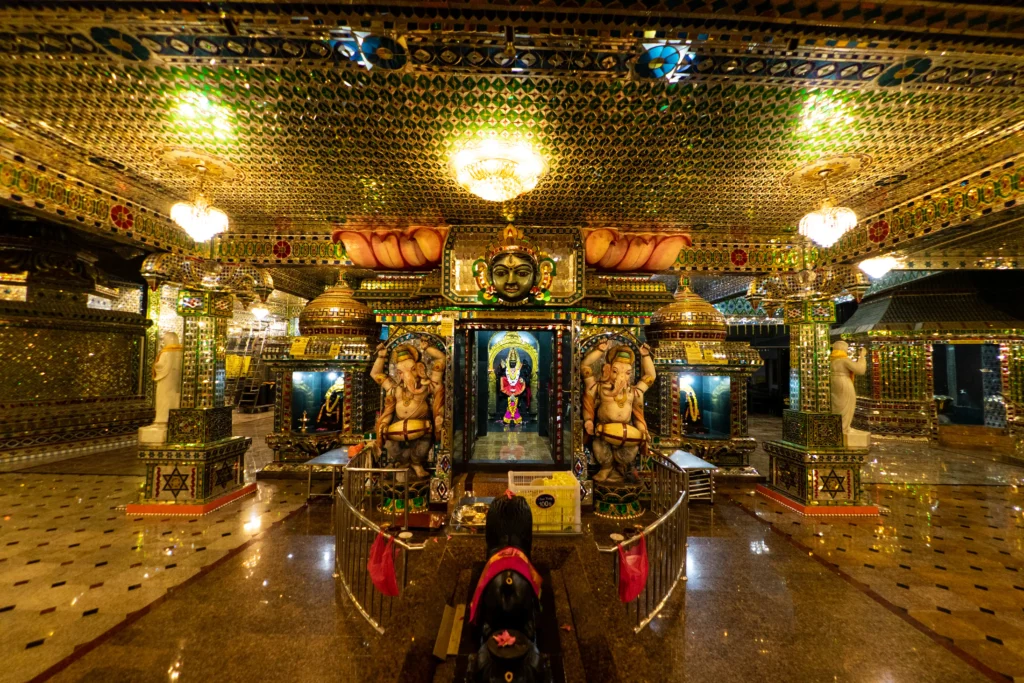
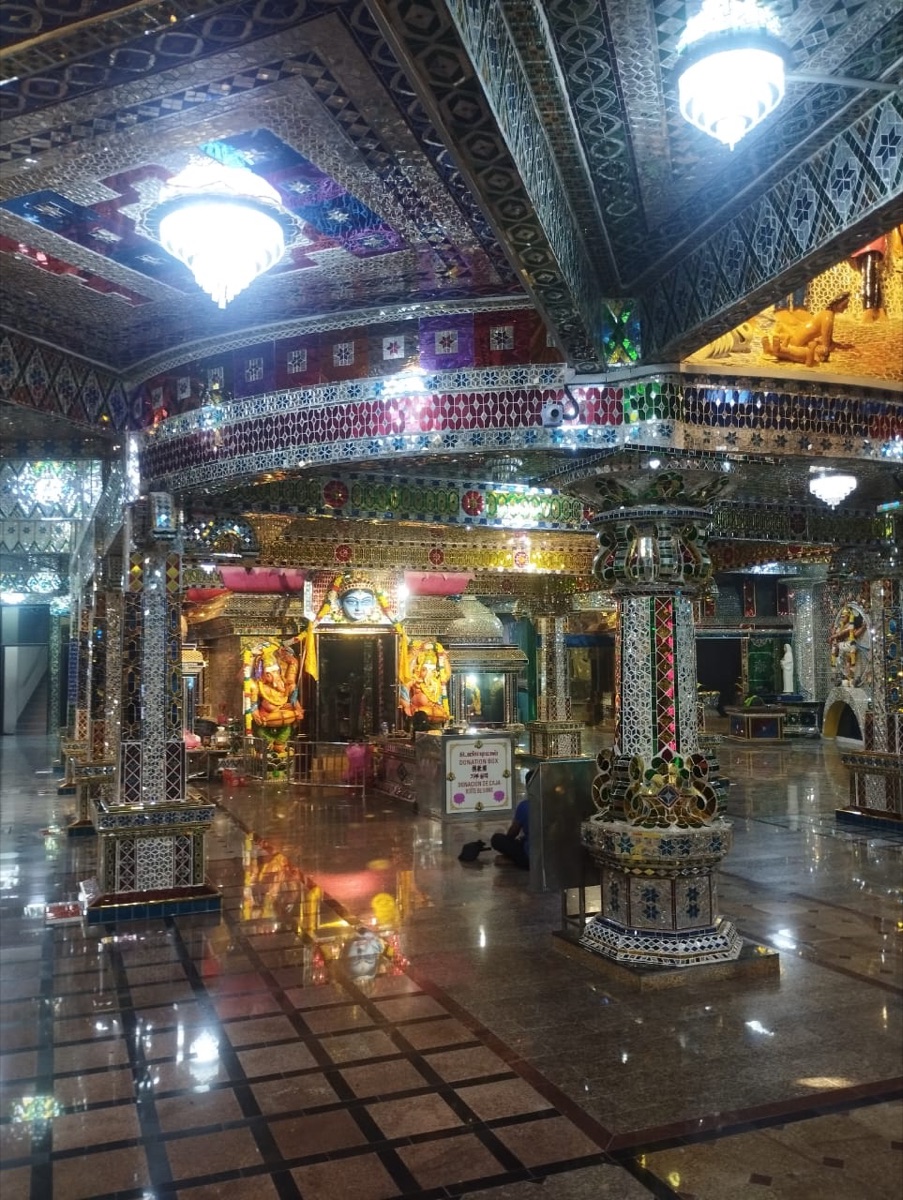
The interior of the temple is embedded with approximately 300,000 pieces of mosaic glass in vibrant hues—reds, blues, yellows, and purples—covering nearly 90% of the structure. This extensive use of glass creates a luminous, jewel-like atmosphere, particularly striking when light passes through the colored fragments. The effect transforms the interior into a space where natural and artificial light interact with the glass surfaces to produce a constantly shifting visual display.
Ten gold sculptures positioned near the ceiling add another layer of visual richness to the interior. The combination of reflective glass and precious metal creates an environment quite unlike traditional temple architecture, yet the devotional purpose remains central to the space's function.
Visiting the Temple: Practical Information
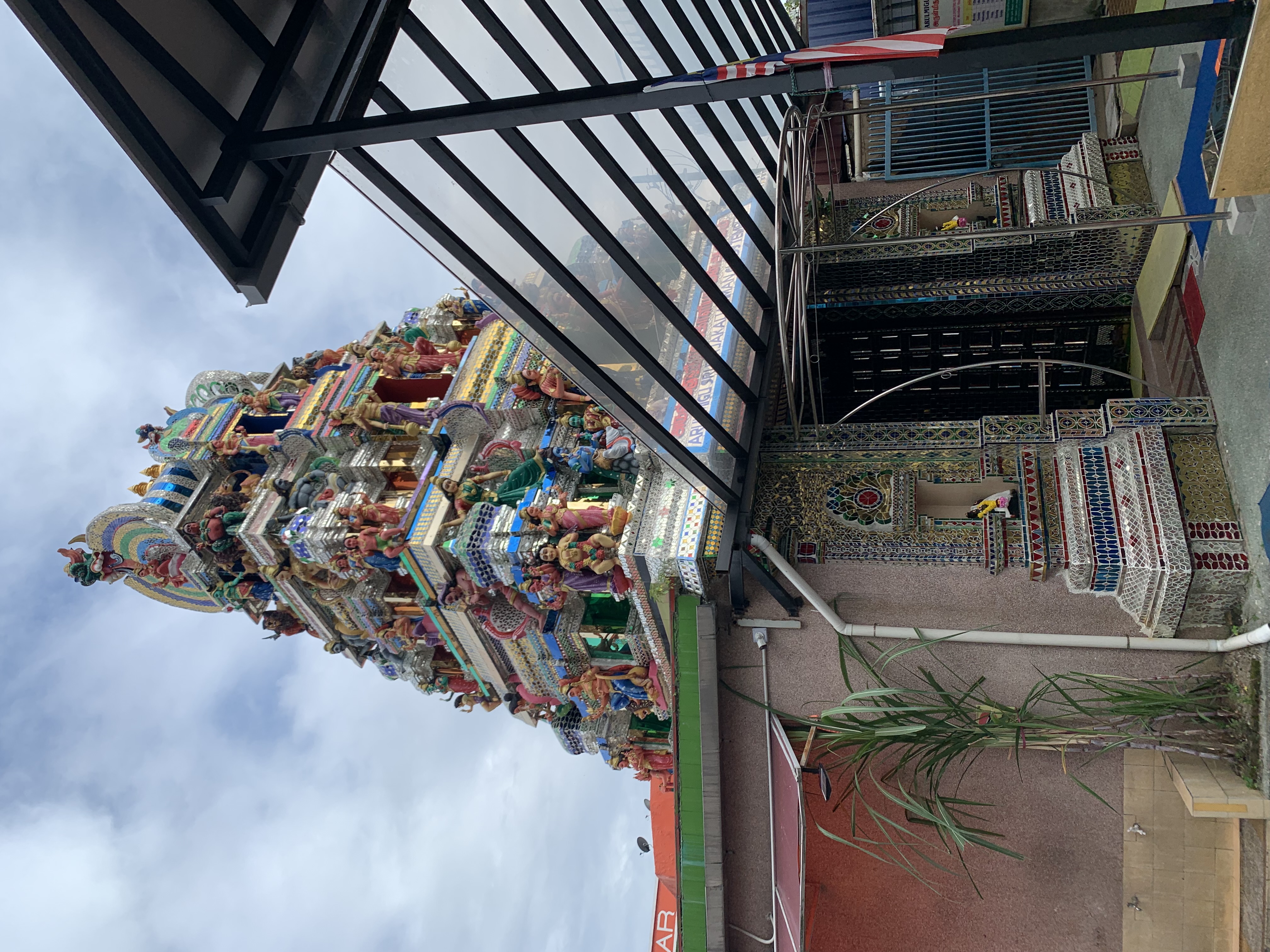
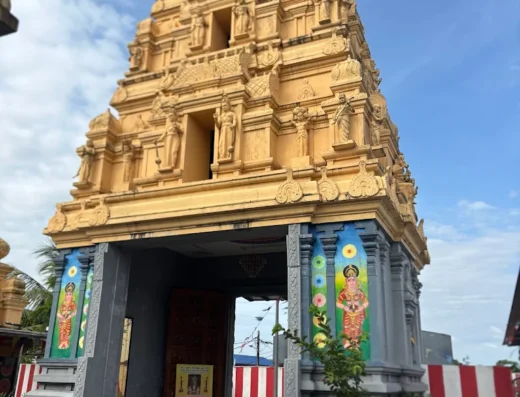
The temple is located at Jalan Mohd Taib, Kampung Wadi Hana, Johor Bahru, Johor, 80300, Malaysia. It is open daily from 07:00 to 12:00 and again from 19:00 to 00:00. A visit typically requires between 20 and 45 minutes. The temple is air-conditioned, providing comfort in the tropical climate.
As with Hindu temples generally, visitors must remove their shoes before entering. Respectful dress is expected—this means covering shoulders and knees. Photography is permitted, and many visitors come specifically to capture the interplay of light and glass. For inquiries, the temple can be reached at +60124759270.
Accessibility and Nearby Orientation
The temple is situated in the Wadi Hana area of Johor Bahru, described as conveniently located within the heart of the city. This central positioning makes it accessible for visitors exploring other attractions in Johor Bahru. The temple functions as both a religious site and a recognized tourist destination, welcoming those with varied motivations—whether spiritual practice, architectural interest, or cultural curiosity.
The sources do not provide detailed information about parking, public transportation connections, or nearby facilities, so visitors are advised to contact the temple directly or consult local travel resources for logistical planning.
What to Expect as a Visitor
This temple welcomes both Hindu devotees and visitors interested in its unique architecture and cultural significance. The space functions as an active place of worship, so visitors should be prepared to encounter people engaged in prayer and ritual practice. The visual spectacle of the glass interior often draws photography enthusiasts and architecture lovers, yet the primary purpose remains devotional.
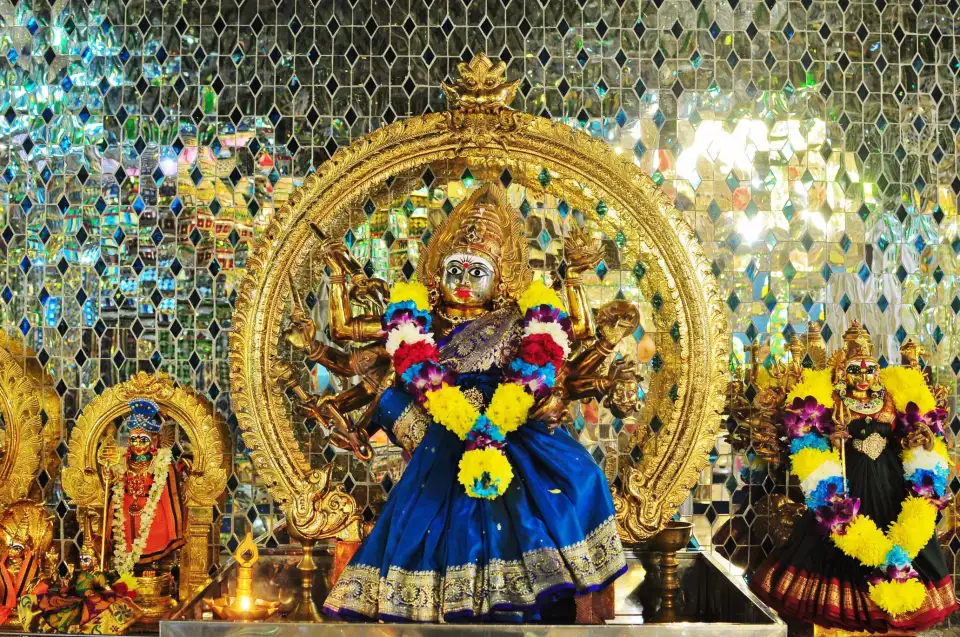
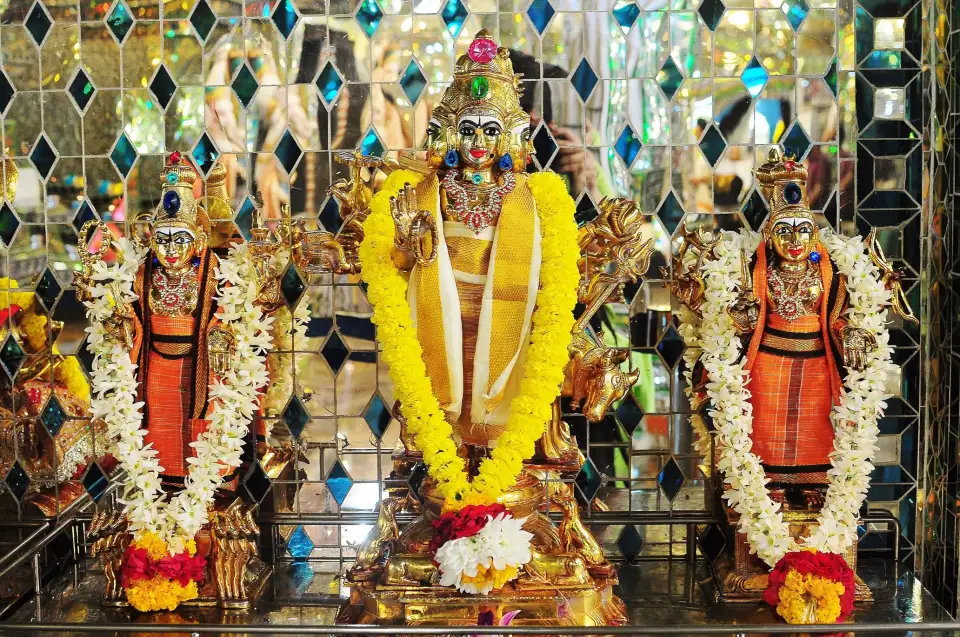
The temple's message, as noted in available sources, emphasizes peace and inclusivity. While dedicated to Goddess Kali within the Hindu tradition, the temple incorporates sculptural representations reflecting various faiths, suggesting an openness to visitors of different backgrounds. Respectful observation and participation in the sacred atmosphere is appropriate for all guests.
How to reach
You may also visit
Tiger Cave
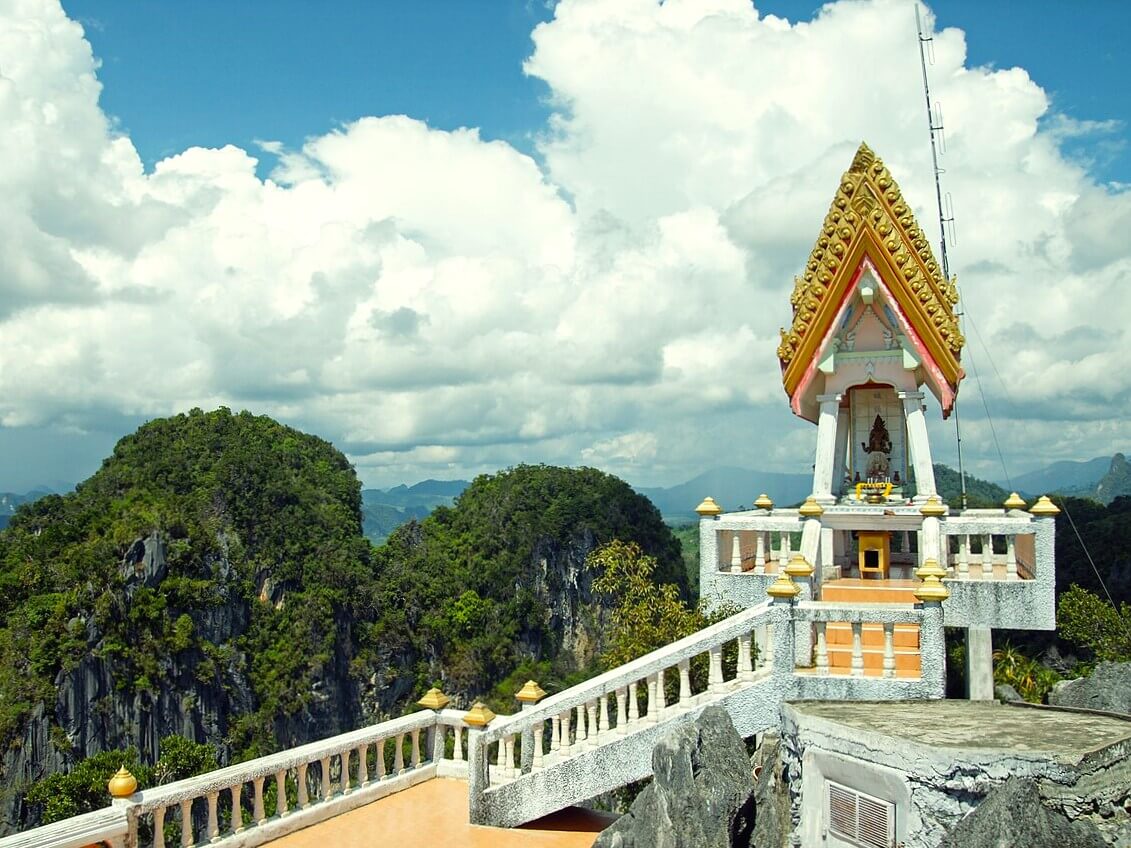
5Tiger Cave Temple is a Buddhist monastery complex near Krabi, Thailand, featuring a challenging 1,260-step ascent to a hilltop summit crowned with a Golden Buddha statue and panoramic limestone vistas.
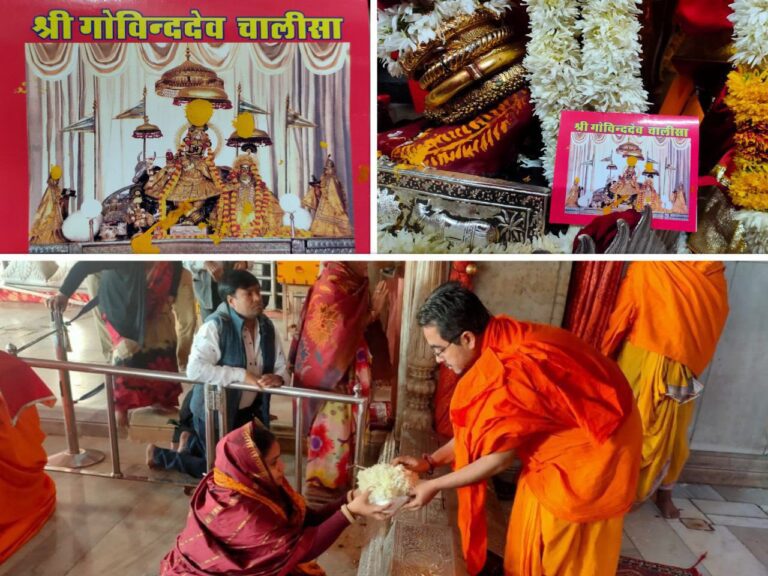
Kalyanji Temple
Kalyanji Temple in Jaipur's Chandpol Bazaar is approximately two centuries old and renowned for displaying the twenty-four avatars of Krishna, visible only twice yearly during Akha Teej and Patottsav festival.
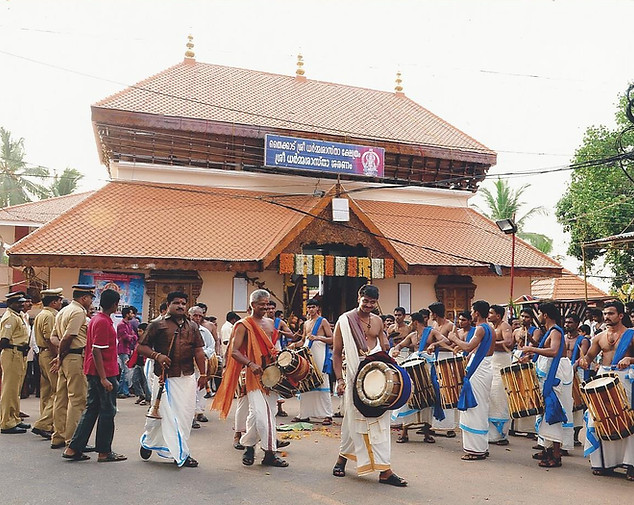
Sastha (Ayyappan) Temple
Sree Dharma Sastha Temple in Thycaud, Thiruvananthapuram, is a centuries-old shrine where the deity manifests as Dhanwanthari, the divine healer, holding the sacred blue lotus.