
Amararama
About Amararama
The site of Amaravati carries layers of religious significance extending back centuries. The location is identified with the ancient city of Dhanyakataka, which served as a Satavahana capital and was a major centre of early Buddhist activity in South India. The Mahachaitya stupa here dates to the 2nd century BCE, predating the Shiva temple in its current architectural form. The Amaralingeswara temple complex as it stands today took shape during the medieval period, with its principal structures built during the late Vijayanagara and Kakatiya eras. In the early 19th century, Vasireddy Venkatadri Naidu, the zamindar of Amaravati, undertook substantial restoration work and is credited with constructing the outer prakara (enclosure wall) and gopuram (tower) that frame the temple today.
Daily Darshan and Worship
The temple maintains regular daily timings with a midday closure. Morning darshan runs from 6:00 AM to 1:00 PM, and the temple reopens in the evening from 4:00 PM to 8:00 PM. General darshan is free to all visitors. Those wishing to participate in special sevas (ritual services) or abhishekam (ritual bathing of the deity) may book these at the temple counter; these services are ticketed. The temple observes morning and evening aartis as part of its daily ritual cycle. On certain days—Mondays, the four Krithikai days each month (sacred to the Murugan-Shiva pairing), new-moon days (Amavasya), and Maha Shivaratri—the temple remains open continuously throughout the day and night, accommodating extended worship during these spiritually significant periods.
Principal Festivals
Maha Shivaratri, falling in February or March depending on the lunar calendar, stands as the central festival at Amaralingeswara. The celebration includes all-night abhishekam and extended ritual observances. The temple follows the Telugu lunar calendar for determining festival dates, though both Tamil and Telugu calendars hold relevance in its worship tradition. Visitors planning to attend major festivals should confirm exact dates in advance, as these follow the lunar reckoning rather than fixed calendar dates.
Visiting Information and Practical Details
Amaravati lies on the south bank of the Krishna River, approximately 35 kilometres west of Vijayawada in Palnadu district. The optimal season for visiting is October through March, when weather conditions are most favourable for travel in Andhra Pradesh. Visitors should plan their visit around the temple's operating hours, noting the midday closure. Those interested in special sevas or abhishekam should arrive with time to arrange bookings at the temple counter. The temple sits within the larger Amaravati heritage zone, which encompasses the Buddhist archaeological sites, making it possible to combine a temple visit with exploration of the region's broader historical significance. As with most Hindu temples, visitors are expected to dress modestly and remove footwear before entering the sanctum; specific dress codes or additional etiquette requirements should be confirmed upon arrival or through advance enquiry with the temple administration.
How to reach
Temples near Amararama

Akkanna Madanna caves
Akkanna Madanna Mahankali Mandiram is a historic temple in Hyderabad's old city, rediscovered in 1948 within a centuries-old mansion and now celebrated annually for its grand Bo…
Kailashagiri Hill
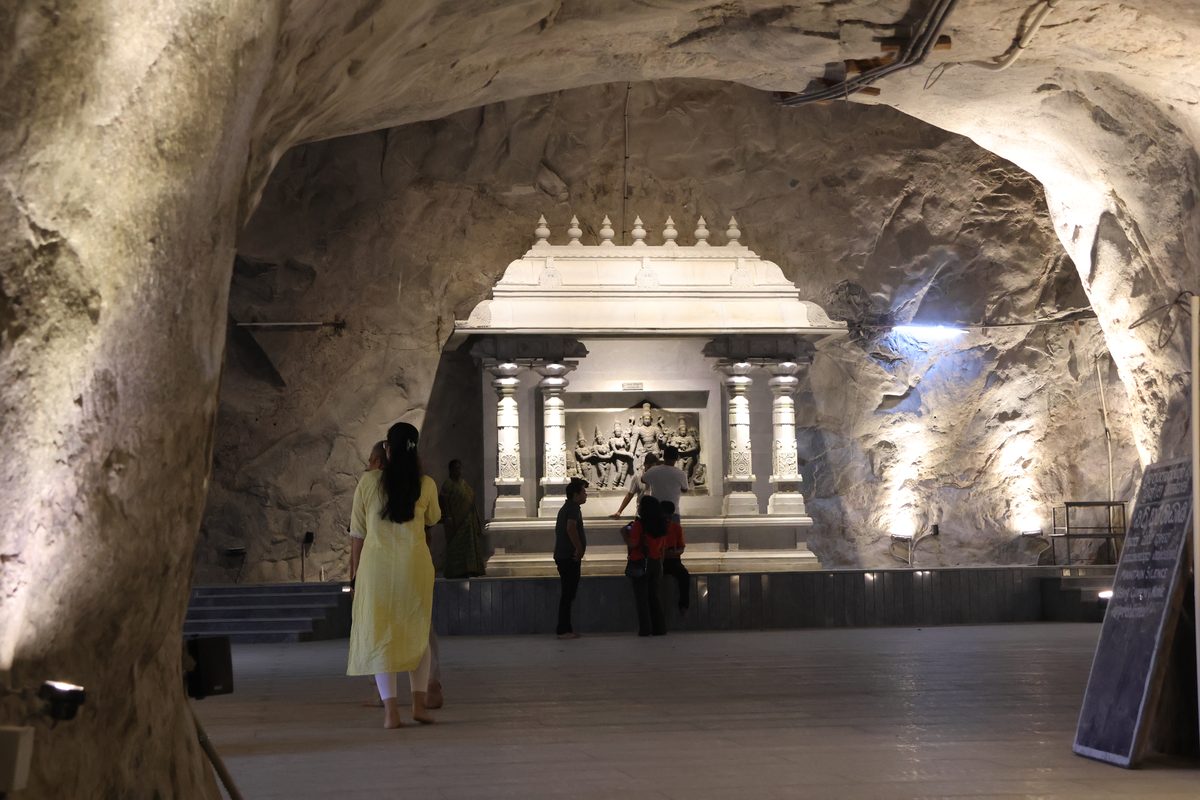
Shri Kailasagiri Guhantara Devalaya is the largest man-made interconnected cave temple complex built in the last thousand years, nestled in the Ambajidurga Hill Range of Karnata…
Jamalapuram Temple
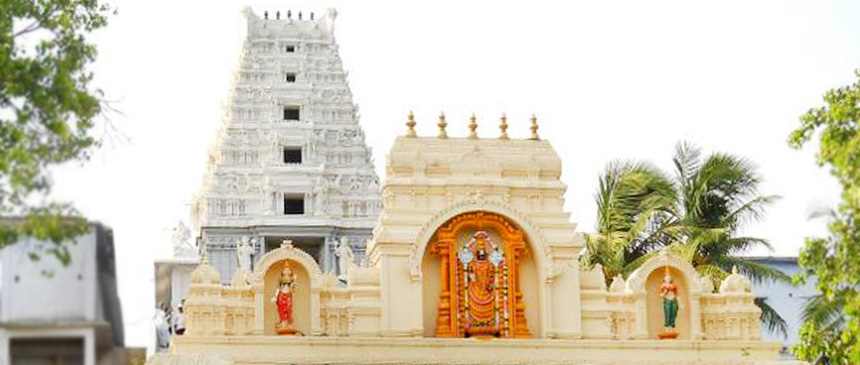
Sri Venkateshwara Swamy Temple in Jamalapuram, Khammam district, Telangana, is a Vaishnava shrine dedicated to Venkateshwara, a manifestation of Vishnu revered for protection, p…
Vedadri Narasimha Temple
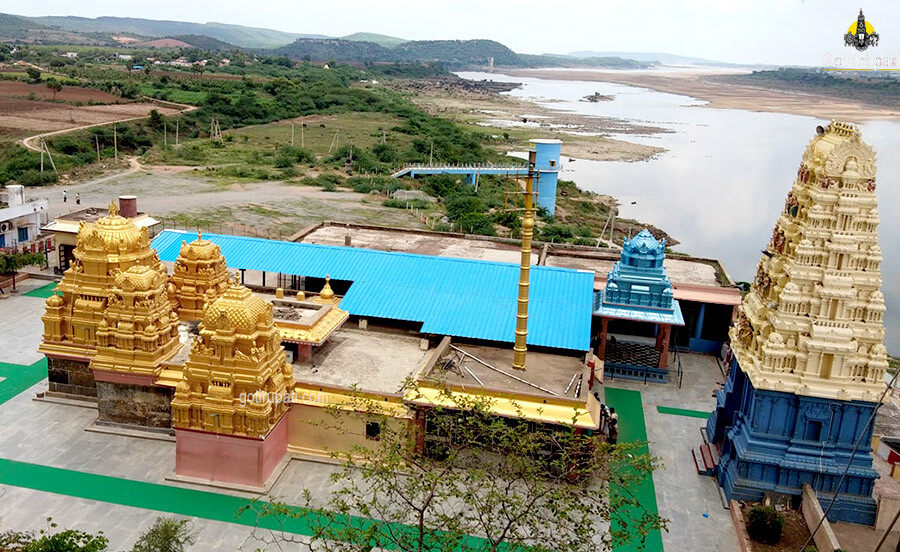
Vedadri Narasimha Temple, situated on the Krishna River's banks in Andhra Pradesh, is an 11th-century shrine dedicated to Lord Lakshmi Narasimha and ranks among the sacred Panch…
Yogananda Lakshmi Narasimha Swamy Temple
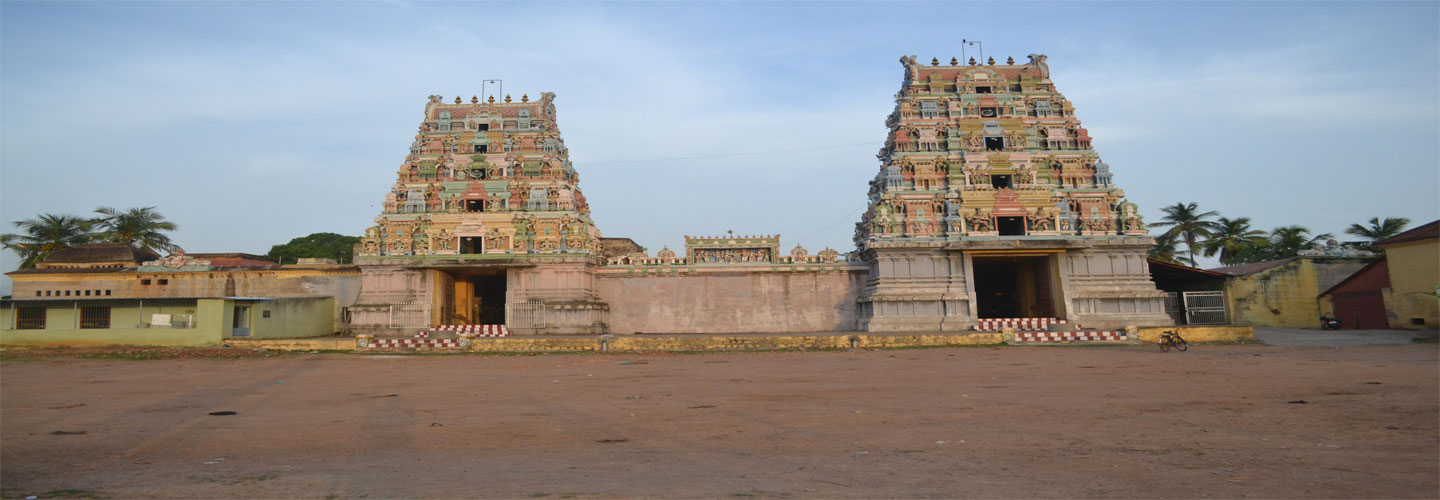
The Yogananda Lakshmi Narasimha Swamy Temple, located in Mattampally village on the Krishna River banks in Telangana, is an 11th-century shrine dedicated to Narasimha and his co…
Kapoteswara temple
Kapileswara temple is a Shiva shrine nestled at the base of the Tirumala hills beside a waterfall and sacred tank in Tirupati.