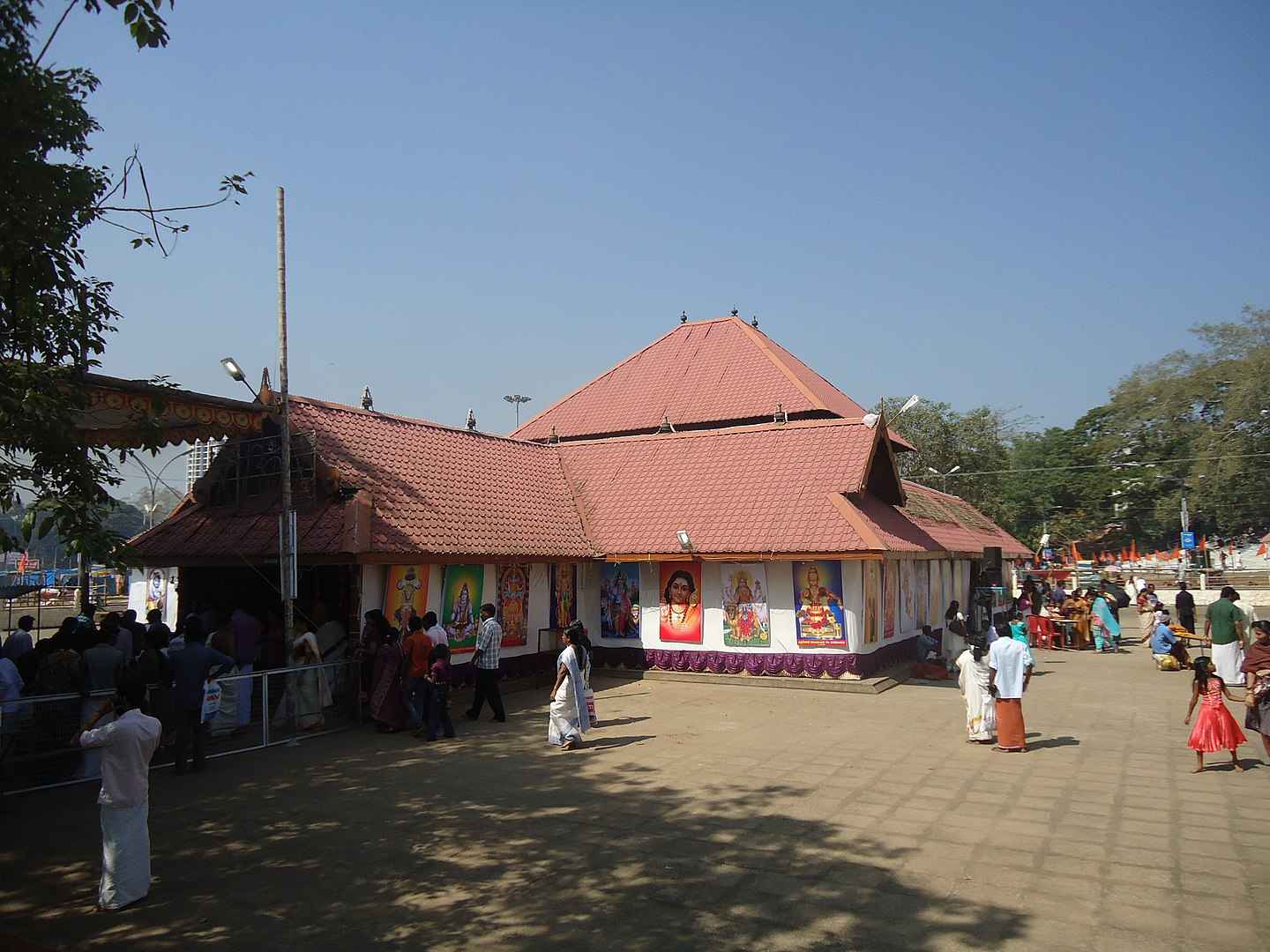

Aluva Mahadeva Temple
About Aluva Mahadeva Temple
The temple's establishment reaches back into antiquity, though precise dates are not recorded. Its significance lies partly in its connection to Parashurama, the legendary sage credited with founding numerous Shiva temples throughout Kerala as part of the region's spiritual heritage. By being counted among the 108 Shiva temples of Kerala, Aluva Mahadeva holds a recognized place within a broader network of sacred sites dedicated to this deity across the state. The temple thus represents both local devotion and Kerala's wider tradition of Shiva worship.
Daily Worship and Ritual Timings
The temple opens daily from 05:00 to 20:00. Worship is organized around two main periods: morning pooja runs from 05:00 to 11:00, and evening pooja from 17:00 to 20:00. Throughout these hours, specific aartis (ritual offerings) are performed at set times: Usha Pooja at 05:30, Pantheeradi at 06:00, Ethirtham at 08:00, Ucha Pooja at 12:00, Deeparadhana at 17:30, Sayahna Pooja at 18:30, and Athazha Pooja at 20:00. Devotees wishing to participate in particular rituals should arrive accordingly. Early mornings between 05:00 and 08:00, and during evening aarti times, are ideal for daily visits when the temple atmosphere is most conducive to worship. It is advisable to confirm timings with the temple directly if visiting during festival periods, as schedules may shift.
The Aluva Sivarathri Festival
The temple is most widely known for the Aluva Sivarathri festival, celebrated annually in February or March. This observance ranks among India's largest Shivaratri celebrations and draws pilgrims from across the country. The festival transforms the riverbank into a major gathering place and holds significant standing in Kerala's religious and cultural calendar. Visitors planning to attend should prepare for substantial crowds and the temporary infrastructure that accompanies such a major event. The festival period is considered the best time to experience the temple's spiritual importance, though it requires advance planning for accommodation and travel arrangements. The winter season from November to February also offers favorable conditions for visiting, with pleasant weather supporting extended time at the temple.
Visiting Etiquette and Practical Information
Temples dedicated to Shiva typically welcome visitors during open hours, though modest dress is customary and footwear should be removed before entering the inner sanctum. The temple is located at Temple Road, Aluva Manappuram, Thottakkattukara, Ernakulam District, Kerala 683108, at coordinates 10.11707°N, 76.353537°E. Its position within suburban Kochi makes it accessible to visitors in the region. The sources do not detail specific facilities such as parking, rest areas, or accommodation within the temple premises, so visitors should inquire locally or contact the temple in advance regarding amenities and services available on-site.
Reaching the Temple
The temple's location in suburban Kochi places it within reach of the city's transport networks. Visitors arriving by road should use the coordinates or address provided for navigation. Those traveling from further afield may use Kochi's airport, railway station, or bus terminals as entry points, then arrange local transport to Aluva. The exact distance and travel time from Kochi city center are not specified in available sources, so checking current transport options and journey times before departure is recommended.
How to reach
Temples near Aluva Mahadeva Temple
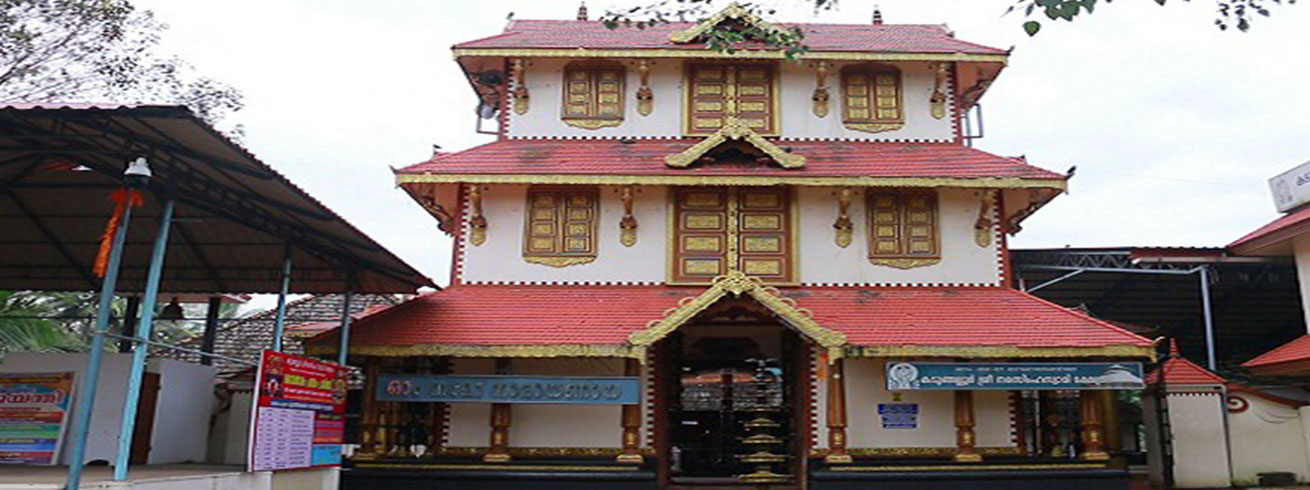
Kadungalloor Narasimhaswami Temple
Kadungalloor Narasimhaswami Temple is a unique shrine dedicated to Lord Narasimha located near Aluva in Kerala, distinguished by the absence of subsidiary deities within its san…
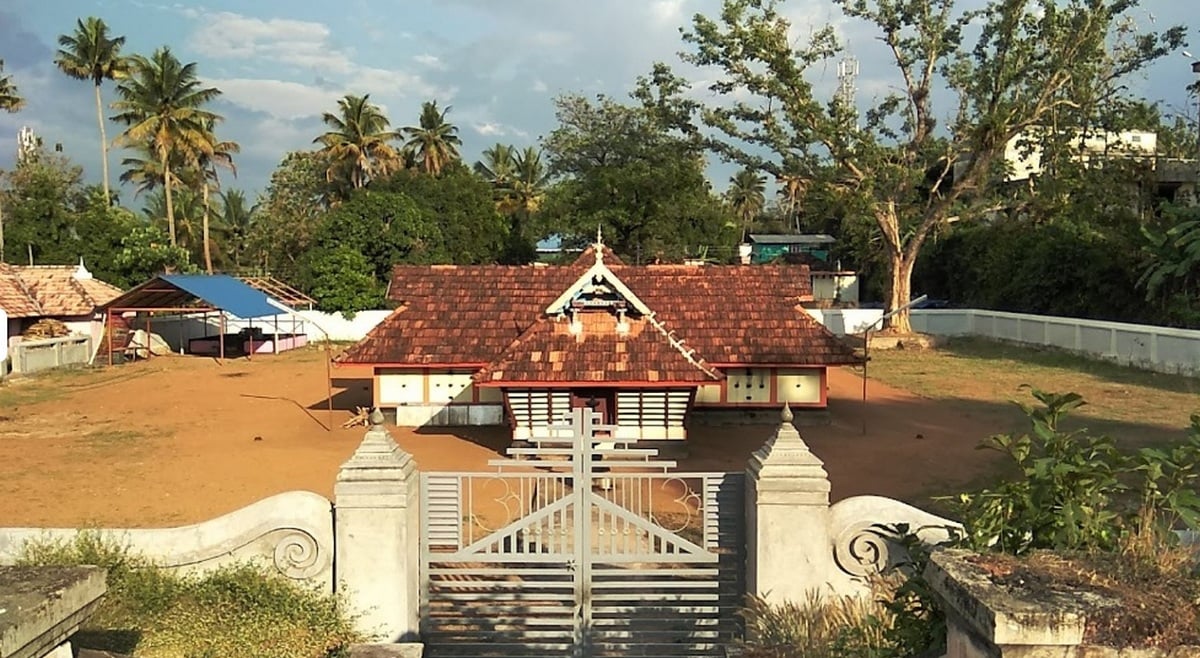
Chowara Chidambaraswamy Temple
Chowara Chidambaraswamy Temple is an ancient Shiva shrine in Ernakulam district, believed to be one of Kerala's 108 sacred Shiva temples established by sage Parasurama, with the…
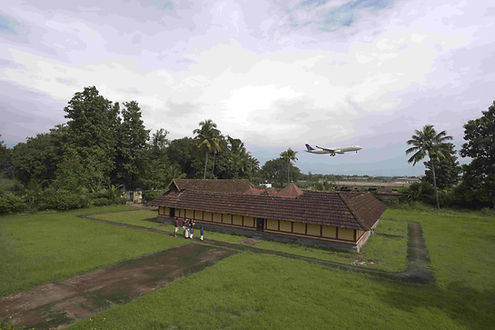
Avanamkode Saraswathi Temple
Avanamkode Saraswathi Temple in Nedumbassery, Kerala, is dedicated to Goddess Saraswathi and is believed to be one of the 108 Durga temples consecrated by Lord Parasurama, housi…
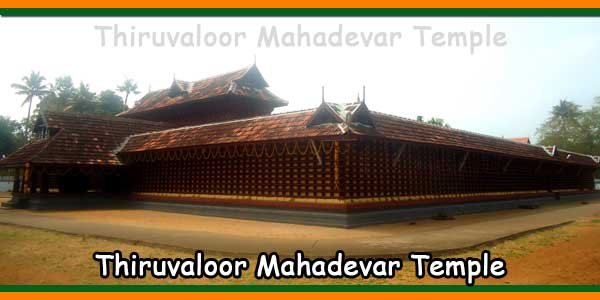
Thiruvaloor Mahadeva temple
Thiruvaloor Mahadeva Temple is a sacred Shiva temple in Alangad village, Ernakulam district, Kerala, renowned for its traditional Kerala-style architecture and spiritual signifi…
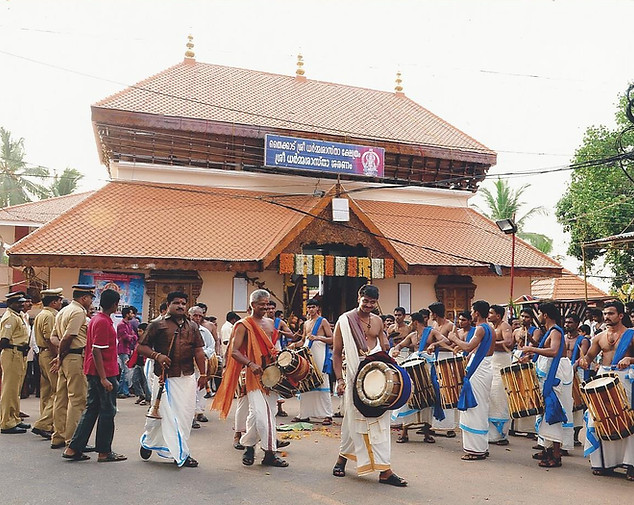
Eravikulangara Temple
Eravikulangara Bhagavathy Temple is an ancient Hindu shrine in Ernakulam district, Kerala, dedicated to Lord Shiva and Lord Ayyappan, serving as a significant spiritual center f…
Sree Vasudevapuram Mahavishnu Temple
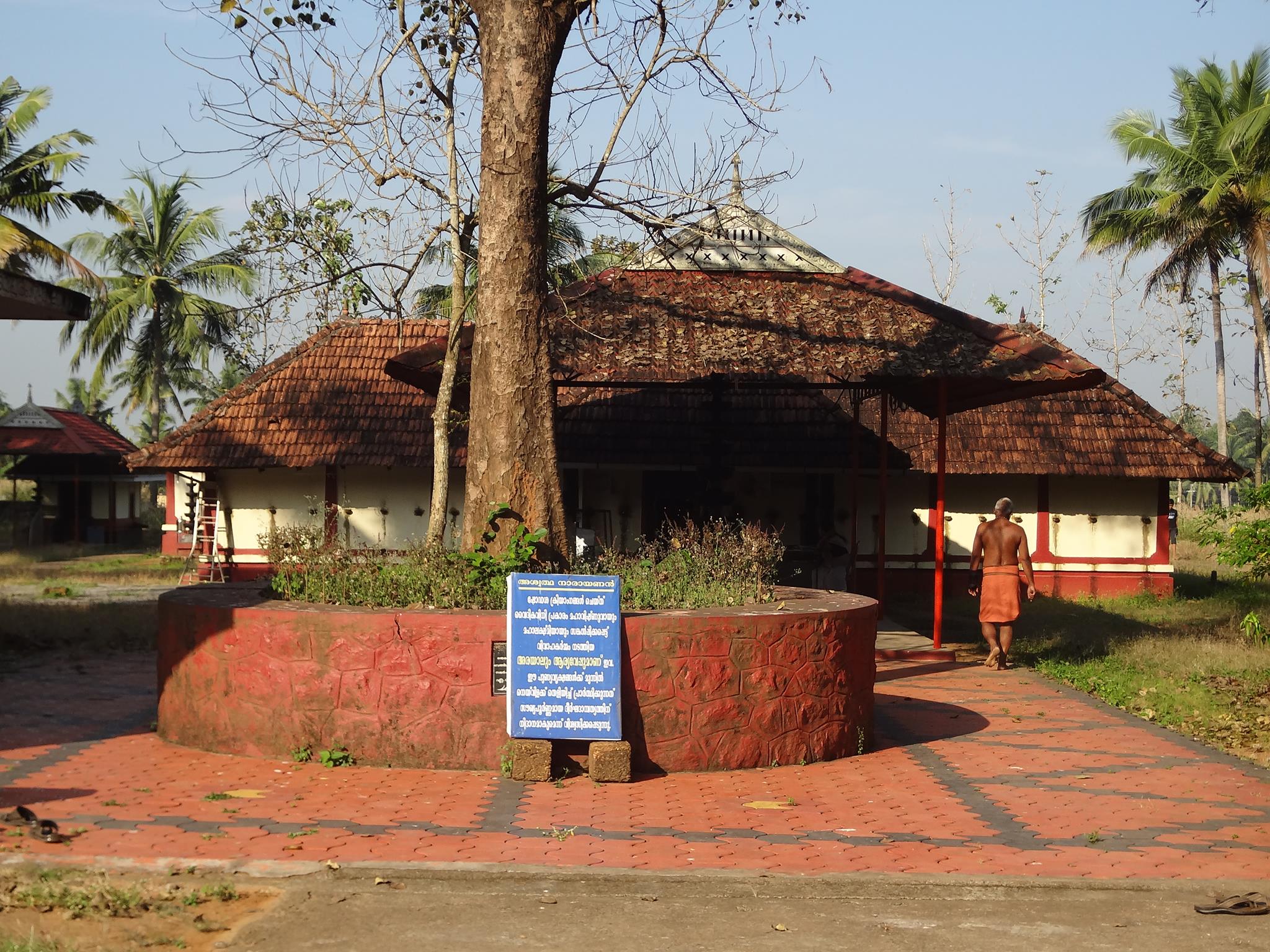
Sree Vasudevapuram Mahavishnu Temple in Aluva, Ernakulam, is believed to have been consecrated by Maharshi Parashuraman and uniquely houses both Lord Vishnu and Goddess Mahalaks…