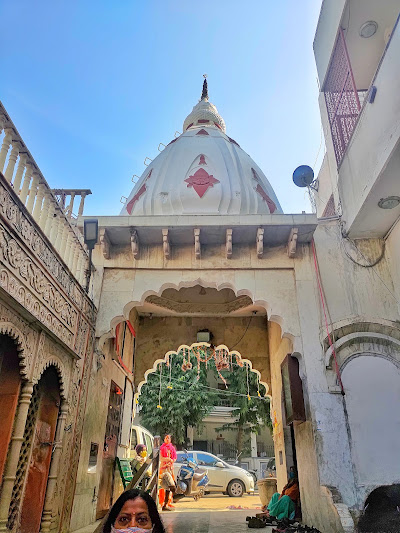
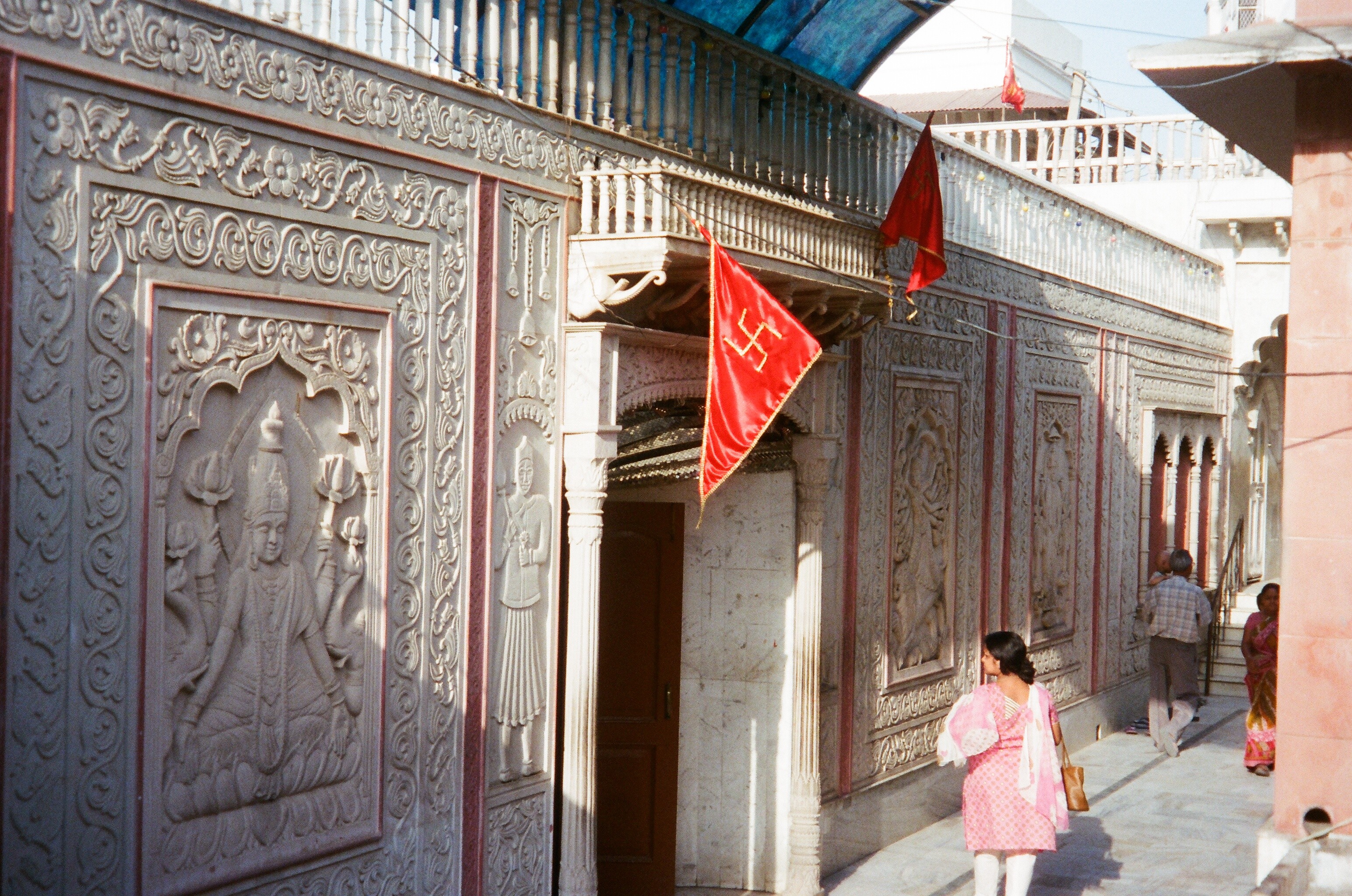
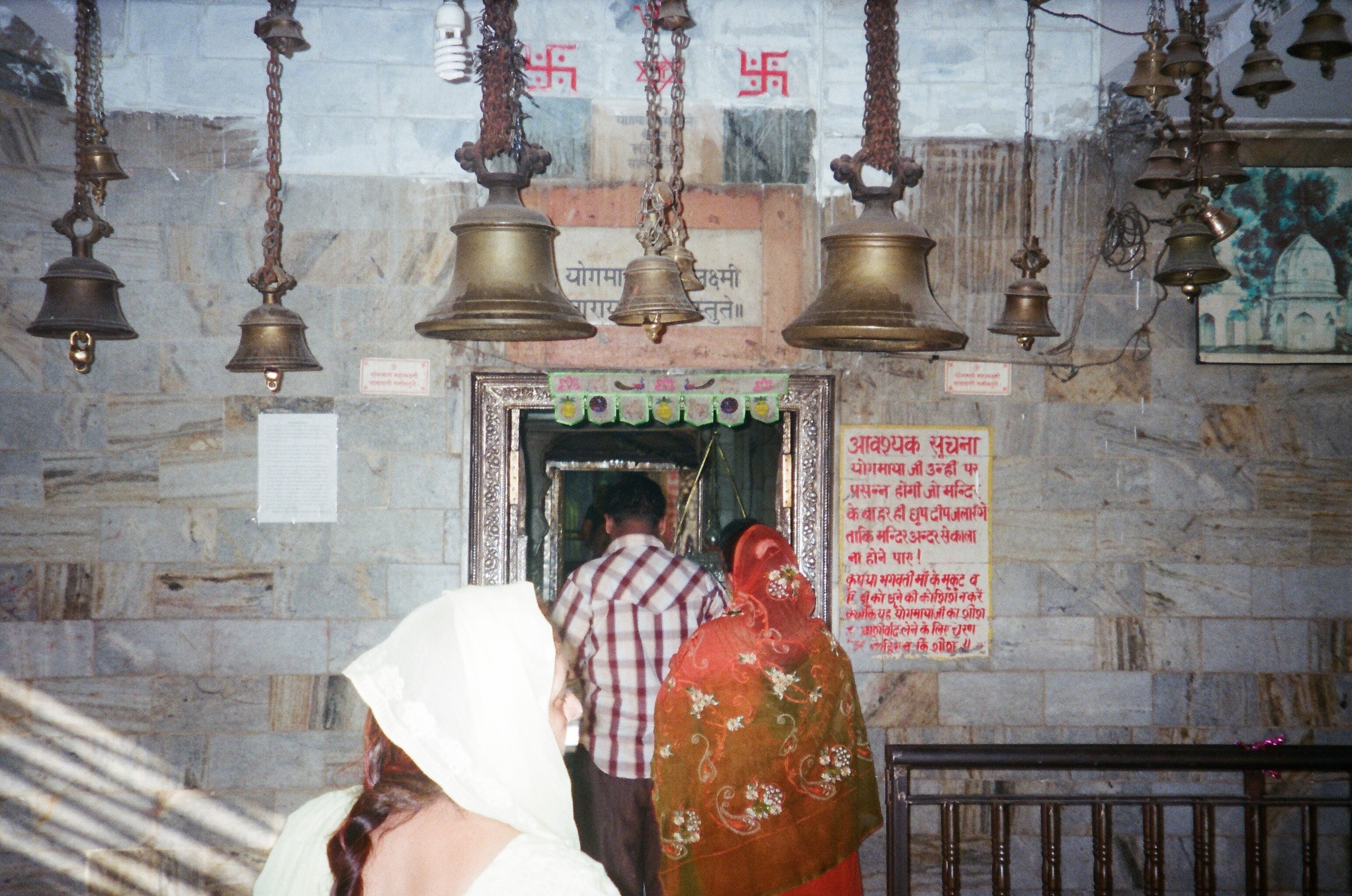
Yogmaya Temple, New Delhi
About Yogmaya Temple, New Delhi
The temple's history reflects the turbulent past of medieval Delhi. According to local records and temple tradition, Yogmaya was among approximately 27 temples destroyed during the Mamluk period. What distinguishes it is that it survived and returned to active use—a rarity among temples of that era. The reconstruction of the temple is attributed to Samrat Vikramaditya Hemu, who brought the structure back from ruins. During Aurangzeb's reign, a rectangular hall in Islamic architectural style was added to the complex. While these successive reconstructions mean the temple's original architecture could not be fully restored, the structure has been repeatedly rebuilt and maintained by local devotees over the centuries, allowing worship to continue to the present day.
Architecture and Physical Layout
The temple displays the Nagara architectural style characteristic of Hindu temple construction. The additions made during different historical periods—particularly the rectangular hall from the Mughal era—mean the temple presents a layered architectural history rather than a uniform design. Visitors should understand that the current structure reflects multiple phases of reconstruction and adaptation, with later elements incorporated alongside earlier foundations. The temple's setting within the Mehrauli archaeological zone, near the Qutb complex, places it within a landscape rich in Delhi's pre-Islamic heritage.
Daily Worship and Darshan
The temple opens daily for darshan from 5:00 AM to 9:00 PM, allowing devotees flexible access throughout the day. Two formal aartis are performed—one in the morning and one in the evening—marking the principal moments of ritual worship. Visitors may participate in these ceremonies or offer individual prayers during open hours. As with most Hindu temples, modest dress is customary; visitors should remove footwear before entering the sanctum and approach the deity with respect. Photography policies vary; it is best to inquire with temple staff before photographing the inner shrine or rituals.
Best Times to Visit
The optimal season for visiting is October through March, when Delhi's weather is cooler and more comfortable for travel. During the monsoon and summer months, conditions can be challenging. Visitors planning to attend specific aartis or ceremonies should confirm exact timings in advance, as schedules may shift with festivals and seasonal observances. The temple's location near the Qutb complex means visitors can combine a visit with exploration of other historical monuments in Mehrauli.
Reaching the Temple
Yogmaya Temple is situated in Mehrauli, South Delhi, at coordinates 28.525°N, 77.1825°E. The temple lies close to the Qutb Minar complex, a major landmark that can aid navigation. Visitors traveling by private vehicle can use these coordinates with GPS. Public transport options in Delhi connect to Mehrauli; local inquiry or mapping applications can provide current transit routes. The temple's proximity to the Qutb archaeological zone means the area has established visitor infrastructure, though facilities directly at the temple should not be assumed.
Visiting Etiquette and Practical Considerations
Visitors should approach the temple with awareness of its status as an active place of worship serving a local devotional community. Silence and respectful behavior in the sanctum are expected. Offerings of flowers, incense, or coconut may be made; inquire with temple staff about protocols. The temple's long history and modest scale mean facilities may be limited; visitors should plan accordingly. Those wishing to arrange special pujas or ceremonies can inquire with temple authorities about possibilities and procedures.
How to reach
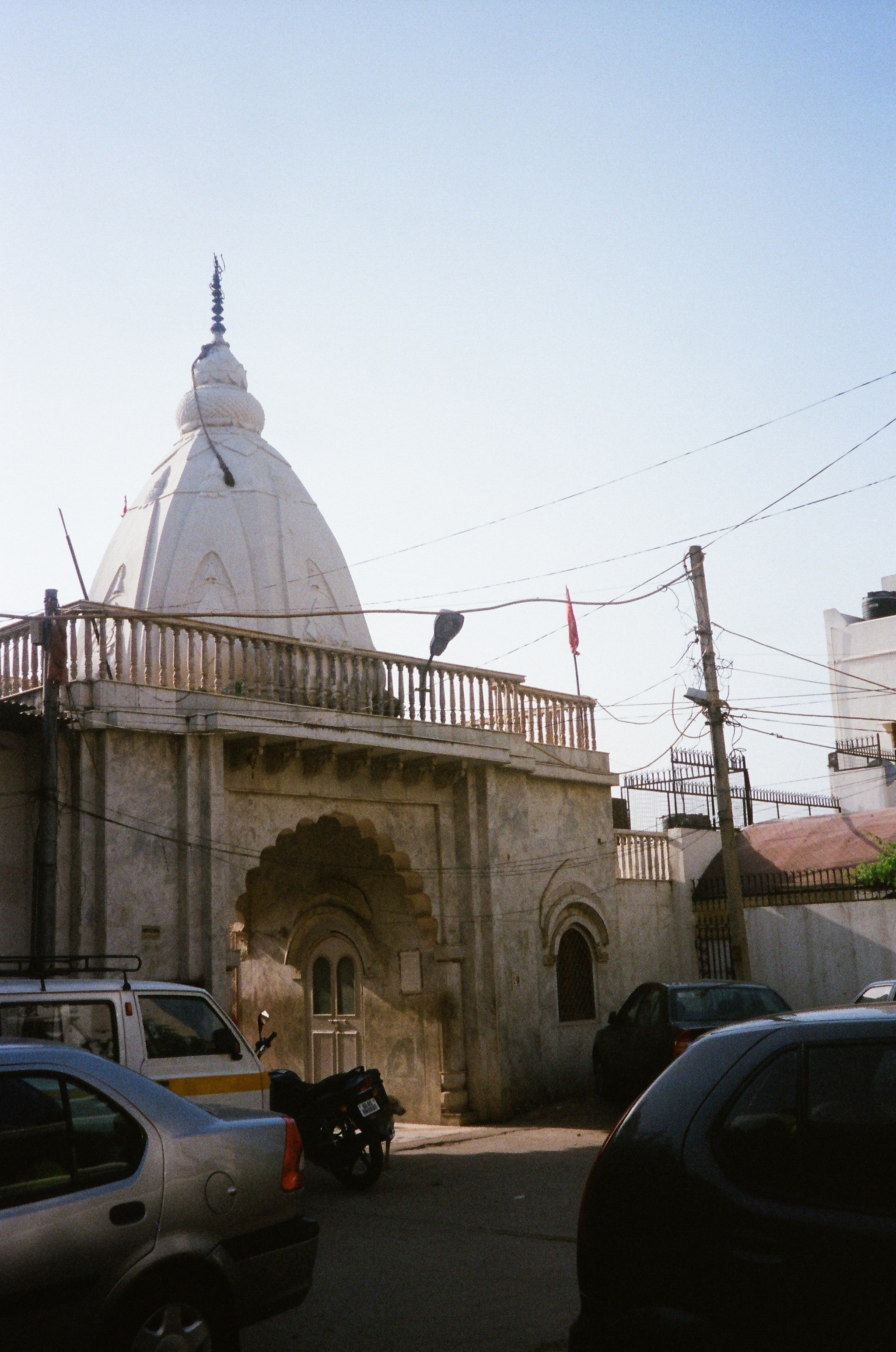
Temples near Yogmaya Temple, New Delhi
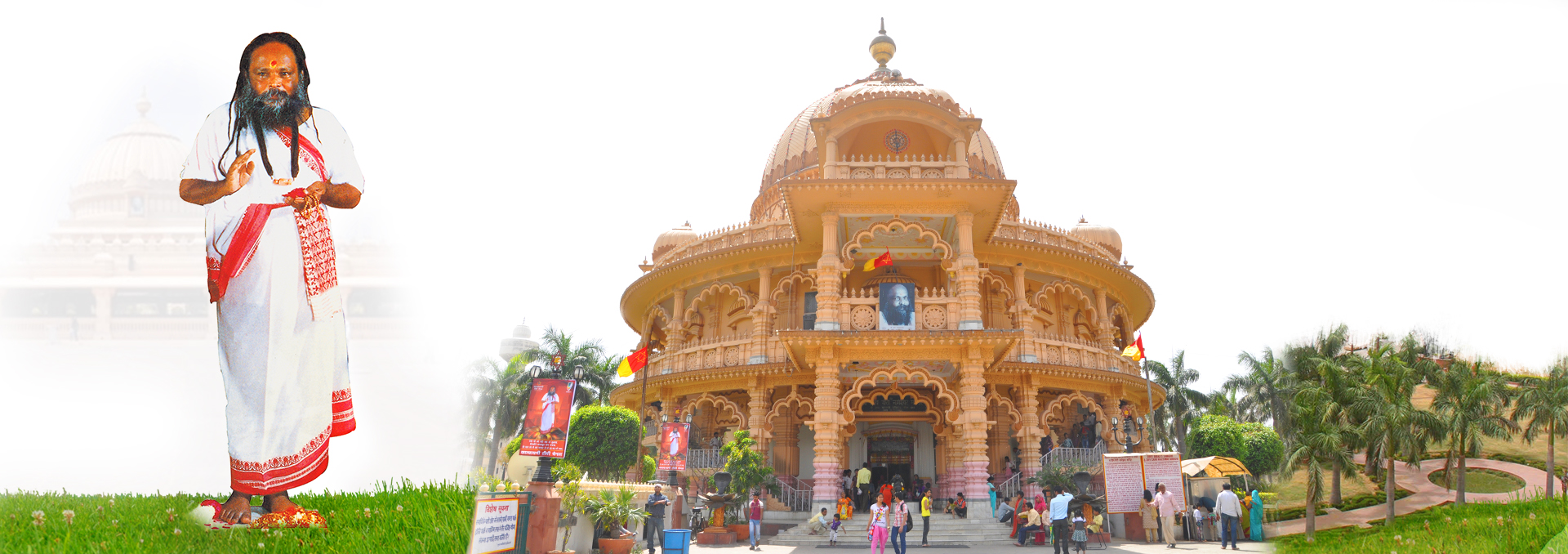
Chhatarpur Temple
Shri Aadya Katyayani Shakti Peeth is Delhi's second-largest temple, dedicated to the goddess Katyayani and sprawling across 28 hectares of white marble architecture on the south…
Jagannath Temple, Delhi
The Jagannath Temple in Hauz Khas, Delhi is a modern shrine established in 1968 by the Odia community, renowned for its annual Rathyatra festival that draws thousands of devotees.
Shani Dham Temple
Shani Dham Temple in Asola, Delhi, is dedicated to Shani, the Hindu deity associated with justice and karmic consequences. The temple serves as a spiritual center for devotees s…
Uttara Swami Malai Temple
Uttara Swami Malai Temple in New Delhi is a prominent South Indian Hindu temple complex primarily dedicated to Lord Murugan, serving the Tamil and broader South Indian communiti…
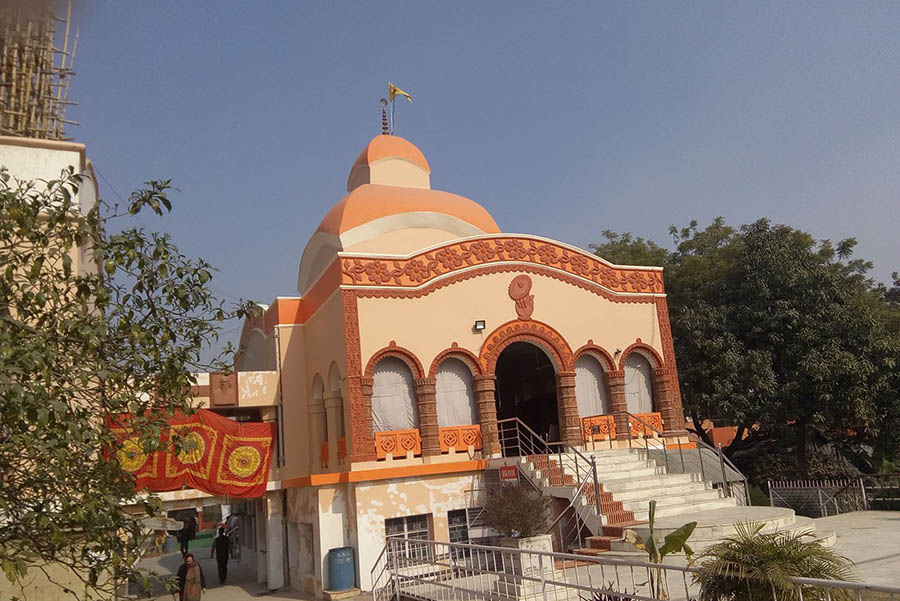
Chittaranjan Park Kali Mandir
Chittaranjan Park Kali Mandir is a revered Bengali temple in South East Delhi founded in 1973, housing shrines to Goddess Kali, Lord Shiva, and Radha-Krishna. It serves as a spi…
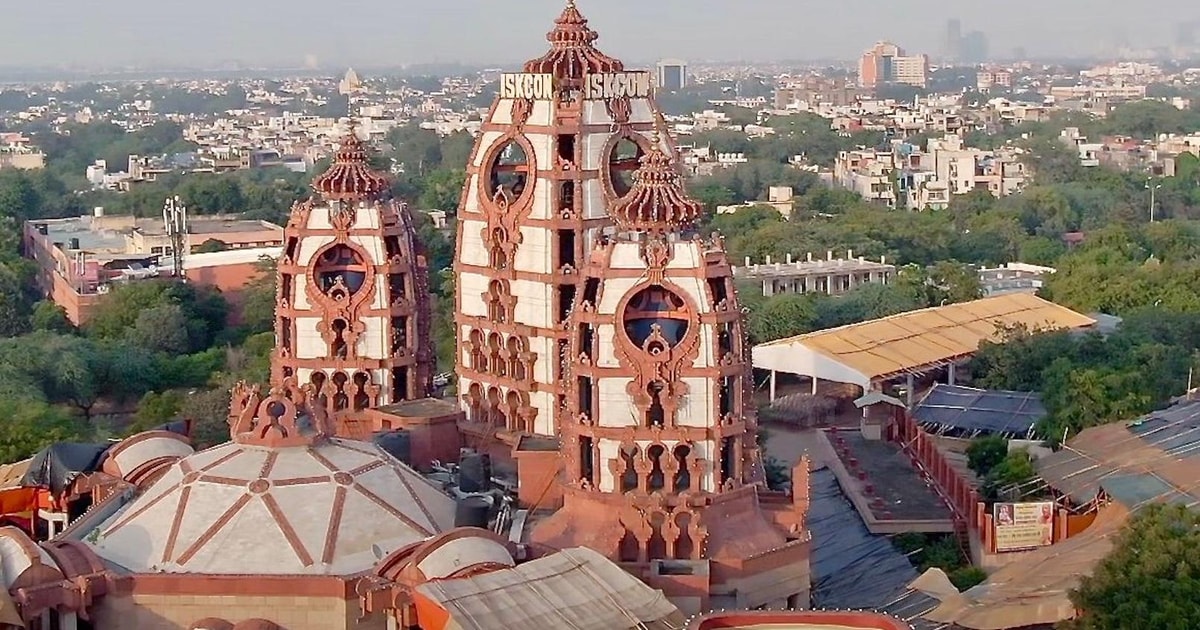
ISKCON Temple, Delhi
Sri Sri Radha Parthasarathi Mandir, the principal ISKCON temple in Delhi, was inaugurated by Prime Minister Atal Bihari Vajpayee on 5 April 1998. The temple houses the presiding…