


Vijayaraghava Perumal temple
About Vijayaraghava Perumal temple
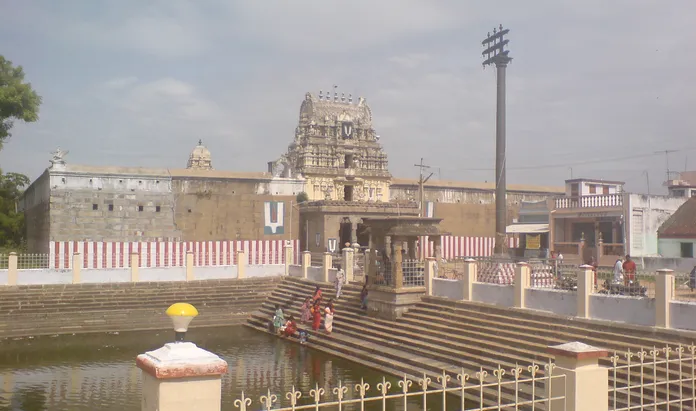
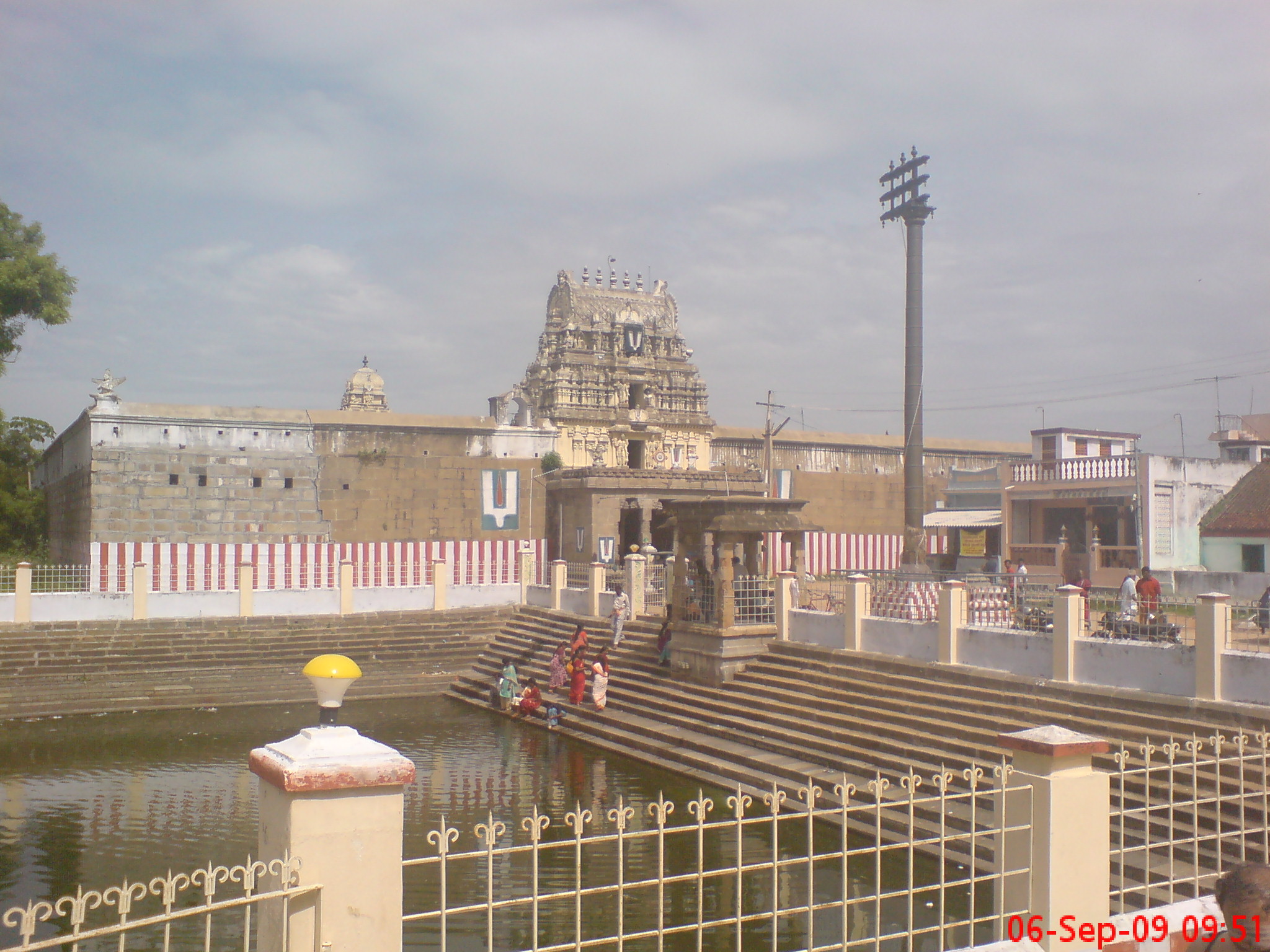
The temple's origins trace to the early medieval period, with construction occurring between the 6th and 9th centuries CE. It stands in Thiruputkuzhi, a village whose name carries etymological significance: "Tiru" is an honorific prefix in Tamil, "pul" means bird, and "kuzhi" means pit, together forming a place name rooted in local geography and tradition.
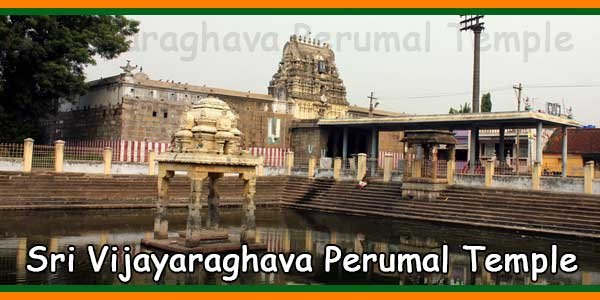
The structure exemplifies Dravidian architectural style, the dominant temple-building tradition of South India. This architectural approach is characterized by its distinctive proportions, sculptural ornamentation, and spatial organization. The temple's design reflects the conventions established during the period of its construction, making it a tangible record of early medieval Tamil religious architecture.
Location and Access
The temple is situated approximately 7 miles west of Kanchipuram, in Kanchipuram district, Tamil Nadu. It lies half a kilometre from Baluchetti Chattiram, a landmark on the Chennai-Vellore highway, making it accessible to those travelling between these major cities. The precise coordinates are 12.8725°N, 79.6189°E. Visitors approaching from Kanchipuram can use the highway as a reference point to locate the temple's vicinity.
Visiting Hours and Darshan
The temple maintains regular daily timings for devotees and visitors. Morning darshan is available from 7:00 AM to 12:00 PM, and evening darshan from 4:00 PM to 7:00 PM. These hours apply throughout the week. Visitors should plan their visit within these windows to ensure access to the sanctum and the deity.
As with temples dedicated to Vishnu in the Tamil tradition, devotees typically remove footwear before entering the inner sanctum and maintain respectful conduct during worship. Modest dress is customary; visitors should cover shoulders and knees as a mark of respect. Photography policies vary by temple; it is advisable to inquire with temple staff before photographing the deity or inner sanctum.
Worship and Rituals
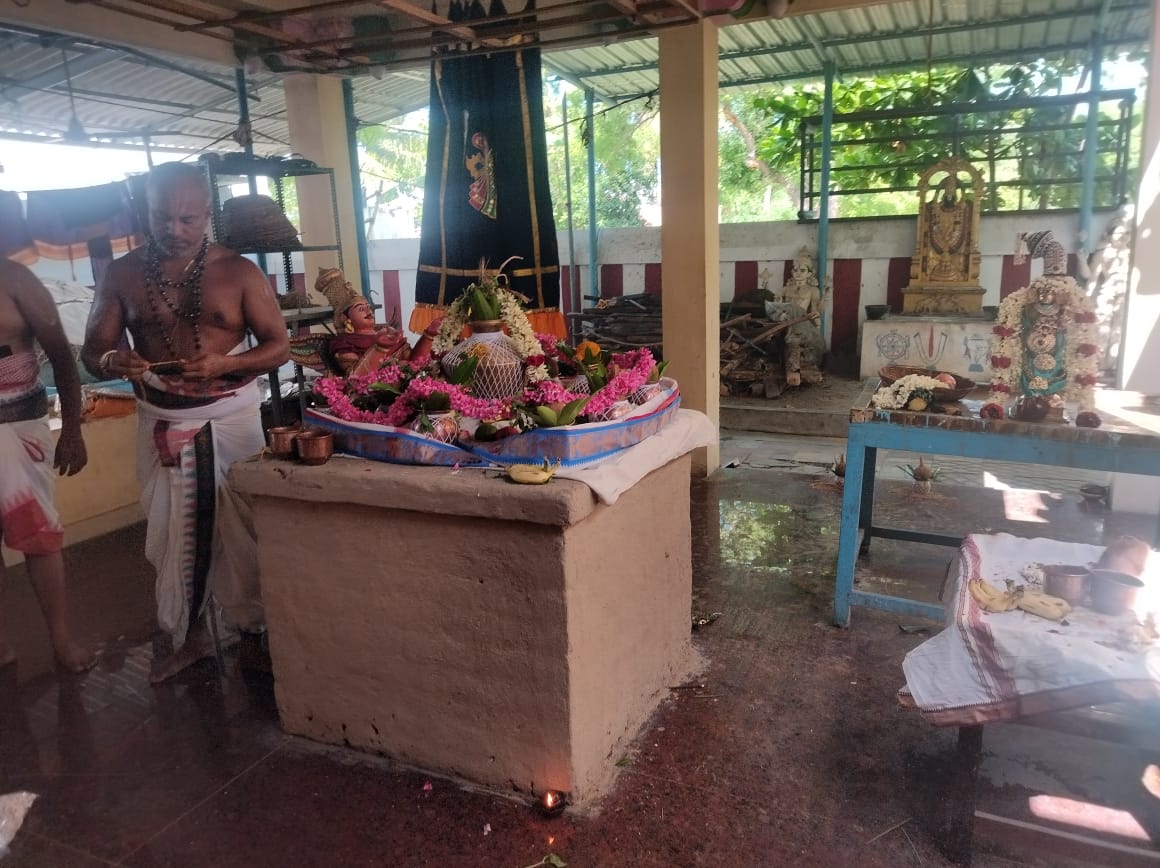
The temple follows the ritual practices characteristic of Vishnu temples in the Dravidian tradition. Regular pujas (worship ceremonies) are conducted during the prescribed hours. The presence of the consort deity, Maragathavalli Thayar, means that worship encompasses both the primary deity and the goddess, reflecting the complementary divine principles honoured in this theological framework.
The iconographic details of the deity—the positioning of hands, the presence of attendant figures, and the symbolic objects held—are central to the devotional experience. Pilgrims and visitors engage with these visual elements as expressions of divine attributes and cosmic principles.
Practical Information for Visitors
The temple is situated in a village setting, approximately 12.8 kilometres from Kanchipuram town. Visitors should carry water and sun protection, as the area experiences the climate typical of Tamil Nadu's interior regions. Basic facilities within the temple complex may be limited; visitors are advised to inquire locally about accommodation and dining options in nearby Kanchipuram, which lies within reasonable distance.
The temple's significance as a Divya Desam makes it a destination for both pilgrims undertaking the sacred circuit of these 108 shrines and for travellers interested in early medieval Tamil architecture and religious history. A visit can be combined with exploration of other temples and heritage sites in the Kanchipuram region, which has been a major centre of religious and cultural activity for centuries.
How to reach
Temples near Vijayaraghava Perumal temple
Sri Adhikesava Perumal temple
Sri Adhikesava Perumal Temple in Kanchipuram is a Divya Desam where the deity manifests in the rare eight-armed Ashtabhuja form, commemorating Vishnu's victory over the demons M…
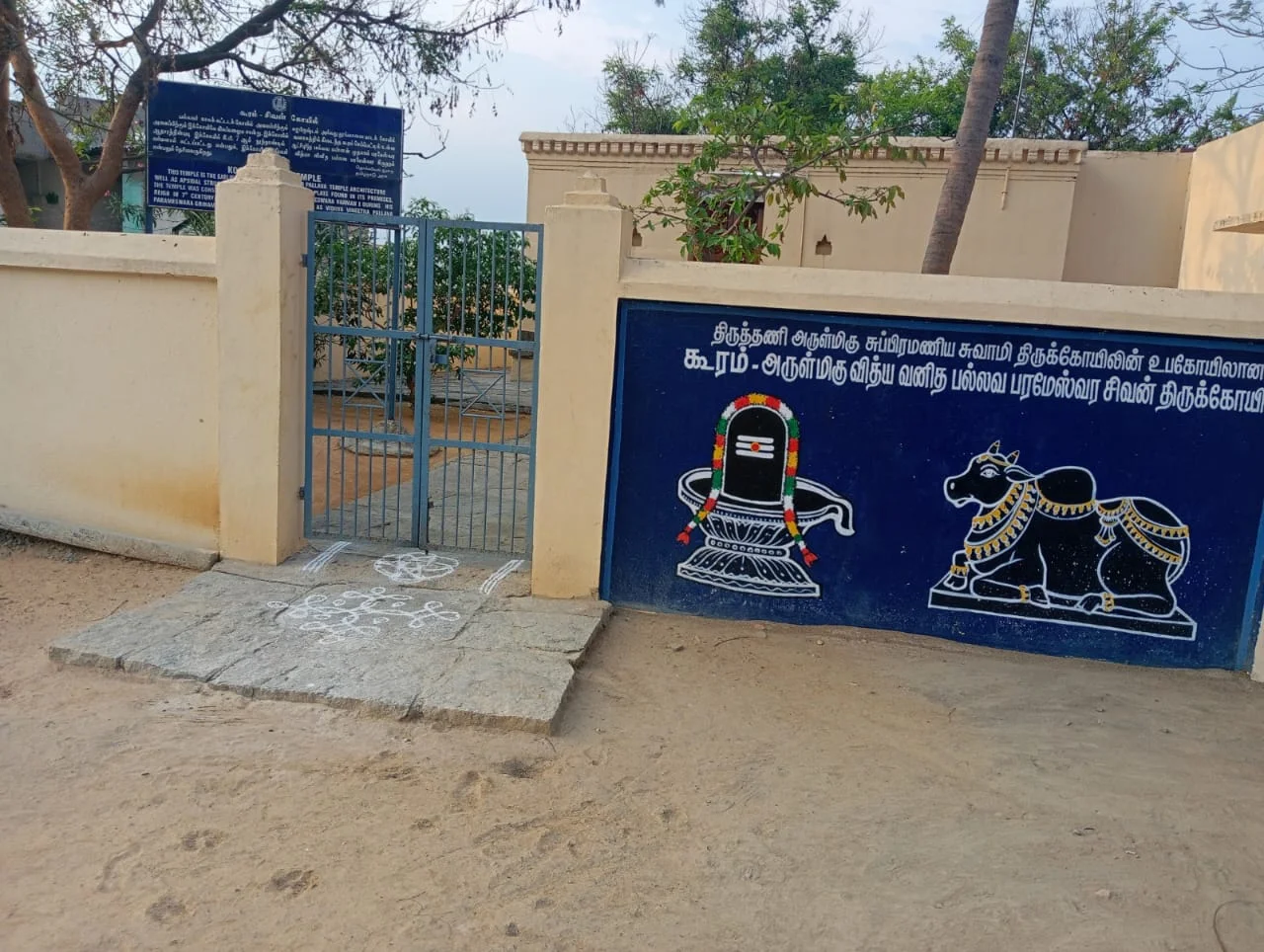
Kooram Vidya Veenitha Pallava Parameswaram Temple Kanchipuram
Arulmigu Vidyavanitha Pallava Parameswarar Temple in Kooram is a state-protected Hindu shrine dedicated to Lord Parameswara, located in Tiruvallur District, Tamil Nadu.
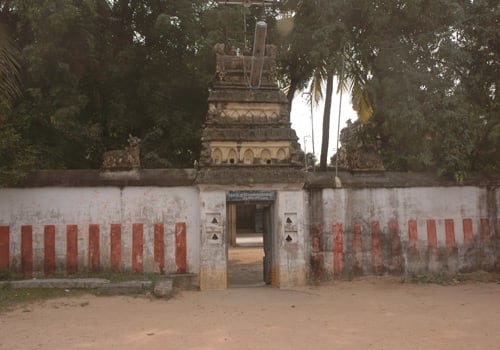
Kachi Anegathangavatham
Kachi Anekadhangavadeswarar Temple in Kanchipuram is an ancient Shiva shrine where Lord Vinayaka installed the lingam after defeating the demon Kesi and marrying Vallaba. Praise…
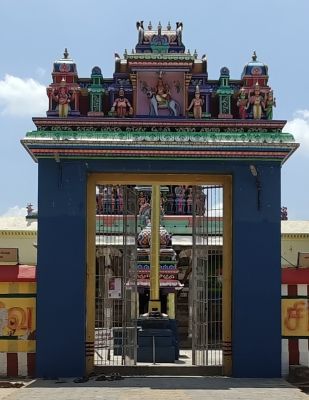
Tiruppanangadu Talapurisvarar Temple
Tiruppanangadu Talapurisvarar Temple is a Shiva shrine in Tiruvannamalai district, Tamil Nadu, celebrated in the Tevaram hymns of the Nayamars and classified as a Paadal Petra S…

Kailasanathar Temple, Kanchipuram
The Kailasanathar Temple in Kanchipuram is a Pallava-era shrine dedicated to Lord Shiva, built around 700 CE and standing as one of South India's oldest surviving temples with d…

Metraleeswar Temple
Metraleeswarar Temple is an ancient Shiva shrine in Kanchipuram revered in the 7th-century Tamil Saiva canonical work Tevaram and expanded significantly during the 13th century…