Vettikkavala Mahadeva Temple
About Vettikkavala Mahadeva Temple
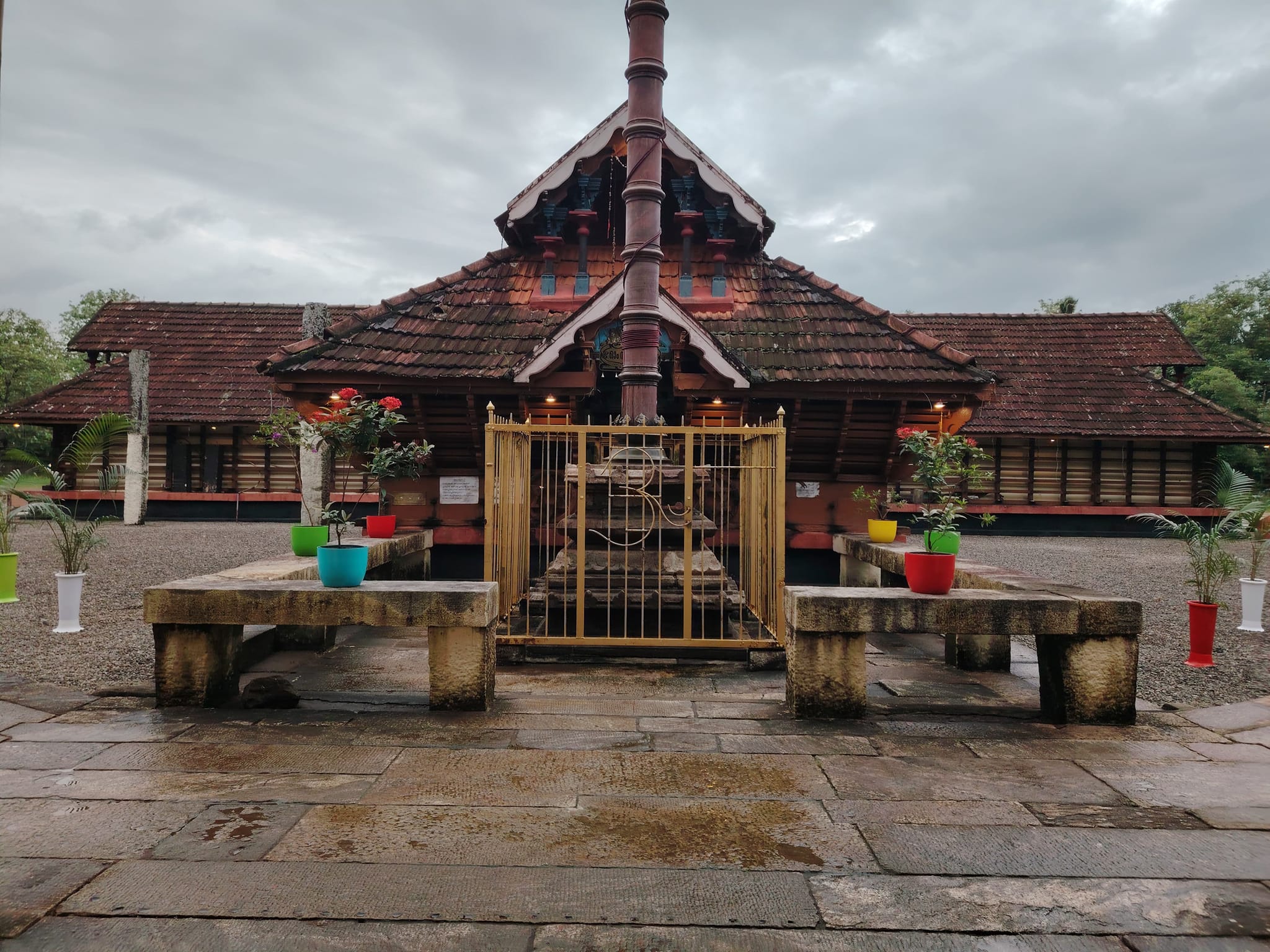
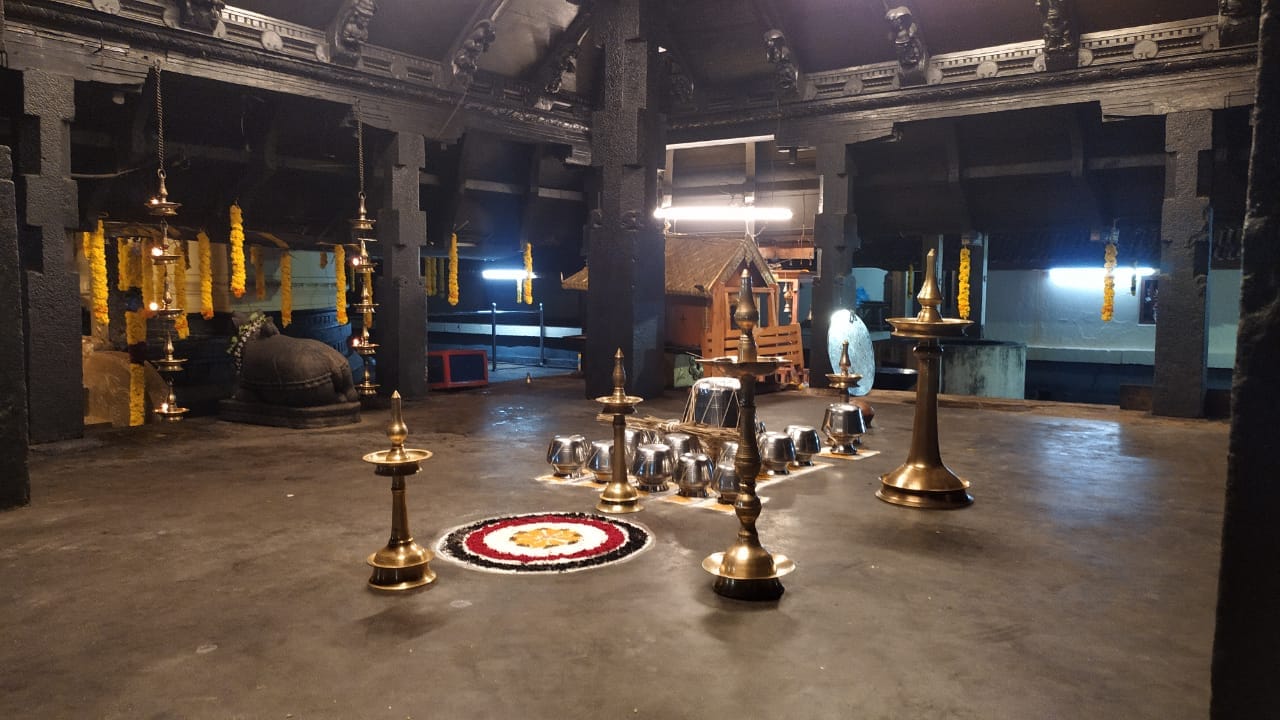
The temple complex features substantial gopurams and inner chambers constructed according to Kerala's traditional architectural principles. The Vishnu temple displays two flagposts (kodimaram), symbols of the deity's presence and the temple's ritual significance. Both shrines maintain their own ritual spaces and altars, with separate offerings and ceremonial practices suited to each deity.
Beyond the two principal deities, the temple honors numerous subsidiary deities and divine forms. These include Ganapathy, Nagam (serpent deity), Kazhuvudayan, Vasoorimala, Bhoothathan, Kochu Moorti, and Vathukkal Njali Kunju—a manifestation of the divine feminine in her childlike form. The presence of multiple upa devatas reflects the layered spiritual landscape typical of Kerala temples, where various divine aspects receive worship according to established ritual calendars.
Rituals and Daily Worship
Each deity receives distinct offerings suited to their nature and the devotional traditions associated with them. For Shiva, principal offerings include abhisheka (ritual bathing), rice cakes, rice porridge, conch-shell bathing, evening lamps, and garland offerings. Vishnu receives payasam (rice pudding), bananas, ghee, ritual bathing with specific mantras, and tulsi garlands. Ganapathy receives homa (fire ritual), garlands, and rice cakes, while Ayyappa receives sesame pudding and camphor offerings. The Vathukkal Njali Kunju form of the divine feminine receives particular devotion, with believers offering black sesame seeds, colored cloths, and cradles in hopes of receiving blessings related to childbirth and children.
Lamps are lit daily for the serpent deities and other protective forces. The rakshasa (demonic force) receives payasam, while the nagas (serpents) receive rice, milk, and ant-hill offerings. This comprehensive ritual structure ensures that all aspects of the divine and the spiritual realm receive appropriate veneration.
Annual Festivals and Observances
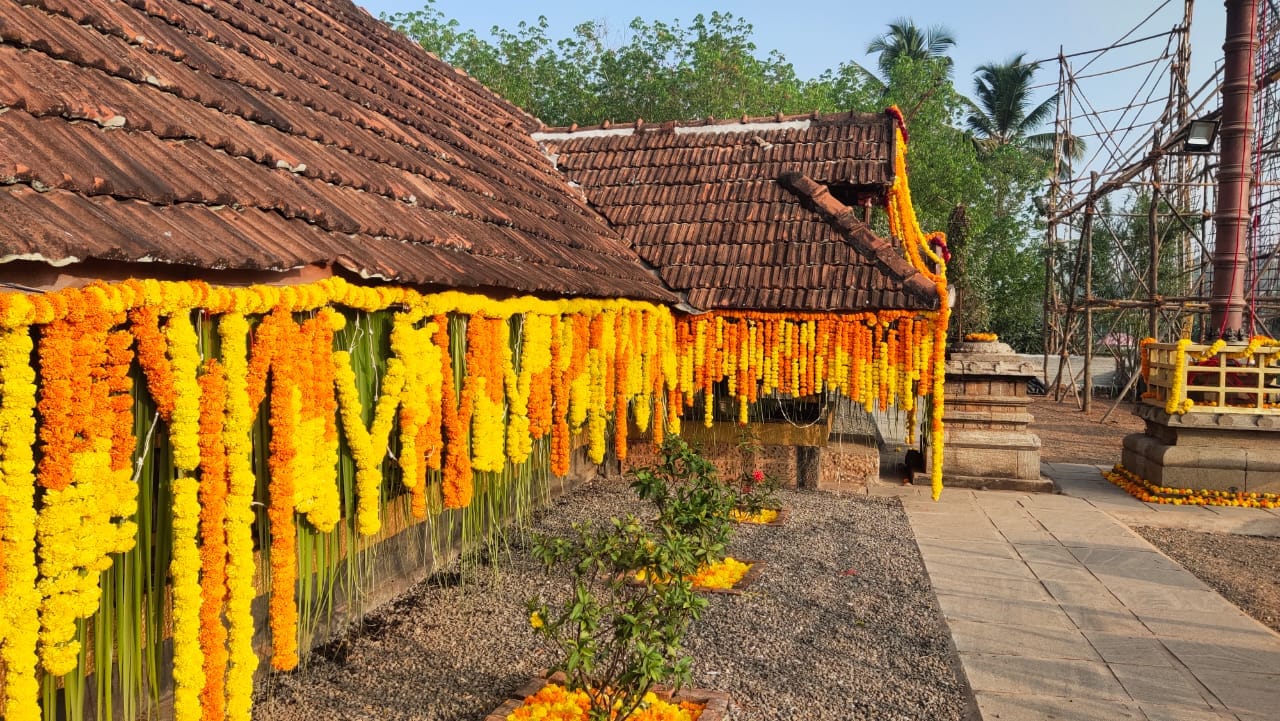
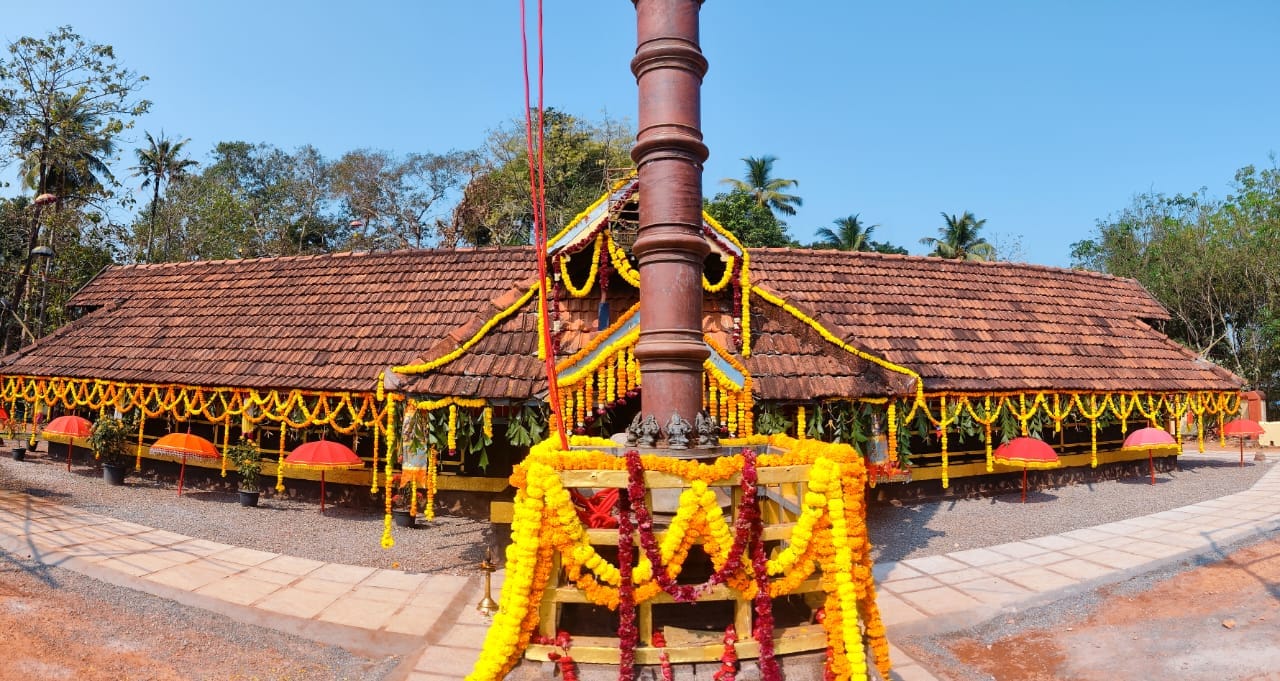
The temple's most significant annual celebration is a ten-day festival during Kumbham month (December-January), culminating in the arattu ceremony on Thiruvathira nakshatra. This extended observance draws devotees for the flag-hoisting ceremony and concludes with ritual bathing of the deity.
The temple also observes Paal Pongala during Tulam month (September-October), a ritual in which devotees prepare rice pudding as an offering. The Ashtami Rohini festival, celebrated during Vrischika month (October-November), holds particular significance, with the Ashtami darshan during this period considered especially auspicious for worship.
Historical Background
The temple's origins are connected to the Kottarakkara royal family. During the reign of Sri Moolam Thirunal, the temple underwent renovations undertaken by Sankaran Thambi, marking an important phase in its preservation and development. These historical associations underscore the temple's standing within the region's spiritual and cultural landscape.
Visiting the Temple
The temple is located at Vettikkavala, Melila, Kollam, Kerala 691538 (coordinates: 8.9992681, 76.8227054). Visitors planning to attend should note that festival periods, particularly Kumbham month and the Ashtami Rohini festival, draw larger crowds and may have modified darshan schedules. It is advisable to contact the temple directly regarding current darshan timings, as these may vary seasonally and on festival days. Modest dress is customary when visiting Hindu temples. Devotees typically remove footwear before entering the sanctum and maintain respectful behavior throughout the premises.
How to reach
Temples near Vettikkavala Mahadeva Temple
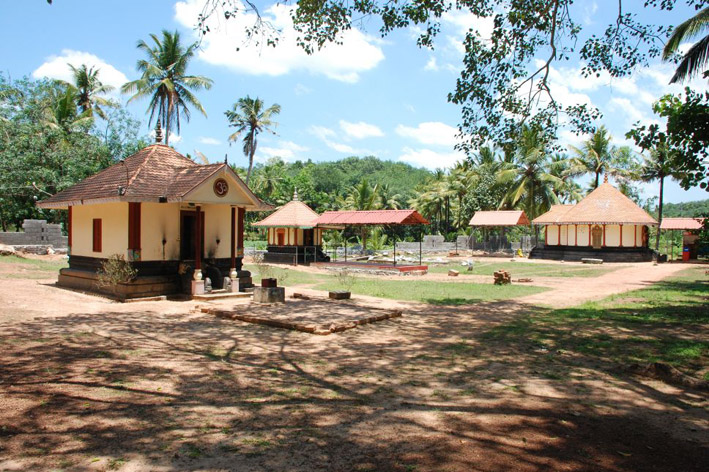
Sree Indilayappan Temple
Sree Indilayappan Temple is a 1500-year-old Hindu shrine in Karickom village, Kollam district, Kerala, dedicated to both Shiva and Vishnu. The temple features a sanctum and gopu…
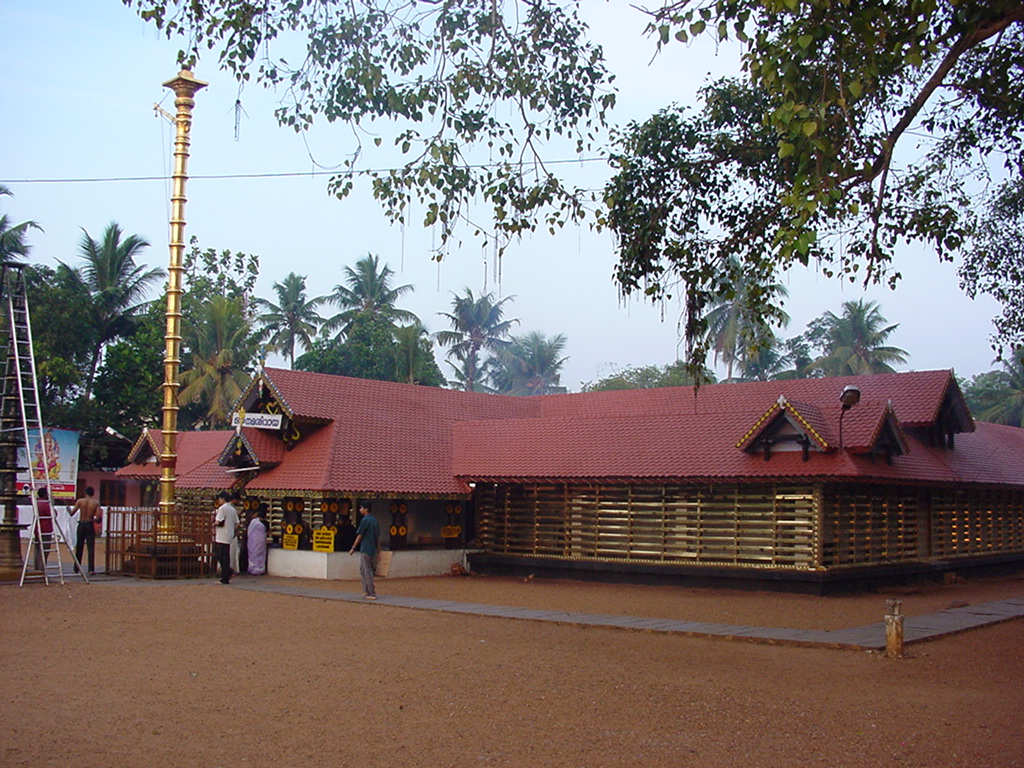
Kottarakkara Sree Mahaganapathi Kshethram
Kottarakara Sree Mahaganapathi Temple is one of South India's historically significant temples, where Lord Ganesha is the presiding deity though the original installation was Lo…
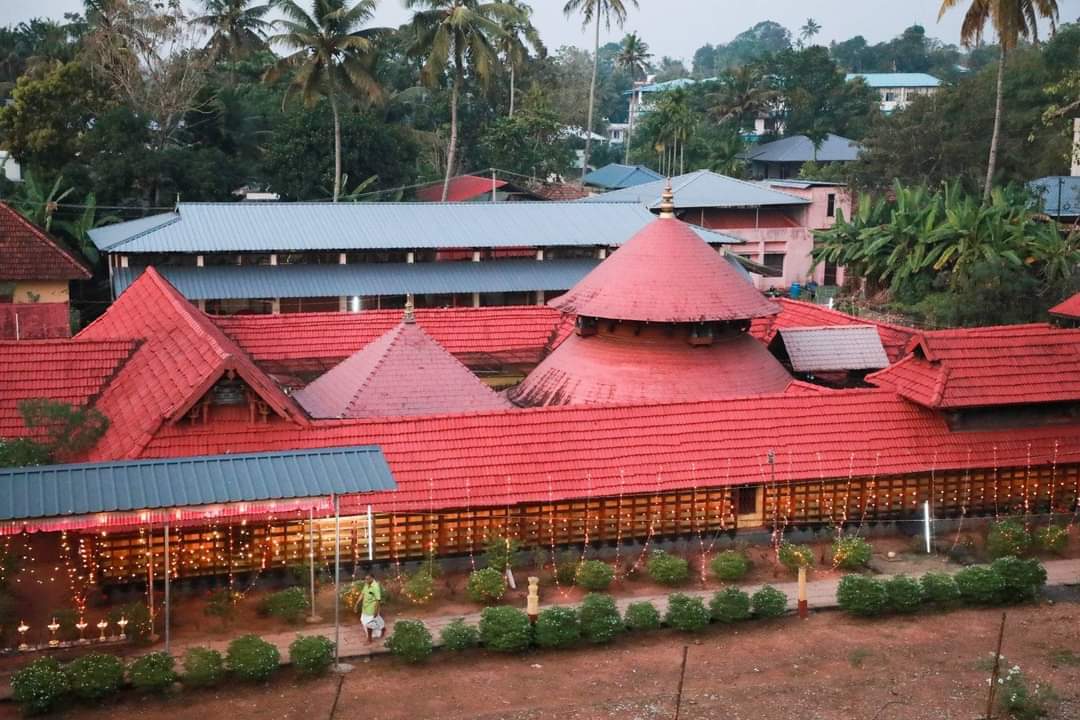
Padinjattinkara Sree Mahadeva Temple
Padinjattinkara Sree Mahadeva Temple is a significant Maha Kshetra in Kottarakkara where Lord Mahadeva and Sree Parvathy are enshrined together in a copper-covered circular sanc…
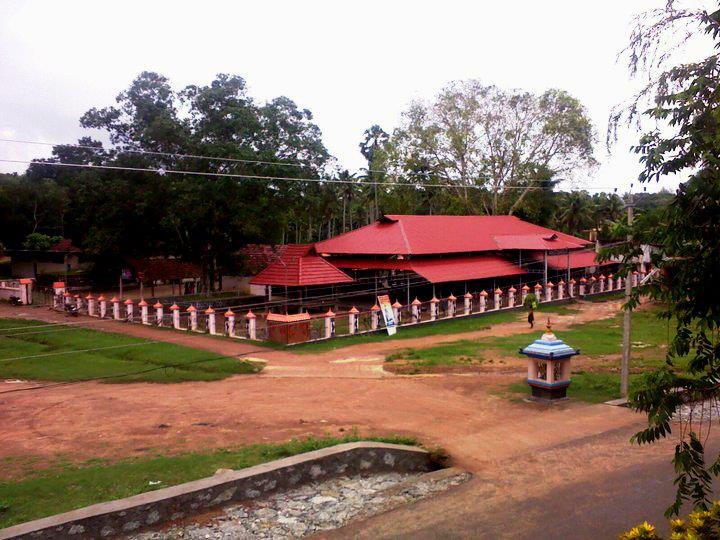
Poovattoor Bhagavathy Temple
Poovattoor Bhagavathy Temple in Kollam, Kerala is an ancient shrine dedicated to Goddess Bhagavathy, renowned for its elaborate annual Kumbha month festival featuring Kettukazch…
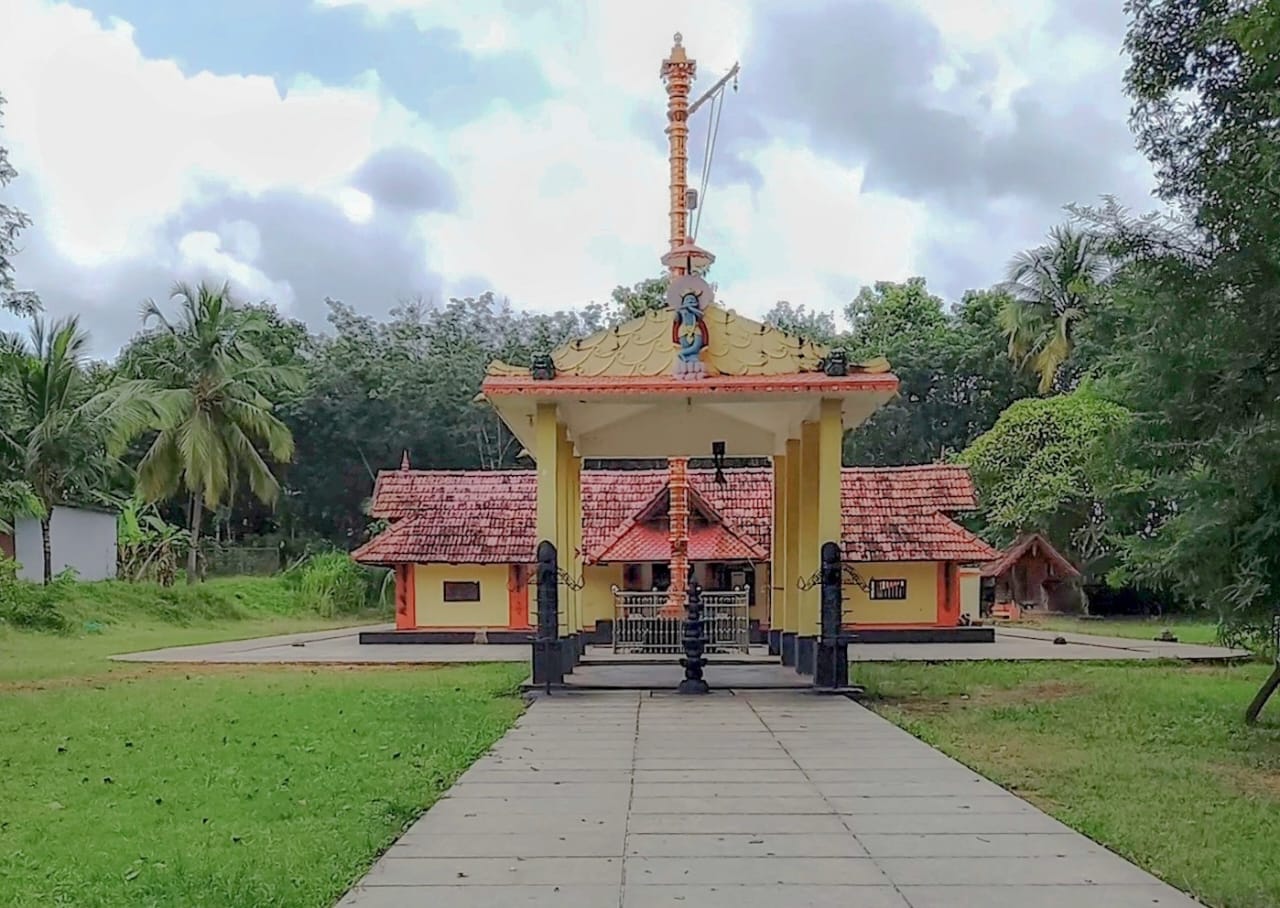
Nelliparampu Sreekrishna Swami temple
The Nelliparampu Sreekrishna Swami Temple in Kollam district, Kerala, is an ancient shrine dedicated to Lord Krishna, believed to date back approximately 1800 years and recogniz…
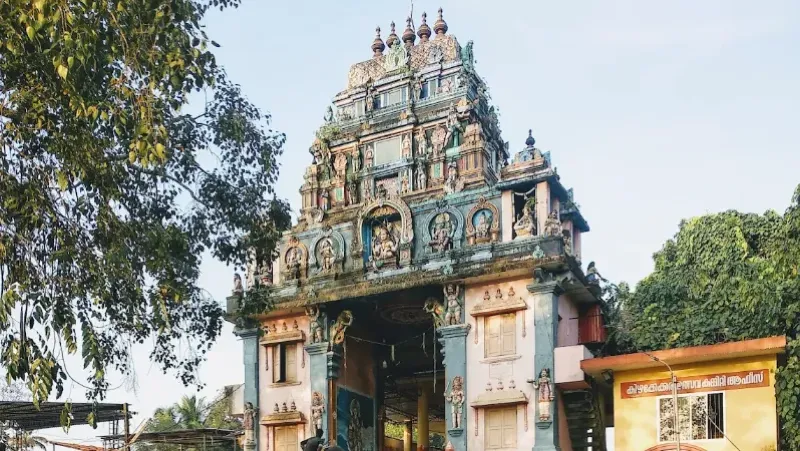
Mahadeva Temple, Kalanjoor
Thrikkalanjoor Sree Mahadeva Temple in Kalanjoor, Pathanamthitta district, is an ancient Shiva temple at least 1100 years old, notable for its dual worship of Lord Mahadeva and…