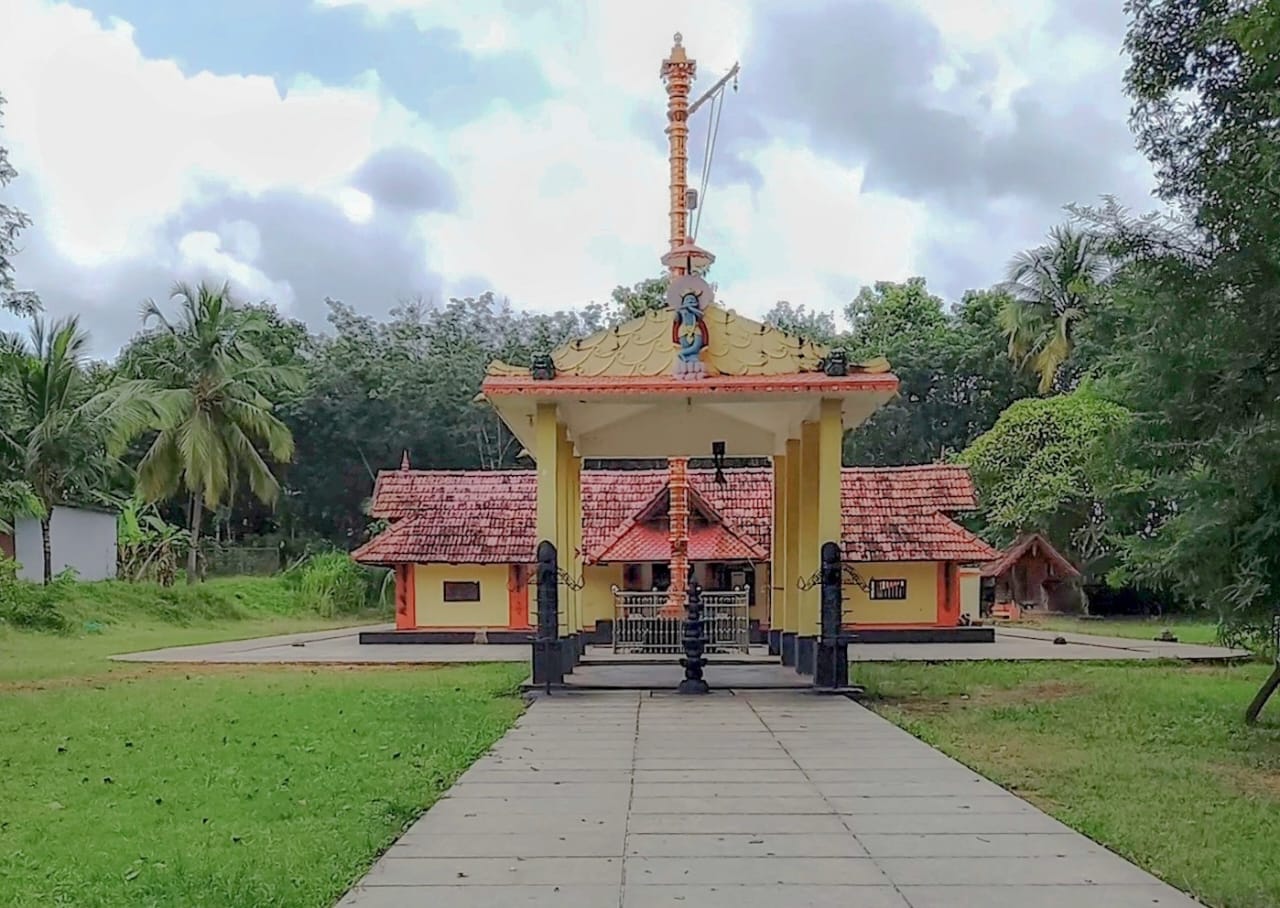
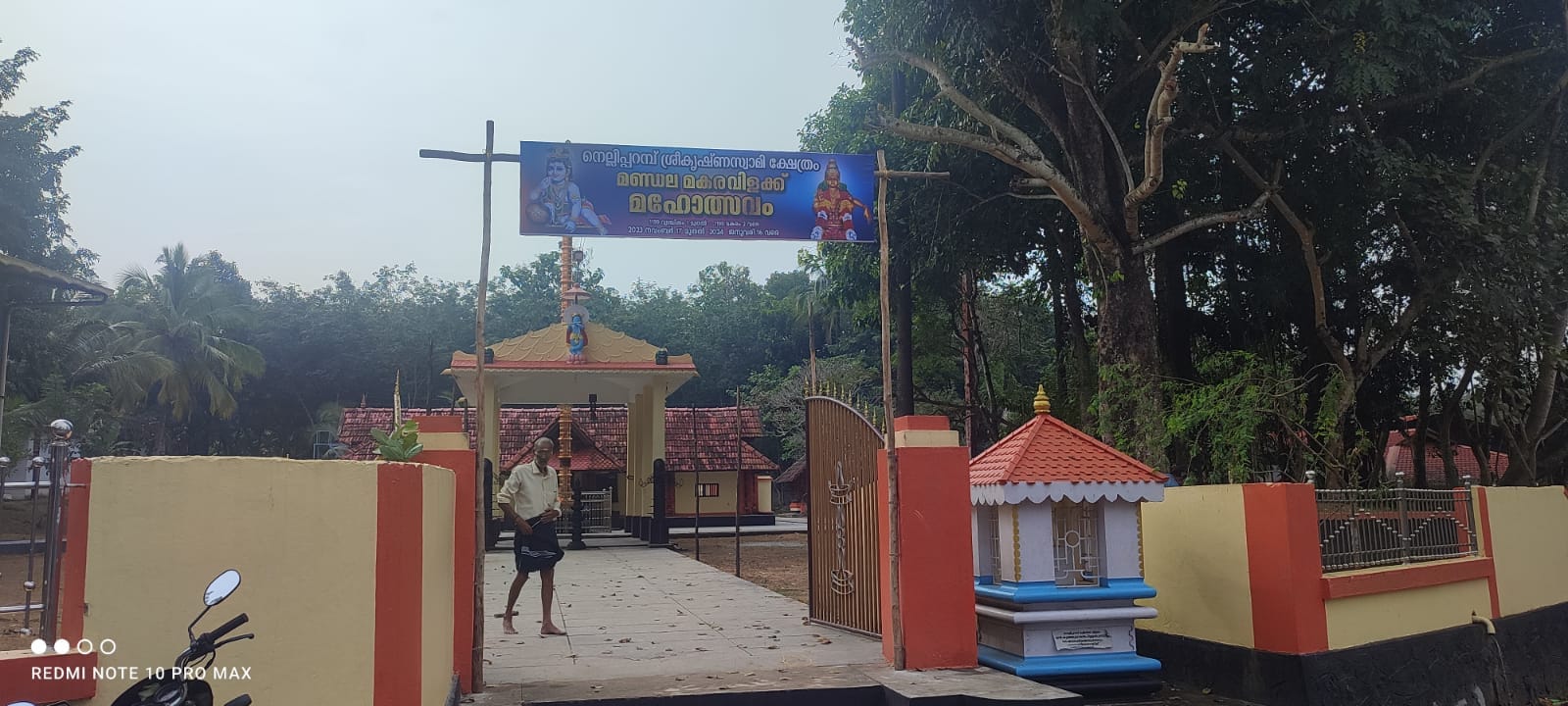
Nelliparampu Sreekrishna Swami temple
About Nelliparampu Sreekrishna Swami temple
The temple maintains a regular cycle of worship and offerings throughout the year. Devotees present various forms of prasadam (blessed offerings) to the deity, including Unniyoottu (a rice preparation), Thiruvona Oottu (a festival rice offering), Palpayasam (a sweet rice pudding), and floral offerings known as Pushpanjali. Among these, the Santhanagopala Pushpanjali and Swayamvara Pushpanjali are specific ritual offerings made at the temple.
Each year, the temple observes the Bhagavata Saptah—a seven-day recitation of the Bhagavata Purana, the sacred text that recounts Krishna's life and teachings. This annual commemoration draws devotees seeking spiritual nourishment through the sacred narratives. The temple also marks significant days in the Hindu calendar with special reverence and ceremony.
Festivals and Celebrations
The temple's most prominent festival is the Meena Rohini Maholsavam, celebrated with considerable grandeur. The festival begins with Thrikkodiyett, the ceremonial hoisting of the festival flag, which formally inaugurates the festivities. The celebration concludes with Thrikkodiyirakku, the lowering of the flag, marking the festival's end.
Another important observance is Palpayasa Pongala, held during the month of Makaram. During this ritual, devotees prepare and offer sweet milk rice to the deity. The temple also celebrates Vishu, Ashtamirohini, and Thiruvonam—significant days in the Kerala Hindu calendar—with special ceremonies and devotional attention.
Architecture and Sacred Space
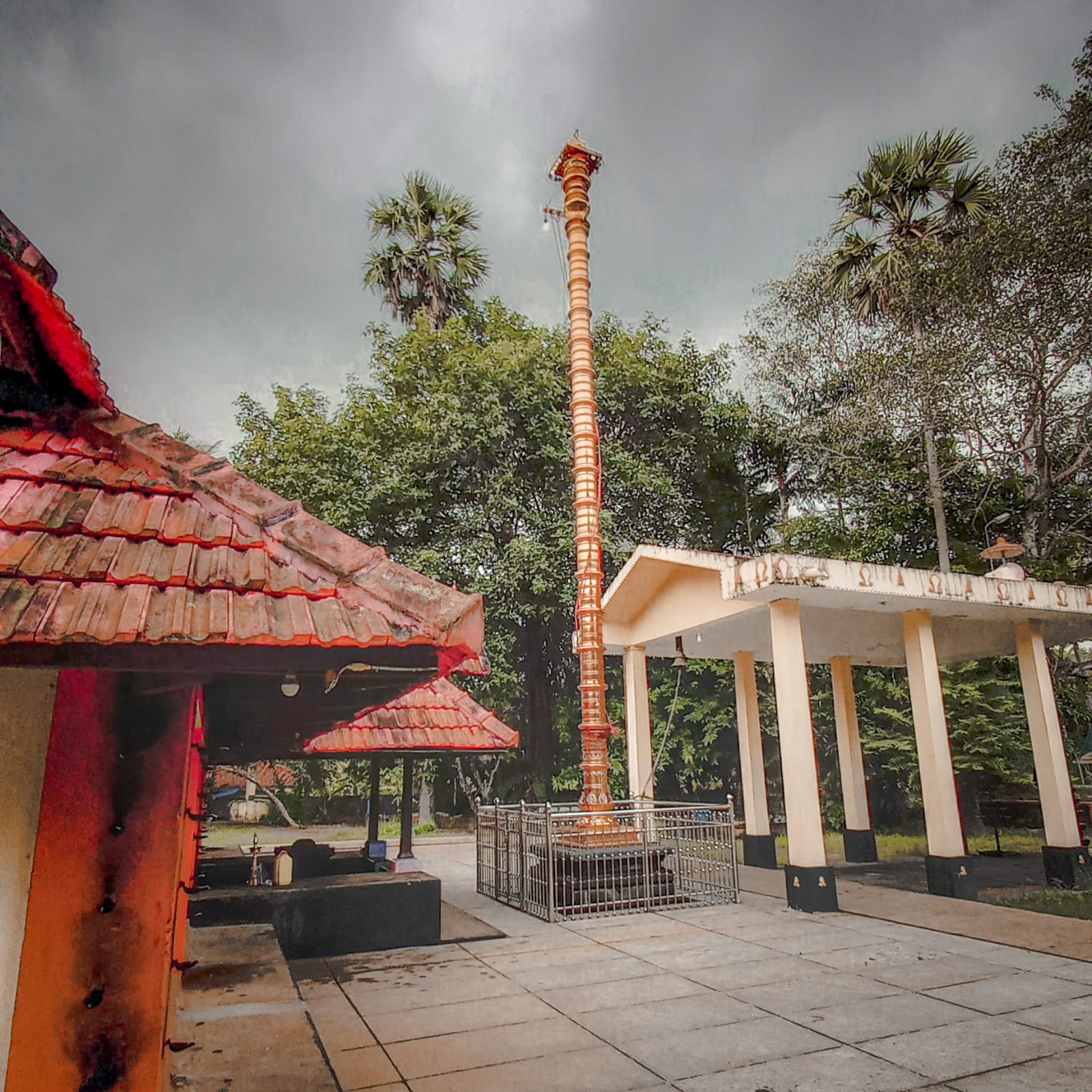
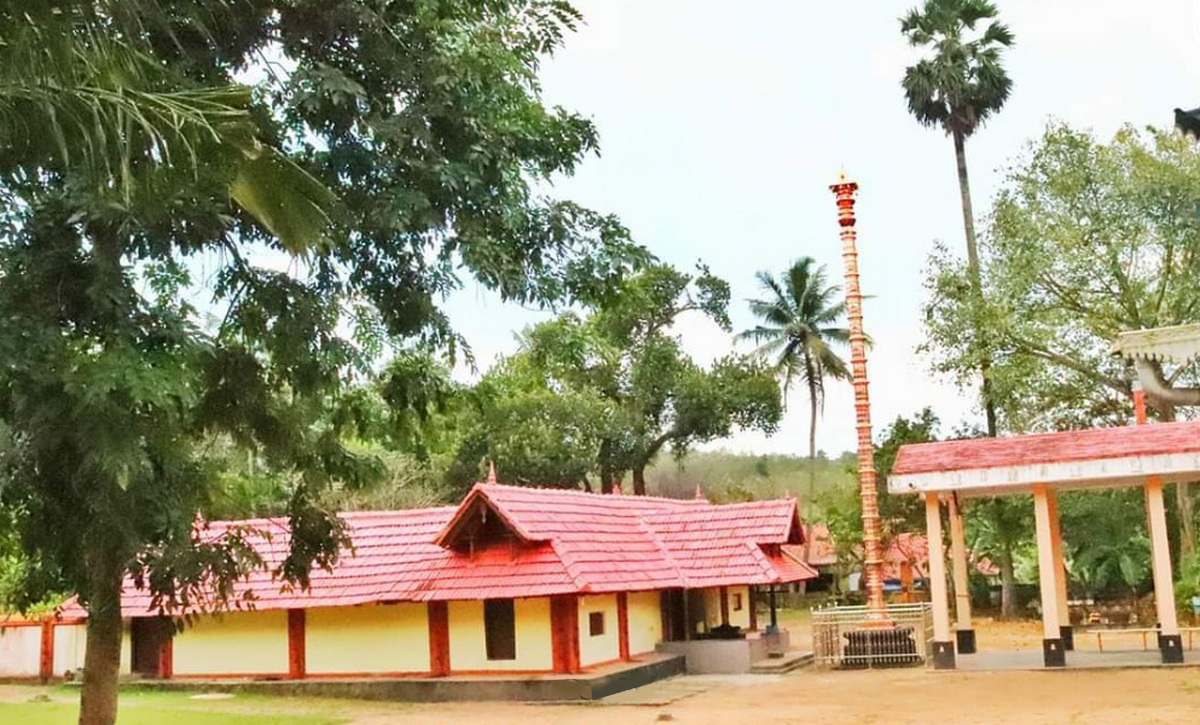
The temple reflects the architectural traditions of Kerala's Hindu shrines, with ancient flagpoles being among its notable features. These tall wooden structures, which stand in the temple courtyard, are characteristic of Kerala's temple design and play a central role during festival celebrations. The temple's overall layout and construction embody the principles of traditional Kerala temple architecture, though detailed architectural documentation is limited in available sources.
The sacred space is maintained as a center of worship and pilgrimage, drawing those who seek divine blessings and spiritual solace. The temple's long history and continued observance of rituals have established it as a cherished site of reverence within Kollam district.
Visiting the Temple
The temple is located in Pooyapally, Nelliparampu, Kollam, Kerala, with the postal code 691537. It lies approximately 25 kilometers east of Kollam town and about 5 kilometers west of Oyoor. For inquiries, the temple can be reached at the phone number 9447359282.
Visitors to Krishna temples in Kerala should dress modestly, removing footwear before entering the inner sanctum. Women typically wear traditional attire such as sarees or salwar kameez, while men wear dhotis or simple clothing. The temple observes standard Hindu temple etiquette: maintain respectful silence in the sanctum, circumambulate the deity clockwise, and accept prasadam with the right hand. Specific timings for darshan (viewing the deity) and daily worship should be confirmed by contacting the temple directly, as these may vary seasonally.
How to Reach
Nelliparampu village is accessible by road from Kollam town. The temple's coordinates are 8.8973975°N, 76.7712274°E, which can be used with mapping applications for navigation. The nearest major town is Kollam, from which local transport or taxi services can be arranged to reach the temple. Those traveling by public transport should inquire locally about bus services connecting to Nelliparampu or nearby Oyoor.
How to reach
You may also visit
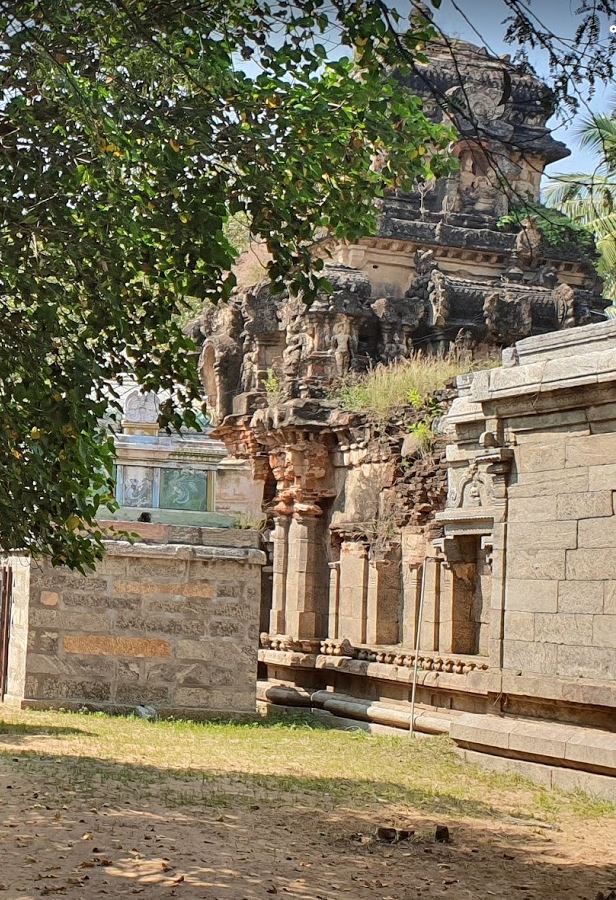
Agatheeswarar Temple, Karur
Agatheeswarar Temple in Thirumukkudalur, Karur district, is an ancient Hindu shrine dedicated to Shiva, situated at the sacred confluence of three rivers and believed to be over 1000 years old.
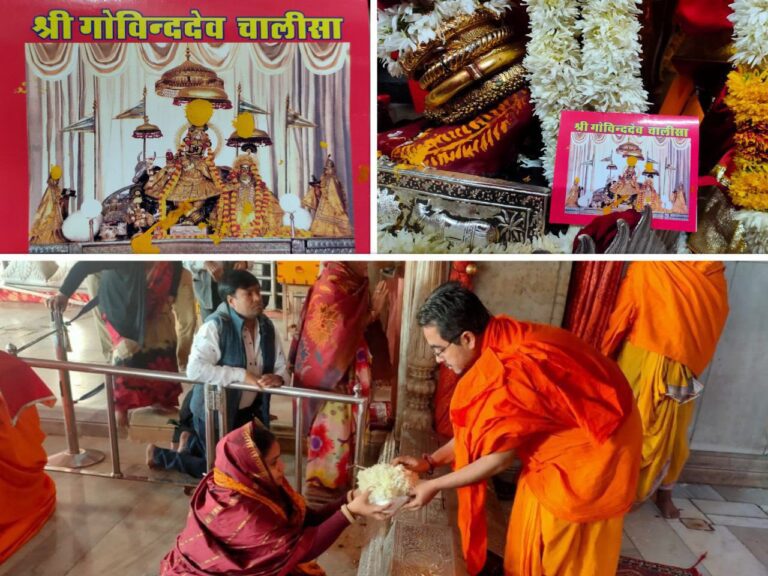
Kalyanji Temple
Kalyanji Temple in Jaipur's Chandpol Bazaar is an ancient Krishna shrine established in the 1820s, renowned for its seven daily aartis and special avatar darshan ceremonies during Akha Teej and Patottsav festivals.
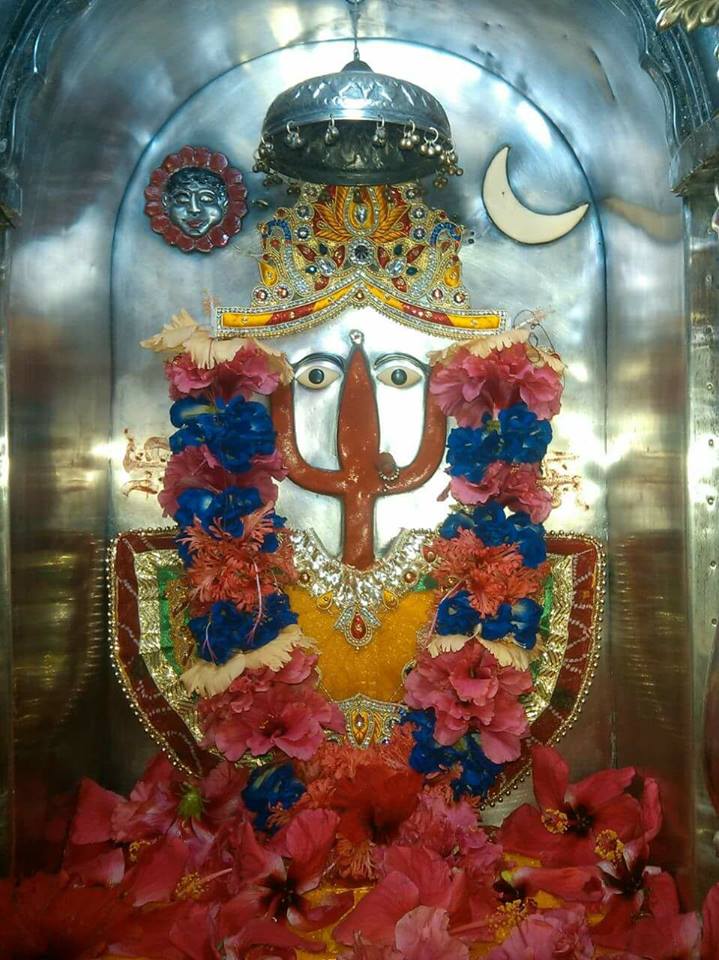
Rani Sati Mandir Mahuda
Rani Sati Mandir in Mahuda, Dhanbad District, is a Hindu temple established in 1992 that serves as a spiritual center for the local community and attracts devotees seeking blessings.