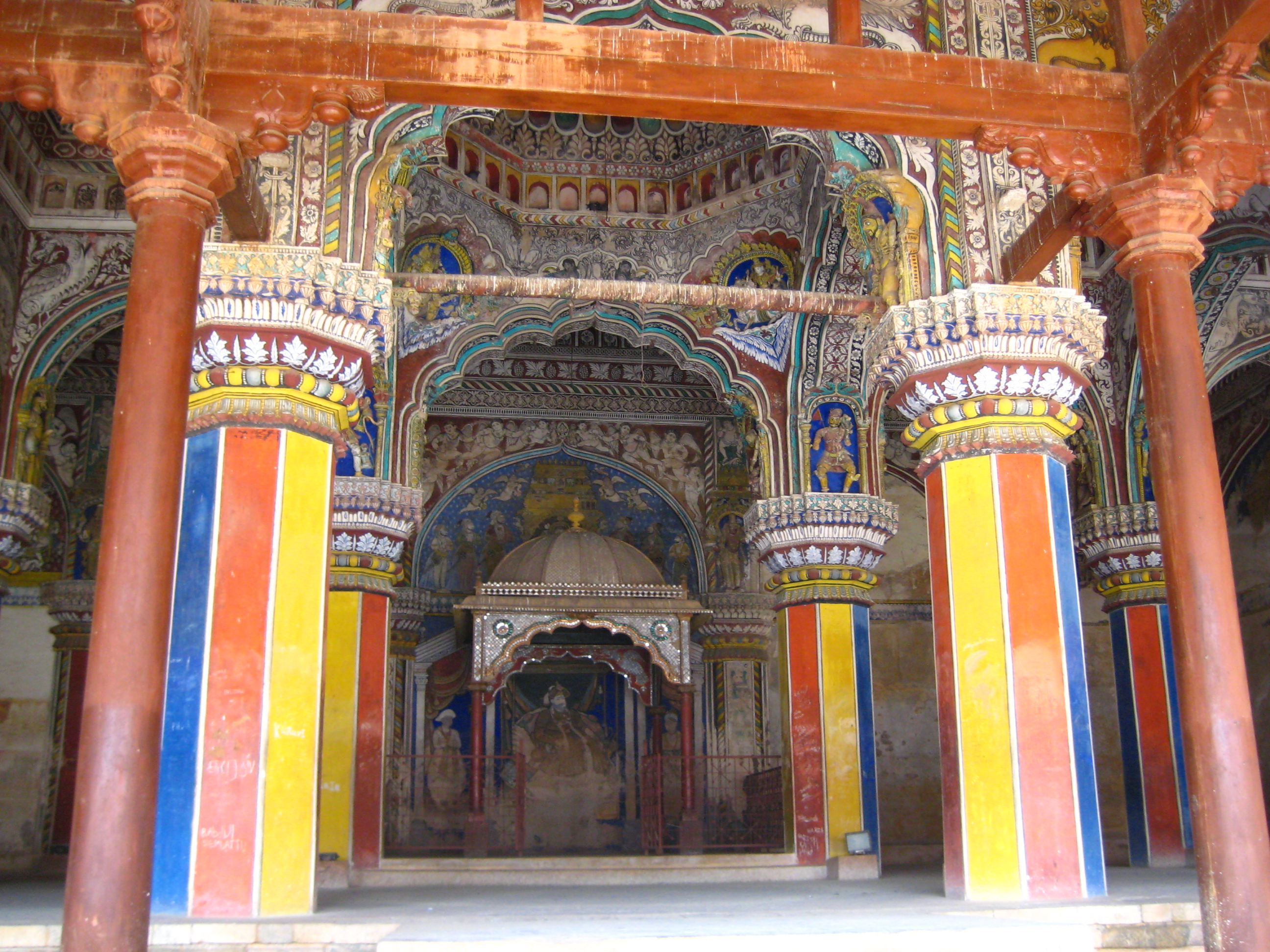

Venkatesa Perumal Kovil
About Venkatesa Perumal Kovil
The temple's sanctum dates to more than 500 years ago, placing its origins in the Chola period. The moolavar—the primary deity image—is regarded as a significant example of Chola-period sculptural tradition, with historical records attributing its installation to the Paranthaka Chola king, also known as Veera Narayanan. The architectural style reflects the craftsmanship characteristic of that era, making the temple itself a document of medieval South Indian temple construction.
Varagur, the village where the temple stands, sits on the banks of the Kudamurutti, a tributary of the Cauvery River, and carries its own antiquity as a thousand-year-old settlement. The temple's longevity and continued observance speak to the sustained devotion of multiple families who have shared responsibility for its management and the conduct of its various festivals and rituals since Indian independence.
Daily Worship and Darshan
The temple opens for darshan in two sessions: morning from 06:30 to 12:30, and evening from 16:30 to 21:00. The Sandhya Aarti, the evening ritual of worship, occurs at 19:00. Visitors should be aware that timings may vary on festival days, and it is advisable to contact the temple office beforehand to confirm schedules, particularly if travelling from a distance.
As is customary in Hindu temples, devotees remove footwear before entering the sanctum and maintain respectful conduct during worship. Modest dress is appropriate—covering shoulders and knees follows standard temple etiquette. The temple office can be reached at +91 4362 271799 for inquiries regarding specific timings, ceremonies, or other details relevant to your visit.
Festivals Throughout the Year
The temple's principal festival is Uriyadi, a ten-day Janmashtami celebration that begins on Gayathri Japam Day (the day after Avani Avittam, typically falling in August or September) and concludes the day after Krishna Astami. This festival draws devotees and occasions elaborate decoration of the temple. The Uriyadi period represents the most vibrant time to experience the temple's ritual life.
Beyond Uriyadi, the temple observes several other significant occasions maintained by families entrusted with their conduct: Sri Rama Navami, Avani Avittam, Vaikunta Ekadasi, and Akshaya Thrithiyai. These festivals are preserved through the ongoing seva—ritual service—of the families who have held these responsibilities across generations, ensuring continuity of practice and devotion.
Visiting Information and Practicalities
Varagur village lies approximately 25 kilometres from Thanjavur in Tamil Nadu's Thanjavur district. The temple's precise coordinates are 10.7921°N, 79.1324°E. Visitors travelling from Thanjavur should allow adequate time for the journey. The temple is most elaborately decorated and experienced during the Uriyadi festival period, though darshan remains available year-round during posted hours.
It is recommended to check ahead with the temple office before travelling, particularly if you wish to time your visit with specific rituals or festivals, or if you have questions about accessibility or particular ceremonies. The temple's location in a village setting means that facilities may be more limited than in urban temple complexes, so planning ahead ensures a more comfortable visit.
How to reach
Temples near Venkatesa Perumal Kovil

Sri Rajagopalaswamy Temple
Sri Rajagopalaswamy Temple in Mannargudi is a major Vaishnavite shrine where Lord Krishna (Rajagopalaswamy) is worshipped alongside his consorts. Spanning 23 acres with 16 manda…
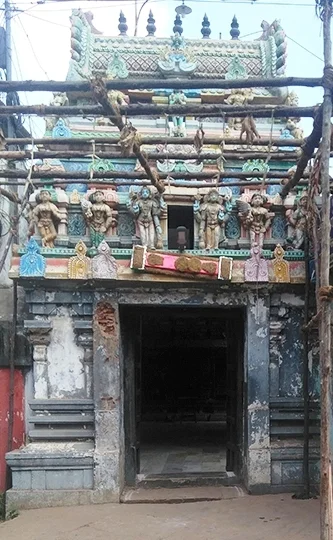
Thanjavur Vettai Maarka Sanjeevi Anjaneyar Temple
Sri Vettai Marka Sanjeevi Anjaneyar Temple in Thanjavur is a historic 17th-century shrine dedicated to Lord Hanuman, notable for its unique depiction of the deity in a worshipfu…

Kamatchi Amman Temple
Sri Bangaru Kamakshi Amman Temple in Thanjavur is a revered shrine dedicated to Goddess Kamakshi, featuring a golden idol traditionally coated with black punugu to protect it fr…
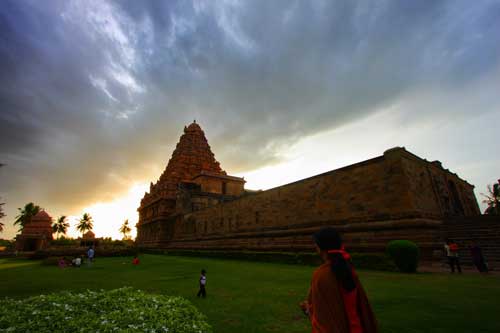
Thanjavur Gurukula Sanjeevi Anjaneyar Temple
Arulmigu Gurukula Sanjeevi Anjaneyar Temple in Thanjavur is a 19th-century shrine dedicated to Lord Hanuman, reflecting Dravidian architectural principles and serving as a signi…
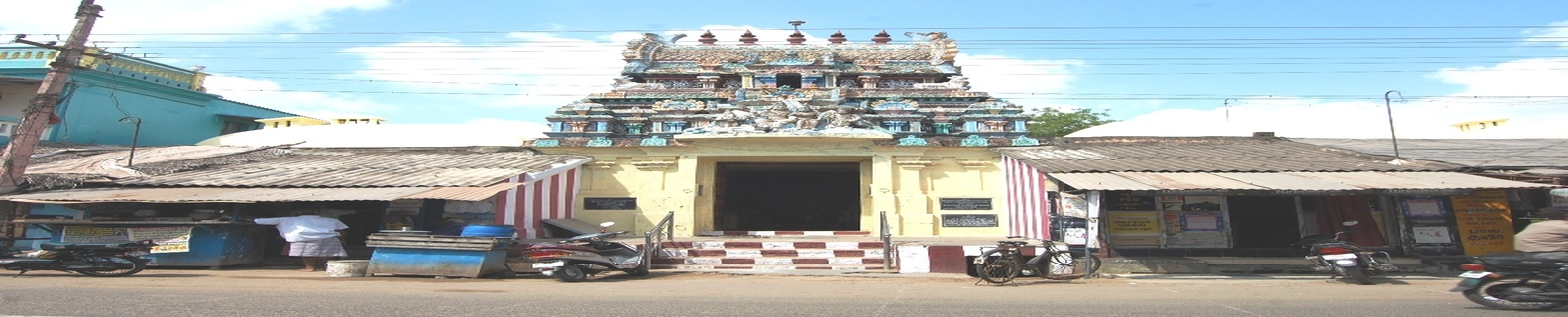
Thanjavur South Road Kasi Vishwanath Temple
Arulmigu Kasiviswanathar Temple in Thanjavur is dedicated to Lord Shiva, located on South Road in the Thanjavur District of Tamil Nadu.
Vinayagar Temple
Arulmigu Vinayakar Temple in Thanjavur is an 11th-century shrine dedicated to Lord Ganesha, offering daily worship rituals and observing significant Hindu festivals throughout t…