
Kamatchi Amman Temple
About Kamatchi Amman Temple
The temple was established in the 1760s under the patronage of Maratha ruler Pratap Singh Bhonsle, a period when Thanjavur was an important cultural and political centre. The structure reflects classical South Indian architectural principles, featuring a rajagopura (temple tower), mukha mandapa (entrance hall), sanctum sanctorum, and vimana (inner shrine tower). The temple entrance is marked by a large statue of Varada Maha Ganapati, with an adjacent shrine dedicated to Kamakodi Amman. This architectural vocabulary is typical of Maratha-era temple construction in the region, blending established South Indian forms with the patronage patterns of the period.
The golden idol carries a distinctive historical mark: it is traditionally coated with black punugu, a protective substance applied when the idol was relocated from Kanchipuram to safeguard it from invaders. This coating remains as both a spiritual and historical layer, preserving the deity's form through centuries of change.
Daily Worship and Darshan
The temple operates on a regular schedule with morning darshan from 05:00 to 12:00 and evening hours from 16:00 to 21:00. On Fridays, evening hours extend until 22:00. The evening aarti (ritual of worship) takes place at 19:00, drawing devotees for the Sandhya (evening) ritual. This is typically the most active period in the temple, when the sanctum is illuminated and the community gathers for collective worship.
Early morning and evening visits offer the best experience for those wishing to avoid crowds while still participating in the temple's rhythms of worship. The wait time for darshan typically ranges from 30 minutes to one hour, depending on the time of day and whether festivals are being observed.
Navratri and Festival Observances
The temple observes several significant festivals throughout the year, with Navratri being the most important. During this nine-day festival, the temple extends its evening hours until 22:30, allowing extended time for special pujas and devotional participation. The temple is notably decorated during festival periods, creating an intensified atmosphere of celebration and worship. Other festivals observed include Janmashtami (the birth of Krishna), Dhanteras, and Diwali, each bringing particular ritual significance and increased devotional activity.
Visiting Information and Practicalities
The temple is located on West Main Street in Thanjavur, Tamil Nadu, at coordinates 10.7931°N, 79.1293°E. Visitors should confirm timings before travelling, as schedules may vary on festival days. The best times to visit are early morning or evening to experience the temple with fewer crowds, or during Navratri if you wish to participate in special festivities and extended worship hours.
Standard temple etiquette applies: remove footwear before entering the sanctum, dress modestly, and maintain respectful silence during rituals. Photography policies should be confirmed with temple staff upon arrival. While specific facility information is limited, most temples of this tradition typically provide basic amenities for pilgrims.
How to Reach
Thanjavur is well connected by road and rail to major cities in Tamil Nadu. The temple's central location on West Main Street makes it accessible by local transport. Visitors can use the coordinates (10.7931°N, 79.1293°E) with mapping applications for precise navigation. Parking availability has been noted, though it is advisable to arrive during off-peak hours if you are travelling by vehicle.
How to reach
Temples near Kamatchi Amman Temple
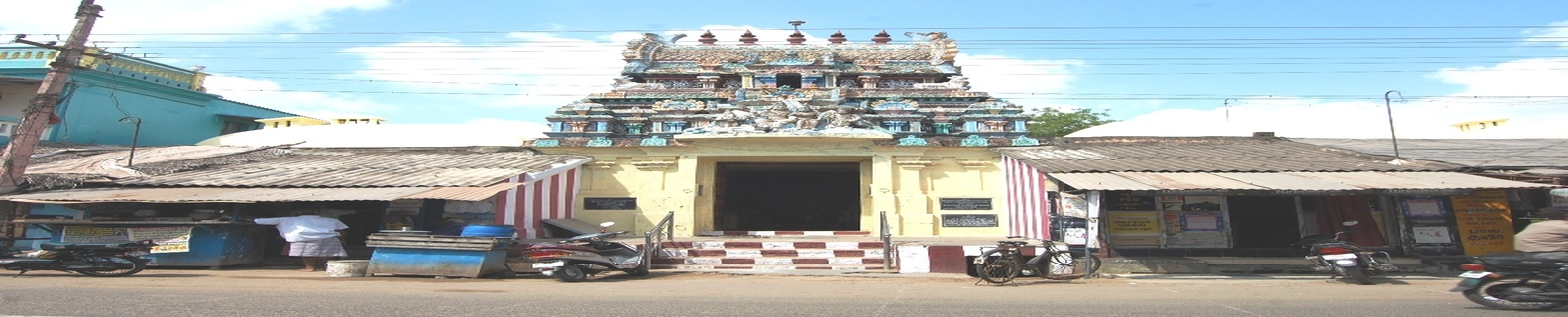
Thanjavur South Road Kasi Vishwanath Temple
Arulmigu Kasiviswanathar Temple in Thanjavur is dedicated to Lord Shiva, located on South Road in the Thanjavur District of Tamil Nadu.
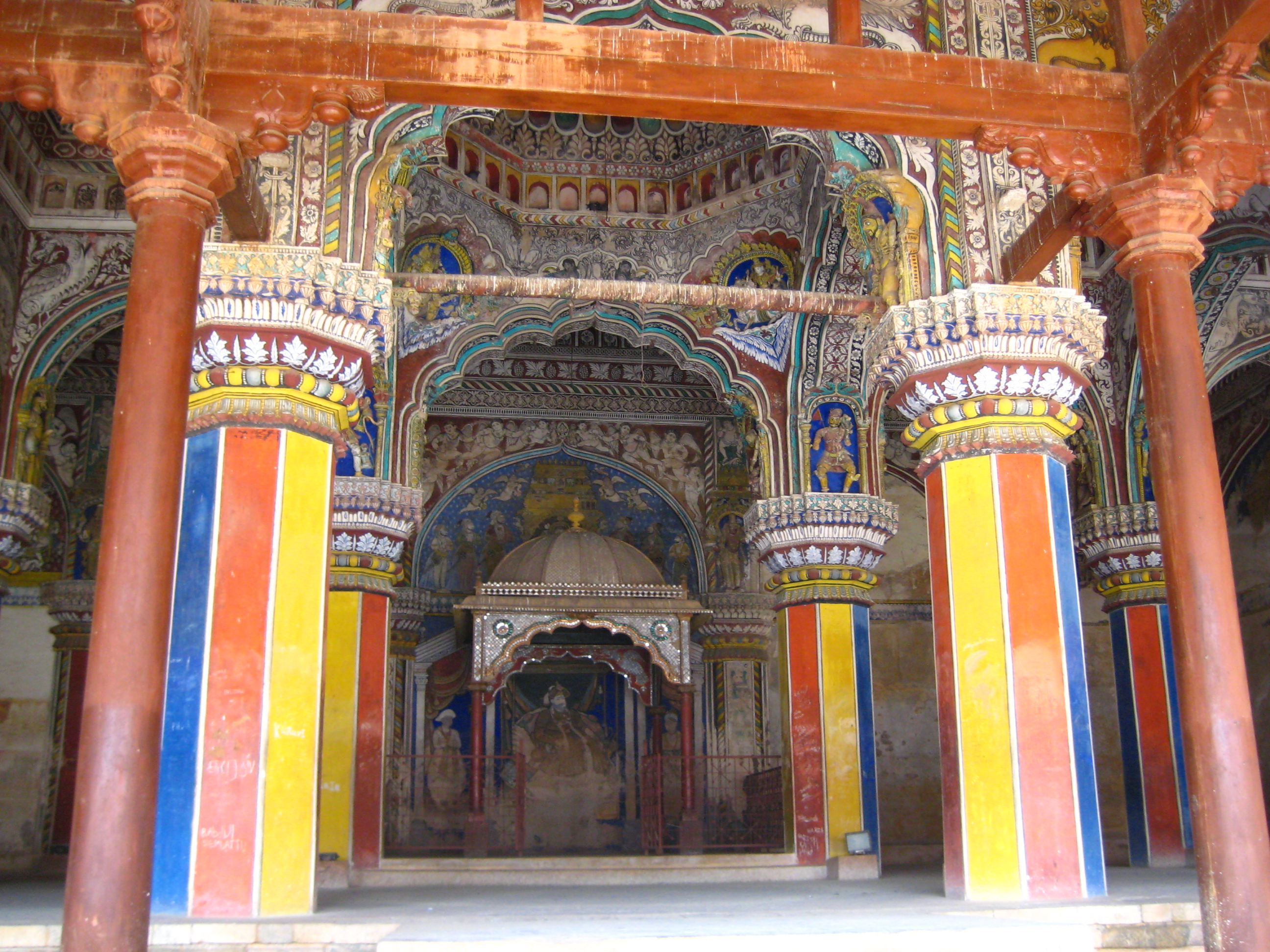
Venkatesa Perumal Kovil
Sri Venkatesa Perumal Kovil in Varagur, Thanjavur, is an ancient temple dedicated to Sri Lakshmi Narayana (Venkatesa Perumal) with his consort Bhoomi Devi, dating over 500 years…

Sri Rajagopalaswamy Temple
Sri Rajagopalaswamy Temple in Mannargudi is a major Vaishnavite shrine where Lord Krishna (Rajagopalaswamy) is worshipped alongside his consorts. Spanning 23 acres with 16 manda…
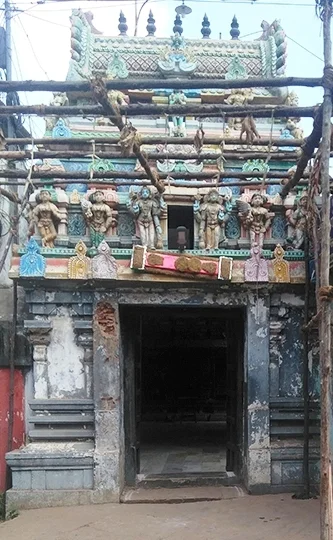
Thanjavur Vettai Maarka Sanjeevi Anjaneyar Temple
Sri Vettai Marka Sanjeevi Anjaneyar Temple in Thanjavur is a historic 17th-century shrine dedicated to Lord Hanuman, notable for its unique depiction of the deity in a worshipfu…
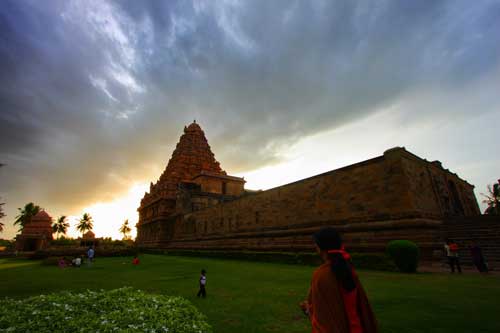
Thanjavur Gurukula Sanjeevi Anjaneyar Temple
Arulmigu Gurukula Sanjeevi Anjaneyar Temple in Thanjavur is a 19th-century shrine dedicated to Lord Hanuman, reflecting Dravidian architectural principles and serving as a signi…
Vinayagar Temple
Arulmigu Vinayakar Temple in Thanjavur is an 11th-century shrine dedicated to Lord Ganesha, offering daily worship rituals and observing significant Hindu festivals throughout t…