
Vellayani Devi Temple
About Vellayani Devi Temple
The temple displays Dravidian architectural elements characteristic of Kerala's sacred spaces. Its most distinctive features are the eastern and northern gopurams—tower gateways that rise from the walls surrounding the temple complex. These gopurams are adorned with bronze roofing and traditional artwork, with sculptures of various deities carved into their structures. The gopurams serve both as architectural focal points and as functional gateways marking the boundaries of the sacred precinct. The temple's mixed and renovated architectural style reflects its status as a living heritage structure that has been maintained and adapted over time.
Daily Worship and Darshan
The temple maintains specific darshan hours that vary by day. On Sundays, Tuesdays, and Fridays, the temple opens from 12:30 to 14:15 and again from 18:00 to 20:00. On Mondays, Wednesdays, Thursdays, and Saturdays, darshan is available from 17:30 to 20:00. On the first day of the Malayalam month Meenam, early morning darshan begins at 05:30 and continues until 08:00. The evening aarti takes place at 18:00 daily.
A principal ritual observed at the temple is the Madhu Pooja, conducted on Sundays, Tuesdays, and Fridays during the midday darshan hours. Poojas are performed in both Sanskrit and Malayalam, accommodating the linguistic preferences of the diverse devotee community. Darshan is offered free to all visitors, reflecting the inclusive nature of worship at this shrine. The temple grounds are generally accessible during these designated hours, though visitors should plan their visits accordingly.
The Kaliyoottu Mahotsavam and Other Festivals
Vellayani Devi Temple is renowned for hosting the Kaliyoottu Mahotsavam, one of South India's longest non-pilgrimage festivals. Held once every three years between February and April, this festival extends over approximately 65 to 70 days. The name literally translates to "the festival to sumptuously feed the Devi," reflecting its central theme of abundant offerings. The festival involves dramatic presentations depicting the genesis of Bhadrakali, her confrontation with Darika, and his eventual destruction, performed through devotional expression and rhythmic movements.
Throughout the Kaliyoottu Mahotsavam, several ritual customs are observed. These include Karadikottu, performed with a special drum; Kalamkaval, a custom practised at the temple and surrounding areas; Nagaroottu, conducted for the satisfaction of Nagaraja; Uchabali, a midnight ritual; and Paranettu, a nighttime observance commemorating the celestial battle between the goddess and Darika. The festival concludes with Nilathilporu, followed by Aaraattu, a grand procession marking the end of festivities.
The Pongala Festival is celebrated during the Malayalam month of Meenam on the Aswathy Nakshatram (typically March–April). This festival involves special annadanam, where prasadam including pori (puffed rice), coconuts, and other offerings are distributed to gathered devotees. Winter months from November to February are considered the best time to visit the temple, offering pleasant weather for pilgrimage.
Visiting Information and Practical Details
Vellayani Devi Temple is located 1.5 kilometres west of Vellayani junction and is situated on the scenic banks of Vellayani Lake. The temple's lakeside setting provides a tranquil environment for worship and reflection. Visitors should be aware of the specific darshan timings, which differ significantly between weekdays and weekends, and plan accordingly. The temple offers free darshan to all visitors regardless of background or belief.
When visiting, standard temple etiquette applies: remove footwear before entering the sanctum, dress modestly, and maintain respectful behaviour within the sacred space. The temple grounds can accommodate pilgrims during festival periods, though these occasions attract large gatherings. For those planning to visit during the Kaliyoottu Mahotsavam or Pongala Festival, advance planning is advisable due to increased crowds and extended observances.
How to reach
Temples near Vellayani Devi Temple
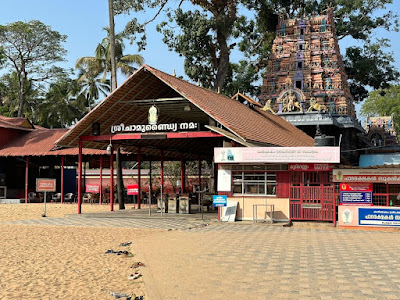
Chamundi Temple 1
Chamundi Temple 1 in Thiruvananthapuram is an 18th-century shrine dedicated to Goddess Chamundi, venerated in her three divine forms: Maha Chamundi, Raktha Chamundi, and Bala Ch…
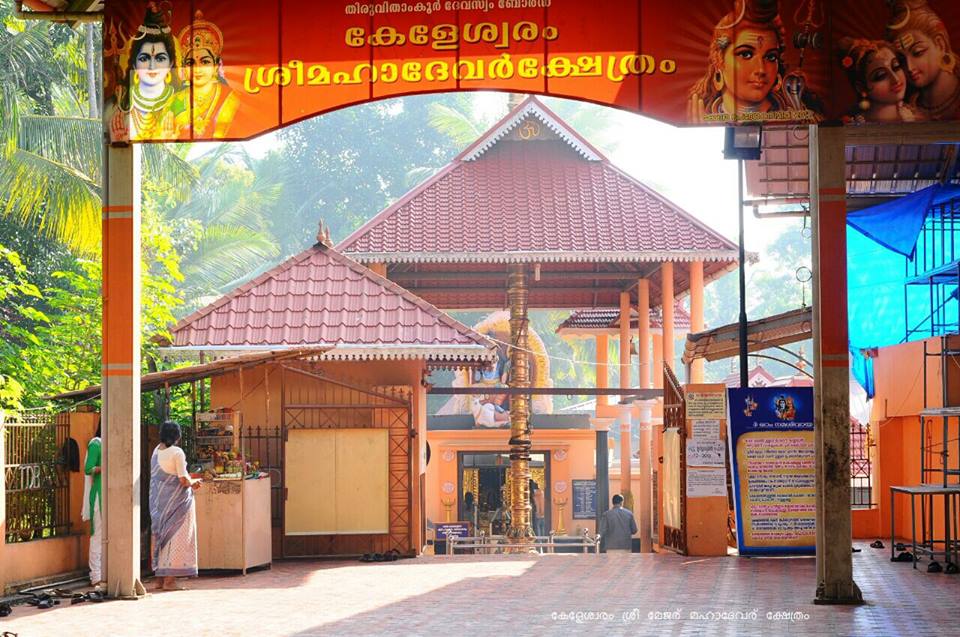
Keleswaram Mahadeva Temple
Keleswaram Mahadeva Temple is a Hindu shrine dedicated to Lord Shiva located in Keleswaram village, Thiruvananthapuram, Kerala. The temple has served as a spiritual center for c…
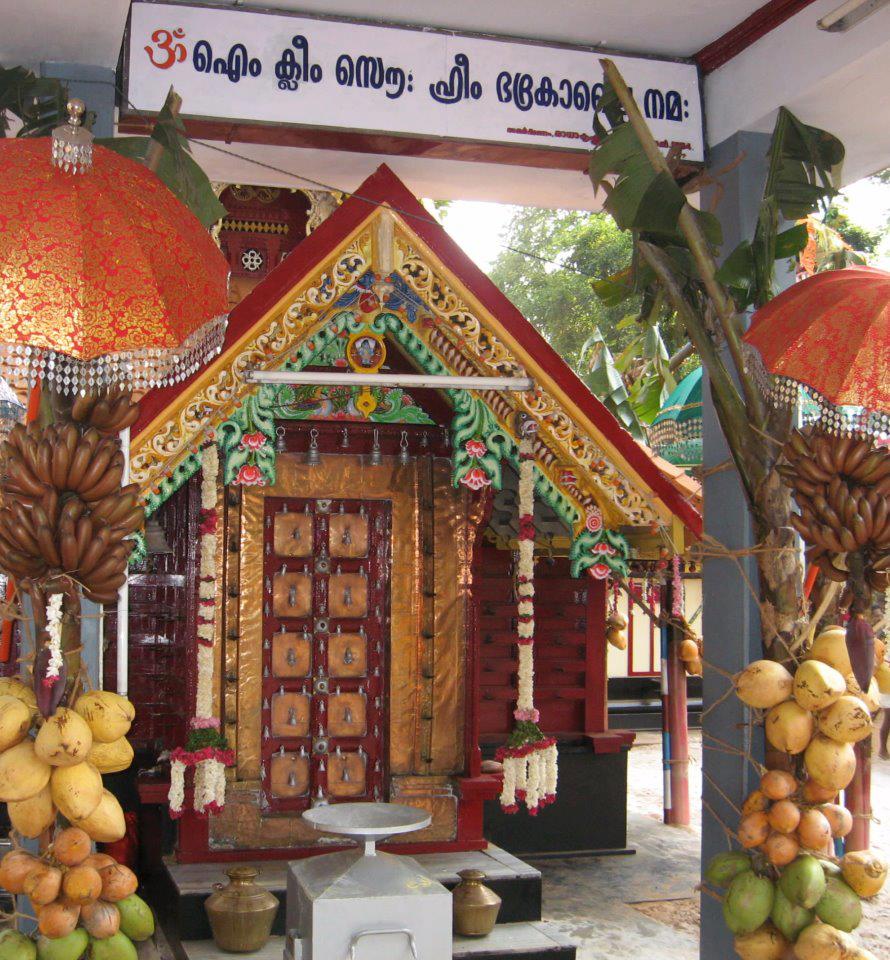
Pachallur Sri Kulathingara Bhadrakali Devi Temple
Pachalloor Sree Bhadrakali Temple, located 7 km south of Thiruvananthapuram, is a six-century-old shrine dedicated to Goddess Bhadrakali. The temple celebrates major festivals i…

Thiruvallam Parasurama Temple
Thiruvallam Parasurama Temple is Kerala's only shrine dedicated to Lord Parasurama, situated on the Karamana River banks and recognized as one of South India's most ancient temp…

Konchiravila Devi Temple
Konchiravila Devi Temple is a serene shrine dedicated to Goddess Durga located in Kallattumukku, Thiruvananthapuram, Kerala. Known for its intimate atmosphere and the significan…
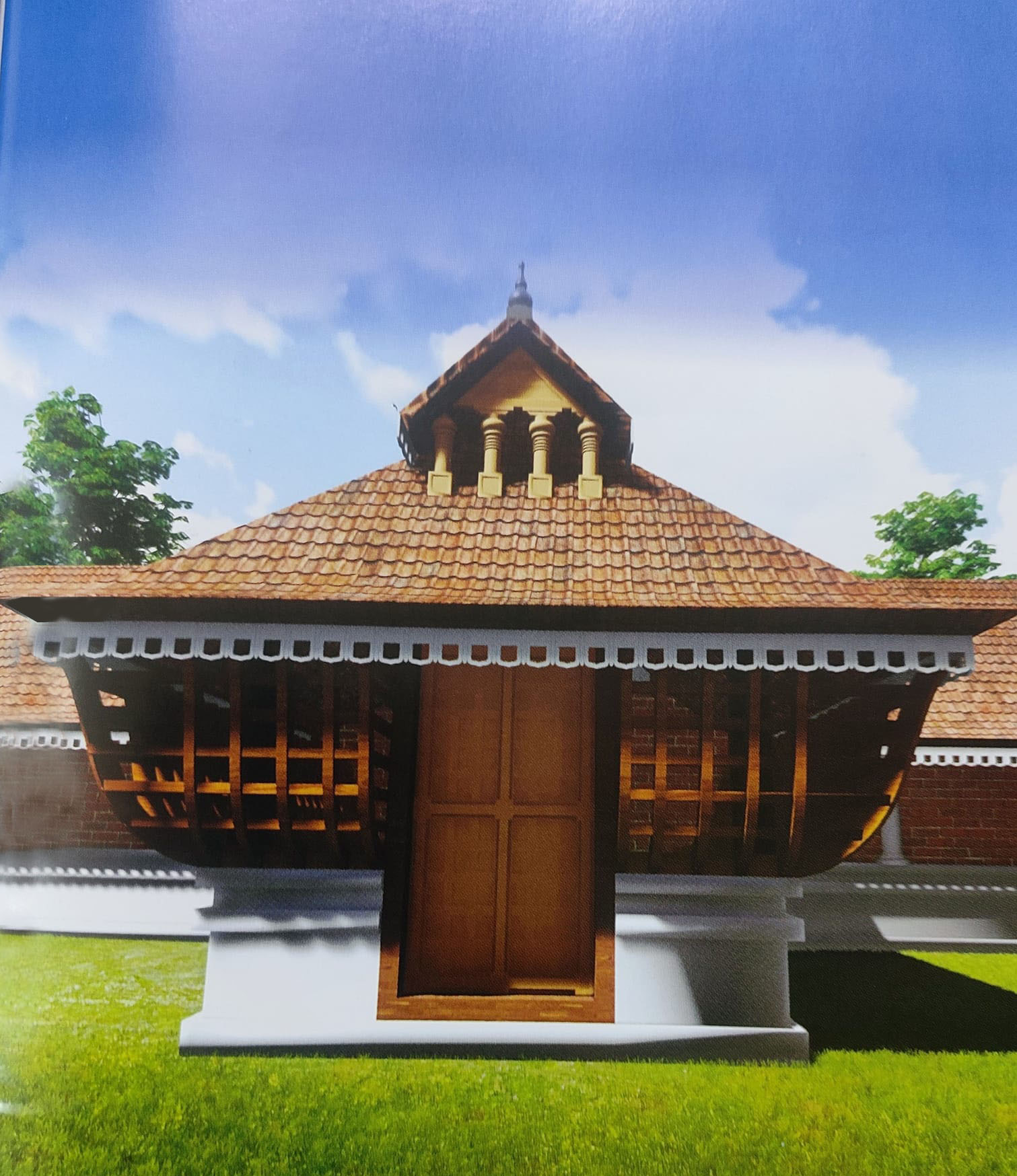
Mukkolakkal Bhagawathi Temple
Mukkolakkal Bhagawathi Temple is a renowned shrine dedicated to the Hindu mother goddess Bhagawati, located in Sreevaraham near Thiruvananthapuram, Kerala. The temple features a…