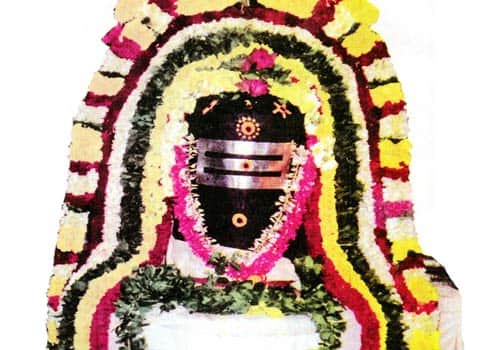

Veemeeswarar Temple, Serapanancheri
About Veemeeswarar Temple, Serapanancheri
The temple's origins trace to approximately 1180 CE, placing it within the Chola period—an era of significant temple construction and architectural refinement across Tamil Nadu. The earliest inscriptions at the site reference Chola King Kulothunga III, anchoring the temple's documented history to this royal patronage. The precise astronomical alignment evident in the temple's construction suggests that its builders possessed sophisticated knowledge of celestial mechanics and intentionally oriented the sacred space to capture specific solar phenomena.
The Celestial Phenomenon
During the month of Masi—corresponding to February and March in the Western calendar—the temple becomes the site of a distinctive astronomical event. At 7:00 a.m., the sun's rays circle around the Shivalinga, a natural occurrence that reflects the temple's careful geometric and directional planning. This phenomenon draws both devotees seeking spiritual experience and observers interested in the intersection of astronomy and sacred architecture. The event underscores the temple's function not merely as a place of worship but as a carefully calibrated instrument for witnessing the movement of celestial bodies.
Daily Worship and Observances
The temple opens at 5:00 a.m. to accommodate early morning worship, remaining accessible until 9:00 a.m., with evening darshan from 6:00 p.m. to 8:30 p.m. Mondays and Sundays hold particular significance in the worship calendar, drawing larger numbers of devotees. The temple maintains fortnightly Pradosha observances—occasions when devotees gather for special worship of Shiva. A notable practice involves continuous prayer over three consecutive Pradosha days accompanied by ghee lamps, undertaken by those seeking particular blessings.
Daily rituals include the lighting of oil lamps and the performance of archanas, ritual offerings using vilwa leaves—a practice common across Shiva temples in Tamil Nadu. Krithika star days also receive special observance with dedicated pujas. These regular rhythms of worship structure the spiritual life of the temple community and provide multiple entry points for visiting devotees to participate in ritual practice.
Festivals
The temple's festival calendar centers on occasions significant to Shiva worship. Maha Shivaratri, observed in February–March, draws devotees for night-long vigils and special rituals honoring the deity. This festival coincides with the Masi month celestial phenomenon, creating a convergence of astronomical and religious significance. Sharadha Navaratri, celebrated in September–October, brings nine days of worship focused on the divine feminine through the goddess Swarnambika. The Tamil New Year, falling near April 14, is also marked with temple celebrations. Beyond these major festivals, the temple maintains regular observances on Mondays, Krithika star days, and fortnightly Pradosha occasions, each accompanied by special pujas.
Visiting the Temple
The temple is located at coordinates 12.87657, 79.98375 in Serapanancheri village, accessible via the Tambaram-Walajabad road. Visitors should plan to arrive during the stated darshan hours—5:00 a.m. to 9:00 a.m. in the morning, or 6:00 p.m. to 8:30 p.m. in the evening—keeping in mind that festival days may alter these timings. It is advisable to confirm timings with the temple before travelling.
Dress modestly as is customary at Hindu temples and remove footwear before entering the sanctum. Devotees typically carry flowers or vilwa leaves for offerings. The best period to visit is February–March, when the Masi month brings both the celestial sun phenomenon and the observance of Maha Shivaratri, offering a complete spiritual experience tied to the temple's unique astronomical significance.
How to reach
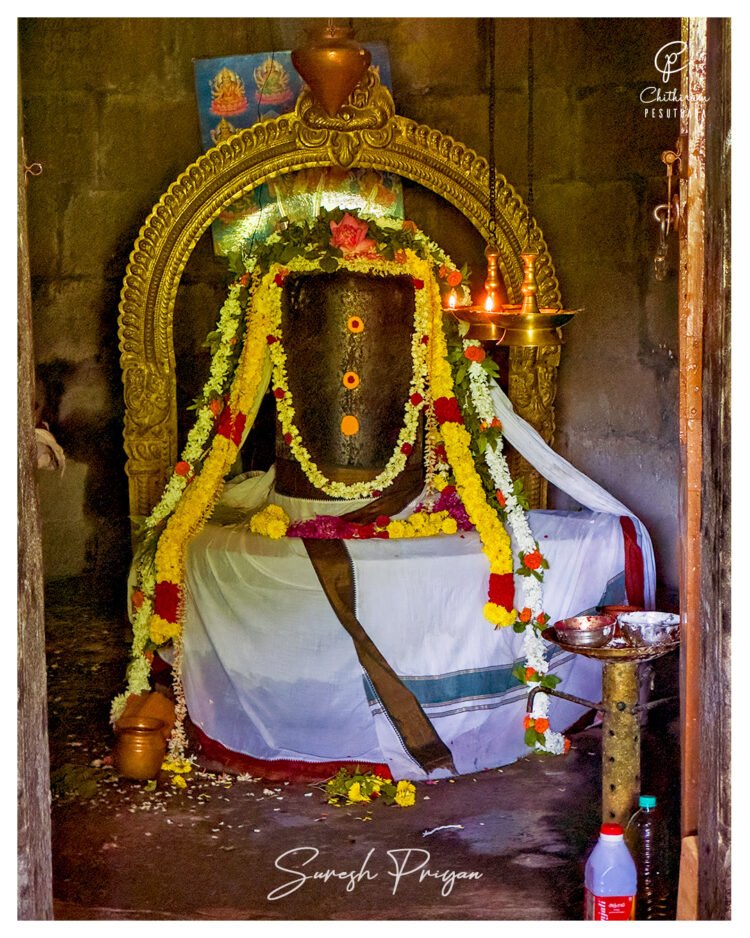
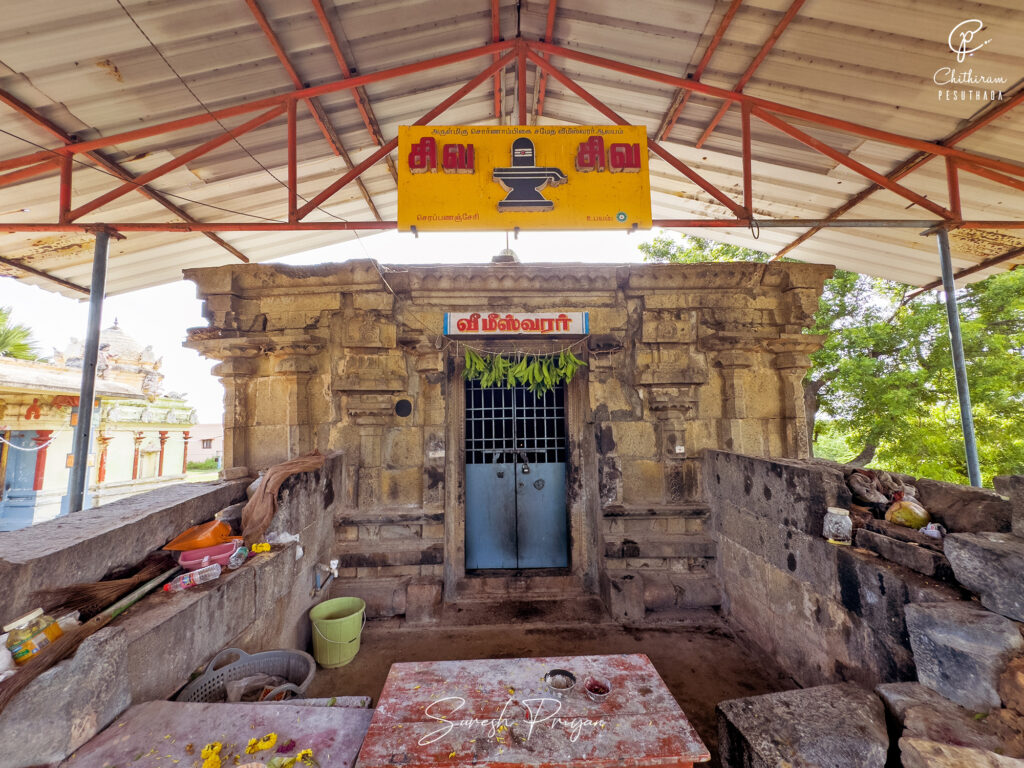
Temples near Veemeeswarar Temple, Serapanancheri
Vallakottai Subramaniyaswami temple
Vallakottai Subramaniyaswami Temple in Kanchipuram district, Tamil Nadu, is an ancient shrine dedicated to Lord Murugan, believed to be over 1,200 years old and constructed duri…
Nandeesvarar Temple, Nandivanam
Nandeesvarar Temple in Nandivanam, Chennai, is an ancient Shiva temple featuring Dravidian architecture with a sacred lingam and a shrine dedicated to goddess Soundara Nayaki.

Adikesava Perumal temple, Sriperumpudur
Adikesava Perumal Temple in Sriperumbudur is a revered Vaishnavite shrine dedicated to Lord Vishnu, historically significant as the birthplace of Sri Ramanujacharya, the philoso…
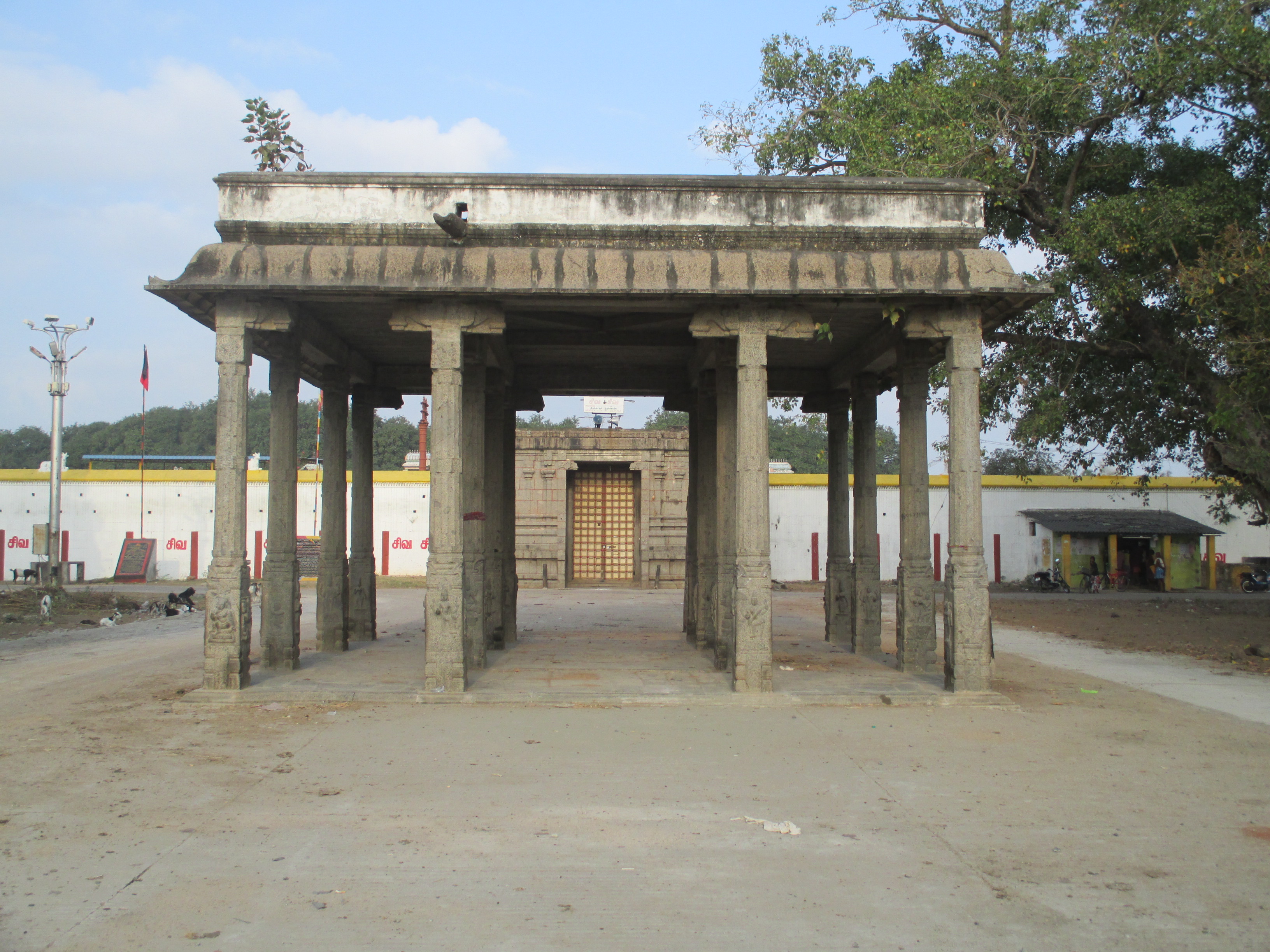
Kachabeswarar temple, Thirukachur
Kachabeswarar Temple in Thirukachur is an ancient Shiva sanctuary revered in the 7th-century Tevaram tradition, where the deity is worshipped as Kachabeswarar and linked to the…
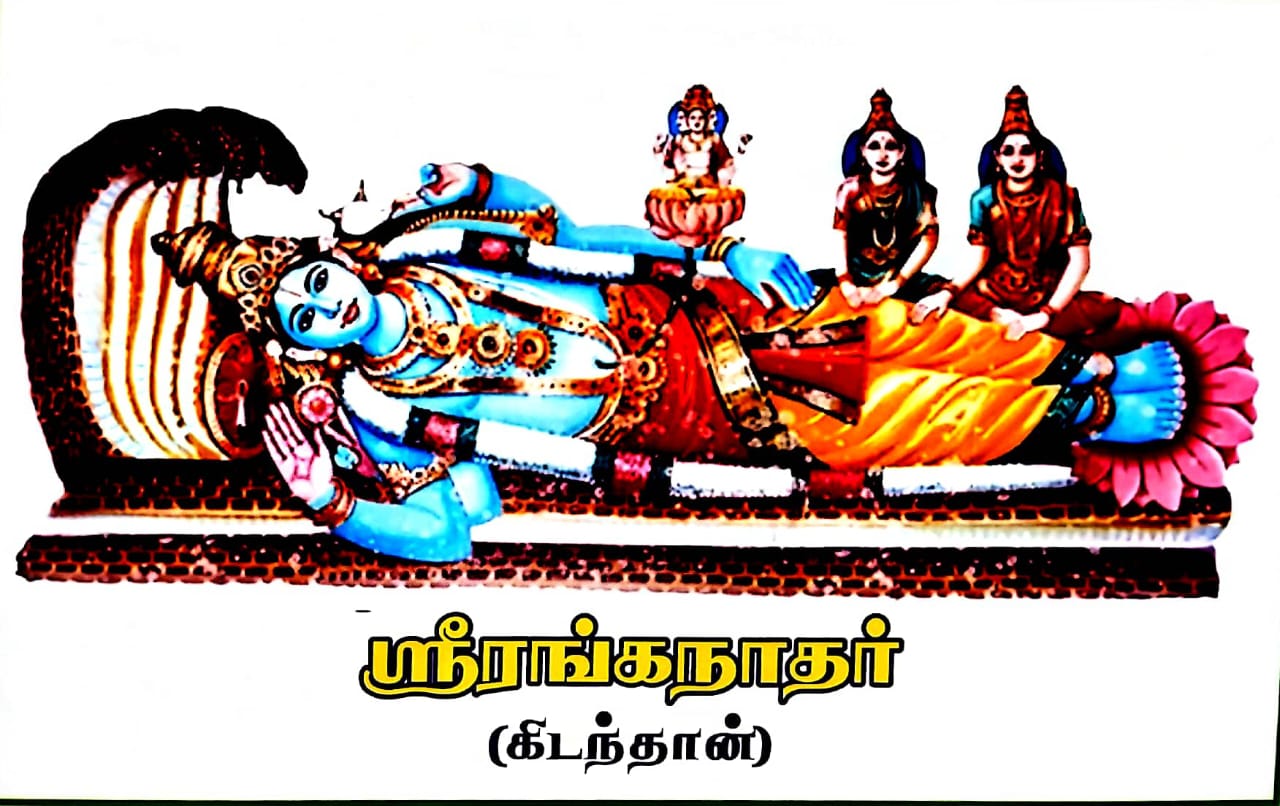
Ranganatha Temple, Thiruneermalai
Ranganatha Temple in Thiruneermalai is a Vaishnavite shrine and one of the 108 Divya Desams, featuring the deity in a reclining posture surrounded by water near Chennai.
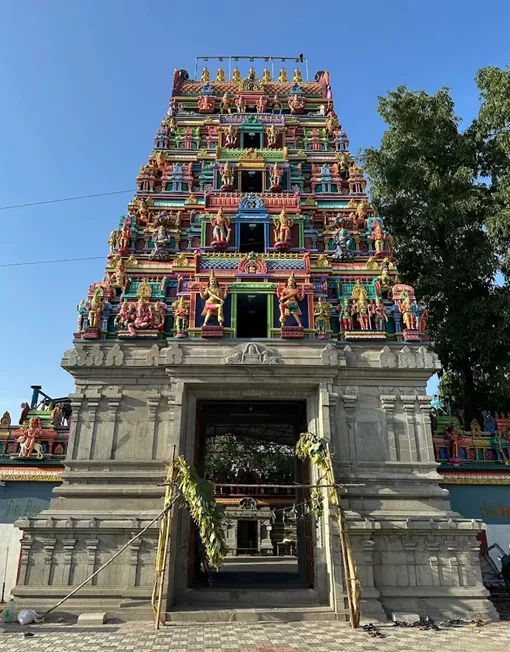
Kandhazheeswarar Temple, Kundrathur
Kandhazheeswarar Temple in Kundrathur honors Lord Shiva in the form of a massive Lingam installed by Lord Muruga after his victory over Tarakasura. The temple gained spiritual s…