Vallakottai Subramaniyaswami temple
About Vallakottai Subramaniyaswami temple
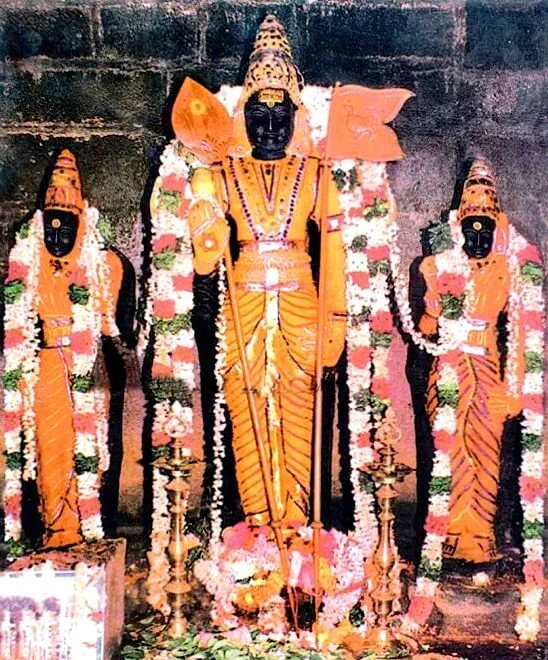
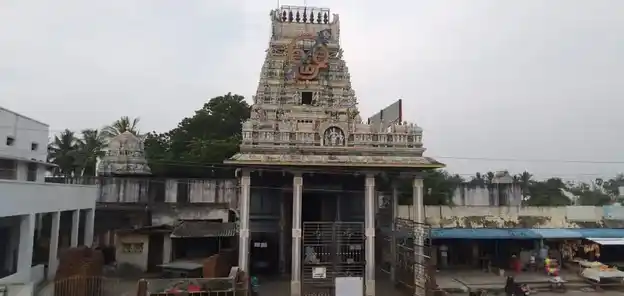
The temple was established in the 9th century, making it over a thousand years old. This places it within a significant period of Tamil temple construction, when many of the region's enduring shrines were built or expanded. The temple has retained its original character across the centuries while continuing to function as an active place of worship, a testament to the continuity of religious practice at this site.
Daily Worship and Rituals
The temple maintains a structured daily schedule of worship. Four principal rituals, called *poojas*, are performed each day: Ko Pooja at 6:00 AM, Ushakala Poojai at 11:30 AM, Sayaraksha Pooja at 5:30 PM, and Ardhajama Pooja at 8:00 PM. These rituals follow the traditional rhythm of Hindu temple worship, marking the sacred hours of dawn, midday, evening, and night.
Devotees may participate in or witness these rituals during their visits. The temple also offers various services for those wishing to make offerings, including milk abhishekam (ritual bathing of the deity with milk) and maha abhishekam (elaborate ritual bathing), available at specified fees. Photography is permitted within the temple grounds for a nominal charge.
Visiting Hours and Access
The temple is open from 6:00 AM to 1:00 PM in the morning and from 4:00 PM to 8:30 PM in the evening on regular days. On Sundays, Tuesdays, and Krittika days (days associated with Murugan in the lunar calendar), the temple remains open throughout the day from 6:00 AM to 8:30 PM, allowing extended access for worship. Visitors should note that timings may vary on special festival days.
The temple is located at coordinates 12.88361111, 79.93333333 in the 602118 postal area. Those travelling by vehicle will find parking facilities available, with separate pooja services offered for two-wheeled and four-wheeled vehicles at modest fees. The site is accessible via the main road connecting Sriperumbudur and Singaperumalkoil.
What Visitors Should Know
Dress modestly when visiting, as is customary at Hindu temples—women typically wear sarees or salwar kameez, and men wear traditional or simple clothing. Footwear is removed before entering the inner sanctum. The temple follows standard Hindu etiquette: circumambulation (walking clockwise around the deity) is performed as an act of devotion, and prasadam (blessed food offerings) is distributed to devotees after worship.
Entry to the temple is free, though donations support its maintenance. Various optional services carry fees: archanai (ritual worship on behalf of a devotee) costs 5 rupees, while more elaborate offerings such as the Santhana Kappu Alangaram (a special adornment ritual) are available at higher costs. Basic facilities are in place, though visitors should confirm current amenities before their visit.
Reaching the Temple
Vallakottai lies within Kancheepuram district, approximately 50 kilometres from Chennai. The town is accessible by road; those without private transport can use local bus services that connect Vallakottai to nearby towns and the district headquarters. The temple's position on the Sriperumbudur–Singaperumalkoil road makes it reachable from multiple directions within the region. Visitors planning to travel from Chennai or other major cities should allow time for the journey and check local transport schedules in advance.
How to reach

You may also visit
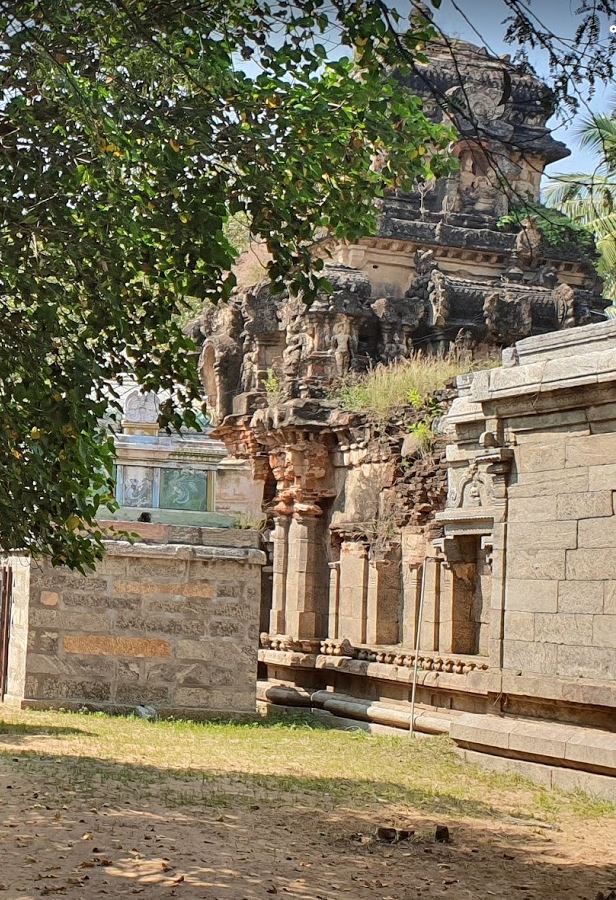
Agatheeswarar Temple, Karur
Agatheeswarar Temple in Thirumukkudalur, Karur district, is an ancient Hindu shrine dedicated to Shiva, situated at the sacred confluence of three rivers and believed to be over 1000 years old.
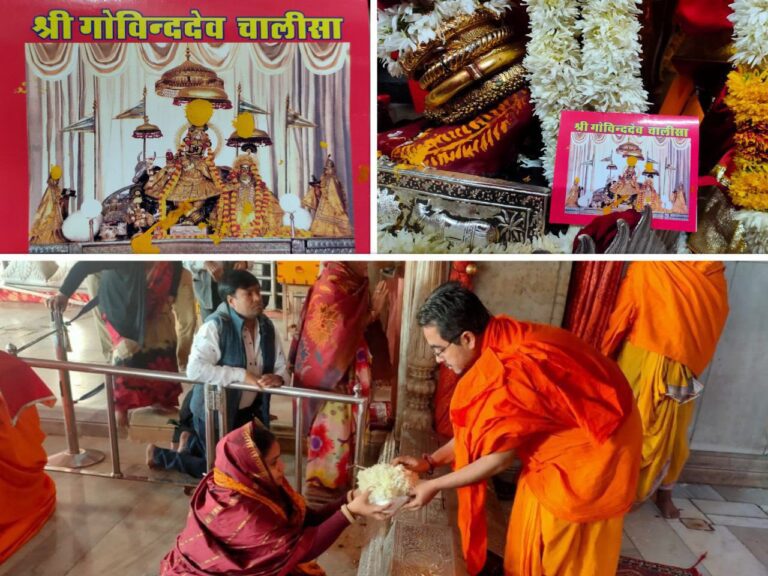
Kalyanji Temple
Kalyanji Temple in Jaipur's Chandpol Bazaar is an ancient Krishna shrine established in the 1820s, renowned for its seven daily aartis and special avatar darshan ceremonies during Akha Teej and Patottsav festivals.
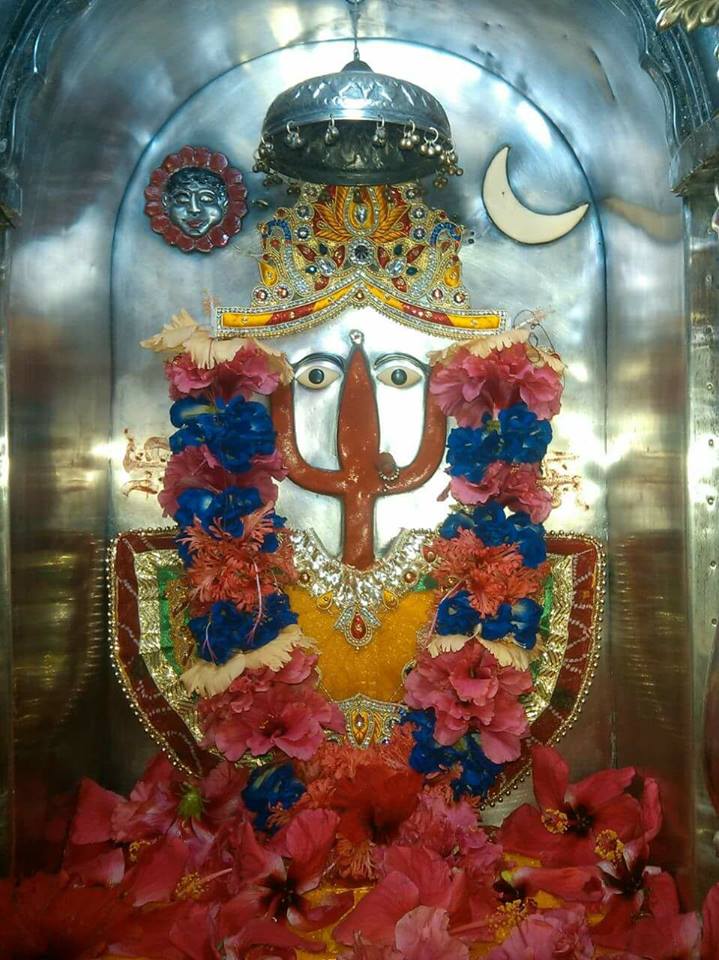
Rani Sati Mandir Mahuda
Rani Sati Mandir in Mahuda, Dhanbad District, is a Hindu temple established in 1992 that serves as a spiritual center for the local community and attracts devotees seeking blessings.