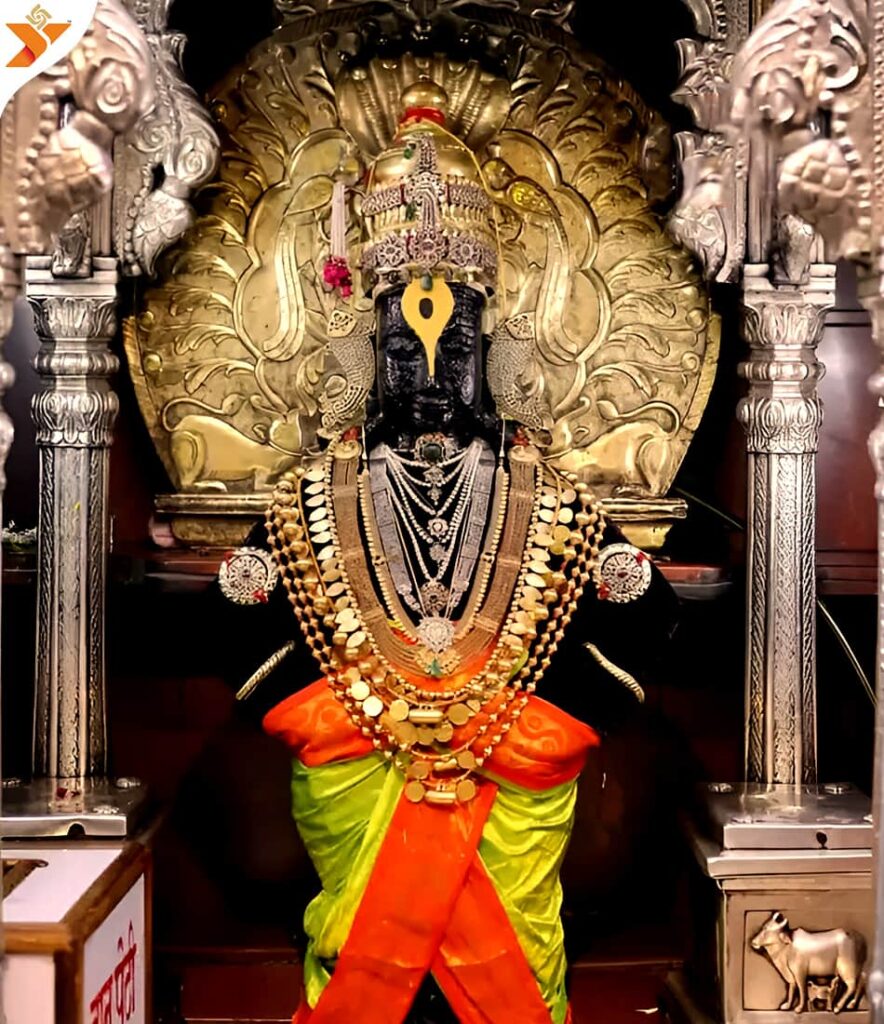
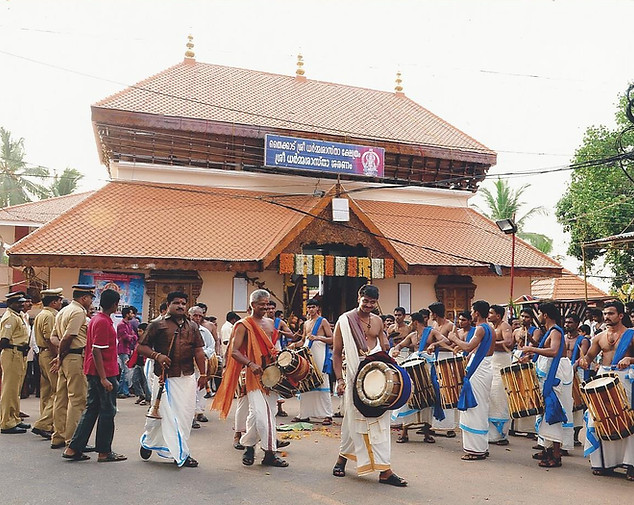

Varasidhi Vinayagar Temple
About Varasidhi Vinayagar Temple
The temple was established in the early 11th century CE, placing it within the medieval period of South Indian temple construction. Its architecture reflects the Dravidian tradition characteristic of temples in this region. The shrine has accumulated considerable heritage over its centuries of continuous worship, though detailed architectural documentation is limited in available sources. Visitors approaching the temple will encounter its gopuram (tower) and sanctum, the physical markers of a temple organised according to classical South Indian design principles.
Daily Rituals and Darshan
The temple maintains a structured daily rhythm centred on ritual invocations and public worship. The earliest activity is the Suprabatham, a dawn invocation beginning at 04:00, available to devotees who wish to participate in awakening the deity. The Maha Harathi follows at 06:00, with a further aarti at 07:00. Morning darshan opens at 06:00 on weekdays and 06:30 on Sundays, continuing until 13:00. The temple then closes for an afternoon break from 13:00 to 16:00. Evening darshan resumes at 16:00 and continues until 21:00, with the Sandhya Aarti performed at 19:00. A midday aarti occurs at 12:30 before the afternoon closure. The evening period typically draws larger congregations of worshippers.
Beyond standard darshan, the temple offers dedicated ritual services. The Suprabatham seva (Rs. 250) allows early participation in the dawn ritual. Paalabhishekam, an ablution with milk, is performed at 07:30–08:00 and 17:45–18:15, with devotees providing a minimum of two litres of milk. The Panchaamrutha Abhishekam, an offering of five ritual substances, is available at 05:30–06:00, 09:00–10:00, and 11:00–12:00, with materials supplied by the temple. The Sankata Hara Ganapati Vratham, observed on the fourth day of the dark fortnight following the full moon, is undertaken for matters including childlessness, business concerns, and legal difficulties, with sessions at 08:00–11:00 and 18:00–20:00.
Festivals and Observances
The temple celebrates several festivals within the Hindu calendar year. Sharad Navaratri, the nine-night festival dedicated to the divine feminine, is marked with special decorations and intensified ritual activity. Ugadi or Gudi Padwa, marking the Hindu New Year in the Deccan region, is observed with festive ceremonies. Karwa Chauth, associated with spousal devotion, also draws devotees to the shrine. During festival periods, the temple becomes notably more decorated and crowded. Visitors planning to attend during these times should contact the temple office in advance, as darshan timings and schedules may differ from standard hours.
Visiting Information and Practical Details
The temple is located at 12.8319°N, 79.6956°E in Kanipakam village, approximately 11 kilometres from Chittoor city and 68 kilometres from Tirupati. The site is accessible by road from both cities, making it a feasible addition to a broader pilgrimage circuit in the region. Standard Hindu temple etiquette applies: remove footwear before entering, dress modestly, and maintain respectful conduct in the sanctum and ritual spaces. The afternoon closure between 13:00 and 16:00 should be factored into visit planning. Early morning visits allow participation in the Suprabatham ritual, while evening darshan accommodates those unable to visit earlier in the day.
Contact and Access
For specific details regarding sevas, pricing, online booking, and festival schedules, contact the temple office at 08573-281747 or 08573-281540, or email kanipakam_eo@yahoo.com. Darshan timings may vary on festival days, making it advisable to confirm arrangements before travelling during such periods. The best time to visit is during the Sharad Navaratri festival period or during early morning hours for the Suprabatham ritual.
How to reach

Temples near Varasidhi Vinayagar Temple

Metraleeswar Temple
Metraleeswarar Temple is an ancient Shiva shrine in Kanchipuram revered in the 7th-century Tamil Saiva canonical work Tevaram and expanded significantly during the 13th century…
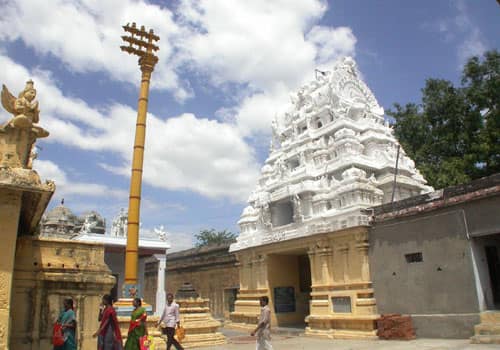
Thiruvoorakam Ulagalanda Perumal temple
Thiruvoorakam Ulagalanda Perumal Temple in Kanchipuram is one of the 108 Divya Desams, dedicated to Lord Ulagalanda Perumal in His Trivikrama form, where the deity is depicted w…
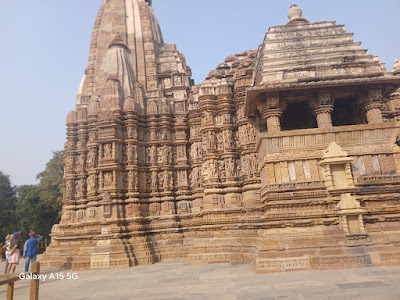
Chitragupta temple
Chitragupta Temple in Kanchipuram is a rare Hindu shrine dedicated to Chitragupta, the divine accountant of human deeds who serves as assistant to Yama, the god of death. The te…
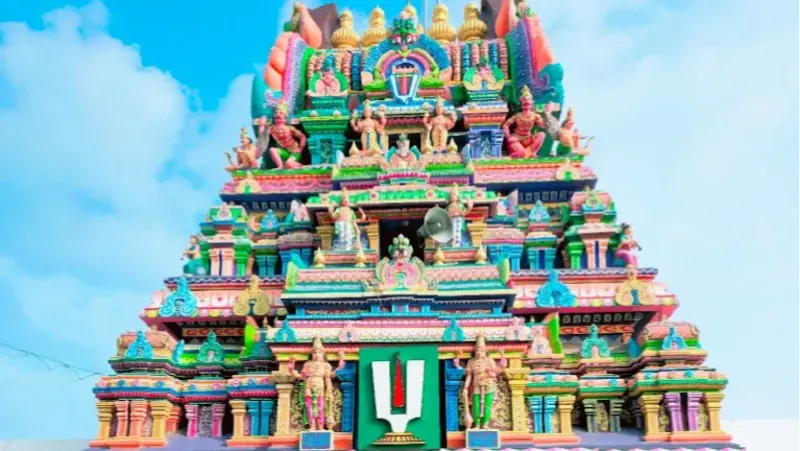
Ulagalantha Perumal Temple
Ulagalantha Perumal Temple in Kanchipuram is one of the 108 Divya Desams dedicated to Vishnu, who is worshipped here in his Trivikrama form. The temple features Dravidian archit…

Kailasanathar Temple, Kanchipuram
The Kailasanathar Temple in Kanchipuram is a Pallava-era shrine dedicated to Lord Shiva, built around 700 CE and standing as one of South India's oldest surviving temples with d…
Chokkeeswarar Temple
Chokkeeswarar Temple in Kancheepuram is a 9th-century Chola-era shrine dedicated to Shiva, recognized as a protected monument by the Archaeological Survey of India.