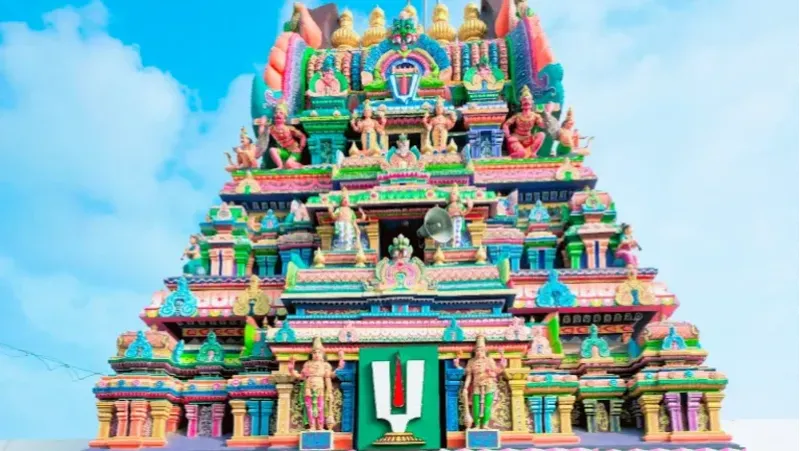


Ulagalantha Perumal Temple
About Ulagalantha Perumal Temple
The temple was established in 846 CE and is believed to have been built during the Medieval Chola period, with later additions and renovations undertaken by Vijayanagara kings and Madurai Nayaks. This layered construction history is visible in the temple's architectural elements, which follow the Dravidian style characteristic of South Indian Hindu temples. The temple complex spans 5 acres and features a gopuram (temple tower) that ranks among the tallest in Tamil Nadu, measuring 192 feet in height. This monumental tower serves as a visual anchor within Kanchipuram's sacred landscape and reflects the architectural ambitions of successive dynasties that contributed to the temple's development.
Daily Worship and Darshan
The temple opens for darshan in two sessions: morning hours from 6:00 AM to 12:00 PM, and evening hours from 5:00 PM to 8:00 PM. Throughout the day, five aartis (ritual worship ceremonies) structure the rhythm of devotion: Thiruvanandal at 6:00 AM, Kalasanthi at 8:00 AM, Uchikala Pooja at 12:00 PM, Sayaraksha at 6:00 PM, Sandhya Aarti at 7:00 PM, and Ardhajama at 7:30 PM. Morning visits align with traditional practices of early prayer and meditation, while evening visits allow participation in the Sandhya Aarti, the ritual performed at dusk. Devotees can engage with the temple through various ritual services, including archana (worship with flowers and prayers) and Vishnu poojas. The massive Trivikrama form itself becomes the focus of contemplation during darshan, with many visitors describing a sense of awe at the cosmic scale of the deity's representation.
Festivals and Sacred Observances
Three major festivals structure the temple's annual calendar. Vaikunta Ekadasi, observed on the eleventh lunar day of the month of Margazhi (December-January), marks the most significant celebration and draws devotees from across Tamil Nadu. Vamana Jayanthi commemorates the birth of Vishnu in his dwarf avatar form, directly connecting to the theological significance of this temple's primary deity. Brahmotsavam, a multi-day festival, is also celebrated with devotional fervor. These festival occasions transform the temple into a centre of heightened spiritual activity and are ideal times for those seeking to experience the temple's full ceremonial life.
Planning Your Visit
The best time to visit is between October and March, when the climate is temperate and conducive to extended temple exploration. The temple is located in central Kanchipuram at coordinates 12.8390957, 79.7051469, with Kanchipuram Railway Station serving as the nearest rail connection. The temple is accessible by road from Chennai and sits within easy reach of other major temples in the city, including Varadharaja Perumal Temple and Kamakshi Amman Temple, allowing visitors to structure multi-temple pilgrimages.
Temple Etiquette and Practical Information
Modest dress is customary when entering Hindu temples; visitors should remove footwear before entering the sanctum. Photography policies vary; it is advisable to inquire at the temple entrance regarding any restrictions. Morning visits are generally preferred for a more meditative experience, while evening visits allow participation in the Sandhya Aarti. Timings may vary during festivals and seasonal observances, so confirmation before arrival is recommended. The temple functions as part of Kanchipuram's larger Vaishnavite heritage, a city historically significant as a centre of Vishnu worship, making it an essential stop for those following the traditional 108 Divya Desam pilgrimage circuit.
How to reach

Temples near Ulagalantha Perumal Temple
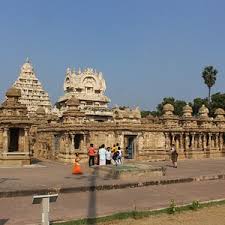
Chokkeeswarar Temple
Chokkeeswarar Temple in Kancheepuram is a 9th-century Chola-era shrine dedicated to Shiva, recognized as a protected monument by the Archaeological Survey of India.
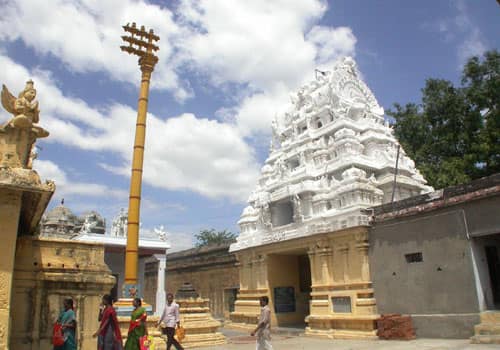
Thiruvoorakam Ulagalanda Perumal temple
Thiruvoorakam Ulagalanda Perumal Temple in Kanchipuram is one of the 108 Divya Desams, dedicated to Lord Ulagalanda Perumal in His Trivikrama form, where the deity is depicted w…
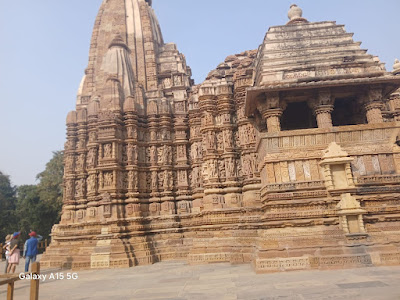
Chitragupta temple
Chitragupta Temple in Kanchipuram is a rare Hindu shrine dedicated to Chitragupta, the divine accountant of human deeds who serves as assistant to Yama, the god of death. The te…

Madhangeeswarar Temple
Madhangeeswarar Temple in Kanchipuram is a Shiva shrine constructed by the Pallavas in the late 8th century, distinguished by its four-armed dvarapalas.
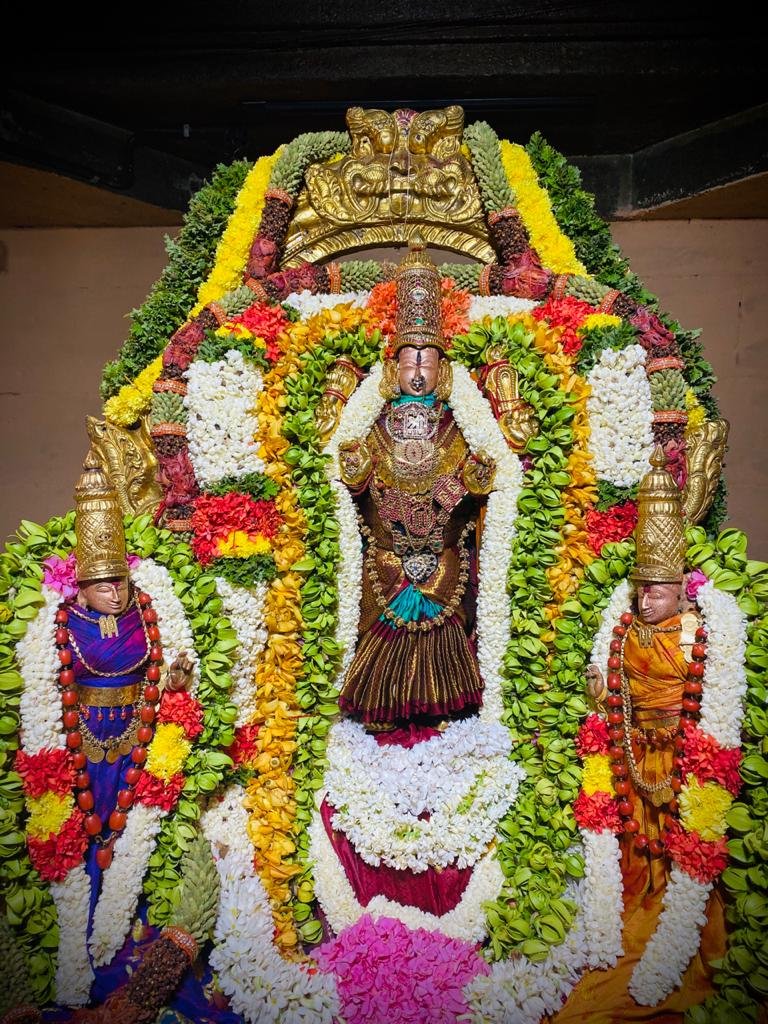
Sri Sithi Vinayagar Temple
Sri Sithi Vinayagar Temple in Kanchipuram is a Hindu shrine dedicated to Lord Ganesha, located on Kamakshi Amman Sanadhi Street in this ancient temple city of Tamil Nadu.

Sri Angala Parameswari Amman Temple
Sri Angala Parameswari Amman Temple in Kanchipuram is dedicated to Angala Parameswari, an incarnation of the goddess Durga/Parvati, with origins tracing to the 6th century.