Vanchinadha Swamy Temple
About Vanchinadha Swamy Temple
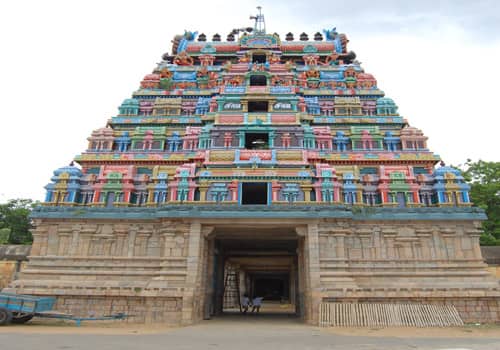
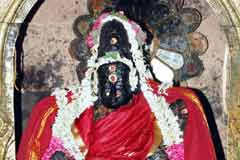
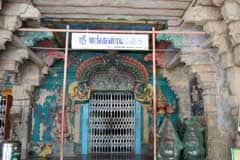
The temple was established in 850 CE under the patronage of Rajendra Chola. The most prominent architectural feature is the five-tiered gopuram (temple tower) facing east, which rises to a height of 110 feet and dates to this Chola period. Beyond the main sanctum, the temple complex includes several subsidiary shrines: a separate temple dedicated to Yama, the lord of death, stands to the left of the entrance; shrines for Vinayaka (Ganesha), worshipped here as Abayankara Vinayaka, and Subramania (Muruga) occupy the first mandap; and within the inner corridor are additional shrines to Vennai Pillayar, Muruga, the Panchabhoota Lingas, Jeshtadevi, and Sani Bhagawan. The Thevaram hymns associated with the temple are inscribed on marble within the complex. Sri Adhikara Nandhi is positioned on the left side of the inner sanctum.
Sacred Waters and Ritual Bathing
Two sacred water sources define the spiritual landscape of this temple. The Gupta Ganga serves as the temple tank and holds central importance in the devotional practice here; tradition calls for ritual bathing in its waters before worship as an act of spiritual purification. A second sacred source, Ema Theertham, is also associated with the shrine. According to temple lore, the Ganga River itself once sought purification at this location, having accumulated the spiritual burden of those who bathed in her waters. Lord Shiva directed the river to this place, noting that even Yama had received his blessings here—a narrative that underscores the temple's spiritual significance and explains why bathing in Gupta Ganga remains especially important during major festival periods.
Festivals and Observances
The temple observes three principal festival cycles throughout the year. During Masi Magam, celebrated in February-March, the Theerthavari—a water procession—takes place on the second day of the Brahmmotsavam festival within the temple tank itself, with Lord Vanchinathaswami carried in procession on the Ema Vahan. The festival concludes with pujas dedicated to Lord Muruga. Karthikai Sundays, occurring in November-December, also feature Theerthavari celebrations. A ten-day festival follows Aadi Pooram in July-August. Beyond these major observances, special abisheks (ritual ablutions) and aradhanas (prayers) are performed every Sunday.
The temple maintains an unusual practice: it remains open during solar and lunar eclipses, when many other Shiva temples traditionally close their doors. Special abisheks are performed to the deity during these times. Devotees born under certain lunar stars—Magam, Pooram, Sadayam, and Bharani—or belonging to certain zodiacal signs—Aries, Aquarius, and Leo—are drawn to this temple to address planetary afflictions. Those seeking employment, promotions, transfers, or reconciliation in separated relationships pray here, particularly on Karthikai Sundays after ritual bathing in Gupta Ganga.
Visiting the Temple
The temple is open from 05:30 to 12:30 in the morning and from 16:00 to 20:30 in the evening. The best times to visit coincide with the major festivals: Masi Magam (February-March), Karthikai Sundays (November-December), or the ten-day festival following Aadi Pooram (July-August). Visitors should plan to bathe in Gupta Ganga before entering the sanctum, following the temple's traditional practice of ritual purification. Modest dress is appropriate when visiting Hindu temples; women typically wear sarees or salwar kameez, while men wear dhotis or simple trousers and shirts. Photography policies vary; it is best to inquire at the temple entrance. The temple can be contacted at +91-4366 291 305, 94424 03926, or 93606 02973 for specific information about ceremonies or special observances.
Location and Access
Vanchinadha Swamy Temple is located in Srivanchiyam, Nannilam Taluk, Tiruvarur District, Tamil Nadu 610107, at coordinates 10.4833, 78.6833. The temple sits within the Tiruvarur district, an area rich in Chola-era religious architecture. Visitors travelling to the region should arrange transport to Srivanchiyam; the nearest major city is Tiruvarur. Local inquiry or consultation of regional maps will assist in final directions to the shrine.
How to reach
Temples near Vanchinadha Swamy Temple
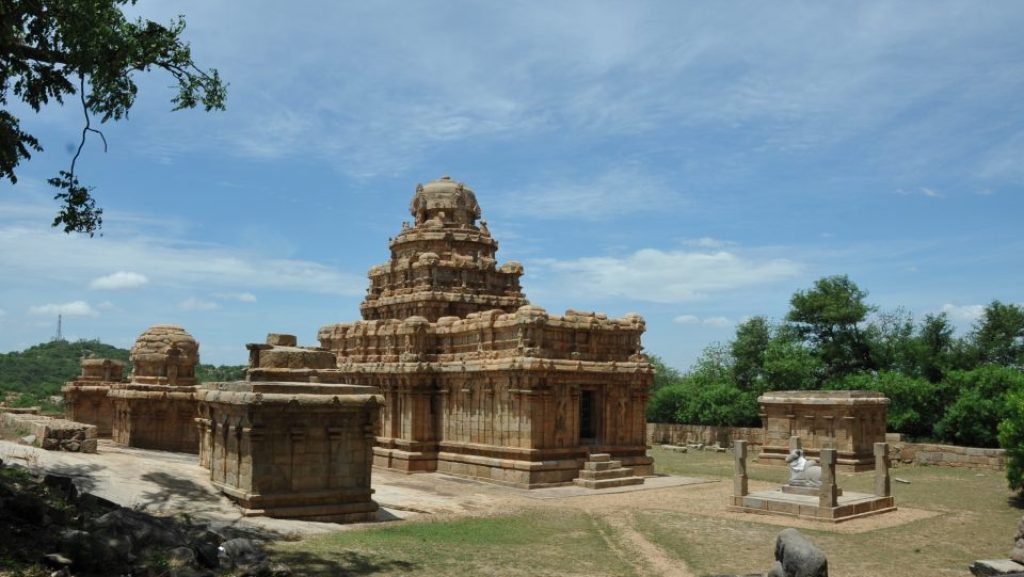
Narthamalai Kudaparai
Narthamalai Kudaparai is a Hindu temple located in Narthamalai, Tamil Nadu, approximately 17 km from Pudukkottai town.
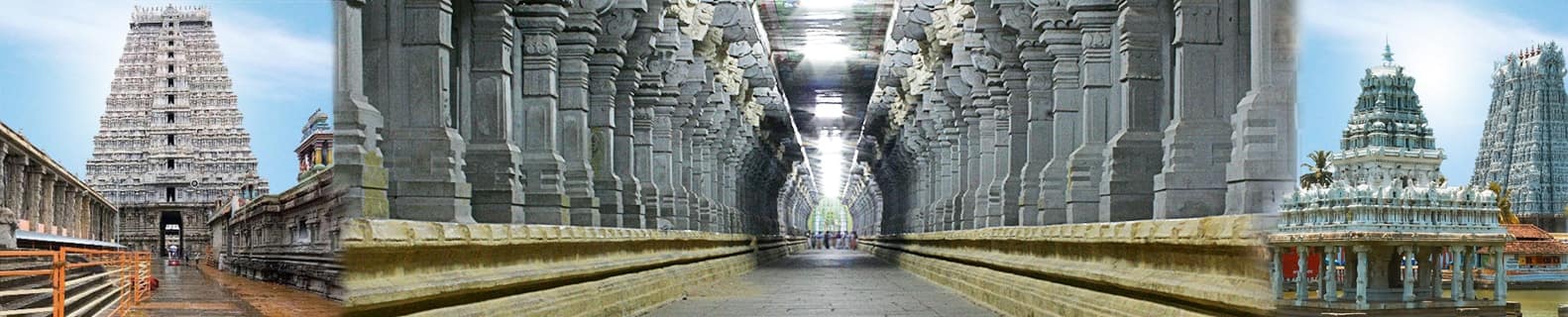
Vyagrapurisvarar Temple, Thiruvengaivasal
Vyagrapurisvarar Temple in Thiruvengaivasal is dedicated to Shiva, whose presiding form is known as Vyagrapurisvarar or Thiruvengainathar. The temple is notable for its unique a…
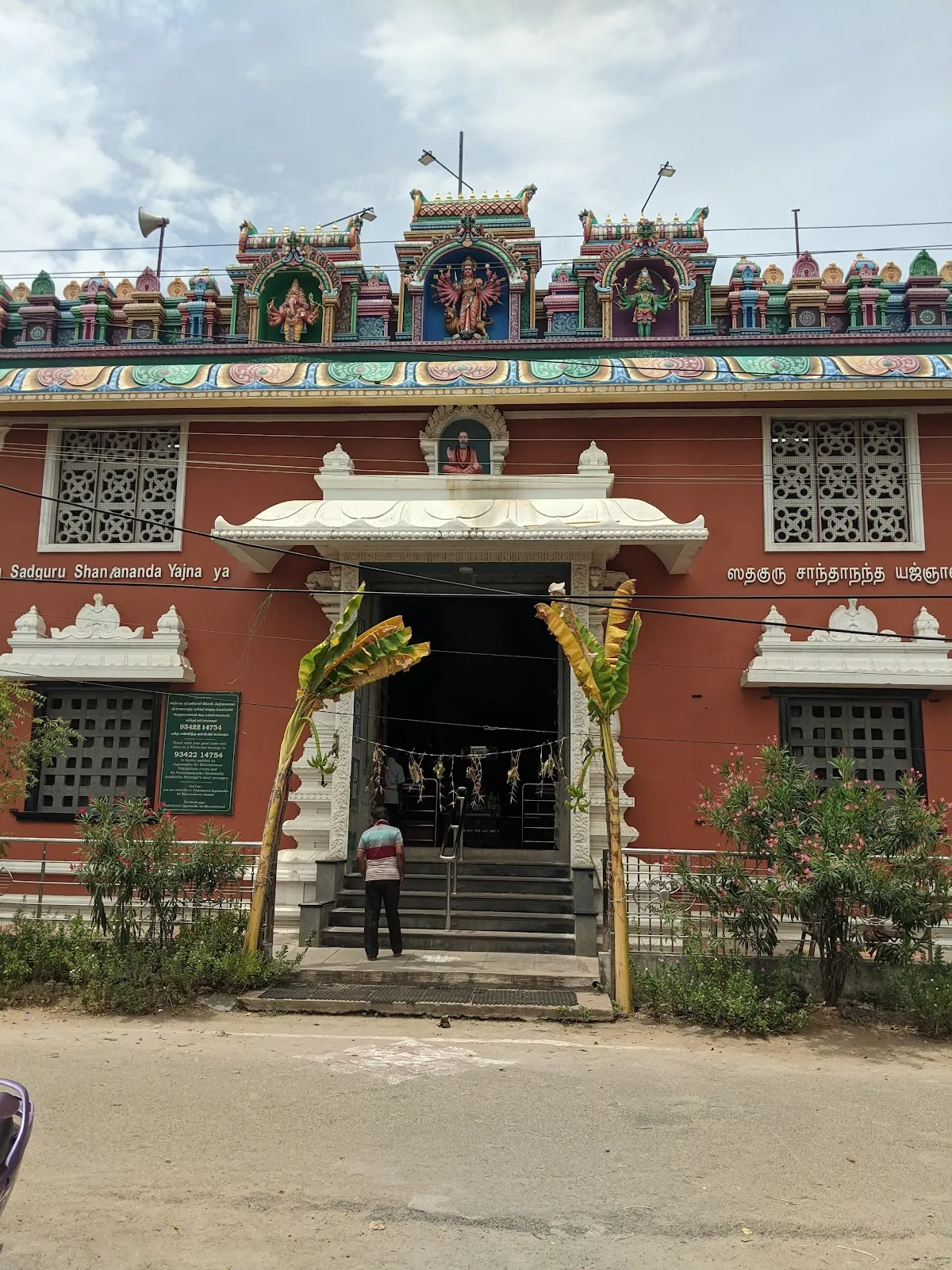
Pudukottai Bhuvaneshwari Amman Temple
Sri Bhuvaneshwari Amman Temple at Rajakulakkarai in Pudukkottai, Tamil Nadu, is a traditional Shakti shrine dedicated to Goddess Bhuvaneshwari Amman, revered for protection, pro…
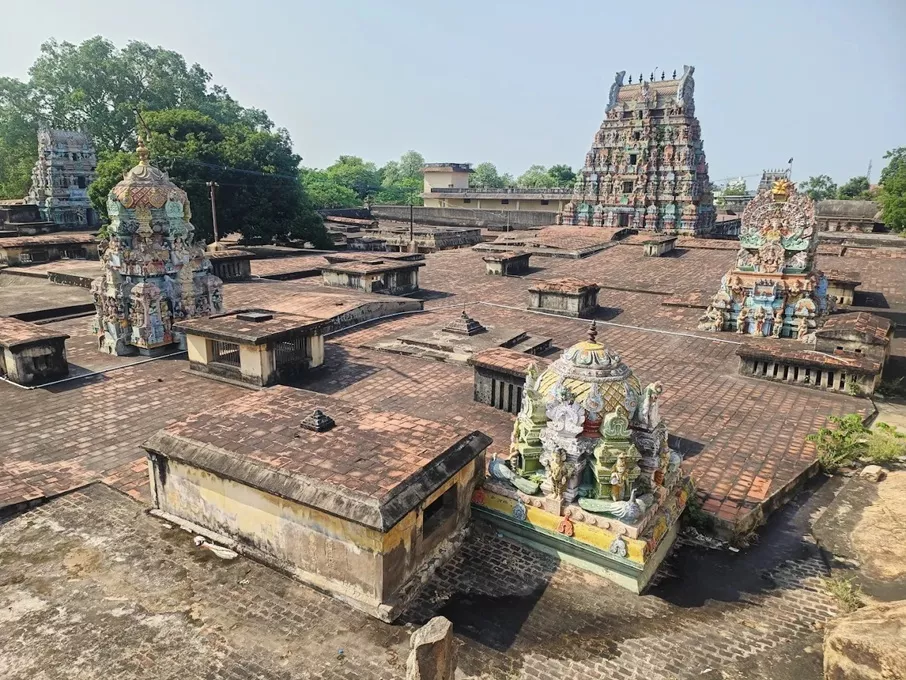
Kokarneswarar Temple, Thirukokarnam
An ancient rock-cut Pallava-era cave temple dedicated to Shiva as Gokarneswarar, built in the 7th century and later enhanced by Chola and Pandya dynasties. The temple is renowne…
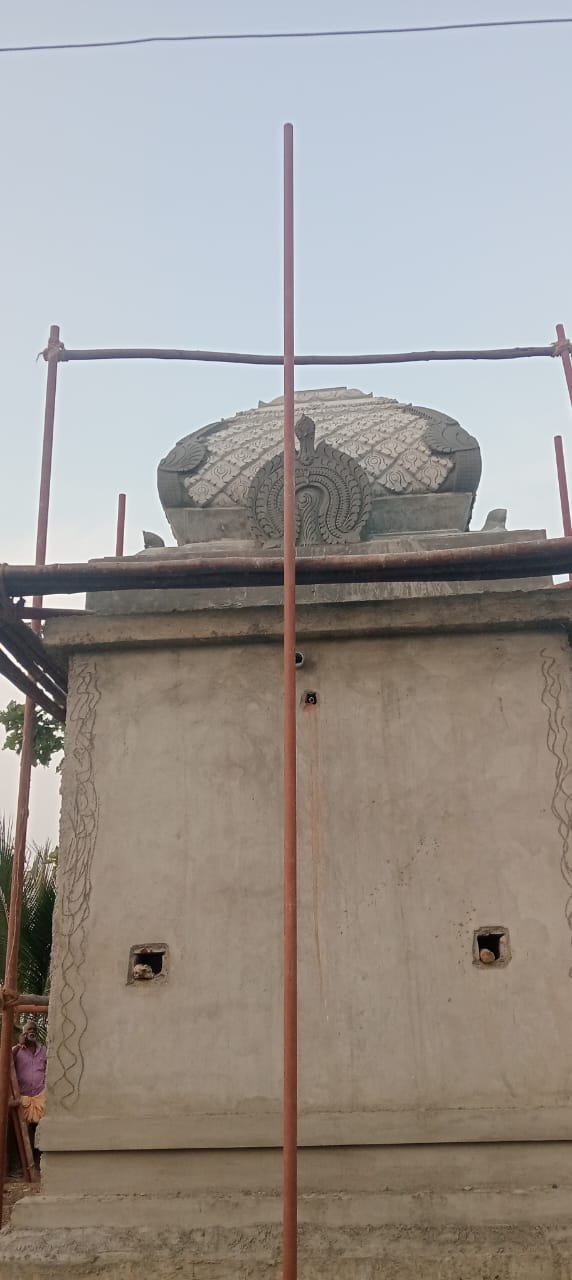
Muthumariamman Temple, Tiruvappur
Arulmigu Sri Muthumariamman Temple in Tiruvappur, near Pudukkottai, is a centuries-old shrine dedicated to the goddess Muthumariamman, revered for healing ailments through the s…
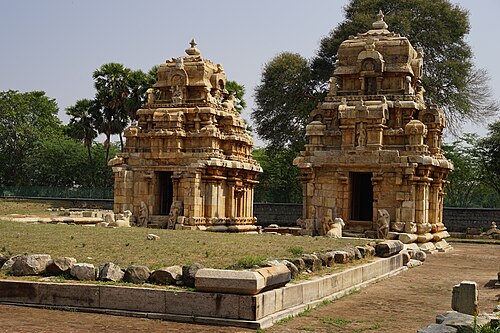
Moovar Koil
Moovar Koil, meaning 'Three Temples,' is a Hindu temple complex in Kodumbalur, Tamil Nadu, built during the Chola dynasty and recognized as a Monument of National Importance.