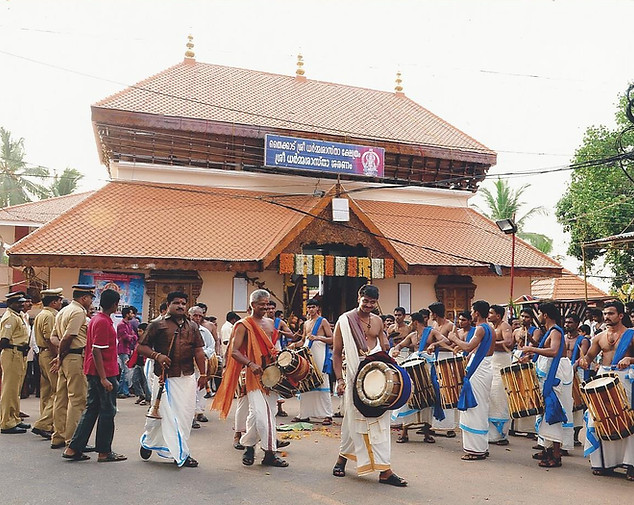
Valisvarar Temple, Sevur
About Valisvarar Temple, Sevur
The temple exemplifies Dravidian architectural principles, the classical building tradition of South India. It is situated at an elevation of approximately 366.58 meters in Sevur, positioning it on higher ground within the local landscape. The temple's design follows the conventions established over centuries in Tamil Nadu's religious architecture, though the sources do not detail specific structural features or the age of the current construction.
The Dravidian style typically emphasizes gopurams (temple towers), columned halls, and intricate stone carving, though specific architectural elements of this particular shrine are not documented in available sources. Visitors interested in the finer points of the temple's design may wish to observe the structure directly or inquire with temple staff upon arrival.
Daily Worship and Darshan
As a functioning Shaivite temple, Valisvarar Temple maintains regular schedules for darshan—the viewing of the deity—and ritual worship. Devotees visit to receive the blessings of Valeeswarar through direct sight of the sanctum. The temple observes aartis, the ritual offerings of light and prayers that punctuate the day's worship cycle. However, specific timings for darshan and aarti are not provided in the available sources, and these may vary seasonally or on festival days.
Visitors planning a trip should confirm current timings directly with the temple before traveling, as schedules can shift. Temple staff will be able to provide accurate information about when darshan is available and when major rituals occur.
Festivals and Observances
The temple celebrates several festivals throughout the year. Guru Purnima, observed in July, honors spiritual teachers and gurus. Hanuman Jayanti in April marks the birth of Hanuman, the deity revered across Hindu tradition. Karwa Chauth, falling in October, is observed particularly by married women as a fast undertaken for the wellbeing of their spouses. The temple is reported to be most beautifully decorated during these festival periods, drawing larger numbers of devotees.
Beyond these named observances, the temple likely follows the broader calendar of Shaivite festivals, though specific details are not available from the sources consulted. Visitors interested in experiencing the temple during a particular celebration should verify dates and any special arrangements in advance.
Visiting the Temple
The temple is located at coordinates 11.2490°N, 77.2391°E in Sevur, Tiruppur district, Tamil Nadu. It can be located using these coordinates in mapping applications. The village of Sevur itself serves as the address for navigation purposes.
Visitors should dress modestly, as is customary at Hindu temples—typically covering shoulders and knees. Shoes are generally removed before entering the sanctum. Devotees often bring offerings such as flowers or coconuts, though the temple may have specific guidelines about what is permitted. Photography policies vary by temple; it is respectful to ask permission before photographing the sanctum or rituals. As with all places of worship, maintaining a quiet and reverent demeanor is expected.
Planning Your Visit
No specific information about facilities, accommodation, or nearby amenities in Sevur is available from the sources. Visitors should plan accordingly and may wish to contact the temple directly for recommendations regarding lodging or services in the area. The temple's elevation and rural setting suggest that visitors may need to arrange transportation carefully.
Before traveling, confirm current darshan timings, any special observances occurring on your intended visit date, and any particular customs or requirements the temple maintains. This advance preparation will ensure a respectful and meaningful visit to this sacred Shaivite site.
How to reach
Temples near Valisvarar Temple, Sevur
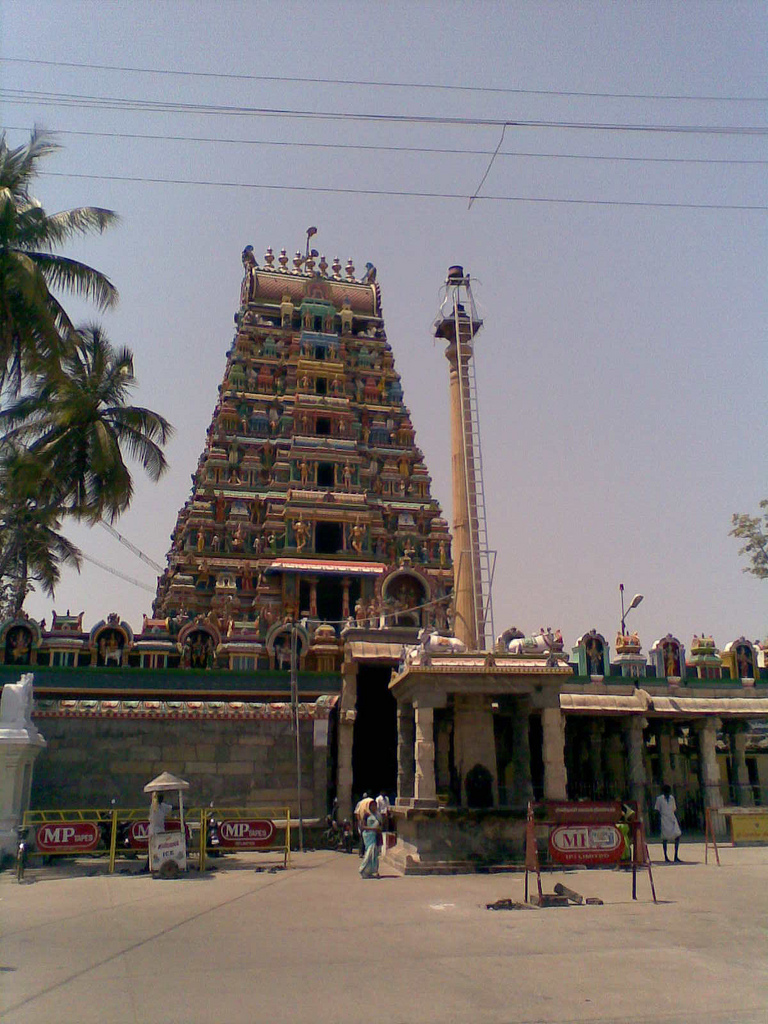
Tiruppukkozhiyur
Tiruppukkozhiyur is a 7th-century Shiva temple in Avinasi, Tamil Nadu, where the deity is worshipped as Avinasiappar in lingam form. Recognized in the classical Tamil Saiva text…
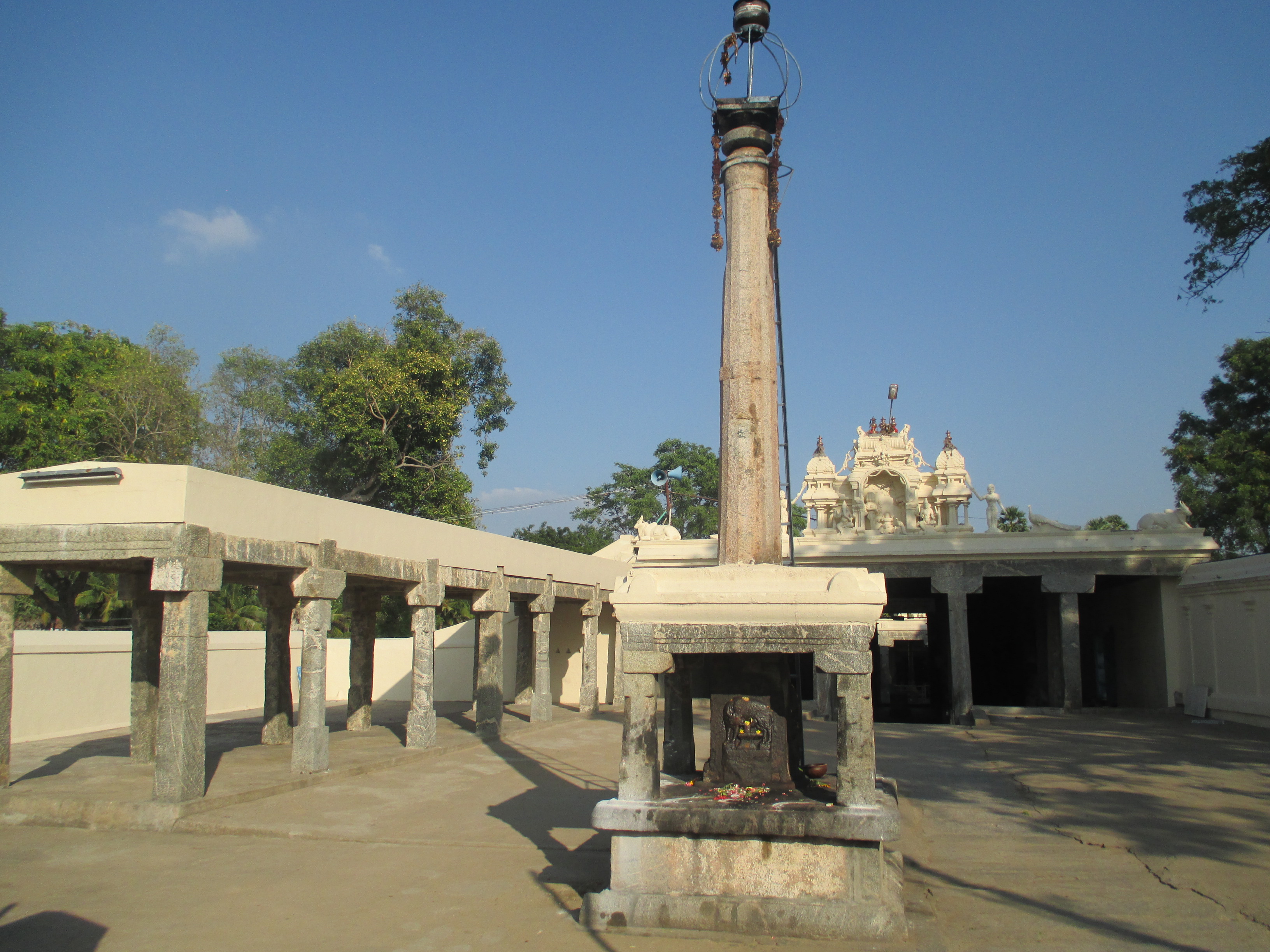
Thirumuruganatheeswar Temple
Thirumuruganatheeswarar Temple in Thirumuruganpoondi, Tiruppur district, is a 10th-century Dravidian-style shrine dedicated to Shiva, who is worshipped alongside his consort Par…
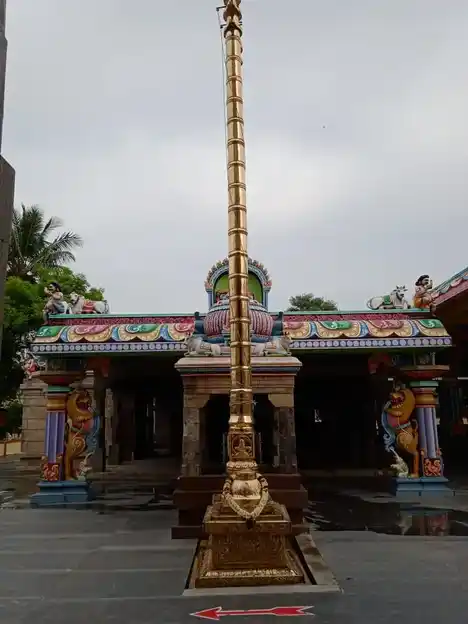
Arulmigu Manneaswarar Temple, Annur
Arulmigu Manneaswarar Temple in Annur is an 11th-century Shaiva shrine dedicated to Lord Shiva, revered for its sacred linga discovered by a hunter and worshipped by the sage Ma…
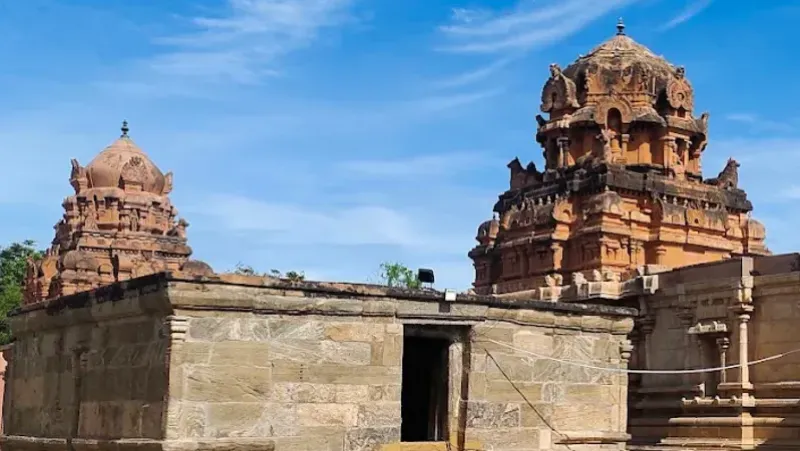
Sukreeswarar temple
Sri Sukreeswarar Temple in Tiruppur, Tamil Nadu is a traditional Shiva shrine dedicated to Lord Shiva, revered by devotees for spiritual protection and family welfare.
Kalakaleshwar Temple
Mahakaleshwar is the third of twelve Jyotirlingas and the only south-facing linga, enshrined in ancient Ujjain on the Shipra river. It is renowned for the Bhasma Aarti at dawn,…
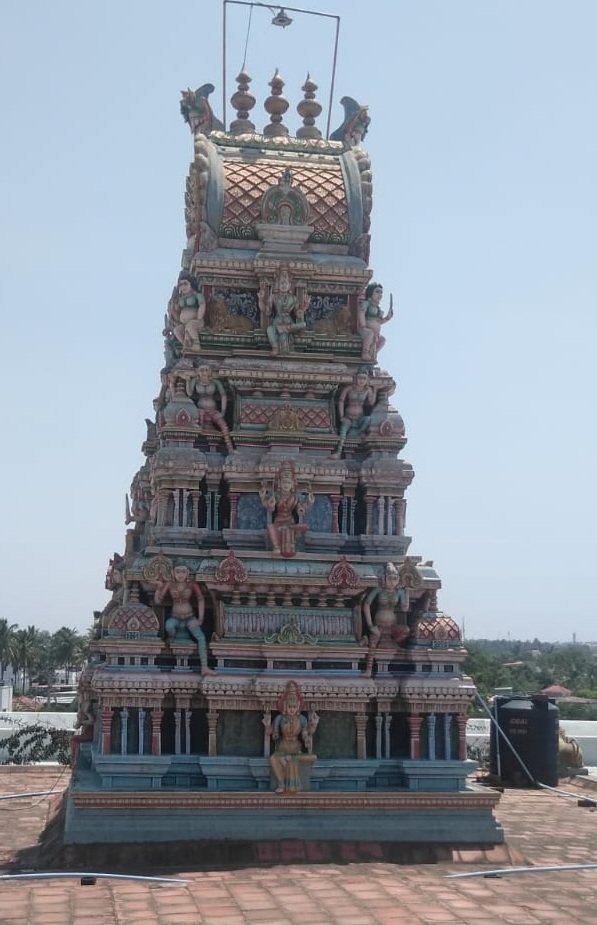
Kaalappatti Maariyamman temple
Arulmigu Mariyamman Temple in Kalapatti, Coimbatore, is a Hindu shrine dedicated to the goddess Mariyamman. The temple is registered with the Hindu Religious and Charitable Endo…