Thirumuruganatheeswar Temple
About Thirumuruganatheeswar Temple
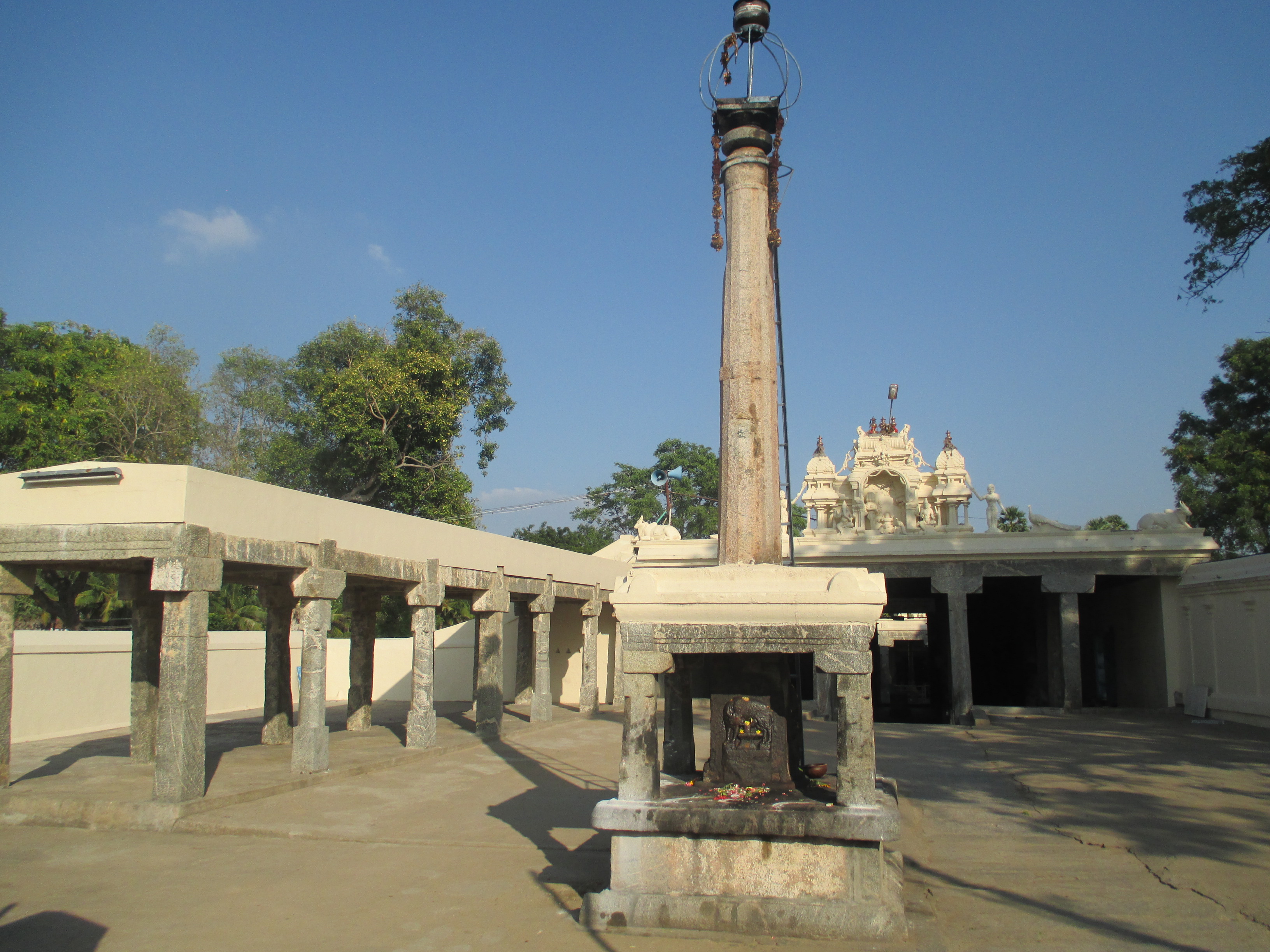
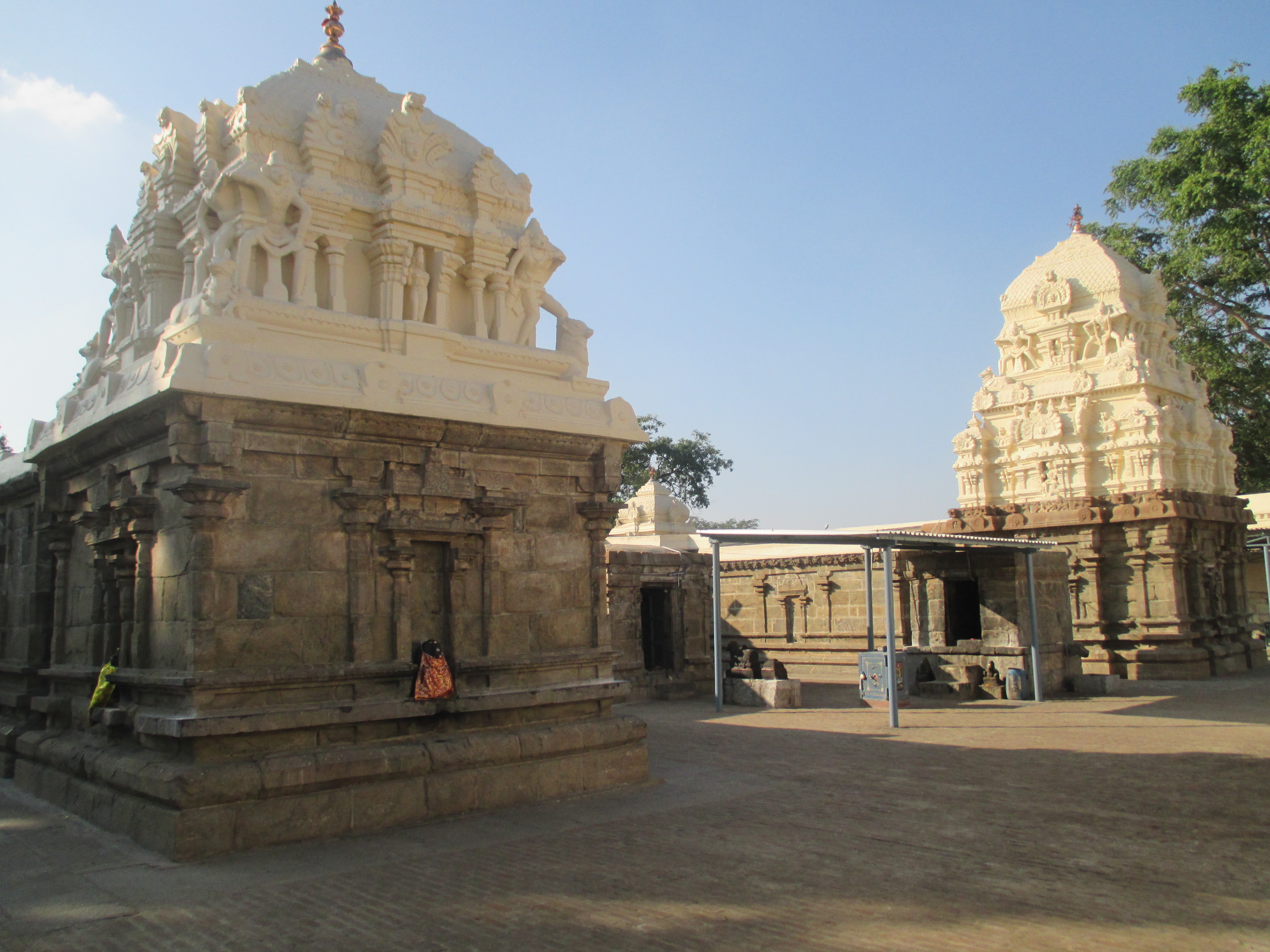
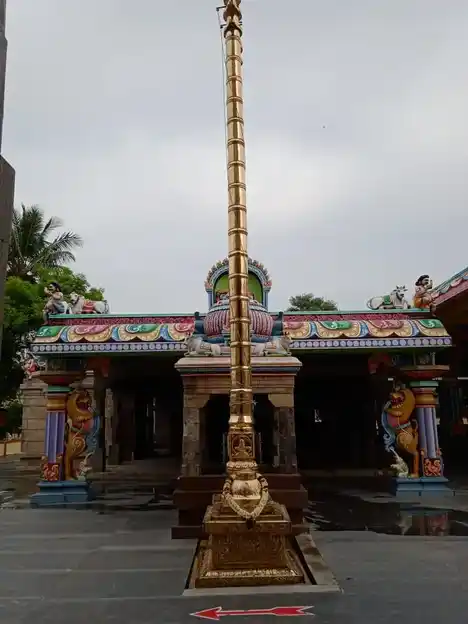
The temple's present form dates to the 10th century, constructed during the reign of the Kongu Cholas, a dynasty that left its architectural mark across the Tiruppur region. The building follows Dravidian architectural principles, the classical style that characterizes South Indian temples. This means the structure incorporates the distinctive elements typical of Tamil temple design—though the sources do not detail specific features such as gopurams, pillared halls, or sculptural programmes at this particular shrine. The temple thus represents a continuity of religious and architectural tradition spanning over a thousand years.
Daily Worship and Darshan
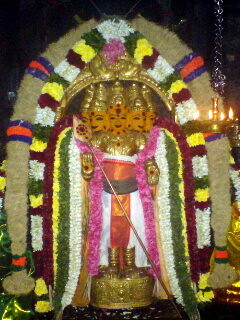
As a functioning Shiva temple, Thirumuruganatheeswar Temple maintains regular worship cycles throughout the day. Devotees visit to receive darshan—the viewing of the deity—which is a central practice in Hindu worship. Visitors typically remove their footwear before entering the sanctum and observe the customary practices of reverence. The specific timings of daily rituals and the availability of darshan should be confirmed locally, as these can vary seasonally and may be subject to change. Those planning a visit are advised to inquire ahead regarding current opening hours and any special observances.
Dravidian Architecture and Sacred Space
The temple's construction in the Dravidian style reflects the architectural vocabulary developed over centuries in South India. This tradition emphasizes geometric precision, intricate stone carving, and a hierarchical arrangement of spaces leading toward the inner sanctum. The 10th-century origins of the present structure place it within a period of significant temple building across Tamil Nadu. While the sources do not provide detailed descriptions of specific architectural features at this site, the Dravidian style generally creates an environment designed to guide the devotee's spiritual focus inward toward the deity.
Location and Access
Thirumuruganatheeswar Temple is located in Thirumuruganpoondi, a panchayat town within Tiruppur district in Tamil Nadu. The temple sits at coordinates 11.165°N, 77.311°E. Tiruppur district is well-connected by road to major cities in Tamil Nadu, and visitors can reach the town by bus or private vehicle. The specific facilities available at the temple—such as parking, rest areas, or refreshment options—should be confirmed with local sources before visiting. Those travelling from a distance may wish to check accommodation options in nearby Tiruppur town.
Visiting Etiquette and Practical Considerations
Visitors to Shiva temples in Tamil Nadu typically observe modest dress, covering shoulders and knees as a mark of respect. Photography policies vary by temple and should be observed as indicated by signage or temple staff. As with most Hindu temples, menstruating women may find certain restrictions in place regarding entry to the inner sanctum, reflecting traditional practices; however, policies differ between temples and should be confirmed locally. Devotees often bring offerings such as flowers or coconuts, which can typically be purchased near the temple entrance. It is advisable to visit during daylight hours and to allow time for unhurried worship, particularly if seeking a quiet experience.
How to reach
Temples near Thirumuruganatheeswar Temple
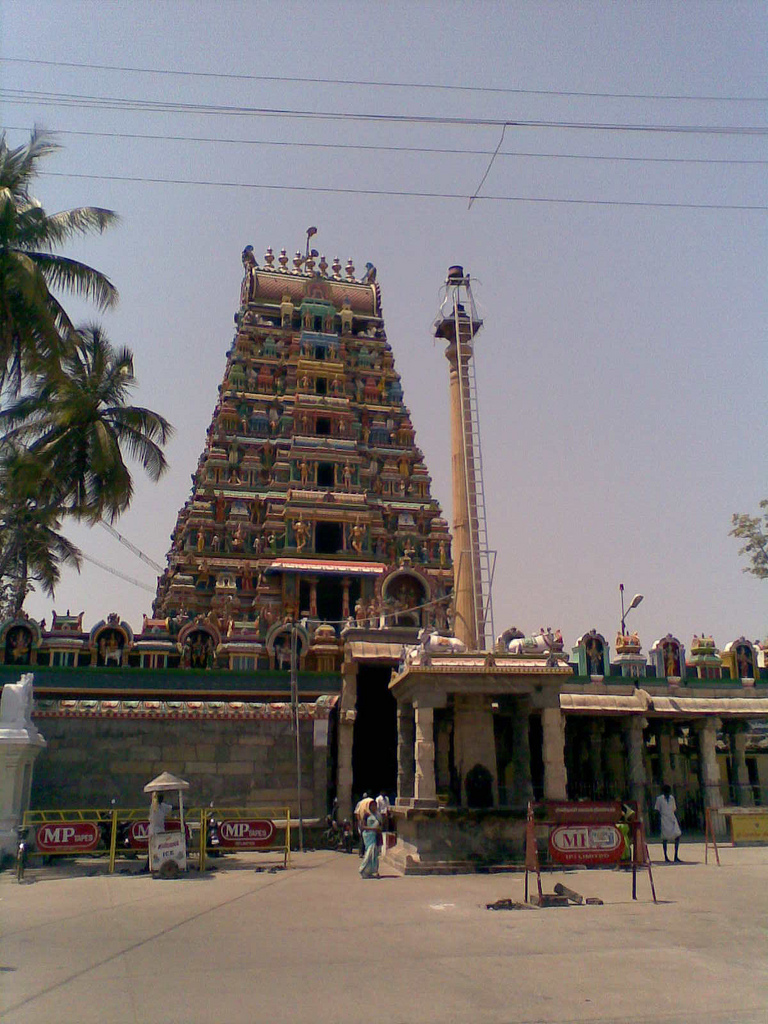
Tiruppukkozhiyur
Tiruppukkozhiyur is a 7th-century Shiva temple in Avinasi, Tamil Nadu, where the deity is worshipped as Avinasiappar in lingam form. Recognized in the classical Tamil Saiva text…
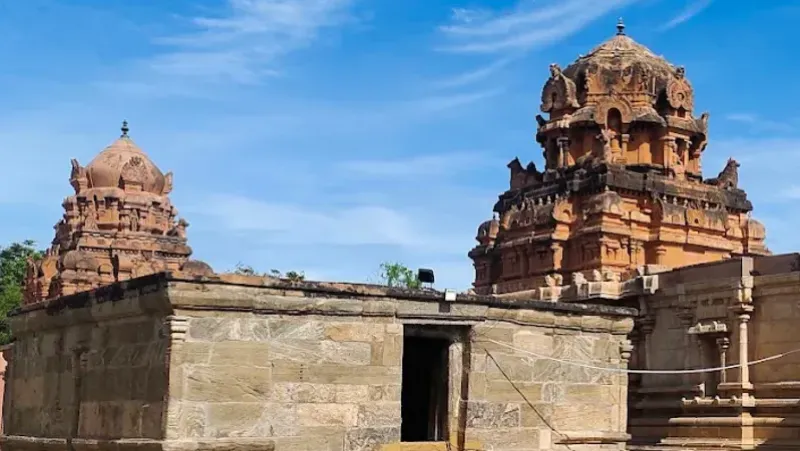
Sukreeswarar temple
Sri Sukreeswarar Temple in Tiruppur, Tamil Nadu is a traditional Shiva shrine dedicated to Lord Shiva, revered by devotees for spiritual protection and family welfare.
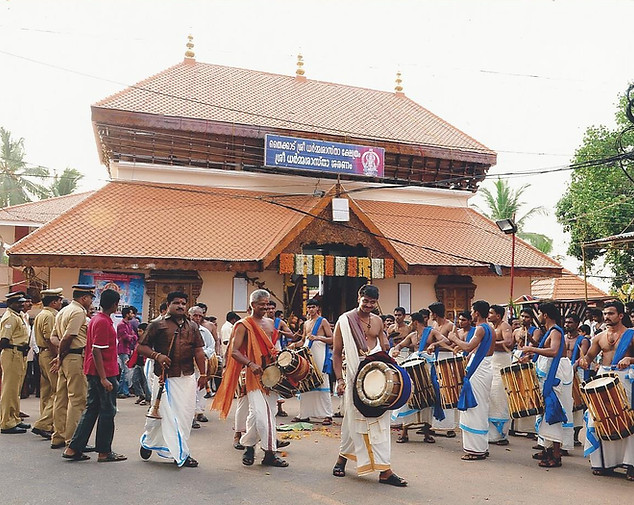
Valisvarar Temple, Sevur
Valisvarar Temple is a functioning Shaivite shrine dedicated to Lord Shiva (Valeeswarar) located in the village of Sevur within Tiruppur district, Tamil Nadu. The temple maintai…
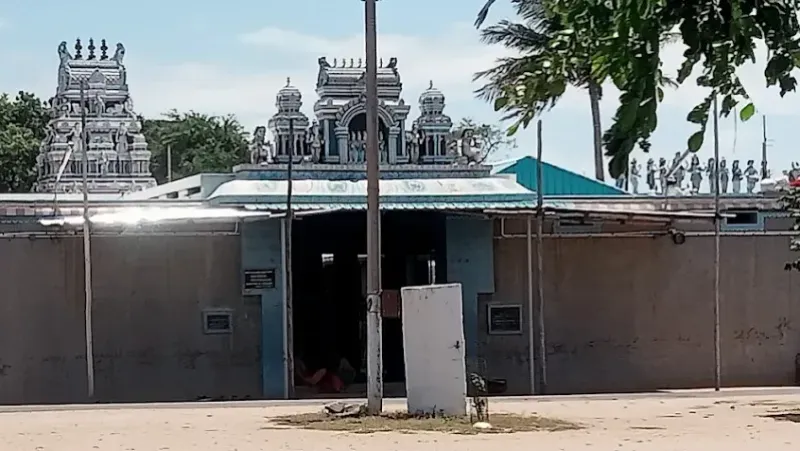
Kodumanal Thangamman Temple
Arulmigu Thangamman Temple at Kodumanal is a historically significant Amman shrine dedicated to Goddess Thangamman, situated on the southern bank of the Noyyal River and serving…
Arulmigu Manneaswarar Temple, Annur
Arulmigu Manneaswarar Temple in Annur is an 11th-century Shaiva shrine dedicated to Lord Shiva, revered for its sacred linga discovered by a hunter and worshipped by the sage Ma…
Sivanmalai Subramanian Temple
Arulmigu Subramaniyswamy Temple at Sivanmalai in Kangeyam, Tiruppur district, is a traditional hill shrine dedicated to Lord Murugan, revered for bestowing courage, wisdom and s…