Valinath Mahadev Temple
About Valinath Mahadev Temple
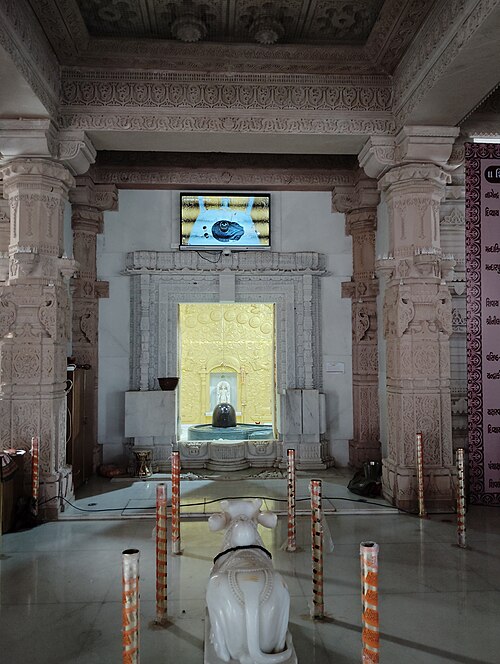
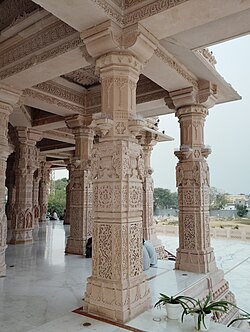
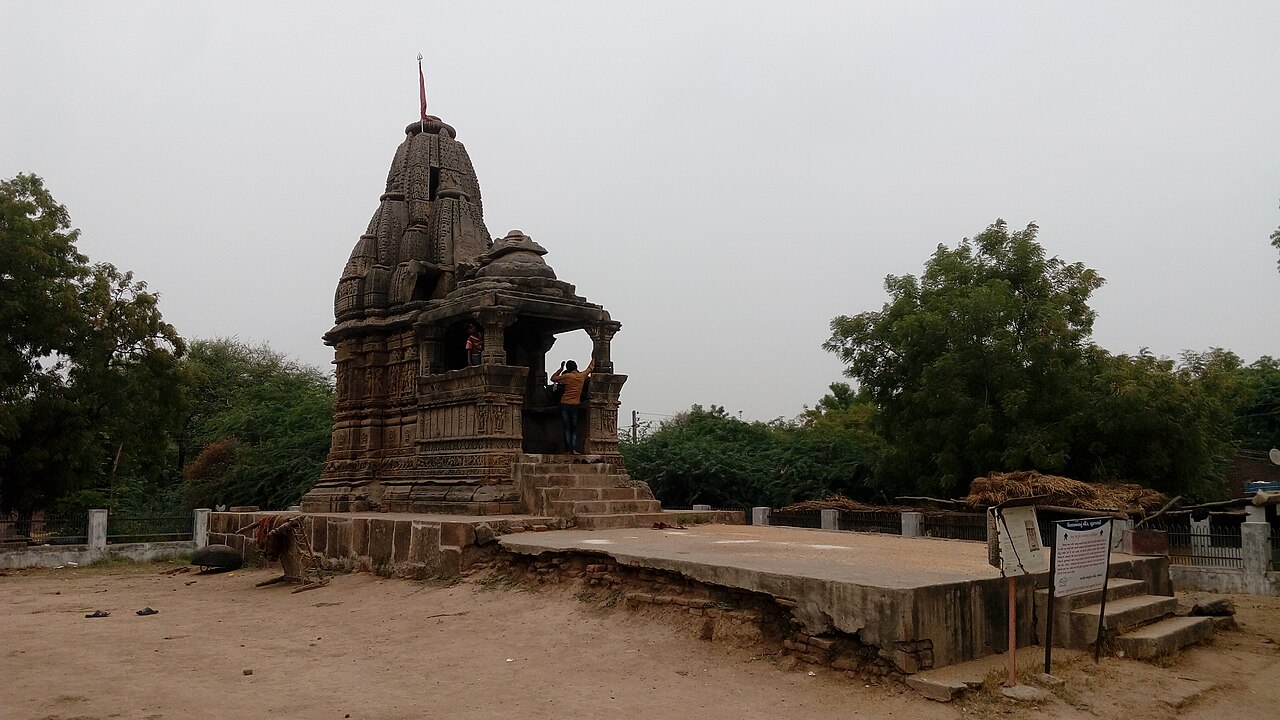
The temple maintains a sanctum—the innermost chamber housing the deity—and a gopuram, the distinctive tower structure characteristic of Hindu temple architecture. These form the primary ritual spaces where worship takes place. The sanctum serves as the focal point for darshan, the practice of viewing the deity as an act of devotion and receiving blessings.
As a Shiva temple, Valinath Mahadev would typically conduct multiple aartis (ritual offerings involving light and prayer) throughout the day, though specific timings should be confirmed directly with the temple before visiting, as schedules may vary or change seasonally.
Daily Worship and Darshan
Devotees visit Valinath Mahadev primarily for darshan—the sacred viewing of the deity within the sanctum. This practice forms the core of Hindu temple worship, allowing worshippers to experience a direct connection with the divine. Visitors should plan their visits around the temple's operating hours, keeping in mind that specific timings are best confirmed in advance.
Festival days and significant dates in the Hindu calendar typically see altered schedules and larger congregations of worshippers. Visiting during quieter periods may offer a more intimate experience, while festival occasions provide the opportunity to participate in community celebration and more elaborate ritual observances.
Major Festivals and Observances
The temple observes several significant festivals throughout the year. Sharad Navaratri in October spans nine nights of celebration honoring the Goddess with special rituals and decorations. Makar Sankranti in January marks the harvest season and the sun's astronomical transition, drawing devotees for worship and community gathering. Raksha Bandhan in August celebrates the protective bond between siblings, with many families visiting temples during this period.
The temple also marks Akshaya Tritiya, Karwa Chauth, and Chhath Puja according to the Hindu calendar. During these occasions, the temple typically receives enhanced decoration and attracts larger numbers of worshippers, making these times both spiritually significant and notably busier for visiting.
Practical Information for Visitors
The temple is located at coordinates 23.752039°N, 72.45765°E in Tarabh village. Visitors can enter these coordinates into mapping applications to plan their route and travel time. As with most Hindu temples, modest dress is appropriate—covering shoulders and knees shows respect for the sacred space and the community worshipping there.
Before visiting, it is advisable to confirm current darshan timings directly with the temple, as schedules may vary. Visitors should be prepared for larger crowds during festival periods and plan accordingly. The temple's recent opening means facilities and services may still be developing, so checking ahead regarding amenities and any specific protocols is recommended.
Best Times to Visit
October, January, and August stand out as particularly significant visiting periods. October's Sharad Navaratri brings heightened spiritual energy and elaborate celebrations. January's Makar Sankranti marks an important transition in the Hindu calendar and draws many devotees. August's Raksha Bandhan creates a family-oriented atmosphere at temples across the region.
Outside these festival periods, quieter visiting times may suit those seeking a more contemplative experience. The temple's location in rural Gujarat means weather considerations are relevant—the region experiences significant heat in summer months, while the monsoon season brings heavy rainfall.
How to reach
Temples near Valinath Mahadev Temple
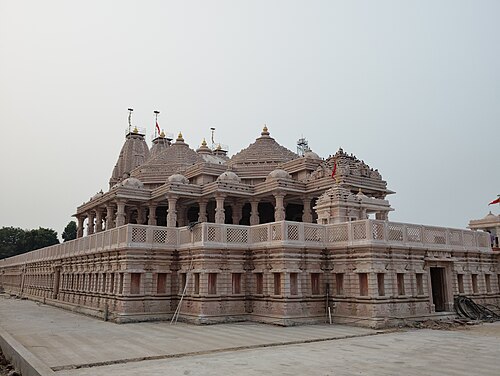
Valinath Mahadev temple, Tarabh
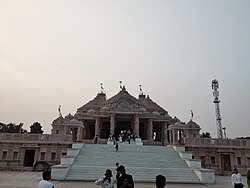
Valinath Mahadev Temple in Tarabh village, Mehsana district, Gujarat, is a recently inaugurated Hindu shrine dedicated to Lord Shiva that opened in February 2024.
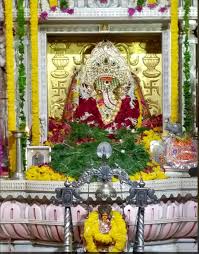
Ganapati Dada Temple, Aithor
Shri Ganpati Dada Temple in Aithor is an ancient shrine dedicated to Lord Ganesha, believed to be over 1200 years old and situated on the banks of the Puspavati River near Unjha…
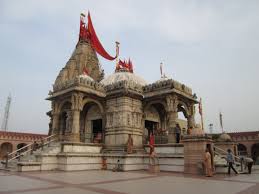
Umiya Mata Temple
Umiya Mata Temple in Unjha, Gujarat, is the principal shrine of Goddess Umiya, the kuldevi of the Kadva Patidar community. The temple features an impressive complex with 650 sta…
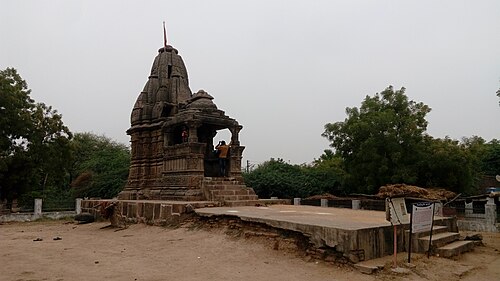
Sitala Mata Temple, Butapaldi
Shitala Mata Temple in Butapaldi is a 12th-century Hindu shrine dedicated to goddess Shitala, showcasing refined Maru-Gurjara architectural craftsmanship with elaborate sculptur…
Shitala Mata Temple, Butapaldi
A twelfth-century Hindu temple in Gujarat's Mehsana district dedicated to goddess Shitala, featuring Maru-Gurjara architectural style and intricate stone carvings.

Harsiddhi Mata Temple, Sunak
Harsiddhi Mata Temple in Ujjain is one of the 51 sacred Shaktipeeths, where Goddess Sati's elbow is believed to have fallen. The temple is renowned for its spectacular twin 13-t…