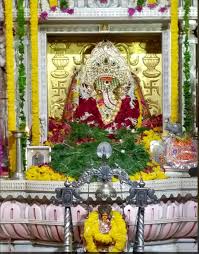
Ganapati Dada Temple, Aithor
About Ganapati Dada Temple, Aithor
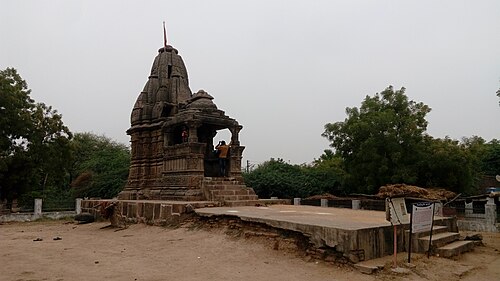
The temple's antiquity is underscored by local tradition, which associates its establishment with the Pandava era. Historical records indicate that rulers of the Solanke dynasty, who held sway over this region, were regular visitors to the temple, lending it both spiritual and political importance in medieval times. The temple thus represents a continuous thread of worship spanning multiple centuries and dynasties.
According to local belief, the temple was established when the chariot wheels of the thirty-three crore deities became stuck at this location. The deities are said to have installed Ganapati Dada here to resolve the obstruction—a narrative that underscores the temple's role as a place where obstacles are overcome, consistent with Ganesha's broader significance in Hindu devotion.
Visiting the Temple
The temple remains open throughout the day and night, accommodating pilgrims at any hour. The most spiritually significant time to visit is during Sankashti Chaturthi, the lunar day dedicated to Ganesha, when the temple draws considerable crowds of worshippers. For those seeking a more peaceful atmosphere, early morning or evening hours are preferable, allowing for quieter contemplation and darshan.
The temple complex includes facilities for visitors, including a yatri bhavan (pilgrim rest house) and a canteen offering meals at modest cost. Food is typically available for approximately 50 rupees, making it accessible to pilgrims of varying means. These amenities reflect the temple's orientation toward welcoming visitors and supporting their spiritual journey.
Facilities and Practical Information
Accommodation is available within the temple premises for those wishing to stay overnight. The temple trust, formally registered as the Shri Ganpati Mandir Trust (Registration No. A-11, Mahesana), manages the temple's operations and can be contacted for specific inquiries regarding facilities or arrangements. The trust's contact number is 9510253555, and further information is available through their website.
Visitors should dress modestly, as is customary at Hindu temples. The temple's open-air setting and the practice of offering sindur and ghee to the soil murti means that simple, washable clothing is practical. Shoes are typically removed before entering the inner sanctum, following standard temple protocol.
Location and Access
Aithor village lies approximately four kilometers from Unjha town on the Visnagar road, situated on the banks of the Pushpavati River. The temple's coordinates are 23.767638888889 latitude and 72.406194444444 longitude, which can assist those using GPS navigation. The proximity to Unjha makes it a natural addition to a pilgrimage that includes the well-known Umiya Mata Temple in that town, allowing visitors to combine worship at both sacred sites within a single journey.
The village setting and riverside location provide a serene environment for worship, distinct from the urban temples found in larger cities. The temple's accessibility from Unjha, a town with reasonable road connections, makes it reachable for both local devotees and travelers from further afield.
The Deity and Worship Tradition
Ganesha worship at this temple follows the broader Hindu tradition in which the deity is invoked at the beginning of all auspicious undertakings. Devotees visit seeking blessings for the removal of obstacles in their endeavors, whether spiritual, professional, or personal. The temple's ancient lineage and the distinctive nature of its soil murti lend particular potency to prayers offered here, according to local belief.
The offering of sindur and ghee—substances associated with auspiciousness and devotion—creates a living, evolving image that bears the accumulated prayers of generations. This practice distinguishes the temple's worship from more formal ritual contexts and speaks to an intimate, participatory form of devotion characteristic of many North Indian temples.
How to reach
Temples near Ganapati Dada Temple, Aithor
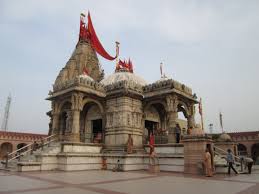
Umiya Mata Temple
Umiya Mata Temple in Unjha, Gujarat, is the principal shrine of Goddess Umiya, the kuldevi of the Kadva Patidar community. The temple features an impressive complex with 650 sta…
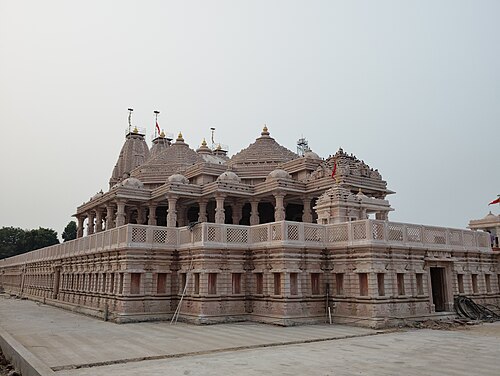
Valinath Mahadev temple, Tarabh
Valinath Mahadev Temple in Tarabh village, Mehsana district, Gujarat, is a recently inaugurated Hindu shrine dedicated to Lord Shiva that opened in February 2024.
Valinath Mahadev Temple
Valinath Mahadev Temple is a recently inaugurated Hindu shrine dedicated to Lord Shiva, located in Tarabh village within Mehsana district, Gujarat. The temple opened in February…

Harsiddhi Mata Temple, Sunak
Harsiddhi Mata Temple in Ujjain is one of the 51 sacred Shaktipeeths, where Goddess Sati's elbow is believed to have fallen. The temple is renowned for its spectacular twin 13-t…
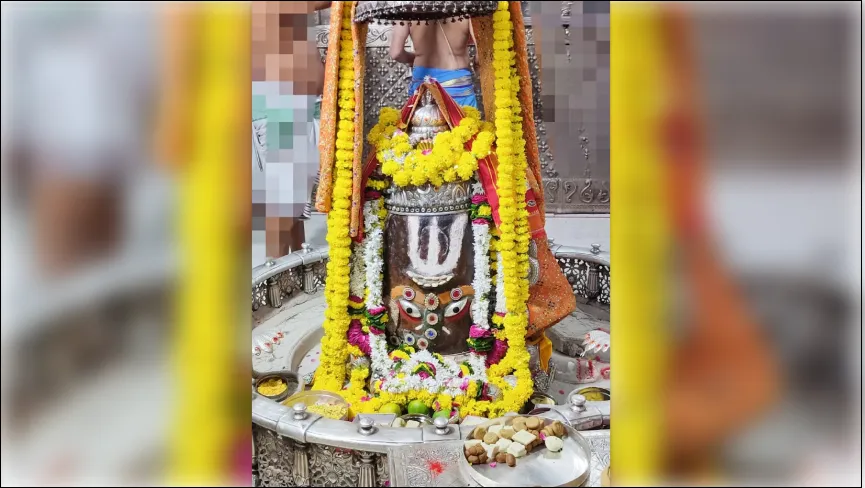
Nilkantheshwar Mahadev temple, Ruvavi
Nilkantheshwar Mahadev temple in Ruvavi, Patan, Gujarat is a Shiva shrine recognized as a Monument of National Importance, dedicated to Lord Shiva in his Nilkanth form.
Sitala Mata Temple, Butapaldi
Shitala Mata Temple in Butapaldi is a 12th-century Hindu shrine dedicated to goddess Shitala, showcasing refined Maru-Gurjara architectural craftsmanship with elaborate sculptur…