


Vaishnava Nambi and Thirukurungudivalli Nachiar Temple
About Vaishnava Nambi and Thirukurungudivalli Nachiar Temple
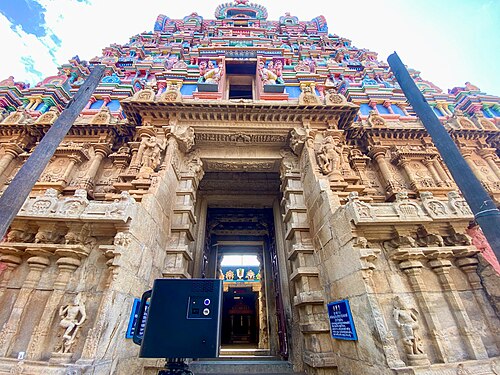
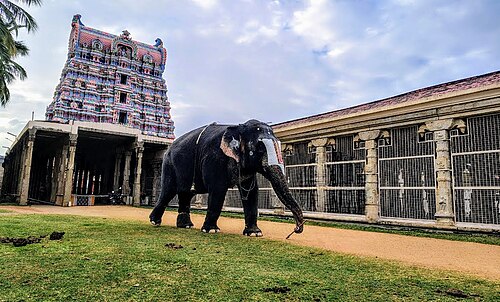
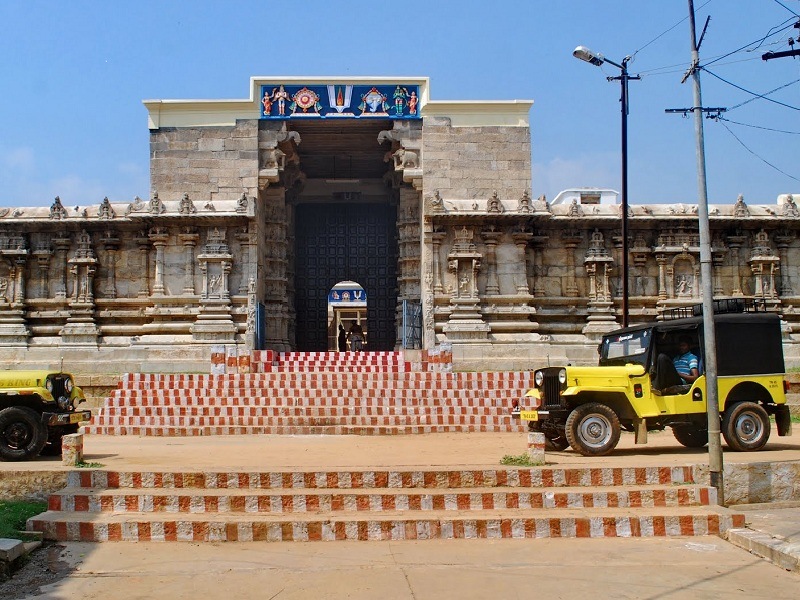
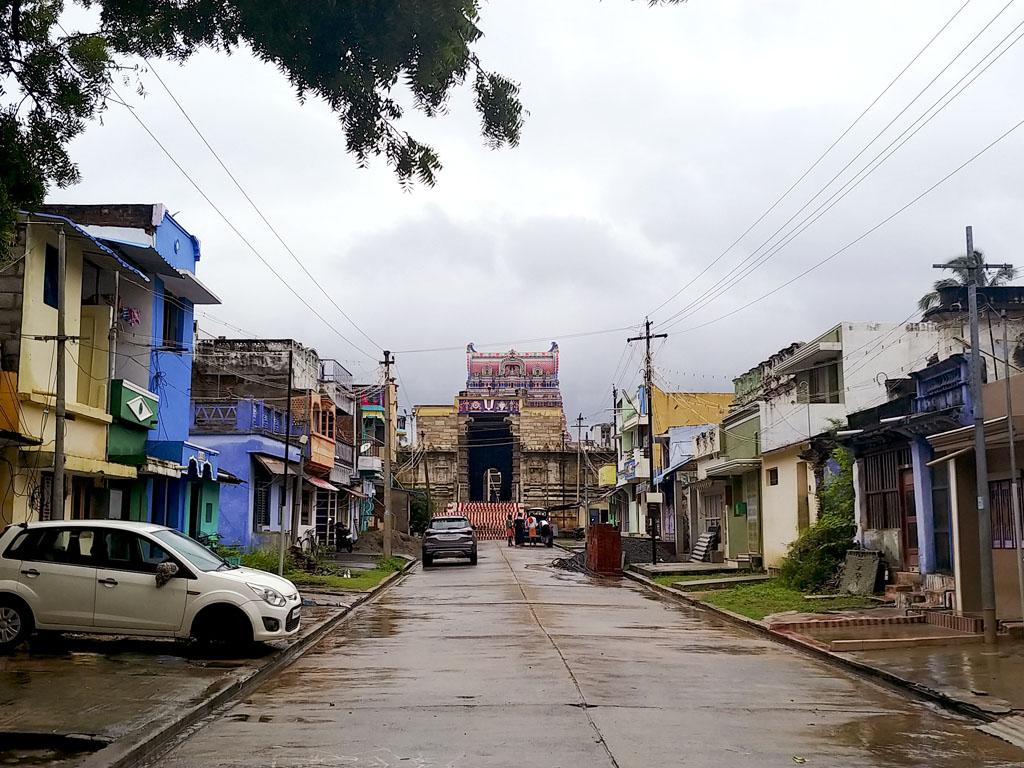
The temple is constructed in the Dravidian architectural style characteristic of South Indian temples, with its distinctive gopuram (tower) and sanctum forming the spiritual heart of the complex. The temple sits on Sannathi Street in the village, accessible by road from Tirunelveli. While the sources do not detail the specific dimensions or sculptural programmes of the temple, its ancient foundation and continued ritual life suggest a structure of considerable age and established religious importance.
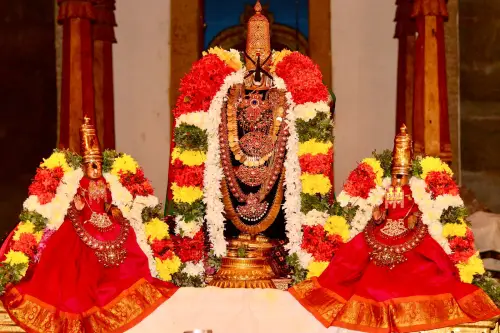
The layout follows conventions typical of temples dedicated to Vishnu and his consort, with separate sanctums honouring both deities. Visitors should expect to encounter the inner sanctum, where the primary rituals are conducted, and outer courtyards where devotees gather for darshan at various times throughout the day.
Eight Daily Rituals and Darshan Times
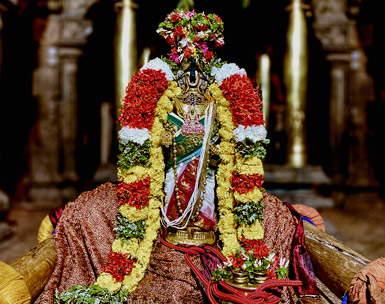
The temple structures its worship around eight distinct ritual moments each day, beginning before dawn and concluding in the evening. Vishvaroopa Dharshan at 7:00 AM offers the first opportunity for darshan, when early-rising devotees witness the deity in the morning light. This is followed by Kaalasandhi at 9:00 AM, a transitional ritual marking a shift in the day's worship.
Midday worship occurs between 11:00 and 11:30 AM (Utchikaalam) and at noon (Thirukappu Sattrudhal). The evening period intensifies devotional activity: Sayam Sevai runs from 4:30 to 6:00 PM and draws the largest crowds of the day, followed by Sayaratchai (6:00–6:30 PM), Atthalam Suthu Kovil (7:00–7:15 PM), and the final worship of Thiruvisagam at 8:00 PM. These timings shift during festival periods, so confirmation with the temple is advisable if visiting during major celebrations.
Arriving early, particularly for morning darshan, allows visitors to experience the temple's atmosphere before crowds accumulate and provides a more contemplative setting for worship.
Brahmotsavam: The Annual Festival
The temple's most significant annual observance is the Brahmotsavam, celebrated during Chittirai (April–May), the Tamil month marking the traditional new year. This ten-day festival draws devotees from across the region and involves elaborate rituals and processions honouring the deity. The festival transforms the temple into a centre of heightened religious activity, with special ceremonies throughout.
Visitors planning to attend should prepare for substantially larger crowds and book accommodation well in advance. The festival period offers an immersive experience of temple worship and community devotion, though it requires patience and flexibility regarding access and timing.
Visiting: Practicalities and Etiquette
The temple is accessible by road from Tirunelveli, which has rail and bus connections to other parts of Tamil Nadu. Visitors should dress modestly, covering shoulders and knees, as is customary in Hindu temples. Footwear is typically removed before entering the inner sanctum. Photography policies vary; it is respectful to ask temple staff before photographing rituals or the deity.
The Tenkalai tradition of Vaishnavism, to which this temple belongs, typically welcomes all sincere devotees regardless of background, though visitors should approach sacred spaces with reverence and follow the guidance of temple staff. Accommodation and food services are available in Thirukkurungudi village. Carrying water and sun protection is advisable, particularly during the hotter months. Allow several hours for your visit to experience multiple worship times and explore the temple's layout.
Best Times to Visit
October through March offers the most comfortable climate for visiting. April and May coincide with the Brahmotsavam festival and the Tamil new year, drawing larger numbers of pilgrims. Early morning visits before crowds gather offer a more peaceful experience of the temple's atmosphere and rituals. The temple welcomes pilgrims year-round, though festival periods require advance planning for accommodation and should be approached with awareness of increased crowds and potential schedule variations.
How to reach
Temples near Vaishnava Nambi and Thirukurungudivalli Nachiar Temple
Thirupuliyangudi Perumal Temple
Thirupuliyangudi Perumal Temple is one of the nine sacred Nava Tirupati temples dedicated to Vishnu, located on the banks of the Thamiraparani river in Tamil Nadu and revered si…
Adinatha Perumal Temple
Sri Adinatha Perumal Temple in Alwarthirunagari is one of the 108 Divya Desams dedicated to Vishnu, revered in medieval Tamil devotional literature and associated with the saint…
Thenthiruperai Kailasanathar Temple
Thenthiruperai Kailasanathar Temple is one of the nine sacred Nava Kailasam temples dedicated to Lord Shiva, representing the Mercury (Budhan) sthalam where devotees seek blessi…

Karkuvel Ayyanar
Karkuvel Ayyanar Temple is an ancient Hindu shrine dedicated to Ayyanar, situated uniquely within South India's only red sand desert in Thoothukudi district, Tamil Nadu.

Kailasanathar Temple Murappanadu
Sri Kailasanathar Temple in Murappanadu is a revered Shiva shrine on the banks of the Thamirabarani River, celebrated as the fifth temple in the Nava Kailasam pilgrimage circuit…
Nazhikinaru, Tiruchendur
Arulmigu Subramania Swamy Temple at Tiruchendur is the second of the six sacred abodes of Lord Murugan and the only one situated directly on the seashore of the Bay of Bengal. D…