Tirumullavaram Maha Vishnu Temple
About Tirumullavaram Maha Vishnu Temple
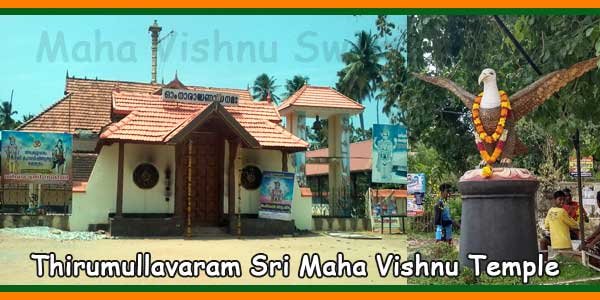
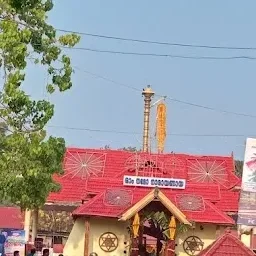
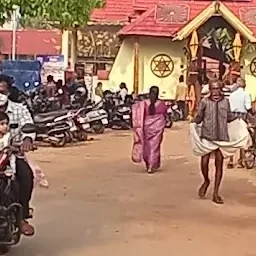
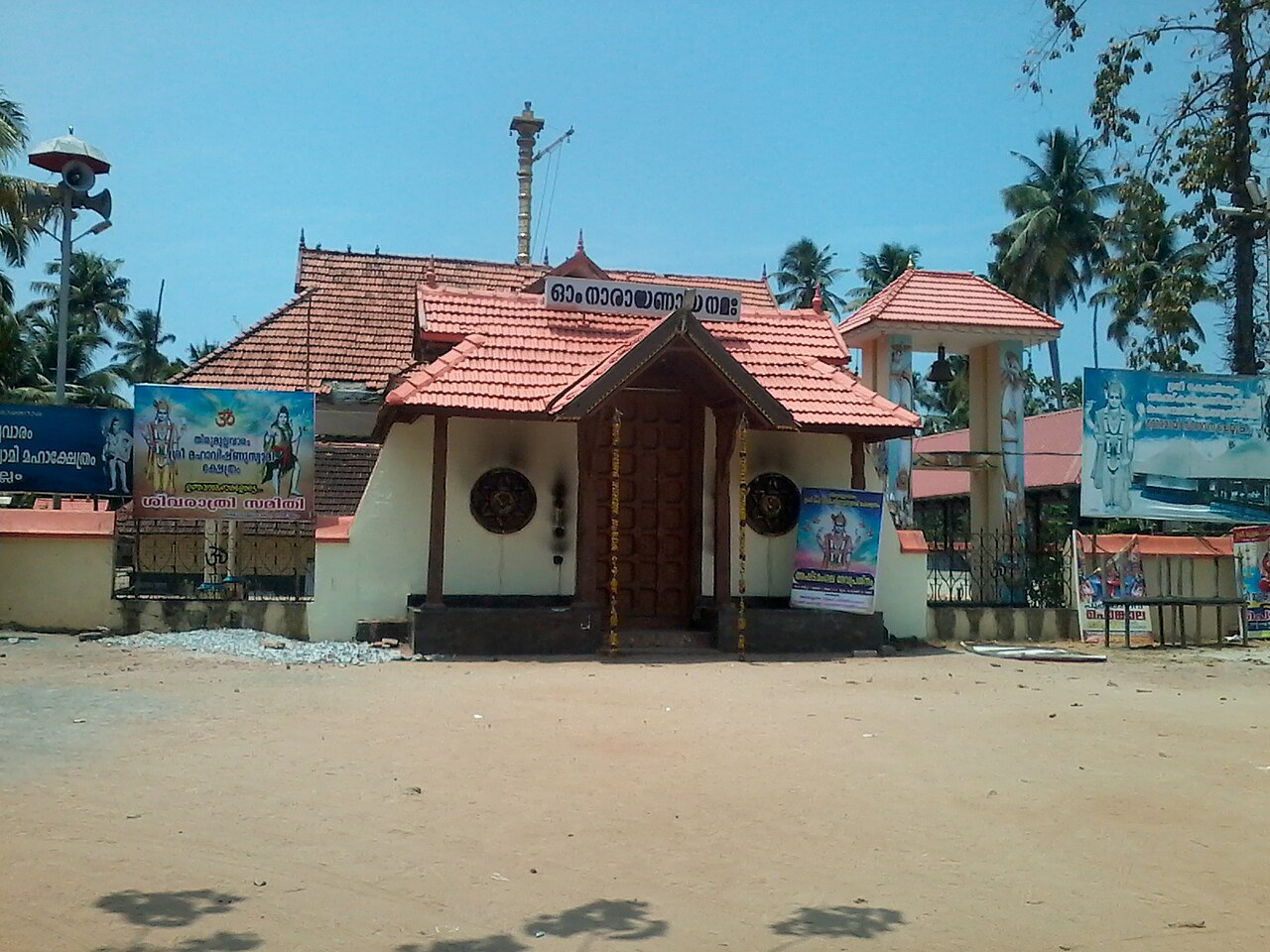
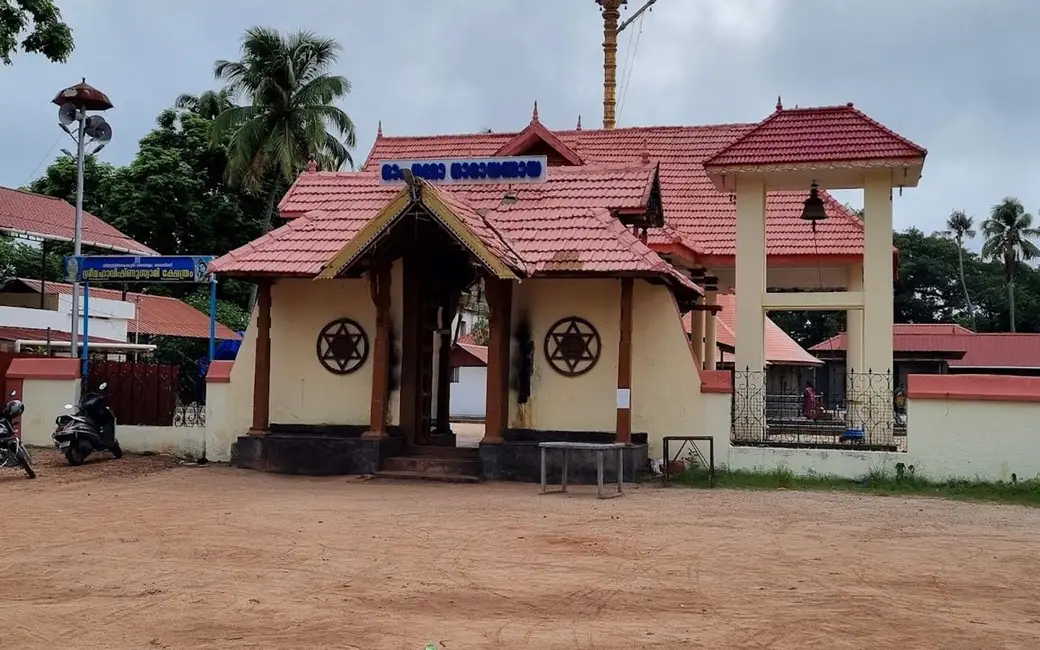
The temple exemplifies Kerala's distinctive architectural tradition, with design elements characteristic of ancient shrines in the region. Its construction reflects the cultural heritage preserved through centuries of worship and maintenance. The temple's position near the water and within a village environment creates an atmosphere distinct from urban temple complexes, allowing devotees to experience darshan in a quieter, more contemplative setting. The architectural style and surroundings together contribute to the temple's appeal as a destination for those seeking peaceful worship.
Daily Worship and Rituals
The temple maintains a structured schedule of daily worship. Morning and evening aartis (ritual worship with lamps) form the core of devotional practice, with the evening ceremony known as Deeparadhana. Beyond these principal rituals, the temple conducts a range of traditional poojas including Usha Pooja (dawn worship), Ucha Pooja (midday worship), Pushpanjali (flower offerings), Archana (recitation of divine names), Neyvilakku (oil lamp offerings), and Udayasthamana Pooja. Rituals are performed in both Sanskrit and Malayalam, maintaining the temple's cultural continuity. Entry for darshan is free, making worship accessible to all devotees regardless of means.
Festivals and Observances
The temple observes significant festivals throughout the year. Thiruvona Mahotsavam, celebrated in March–April, and Karkidaka Vavu Bali, held in July–August, are the principal festivals that draw large numbers of devotees. During these celebrations and on other holy days, the temple organizes Annadanam (free food distribution). Prasadam offerings typically include chandanam (sandalwood paste), theertham (sacred water), and pushpam (flowers), with special preparations such as appam or aravana payasam offered on significant occasions. These festivals and daily practices reflect the temple's role as an active centre of worship and community gathering.
Ancestral Offerings and Spiritual Significance
The temple holds particular significance for those seeking relief from Pitra Dosha, a condition in Hindu astrology related to ancestral concerns. Devotees traditionally visit such shrines to perform rituals honouring their ancestors and seeking spiritual resolution of family matters. Those considering such visits are advised to consult a qualified astrologer before travelling to understand the specific rituals or timings that may be relevant to their circumstances.
Visiting Information and Etiquette
The temple is open Monday through Saturday from 5:00 AM to 7:30 PM, and on Sundays from 5:00 AM to 11:00 AM and again from 5:00 PM to 7:30 PM. The best time to visit is during the winter season from November to February, when weather conditions are most favourable. Early morning hours between 5:00 and 8:00 AM, or during evening aarti times, offer particularly peaceful darshan experiences.
A strict dress code is observed. Men must wear traditional Kerala dhoti (mundu) and remove shirts and T-shirts before entering the inner sanctum. Women are expected to wear sarees, long skirts with blouses, or modest churidars with dupatta. Revealing or tight-fitting Western attire is discouraged to maintain the sanctity of the temple premises. Visitors should be prepared to follow these requirements as part of respecting the sacred space.
How to Reach
The temple is located approximately 4–5 km from Kollam city. Visitors can reach it via Thangassery Road or the coastal route heading north from central Kollam. Local auto-rickshaws and KSRTC buses provide convenient transport from transit hubs such as Chinnakada or Kollam Junction. Kollam Junction Railway Station, the nearest railhead, is about 5 km away. Thiruvananthapuram International Airport, 61 km distant, serves as the primary air gateway. Accommodation options ranging from budget hotels to backwater resorts are available in Kollam town, all within reasonable distance of the temple.
How to reach
Temples near Tirumullavaram Maha Vishnu Temple
Kollam Rameswaram Mahadeva Temple
The Kollam Rameswaram Mahadeva Temple is one of Kerala's 108 sacred Shiva temples, believed to have been established by sage Parasurama in the Treta Yuga. Located in Kollam city…
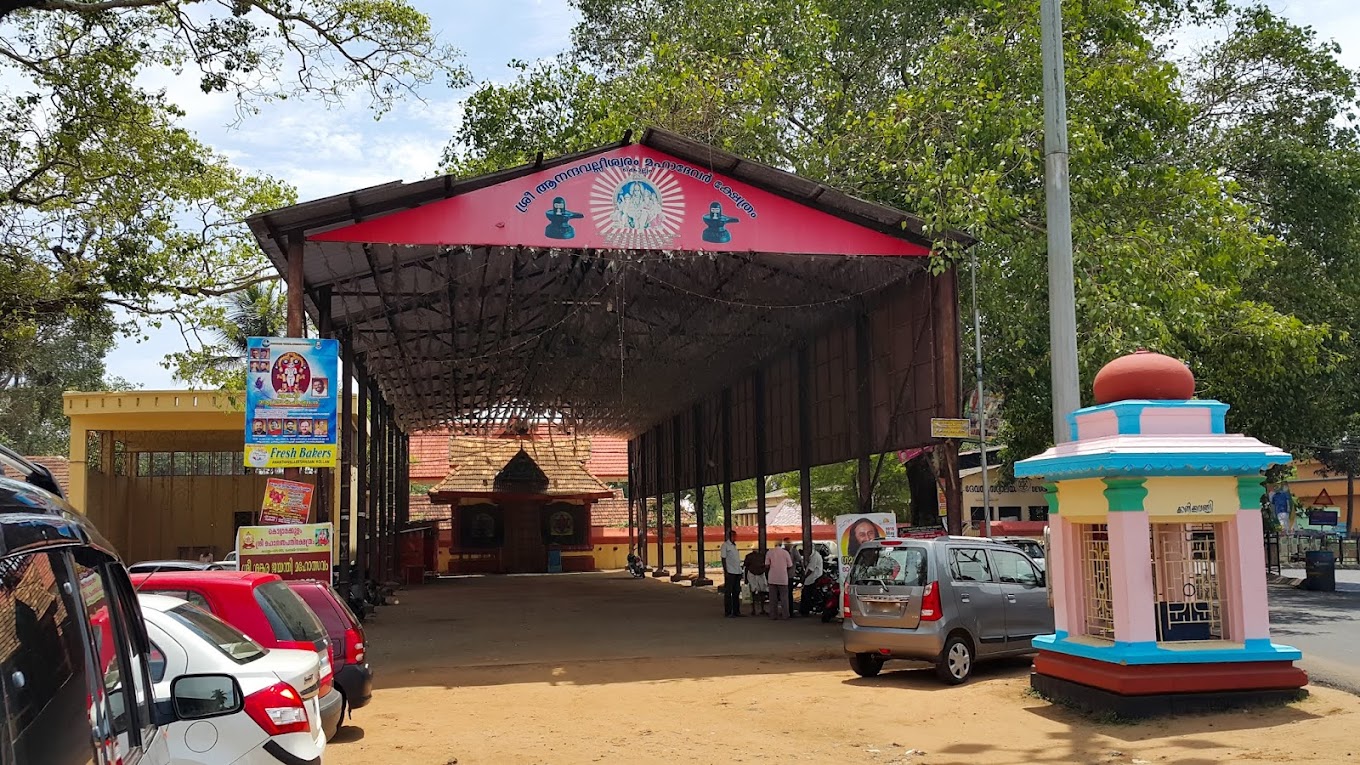
Anandavalleeswaram Temple, Kollam
Anandavalleeswaram Sri Mahadeva Temple in Kollam is an ancient shrine approximately 1200 years old, uniquely housing Lord Shiva, Goddess Parvati, and four other major deities un…
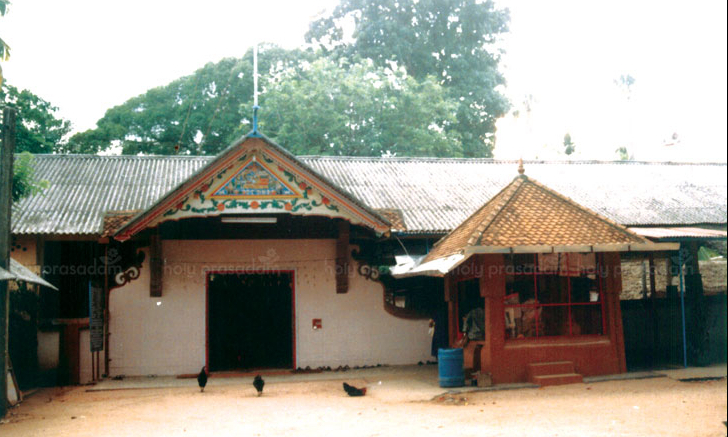
Ammachiveedu Muhurthi
Ammachiveedu Muhurthi Temple in Tangasseri, Kollam is a 15th-century shrine dedicated to Adi Parashakti, distinguished by the absence of a traditional idol—instead featuring a s…

Kottarakkulam Sree Mahaganapathy Kovil
Kottarakara Sree Mahaganapathy Temple in Kollam, Kerala is one of South India's historically significant shrines, where Lord Ganesha is the presiding deity though the original i…

Ashram Sree Krishna Swamy Temple
Asramam Sree Krishna Swamy Temple in Kollam, Kerala, enshrines Lord Krishna in the form of Navaneet Krishnan (Krishna with Butter) on the shores of Ashtamudi Lake. The temple's…

Thrikkadavoor Mahadeva Temple
Thrikkadavoor Sree Mahadeva Temple is a revered Shiva shrine in Kollam district, Kerala, recognized as one of the 108 sacred Shiva temples of the state and administered by the T…