Tirucherai Sivasthalam
About Tirucherai Sivasthalam
The temple observes several significant festivals throughout the year when it receives special decoration and attracts increased numbers of pilgrims. Guru Purnima, celebrated in July, honors spiritual teachers and draws devotees seeking blessings related to knowledge and guidance. Karwa Chauth, observed in October, is marked by fasting and prayer for the wellbeing of spouses. Ugadi, the Hindu New Year celebrated in March, brings festive observance to the temple. Dussehra, the autumn festival marking the victory of good over evil, is also celebrated with particular vibrancy at this shrine.
During these festival periods, the temple is beautifully decorated, creating an atmosphere of heightened spiritual significance. Visitors planning to attend during these occasions should expect larger crowds and may wish to confirm specific timings and any special arrangements with the temple office in advance.
Daily Worship and Darshan
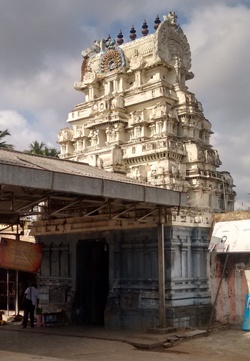
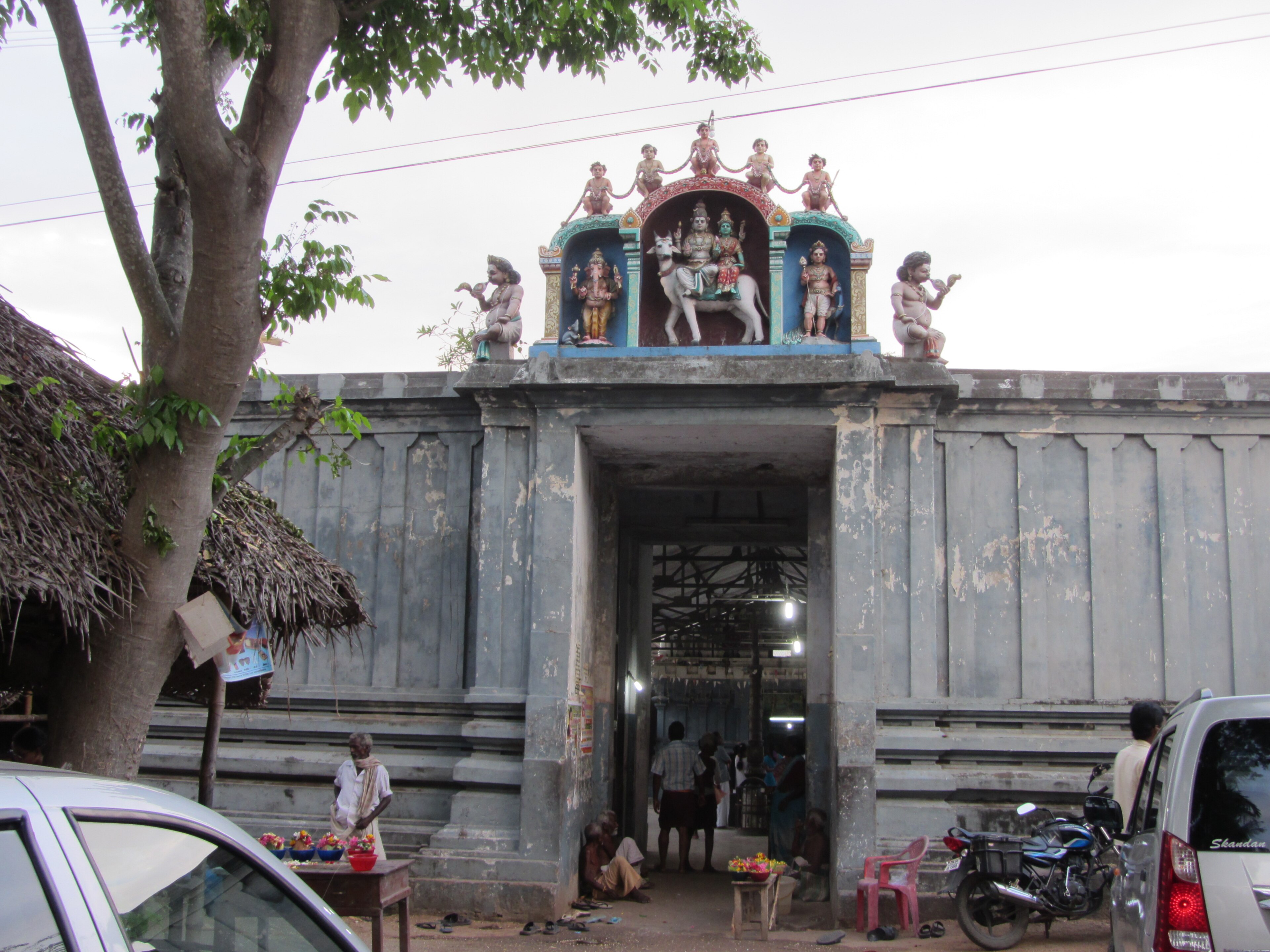
As a Shiva temple, Tirucherai Sivasthalam follows the daily ritual practices typical of Shaivite shrines. Devotees visit during the prescribed hours to receive darshan—the sacred viewing of the deity. The temple's sanctum and gopuram (tower) form the focal points of worship and architectural significance.
The morning hours, particularly the early period after opening, often provide a quieter atmosphere for personal devotion. The evening hours similarly offer opportunities for worship and participation in the temple's daily rhythms. Visitors should be prepared to remove footwear before entering the inner sanctum, as is customary in Hindu temples, and should dress modestly out of respect for the sacred space.
Practical Information for Visitors
Visitors should plan their visit according to the temple's operating hours, keeping in mind that the midday closure between 12:30 and 16:30 allows for the temple's internal rituals and maintenance. Photography policies may vary; it is respectful to inquire before taking photographs within the temple premises.
As the temple is located in a village setting, visitors should arrange their own transportation. The nearest major town is Kumbakonam, which has better connectivity and accommodation options. Basic facilities within the temple complex may be limited, so visitors should plan accordingly. It is advisable to carry water and wear comfortable footwear for the walk to and from the parking area. During the hot months, visiting during early morning or late evening hours will be more comfortable.
Reaching the Temple
The temple can be accessed by road from Kumbakonam, which lies 14 kilometers to the north. Kudavasal, located 4 kilometers to the south, is another reference point for navigation. Visitors traveling by personal vehicle can use the coordinates 10.9322°N, 79.5328°E with GPS navigation systems. Those relying on public transportation should inquire locally about bus services connecting Kumbakonam or Kudavasal to Tirucherai village, as schedules and routes may vary seasonally.
How to reach
You may also visit
Kalyanji Temple
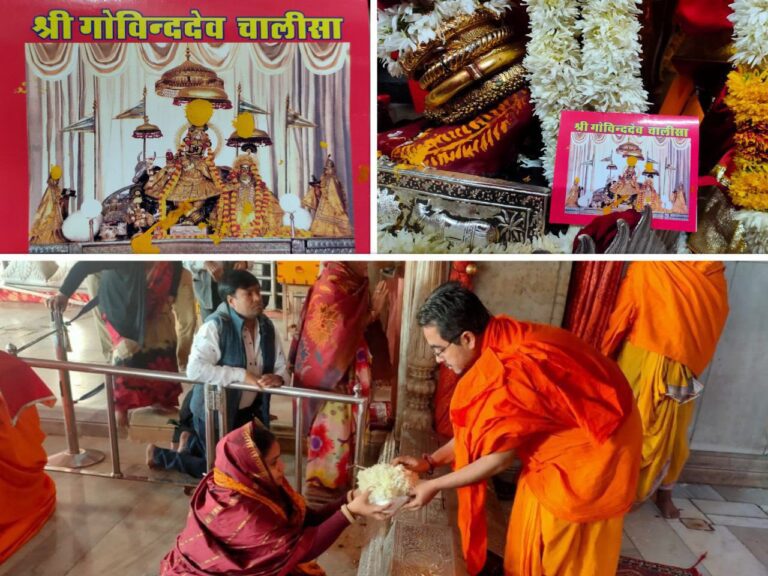
Kalyanji Temple in Jaipur's Chandpol Bazaar is approximately two centuries old and renowned for displaying the twenty-four avatars of Krishna, visible only twice yearly during Akha Teej and Patottsav festival.

Govindarajaswamy Temple
Sri Govindarajaswamy Temple in Tirupati is an ancient Vaishnavaite shrine consecrated in 1130 AD by Saint Ramanuja, where the presiding deity rests in eternal Yoga Nidra on the serpent Adisesha.
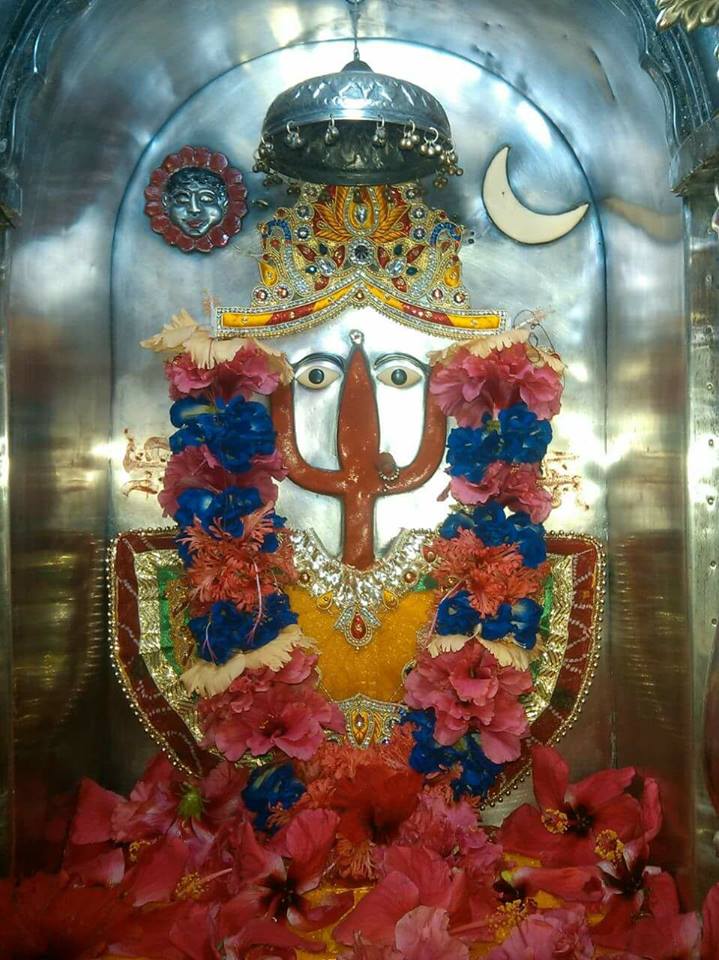
Rani Sati Mandir Mahuda
Rani Sati Mandir in Mahuda, Dhanbad District, is a Hindu temple established in 1992 that serves as a spiritual center for the local community and attracts devotees seeking blessings.