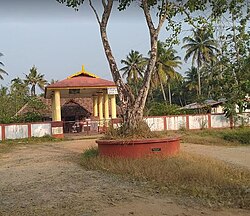
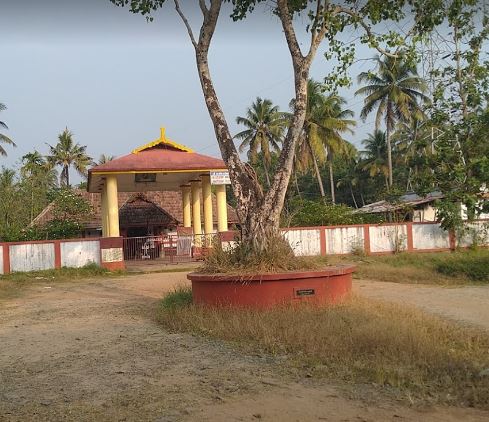
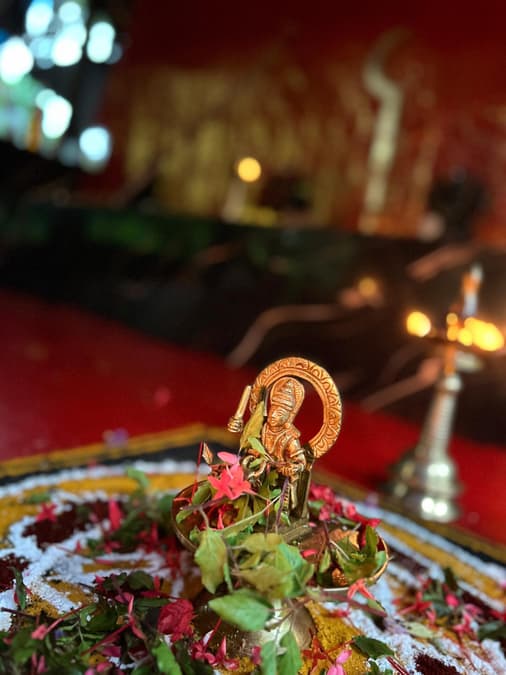
Thoniyakavu Bhadrakali Temple
About Thoniyakavu Bhadrakali Temple
Thoniyakavu is known as a venue for Mudiyettu, a traditional ritual theatre and folk performance unique to Kerala's Bhadrakali temples. This art form enacts the mythological narrative of a battle between the goddess Kali and the demon Darika, drawing on themes central to the Bhadrakali cult. Mudiyettu performances typically occur between February and May, following the harvest season, when the temple becomes a stage for this elaborate ritual drama combining dance, music, and mythological storytelling.
The performances transform the temple into a living center of cultural and spiritual expression, attracting devotees and observers who come to witness the goddess's victory over demonic forces. For visitors interested in Kerala's classical ritual arts, these performances offer an authentic encounter with a tradition maintained within its original sacred context.
Bharani Festival and Celebrations
The temple's most significant annual gathering centers on the Bharani festival, celebrated during the February to May season. The festival features a traditional Pooram procession with five elephants that moves through the afternoon and into the evening hours, creating a spectacle of devotional pageantry. Alongside the procession, the temple observes Villakezhunallath, a communal practice in which devotees collectively light traditional oil lamps—a visual and spiritual expression of collective worship.
The festival draws worshippers from surrounding villages and beyond. Sub-Poorams from nearby areas including Alapad, Kizhakkumuri, and Chazhur in Alappuzha district converge at the temple, transforming it into a regional center of celebration. The temple also observes Dussehra and Sharad Navaratri, festivals aligned with the goddess's triumph and the nine nights dedicated to the divine feminine. These gatherings reflect the deep social and spiritual bonds the temple maintains within its region.
Visiting the Temple: Etiquette and Practicalities
The temple is small and maintains a quiet, devotional atmosphere relatively undisturbed by heavy tourism. Visitors are expected to respect this sanctity through modest dress and respectful behavior. Women typically wear sarees or salwar kameez; men wear dhotis or simple trousers. Footwear must be removed before entering the sanctum, as is customary at Hindu temples. Silence and contemplative conduct in the inner shrine areas are essential to maintaining the temple's spiritual environment.
Specific opening hours and aarti timings may vary, particularly on festival days, and should be confirmed locally before traveling. The temple's rural setting and smaller scale mean that advance planning enhances the visit considerably.
Location and Access
Thoniyakavu Temple is situated in Puthenpeedika village within North Paravur, Thrissur district. The full address is Thoniyakavu Temple, Nanthiyattukunnam, North Paravur, Puthenpeedika, Thrissur, Kerala 683513. The GPS coordinates are 10.4400487°N, 76.1262588°E. The temple is accessible by road from Kochi and other major centers in Kerala, with local buses and private vehicles serving the area. Visitors from Kochi or Thrissur city should allow travel time to reach this village location. The best time to visit is February to May, when Mudiyettu performances and the Bharani festival create the most active ritual calendar.
How to reach
You may also visit
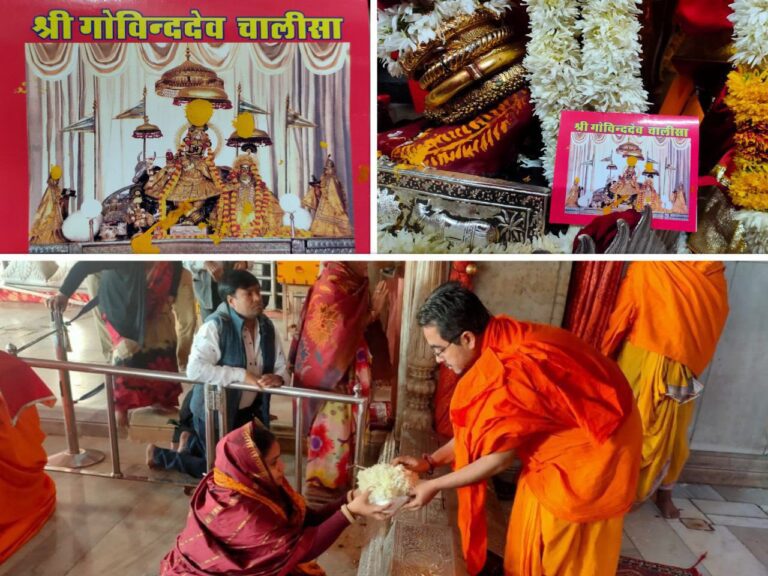
Kalyanji Temple
Kalyanji Temple in Jaipur's Chandpol Bazaar is approximately two centuries old and renowned for displaying the twenty-four avatars of Krishna, visible only twice yearly during Akha Teej and Patottsav festival.
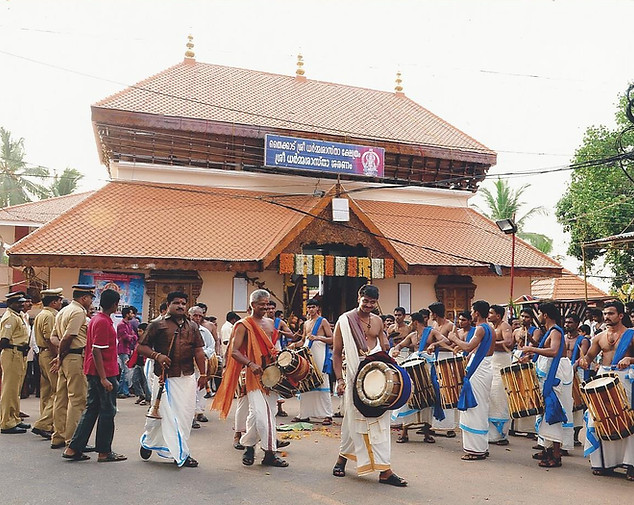
Sastha (Ayyappan) Temple
Sree Dharma Sastha Temple in Thycaud, Thiruvananthapuram, is a centuries-old shrine where the deity manifests as Dhanwanthari, the divine healer, holding the sacred blue lotus.
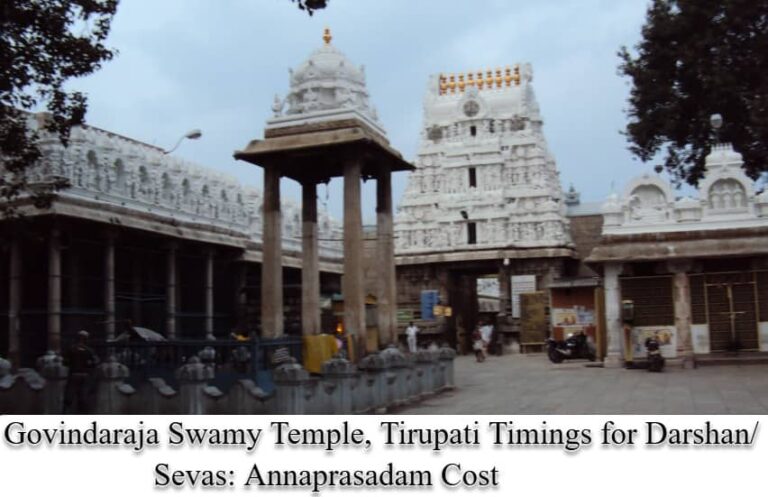
Govindarajaswamy Temple
Sri Govindarajaswamy Temple in Tirupati is an ancient Vaishnavaite shrine consecrated in 1130 AD by Saint Ramanuja, where the presiding deity rests in eternal Yoga Nidra on the serpent Adisesha.