


Thiruvanchikulam Mahadeva Temple
About Thiruvanchikulam Mahadeva Temple
The temple was established during the Chera period, placing it among Kerala's oldest religious structures. Historical records connect Thiruvanchikulam to the ancient city of Vanji, mentioned in the classical Tamil Sangam literature. Twenty-seven Sangam poets composed verses about the Cheras, and historical scholarship has located the legendary capital Vanji at this very location. The temple thus stands as a living link to Kerala's earliest documented epoch, when the Chera kings are believed to have visited both this shrine and the nearby Cheran Palace. Local tradition holds that Cheraman Perumal, the legendary founding king of Kerala, departed from this temple premises for Kailasa, accompanied by the Shaiva saint Sundaramoorthi Nayanar—a narrative that weaves together royal, spiritual, and mythological dimensions of the site.
Architecture and Built Form
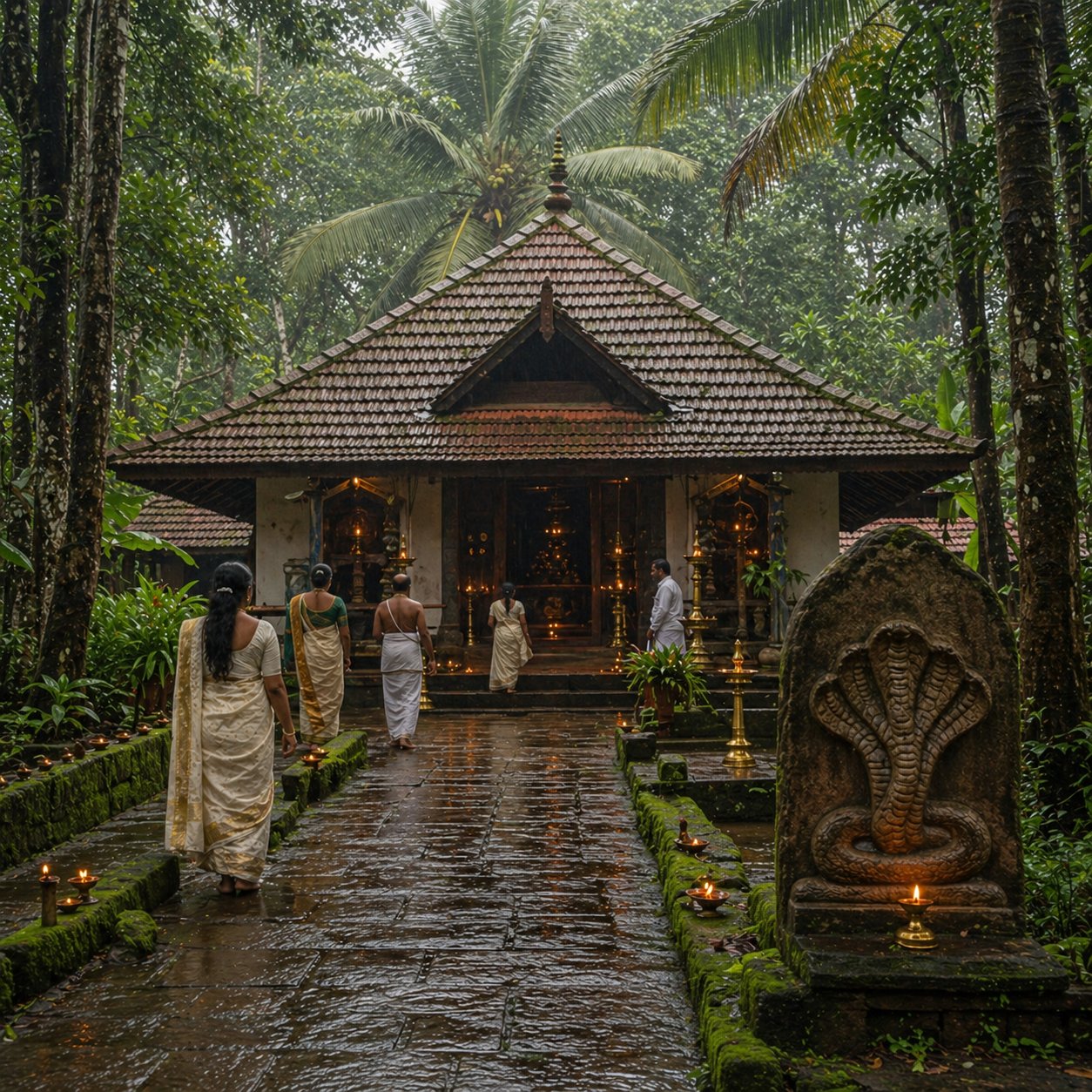
The temple follows Kerala's distinctive architectural tradition, with its design reflecting the region's classical temple-building practices. The structure includes a sanctum and gopuram (tower), constructed according to principles that have governed Kerala Shaiva temples for centuries. The presence of multiple subsidiary shrines housing the 33 sub-deities required careful spatial planning within the temple complex. While the sources do not detail specific architectural features or recent restoration work, the temple's survival from the Chera period to the present day testifies to both its original construction quality and ongoing maintenance by successive generations of custodians.
Daily Worship and Darshan
The temple opens for darshan at 05:30 in the morning, closing at noon. Evening hours run from 17:00 to 20:00. The Sandhya Aarti, the evening ritual honoring Mahadeva, takes place at 19:00. These timings follow the pattern common to Shaiva temples across Kerala, where dawn and dusk are considered especially auspicious for worship. Visitors should arrive during posted hours and allow unhurried time for darshan. Morning hours typically see fewer crowds than evening periods. Timings may vary on festival days, and confirmation directly with the temple before travel is advisable.
Festivals and Special Observances
The temple celebrates festivals throughout the year, including Holi, Guru Purnima, and Raksha Bandhan, occasions that draw larger numbers of devotees and feature enhanced decoration of the shrine. Historical records document special pujas and homams conducted at the temple, including Palliyara Pooja, Mahaganapathy Homam, Kudam Jala Abhishekam, and Swayam Parvathy Pooja, though specific annual dates should be confirmed with the temple directly. The temple also observes major Hindu festivals such as Janmashtami, Sharad Navaratri, and Diwali.
Visiting: Dress, Etiquette, and Practical Information
Modest dress is customary when entering Hindu temples. Women typically wear salwar kameez, sarees, or equivalent modest clothing; men wear dhotis or simple trousers and shirts. Shoes are removed before entering the sanctum. The temple maintains traditional protocols for worship; visitors unfamiliar with these practices are encouraged to observe and follow the example of other devotees. The optimal season for visiting extends from October through March, when Kerala's climate is most favorable for travel.
Location and Access
Thiruvanchikulam Mahadeva Temple is located in Thiruvanchikulam, Kodungalloor, Thrissur district, Kerala, at coordinates 10.21031804, 76.20644281. Kodungalloor itself holds historical significance as one of South Asia's earliest port cities and a former Chera capital, adding layers of historical interest to the surrounding area. A visit to the temple can be combined with exploration of this ancient port city's other historical sites.
How to reach
Temples near Thiruvanchikulam Mahadeva Temple
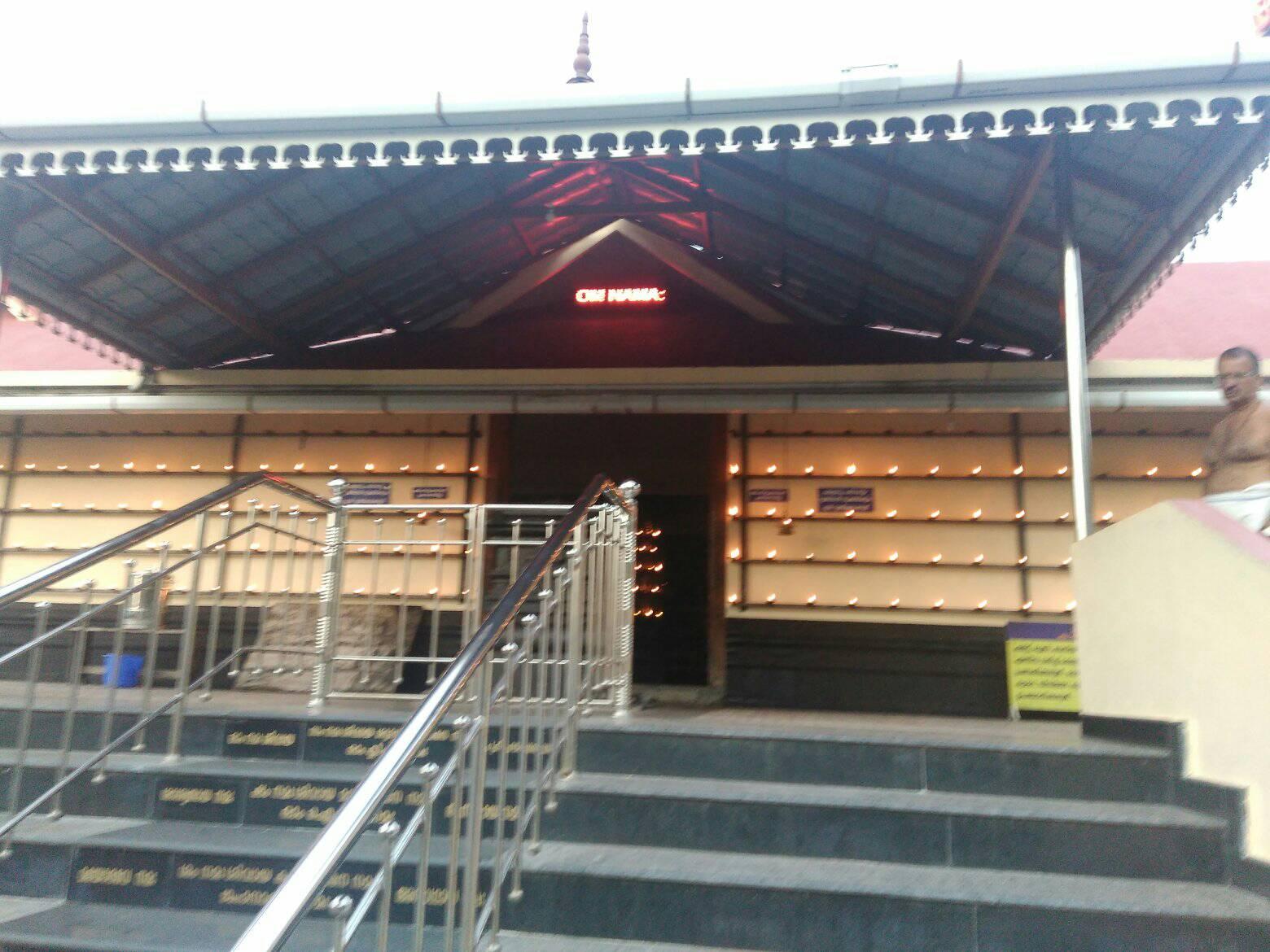
Kilatali Siva Temple, Tiruvancikulam Kodungallur
Kilatali Siva Temple in Thiruvanchikulam, Kodungallur is an ancient shrine dedicated to Lord Shiva, representing one of Kerala's eighteen historic Tali temples with origins in t…
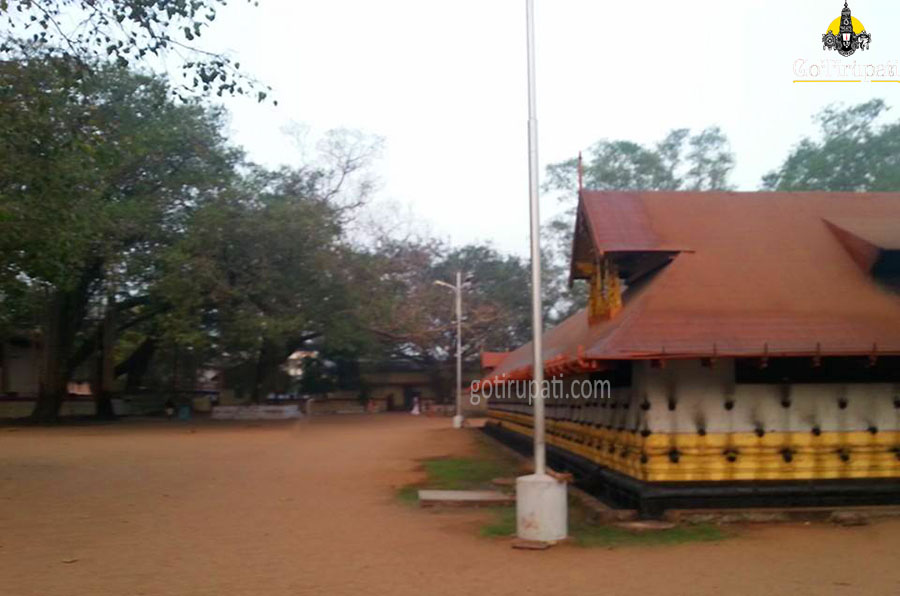
Kodungallur Bhagavathy Temple
Kodungallur Sree Kurumba Bhagavathy Temple is an ancient Hindu shrine dedicated to Bhadrakali, a fierce form of the goddess Mahakali, and serves as the head temple of 64 Bhadrak…
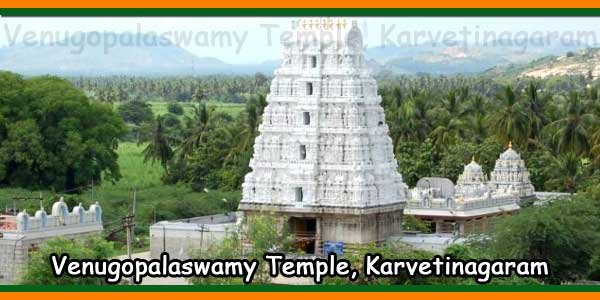
Sree Venugopalaswami Devasthanam
Sri Venugopala Swamy Temple in Karvetinagaram, Chittoor District, Andhra Pradesh is a Vaishnava shrine dedicated to Lord Krishna in his Venugopala form. The temple operates dail…

Dakshina Mookambika Temple, North Paravur
Dakshina Mookambika Temple in North Paravur, Ernakulam, Kerala is a significant Hindu shrine where the presiding deity is Bala Parameswari, installed within a sanctum sanctorum…
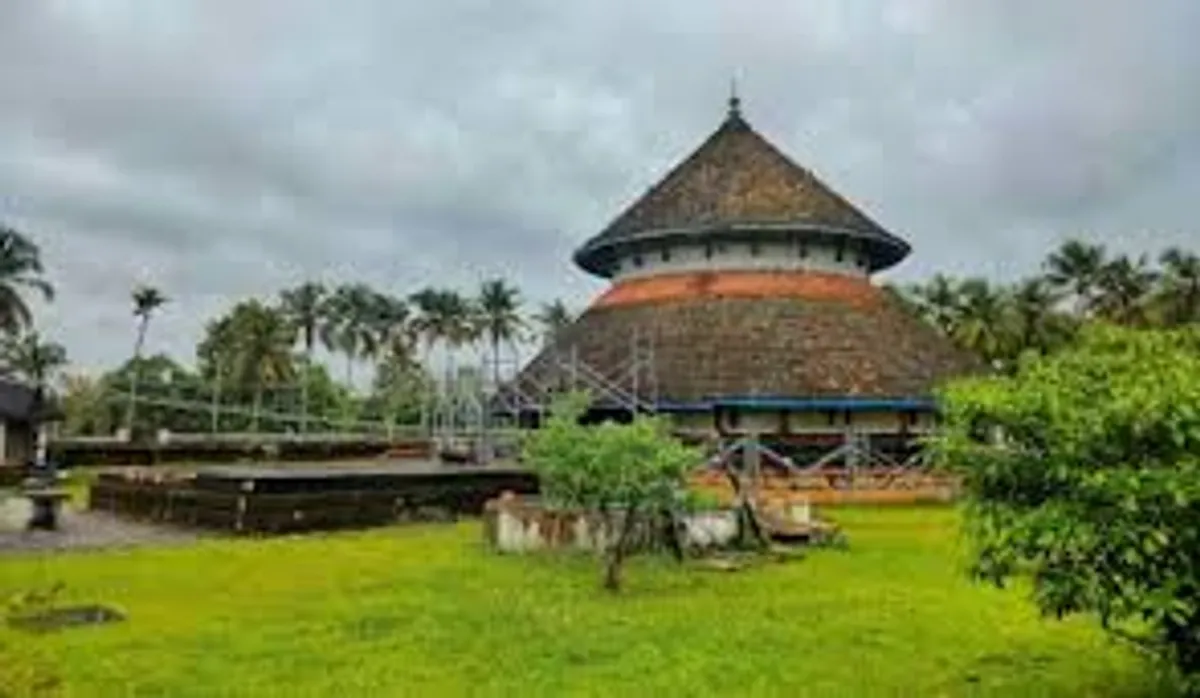
Iranikulam Mahadeva Temple
Iranikulam Sree Mahadeva Temple is an ancient shrine in Thrissur district, Kerala, traditionally attributed to sage Parasurama and believed to be one of the 108 Shiva temples of…
Pambummekkatu Mana
Pambummekkatu Mana is an ancient serpent temple in Vadama, Kerala, where Nagaraja and Nagayakshi are worshipped without physical idols—instead, daily rituals are performed befor…