Thanjavur Nisumbasuthani Temple
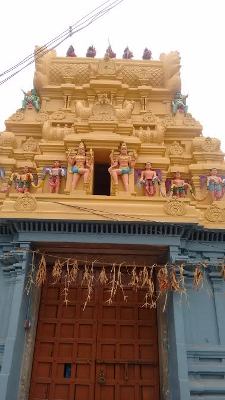
About Thanjavur Nisumbasuthani Temple
The temple follows a structured daily schedule of worship divided into morning and evening periods. Morning worship runs from 6:00 AM to 12:30 PM, followed by a midday closure until 4:00 PM—standard practice in South Indian temples during the hottest hours. Evening worship resumes from 4:00 PM to 8:30 PM. Throughout the day, four significant rituals mark the rhythm of worship: Palabhishekam (ritual bathing of the deity) at 8:30 AM, Vucha Kalai Pooja (morning worship) at 12:00 PM, Sai Rakchay Pooja (protective ritual) at 6:00 PM, and Arthajamam Naivedyam (food offering) at 8:30 PM.
Devotees seeking darshan—the viewing of the deity—are advised to visit during morning hours, when the temples are less crowded and the atmosphere is considered particularly auspicious for worship. The evening period also draws worshippers, particularly those unable to visit earlier in the day. Specific pooja timings may vary across individual temples within the complex, so visitors with particular ritual preferences should confirm details upon arrival.
Visiting Practicalities and Etiquette
The temple complex is located at Mela Veethi, Thanjavur, Tamil Nadu 613009, easily accessible from central Thanjavur. Visitors should plan their visit according to posted timings, keeping in mind the midday closure between 12:30 PM and 4:00 PM.
Modest dress is expected when entering temple premises. Women typically wear salwar kameez, sarees, or equivalent modest clothing, while men wear dhotis or simple trousers and shirts. Leather items and shoes must be removed before entering sanctum areas. Photography policies vary across different shrines within the complex; visitors should observe notices or ask temple staff before photographing. Many temples request that visitors refrain from touching deities or ritual objects. Menstruating women are traditionally not permitted in the inner sanctums of some temples, though this practice varies; visitors uncertain about specific customs should ask respectfully.
Facilities within the complex may be limited, so visitors should carry water and avoid visiting during peak afternoon heat. Allow several hours to explore the complex meaningfully, as the 88 temples cannot be visited thoroughly in a single trip. First-time visitors may wish to focus on the most significant shrines or seek guidance from temple staff regarding which temples best suit their interests.
The Palace Devasthanam Complex
The Nisumbasuthani Temple is one of 88 temples functioning under the Palace Devasthanam administration, a unique governance structure that distinguishes Thanjavur's temple network. Rather than operating as independent institutions, these temples are managed collectively, a system that historically ensured consistent maintenance and ritual performance. This model reflects centuries of royal involvement in temple patronage, a practice deeply embedded in South Indian Hindu tradition.
The complex serves both pilgrims seeking spiritual experience and those interested in architectural and historical study. The unified administration has preserved these shrines as living religious centers while maintaining their status as repositories of Tamil heritage.
Getting There
The temple is located at Mela Veethi in central Thanjavur, Tamil Nadu 613009. Public transportation options include bus services; the Thiruvayar Bus Stand is approximately 19 minutes away by public transport. Visitors traveling to Thanjavur can access the temple from the town center with relative ease.
How to reach
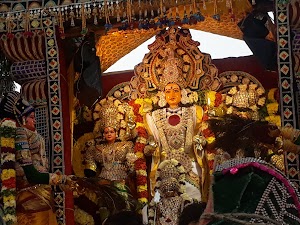
Temples near Thanjavur Nisumbasuthani Temple
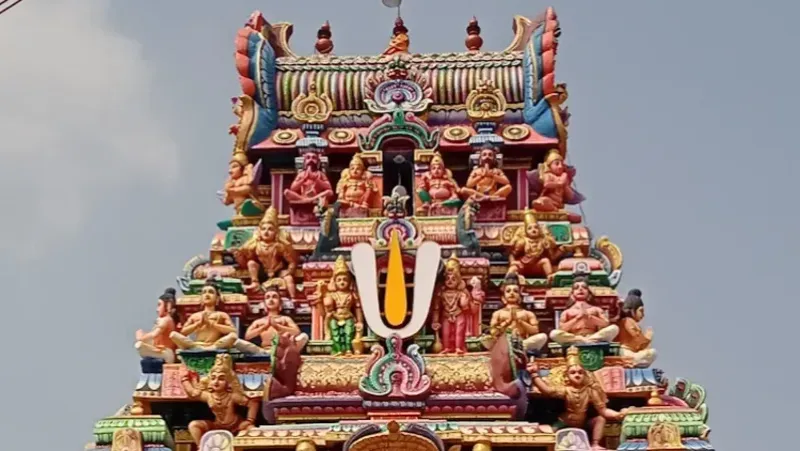
Thanjai Mamani Koil
Thanjai Mamani Koil is a complex of three sacred Vishnu temples in Thanjavur, Tamil Nadu, revered as one of the 108 Divya Desams and celebrated in the hymns of the Alvar saints.
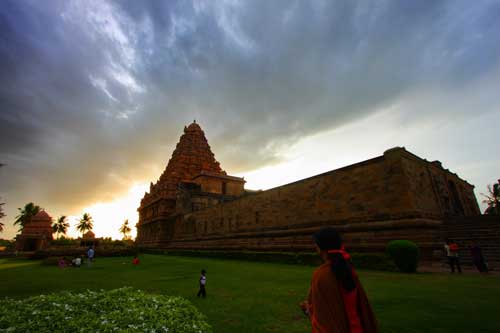
Thanjavur Gurukula Sanjeevi Anjaneyar Temple
Arulmigu Gurukula Sanjeevi Anjaneyar Temple in Thanjavur is a 19th-century shrine dedicated to Lord Hanuman, reflecting Dravidian architectural principles and serving as a signi…

Sri Rajagopalaswamy Temple
Sri Rajagopalaswamy Temple in Mannargudi is a major Vaishnavite shrine where Lord Krishna (Rajagopalaswamy) is worshipped alongside his consorts. Spanning 23 acres with 16 manda…
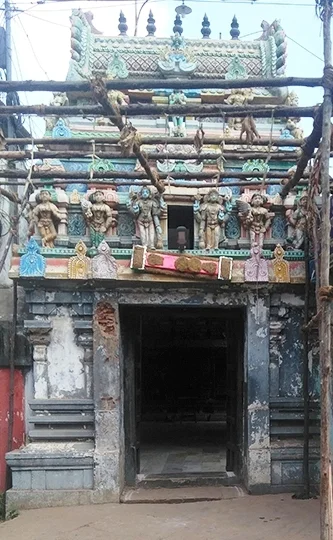
Thanjavur Vettai Maarka Sanjeevi Anjaneyar Temple
Sri Vettai Marka Sanjeevi Anjaneyar Temple in Thanjavur is a historic 17th-century shrine dedicated to Lord Hanuman, notable for its unique depiction of the deity in a worshipfu…
Adisvaraswamy Jain Temple, Thanjavur
Adisvaraswamy Jain Temple in Thanjavur is a 15th-century Jain shrine dedicated to Rishabhanatha, located in Karanthattankudi. The temple represents medieval Jain architectural t…
Venkatesa Perumal Kovil
Sri Venkatesa Perumal Kovil in Varagur, Thanjavur, is an ancient temple dedicated to Sri Lakshmi Narayana (Venkatesa Perumal) with his consort Bhoomi Devi, dating over 500 years…