Suraj Kund Sunam
About Suraj Kund Sunam
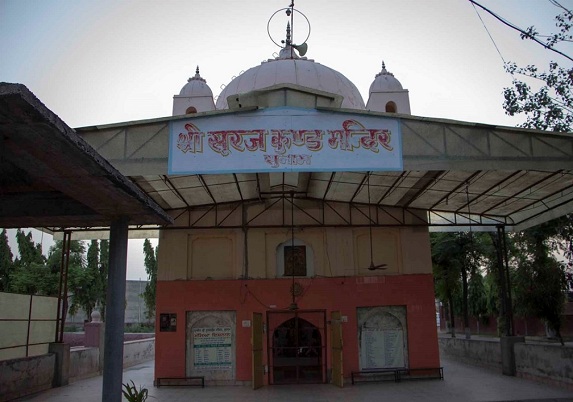
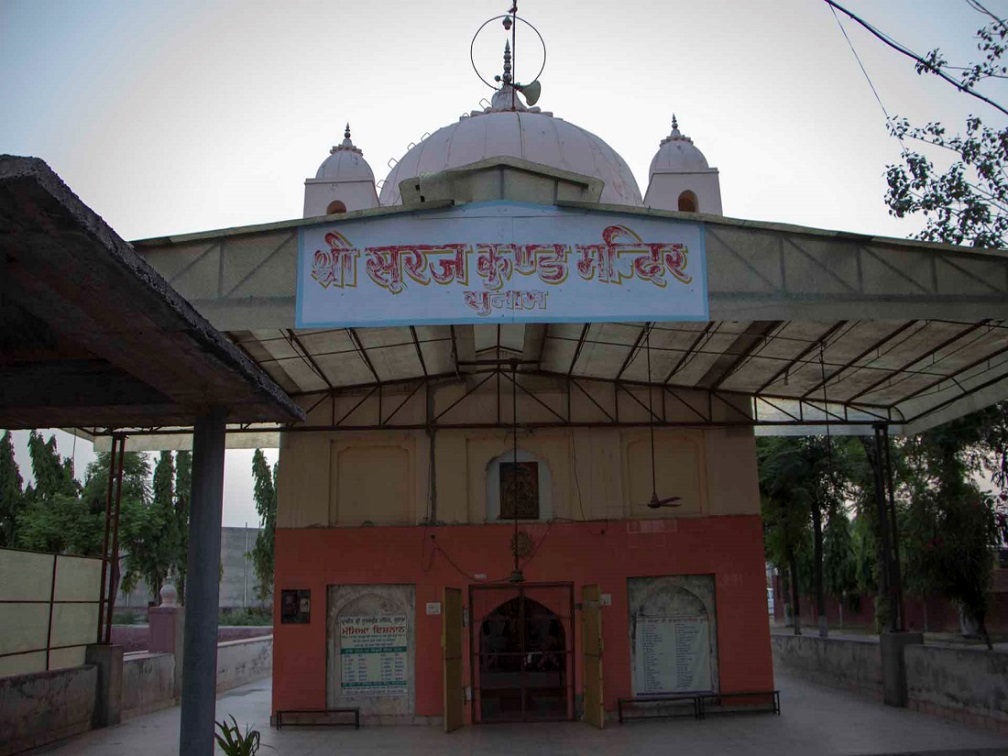
The documented history of Sunam extends back over a thousand years. The town was mentioned by the scholar Al-Biruni in his work Kitab-ul-Hind around 1050 AD as a place of note. The Suraj Kund temple itself suffered destruction at some point in the medieval period, with sources attributing this to either Timur or Mohammad Ghaznavi, though the exact circumstances remain unclear. The broader region experienced significant upheaval following the Muhammadan invasions, during which Sunam transitioned from Hindu to Muslim rule. The town later became a centre of political importance under various sultanates and eventually came under Mughal administration. Baba Ala Singh, founder of the Patiala State, later reclaimed the town from Muslim rulers. Archaeological excavation at the site has revealed statues, large bricks, and bones at depths of 40 to 50 feet, indicating continuous habitation and construction across many centuries.
The Sacred Tank and Its Purpose
The Suraj Kund itself—the water tank from which the temple takes its name—serves as the focal point of the site. The tank is surrounded by verandahs on all sides, creating a structured space for ritual activity. Historically, the kund held particular significance for those unable to perform full cremation rites elsewhere; ashes of the deceased were immersed in the water that flows from the tank. This practice reflects a common Hindu tradition of returning mortal remains to sacred waters. The presence of flowing water at the site suggests that the Saraswati River once ran nearby, though this watercourse no longer flows through the region. The tank remains an integral part of the temple's spiritual geography, even as the broader structure has fallen into disrepair.
Visiting the Temple
The temple is open daily from 7:00 AM to 8:00 PM. Photography is not permitted within the temple grounds. Visitors should be aware that the site is in a dilapidated condition and may require careful navigation. The temple is situated on the Ludhiana-Hisar railway line, making it accessible by rail. The town of Sunam itself serves as the nearest reference point for directions and local services. The climate of Punjab permits visits throughout the year, though visitors may find the cooler months more comfortable for exploration. As with most Hindu temples, modest dress is appropriate—covering shoulders and knees is customary. Visitors should approach the sacred tank and any remaining shrine structures with respect, and follow any guidance offered by temple attendants or local worshippers.
The Linguistic and Etymological Background
The name "Sunam" carries multiple possible origins, reflecting the town's complex history. In Sanskrit, Sunam means an auspicious name. Local tradition attributes the name to Sona, a Gujari woman who guided Muhammad of Ghor in his conquest of the Bathinda fort and requested Sunam as her reward. An alternative etymology connects the name to an Arabic word meaning the hump of a camel, supposedly applied by Qutb-un-Din Aibak based on the town's topography—though this explanation is considered unreliable, as the town's present shape is believed to have developed only after Timur's invasion in 1398. These competing narratives illustrate how place names in Punjab often encode layers of cultural encounter and political transition.
Practical Information for Visitors
The nearest town is Sunam itself, where basic facilities and accommodation can be found. The temple operates within standard Hindu devotional hours. Visitors should note that the site's current condition means facilities may be limited; those planning extended visits should arrange supplies accordingly. The languages spoken locally are Punjabi, Hindi, and English, which should facilitate basic communication. Those interested in the archaeological or historical dimensions of the site may wish to inquire locally about any ongoing preservation efforts or scholarly work. The temple's position within Punjab's broader religious and historical landscape makes it of interest to those studying Vedic-period sites and the region's pre-Islamic heritage.
How to reach
You may also visit
Sureshwari Devi Temple
Sureshwari Devi Temple in Haridwar is a forest shrine dedicated to the goddess, situated within the Ranipur Range area near Rajaji National Park, offering a secluded spiritual e…
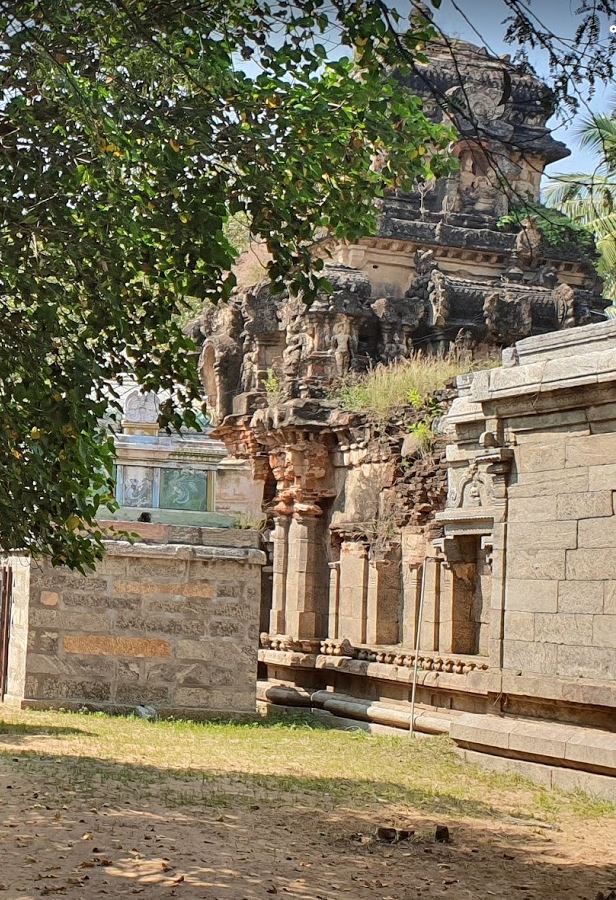
Agatheeswarar Temple, Karur
Agatheeswarar Temple in Thirumukkudalur, Karur district, is an ancient Hindu shrine dedicated to Shiva, situated at the sacred confluence of three rivers and believed to be over…

Shani Shingnapur
Shani Shingnapur is a renowned temple in Maharashtra dedicated to Lord Shani, featuring a self-emerged black stone idol worshipped under open sky. The temple is located in a uni…

Kamaksha
Arulmigu Kamakshi Amman Temple in Mangadu, near Chennai, is dedicated to the goddess Kamakshi, an aspect of Adi Parashakti. According to legend, the goddess performed austeritie…
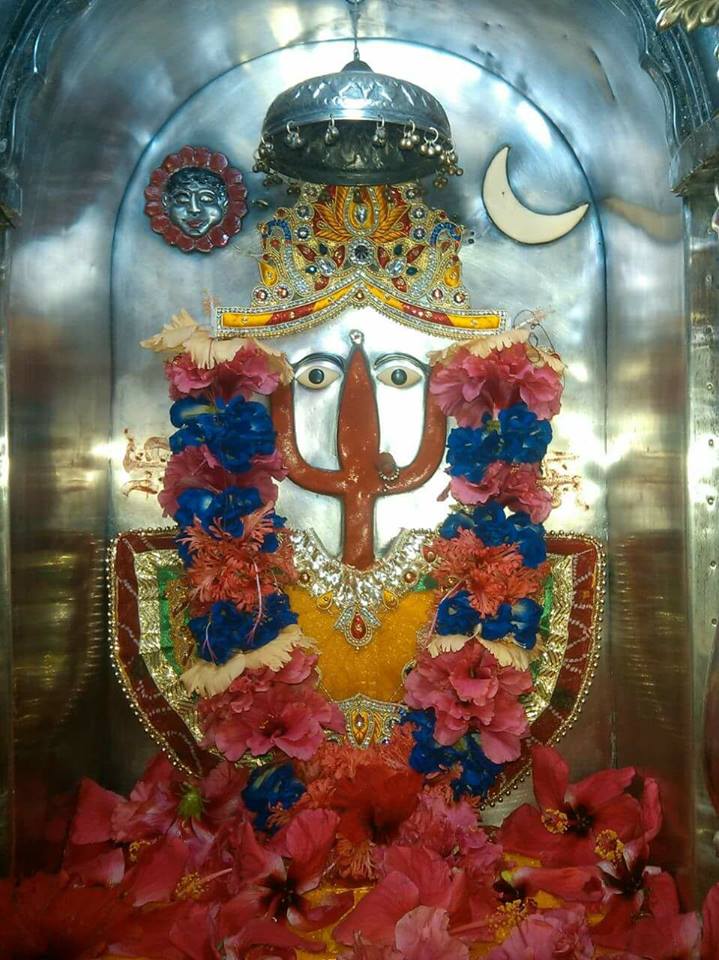
Guhaditya temple
Guhaditya temple in Dwarka is an ancient shrine dedicated to the sun deity, established over 150 years ago. Pilgrims enter through the Swarg Dwar (Gateway to Heaven) and exit vi…
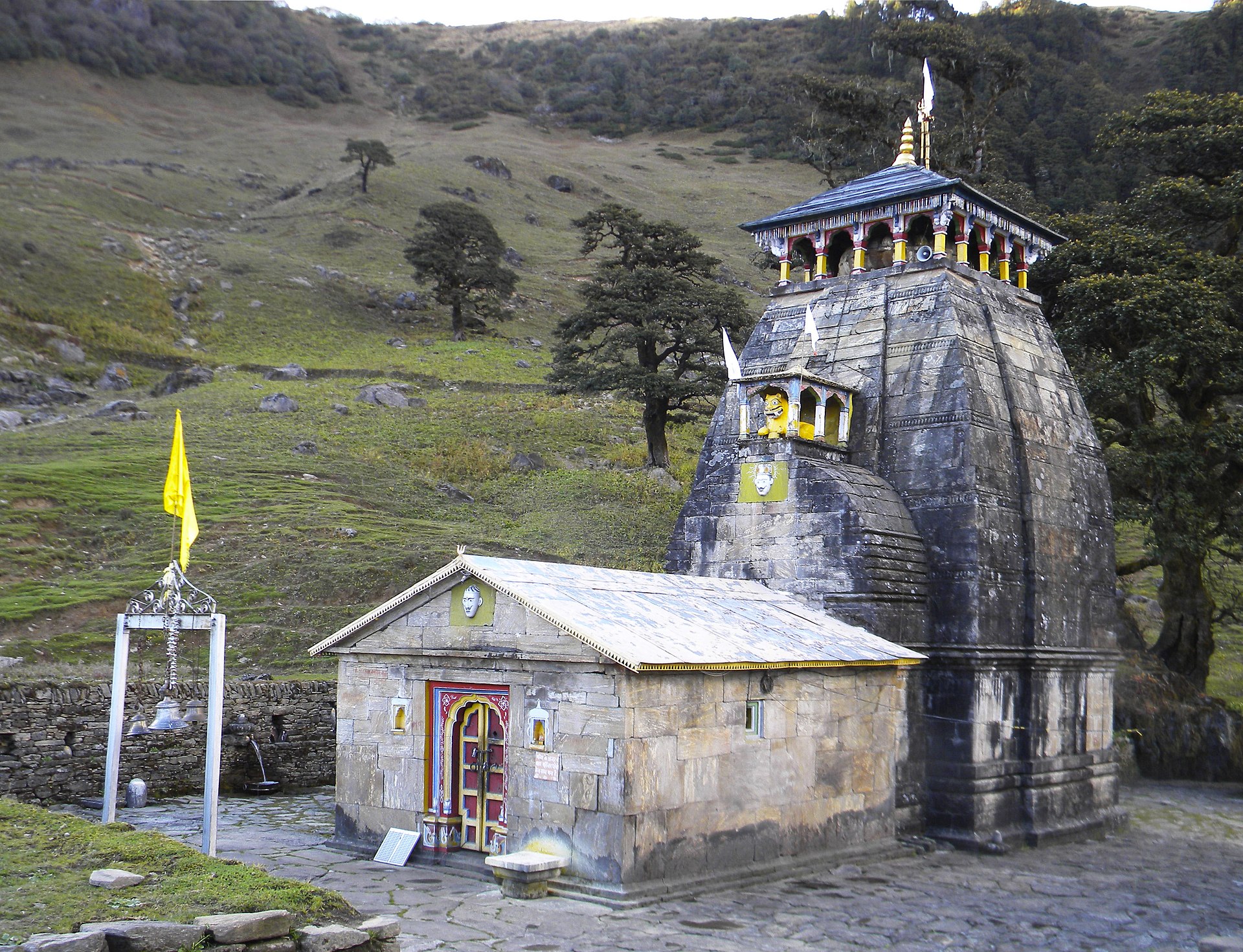
Madhyamaheshwar Temple
Madhyamaheshwar Temple is one of the five sacred Shiva shrines in the Panch Kedar pilgrimage circuit, located in the Garhwal Himalayas of Uttarakhand. Each temple in the circuit…