Sudama Mandir Porbandar
About Sudama Mandir Porbandar
The Sudama Mandir was constructed between 1902 and 1907, a period during which the project faced financial constraints. Rather than abandoning the vision, the temple's builders gathered funds through community donations and organized theatrical performances to raise money for construction. Wealthy traders of Porbandar contributed substantially to see the temple completed. This collaborative effort shaped the temple's character as a community endeavour rooted in shared devotion.
The construction process, though extended by limited resources, resulted in a well-built structure that has endured as one of Porbandar's historically significant sites. The temple's establishment during this period reflects the religious priorities of Gujarat's merchant communities and their commitment to honouring Sudama's legacy.
Architecture and Design
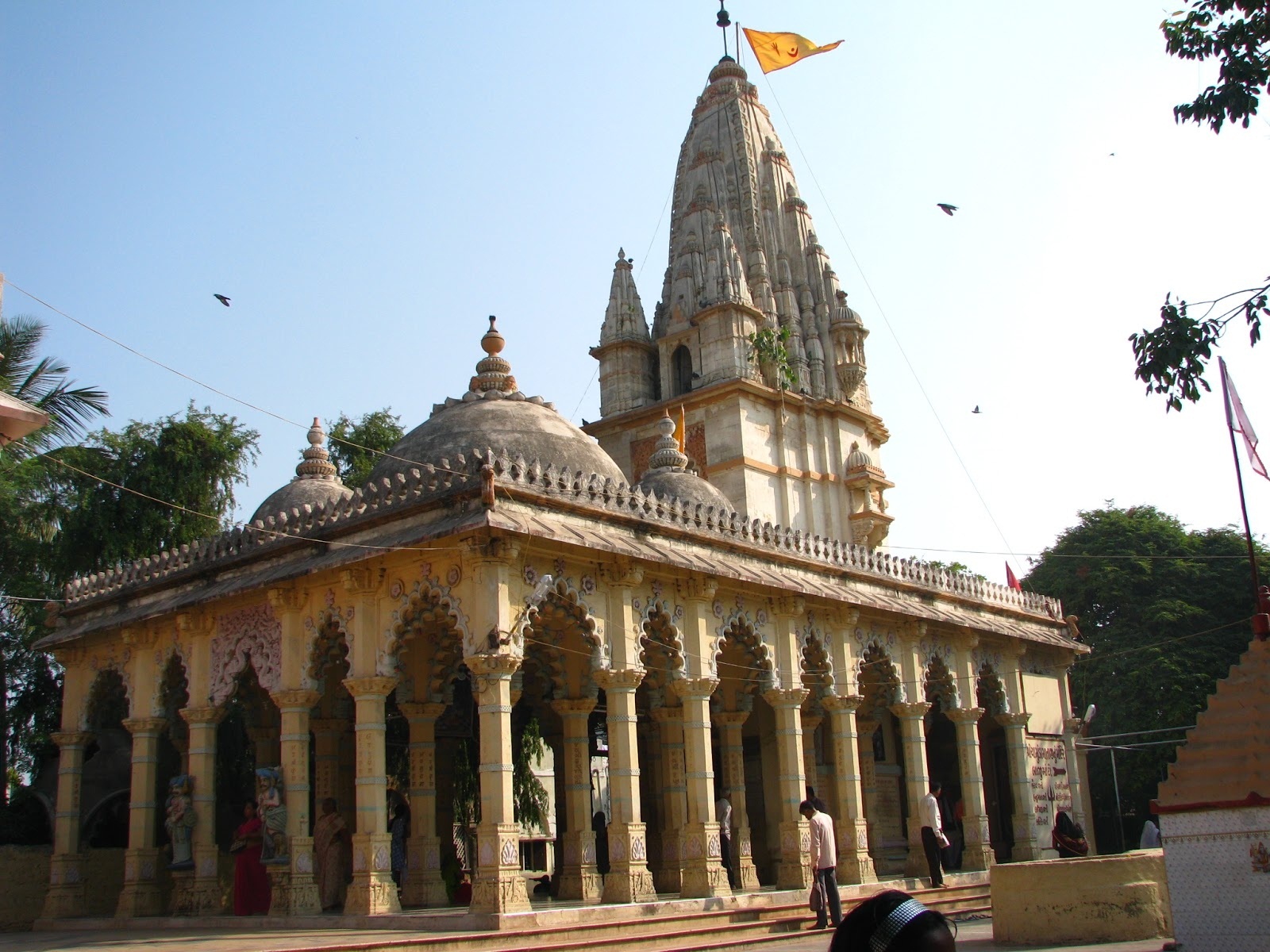
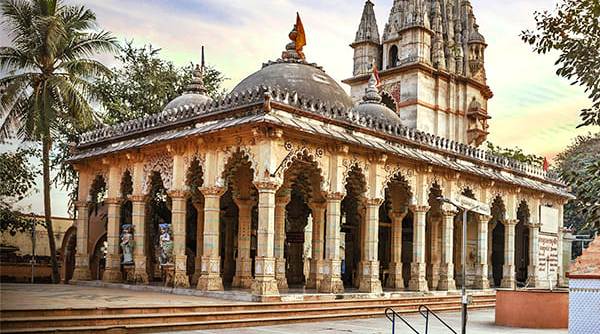
The temple is constructed from white marble, its surfaces adorned with carved pillars that decorate both the interior and exterior. The structure remains open on all sides, allowing free movement for worshippers and unobstructed access to the shrine. This openness facilitates darshan—the viewing of the sacred space—and creates an accessible environment for all visitors.
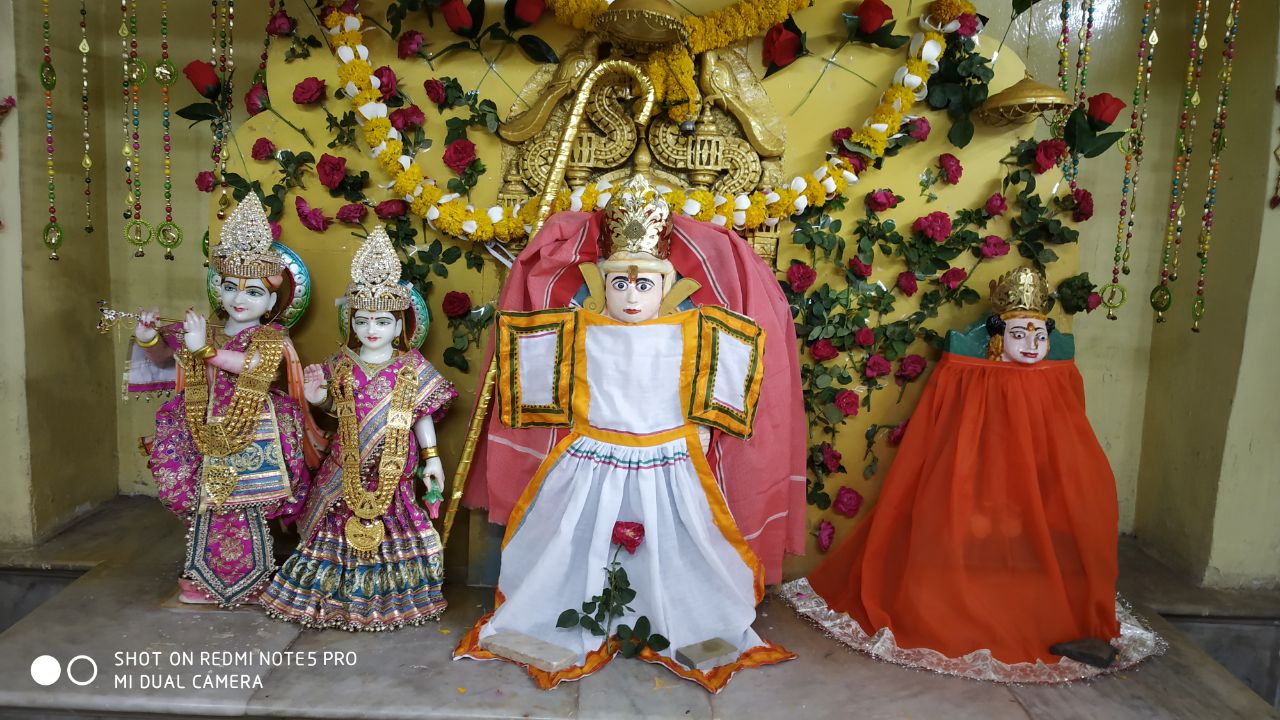
A shikhara (tower) crowns the building, decorated with carved architectural details that extend across the pillars and arches. The shrine dedicated to Sudama itself maintains a simple structure, prioritizing spiritual purpose over elaborate ornamentation. This balance between aesthetic consideration and functional design creates a space that is visually dignified without unnecessary grandeur, reflecting the humble devotion central to Sudama's story.
Daily Darshan and Worship
The temple observes two daily darshan periods: morning darshan from 06:00 to 12:00 and evening darshan from 16:00 to 20:00. These timings align with traditional Hindu practice of offering prayers during auspicious hours. Visitors planning their trip should arrive during these posted hours to participate in the temple's rhythm of worship.
Weekdays typically attract moderate crowds, offering a quieter atmosphere for contemplative visits. Weekends and religious occasions draw larger numbers of devotees and visitors. Those seeking a more peaceful experience may prefer weekday visits. The temple's twice-daily cycle of worship maintains the continuity of ritual practice that has characterized the site since its establishment over a century ago.
Festivals and Significant Occasions
The temple observes particular significance during Makar Sankranti and Sharad Navaratri, periods when larger crowds of devotees visit to mark these important religious occasions. These festival times draw increased numbers of worshippers, making the temple a focal point for community celebration and spiritual observance.
Visiting Information
Modest dress is customary when entering Hindu temples and should be observed at Sudama Mandir. Visitors are encouraged to time their visits during darshan hours and, where possible, during aarti (ritual worship with lights) for the most spiritually engaged experience. The temple's location at the centre of Porbandar makes it accessible to visitors exploring the city's religious sites.
Contact information for the temple is available through its official channels for those wishing to inquire about specific practices, ceremonies, or visiting arrangements. Priests have served at the temple continuously across multiple generations, maintaining the spiritual traditions established at the site's founding.
How to reach
Temples near Sudama Mandir Porbandar
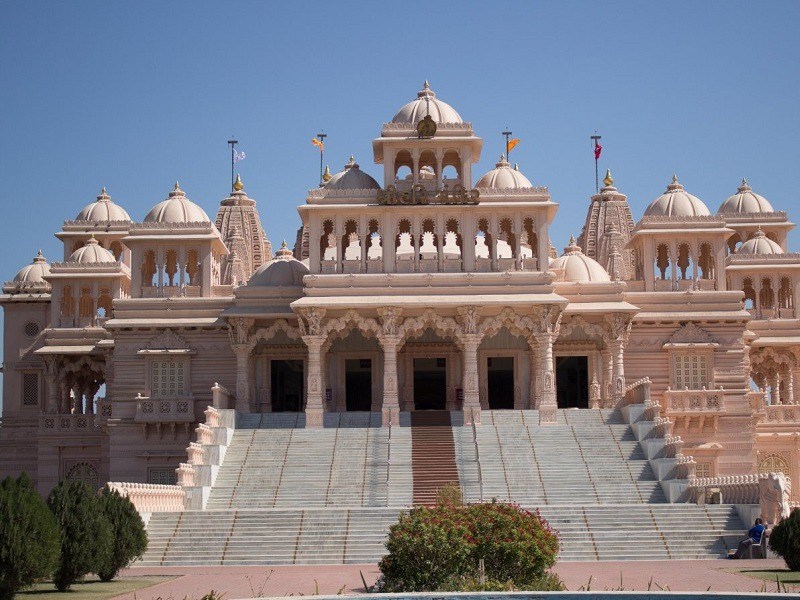
Shri Hari Mandir, Sandipani Vidyaniketan, Porbandar (Gujarat)
Shri Hari Mandir, also known as Sandipani Vidyaniketan, is a prominent Vedic educational institution and temple in Porbandar that houses multiple Hindu deities and serves as a g…
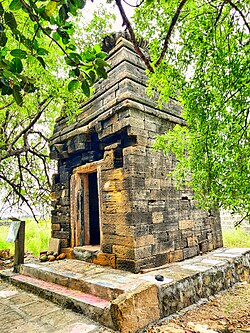
Surya and Saptamatrika Temples, Boricha
An 8th-century stone temple complex near Porbandar, Gujarat, dedicated to Surya with an adjoining Saptamatrika shrine. The Surya temple features a distinctive amalaka-topped pha…
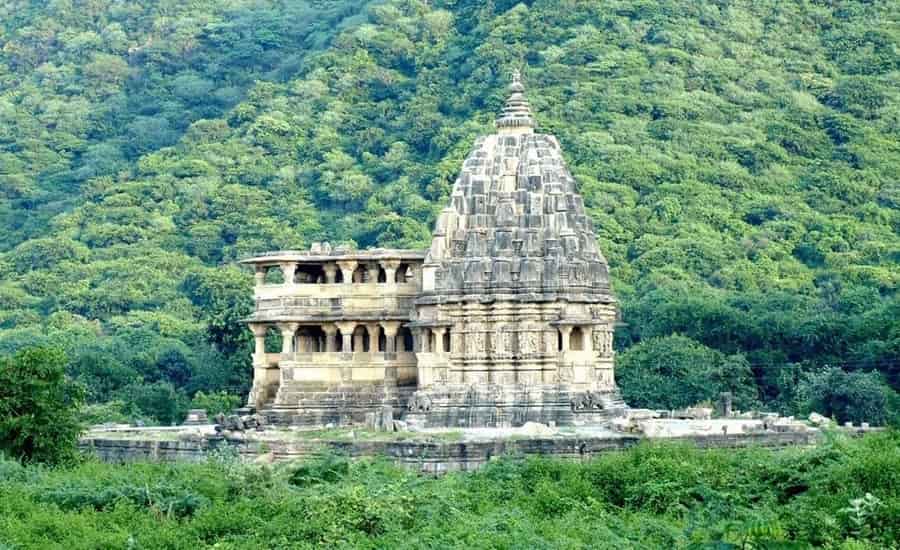
Navlakha temple
Navlakha Temple in Ghumli, Gujarat is a 12th-century Sun temple built by the Jethwa dynasty, showcasing remarkable Solanki architectural style with intricate carvings and detail…
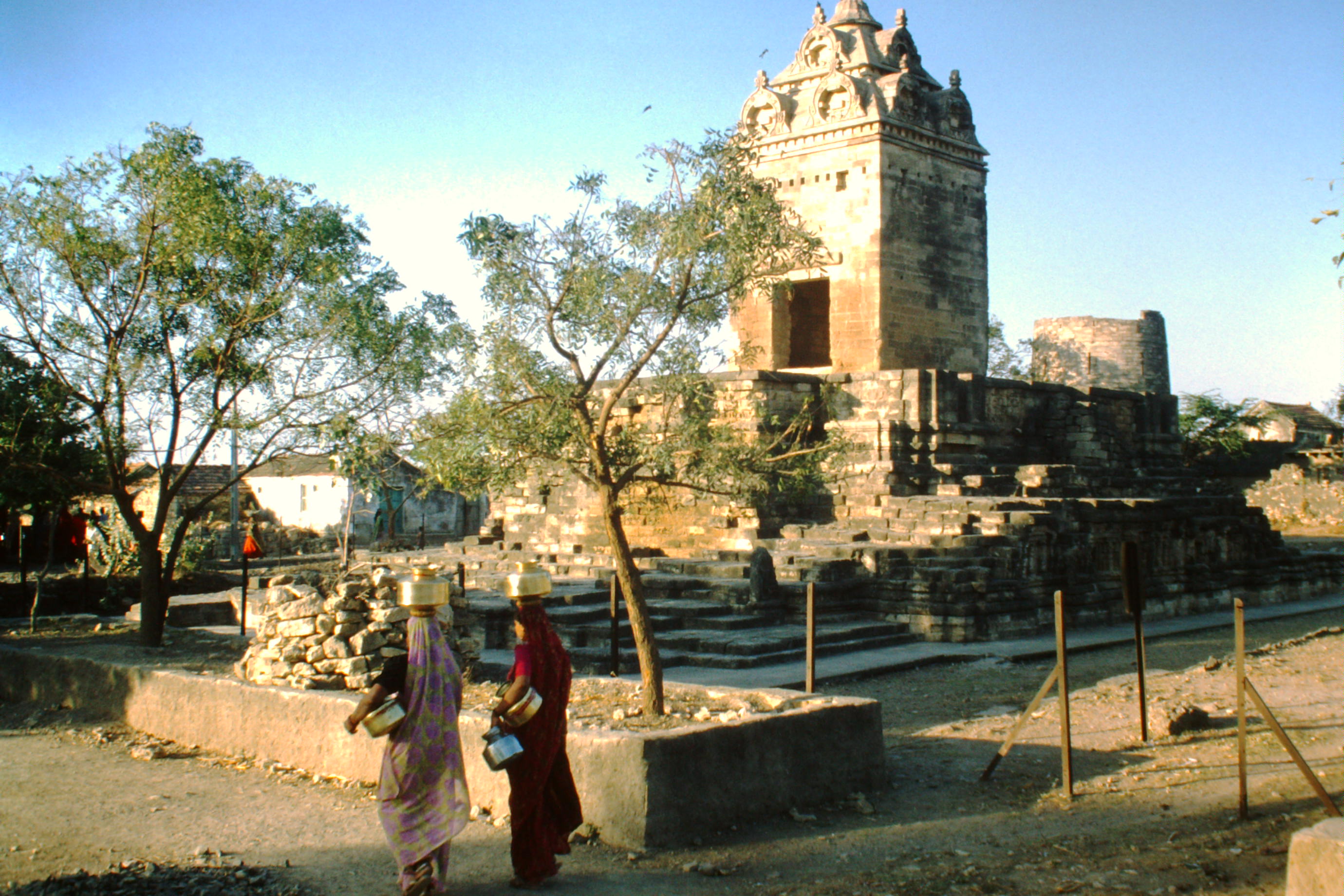
Gop Temple
The Gop Temple is a 6th-century Sun temple in Gujarat, representing one of the earliest surviving stone temples in the region with distinctive pyramidal masonry architecture.
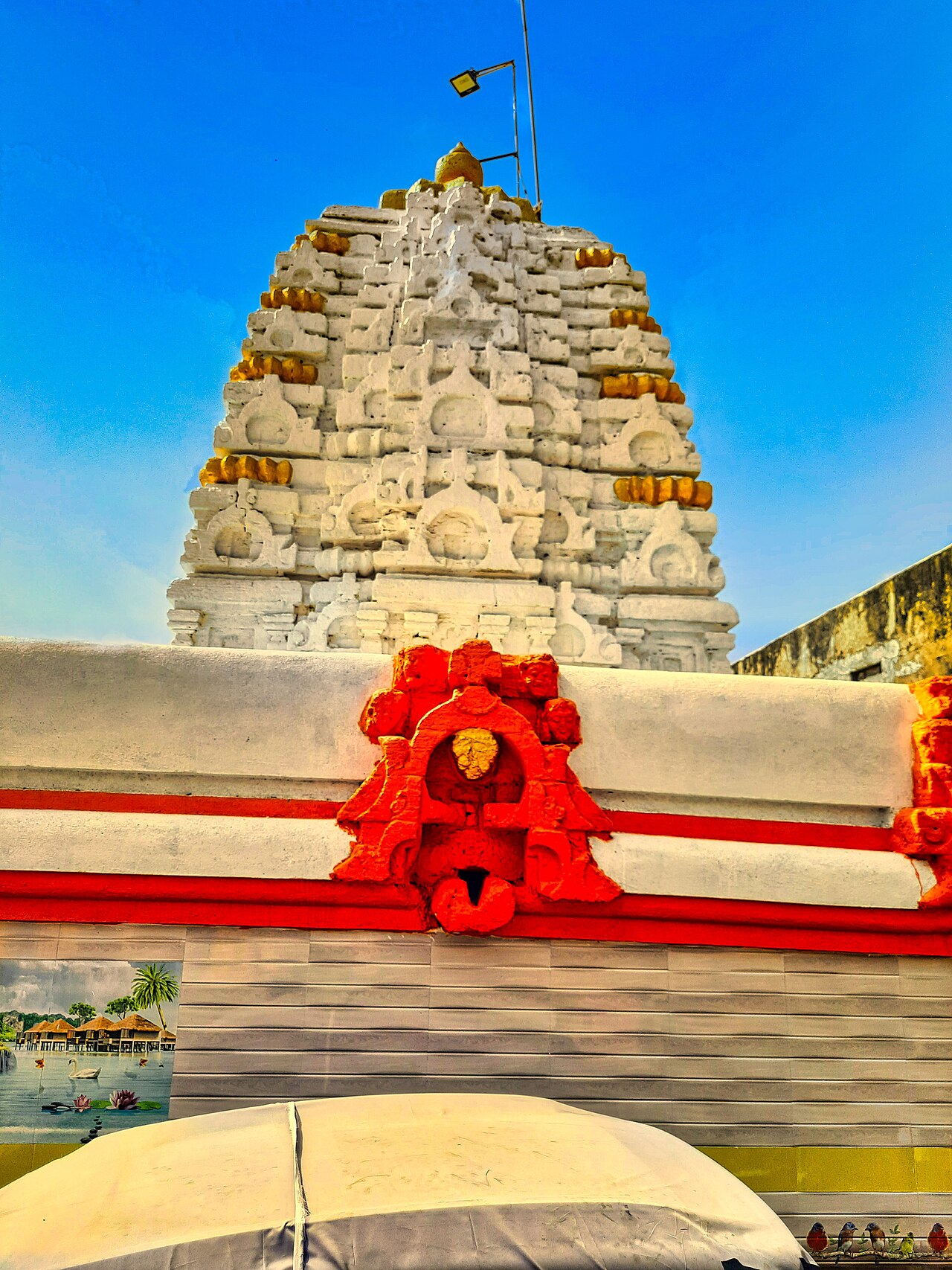
Surya Temple, Akhodar Junagadh
Surya Temple in Akhodar, Junagadh is an ancient Hindu shrine dedicated to the Sun God, representing centuries of devotional architecture in Gujarat.
Pindara Group of Temples
Pindara Group of Temples is a temple complex located in Pindara, Devbhoomi Dwarka district, Gujarat. Limited information is publicly available about this shrine.