
Subramanya Temple
About Subramanya Temple
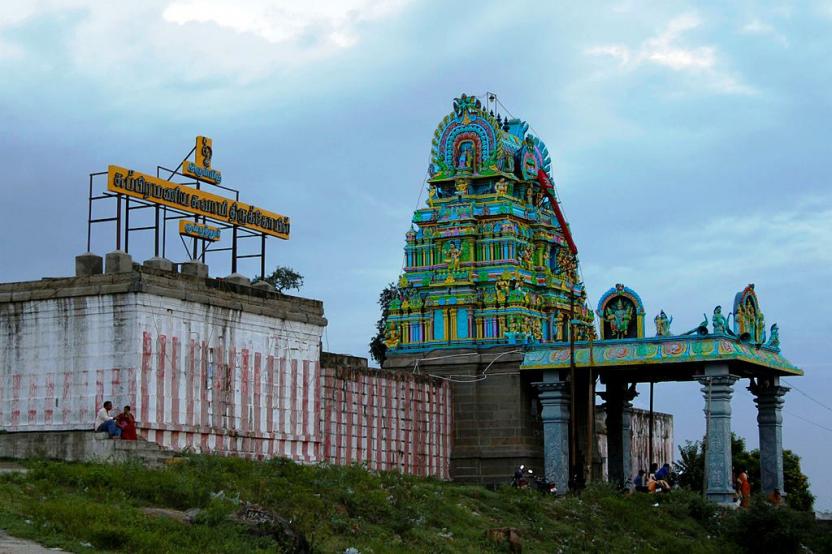
The temple was established during the Chola period, an era when Tamil Nadu witnessed extraordinary temple construction and patronage. The Cholas were renowned builders who left an architectural legacy across the region, and this temple's foundations reflect that tradition. While the specific details of the temple's founding and early history are not extensively documented in available sources, its Chola-period origins place it among the older religious structures in the Chennai area. The temple has endured through centuries of Tamil Nadu's history, serving as a place of worship for successive generations of devotees.
Daily Worship and Ritual Life
The temple maintains two distinct worship sessions each day. Morning worship runs from 06:00 to 13:00, while evening worship operates from 15:30 to 20:30. This schedule reflects the traditional rhythm of South Indian temple practice, with a midday break that allows for maintenance and rest during the warmest hours. Temples dedicated to Muruga typically perform abhishekam (ritual bathing of the deity) and other sevas (ritual services) as part of their daily worship. Devotees interested in participating in specific rituals or special pujas should contact the temple directly, as the availability, timing, and costs of such services are not documented in readily available sources. The temple staff can provide current information about which sevas are offered and how to arrange participation.
Temple Architecture and Layout
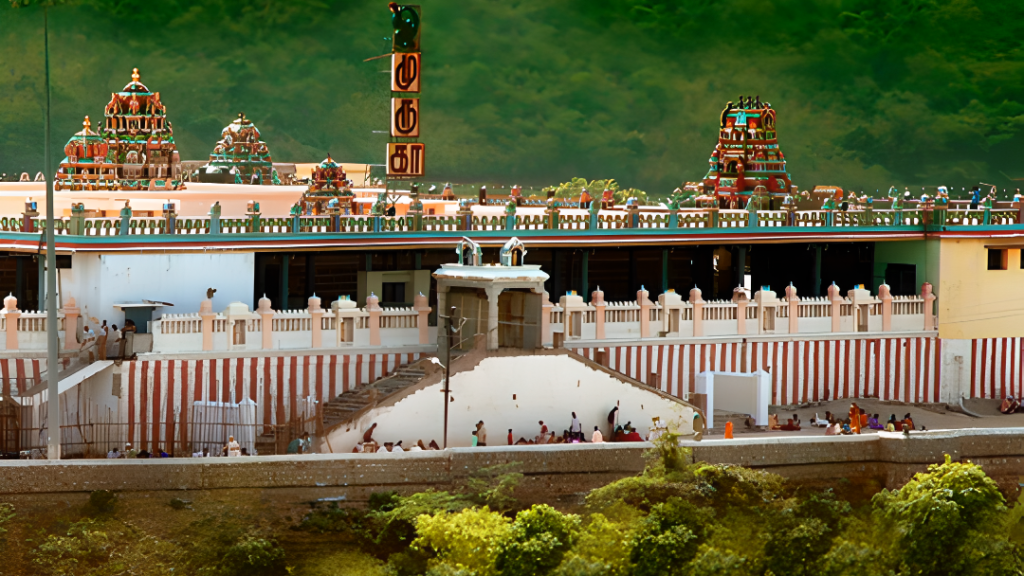
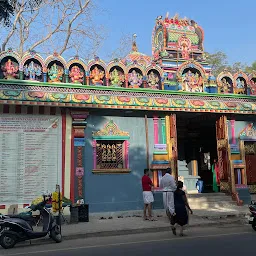
The temple's structure reflects its Chola-period heritage, a dynasty celebrated for architectural innovation in temple design. Temples from this tradition typically feature gopurams (tower gateways), sanctums for the primary deity, and circumambulatory passages that allow devotees to move around the shrine. The temple includes a gopuram and sanctum as core elements of its layout. While comprehensive architectural details are limited, visitors should expect to encounter the standard elements of South Indian temple design as they move through the premises—spaces designated for worship, ritual performance, and devotee circulation.
Visiting the Temple: Practical Information
The temple is located in Kundrathur, Chennai – 600069, making it accessible within the city limits. Visitors should plan their visit according to the two daily sessions, keeping in mind the closure between 13:00 and 15:30. As with most Hindu temples, modest dress is expected—clothing that covers shoulders and knees is appropriate. Footwear is typically removed before entering the inner sanctum. Photography policies vary by temple; visitors should observe any notices or ask temple staff before taking photographs. The temple may have prasadam (blessed food offerings) available for devotees, though specific details about these offerings are not documented. Visitors with questions about rituals, donations, or temple protocols should speak with the temple staff on site, who can provide guidance tailored to current practices.
Getting There
Kundrathur is situated within the Chennai metropolitan area, making the temple accessible by local transport. The precise coordinates (12.9852789, 80.2049757) can be used with navigation applications to plan your route. Those unfamiliar with the area should allow extra time for travel, particularly during peak hours. Local auto-rickshaws and buses serve the Kundrathur area; asking locals for directions to Subramanya Temple will help orient you once you arrive in the neighbourhood.
How to reach
Temples near Subramanya Temple
Nandeeswarar Temple
Nandeeswarar Temple in Adambakkam, Chennai is a Hindu shrine with dual entrances and historical significance in the region.
Lakshmi Narasimhar Temple
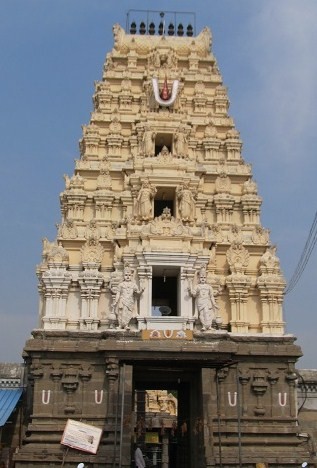
Sri Lakshmi Narasimhar Temple in Narasingapuram, Thiruvallur district, is dedicated to Lord Narasimha (an avatar of Vishnu) and his consort Lakshmi, showcasing architectural sty…
Viswaroopa Anjaneya Temple
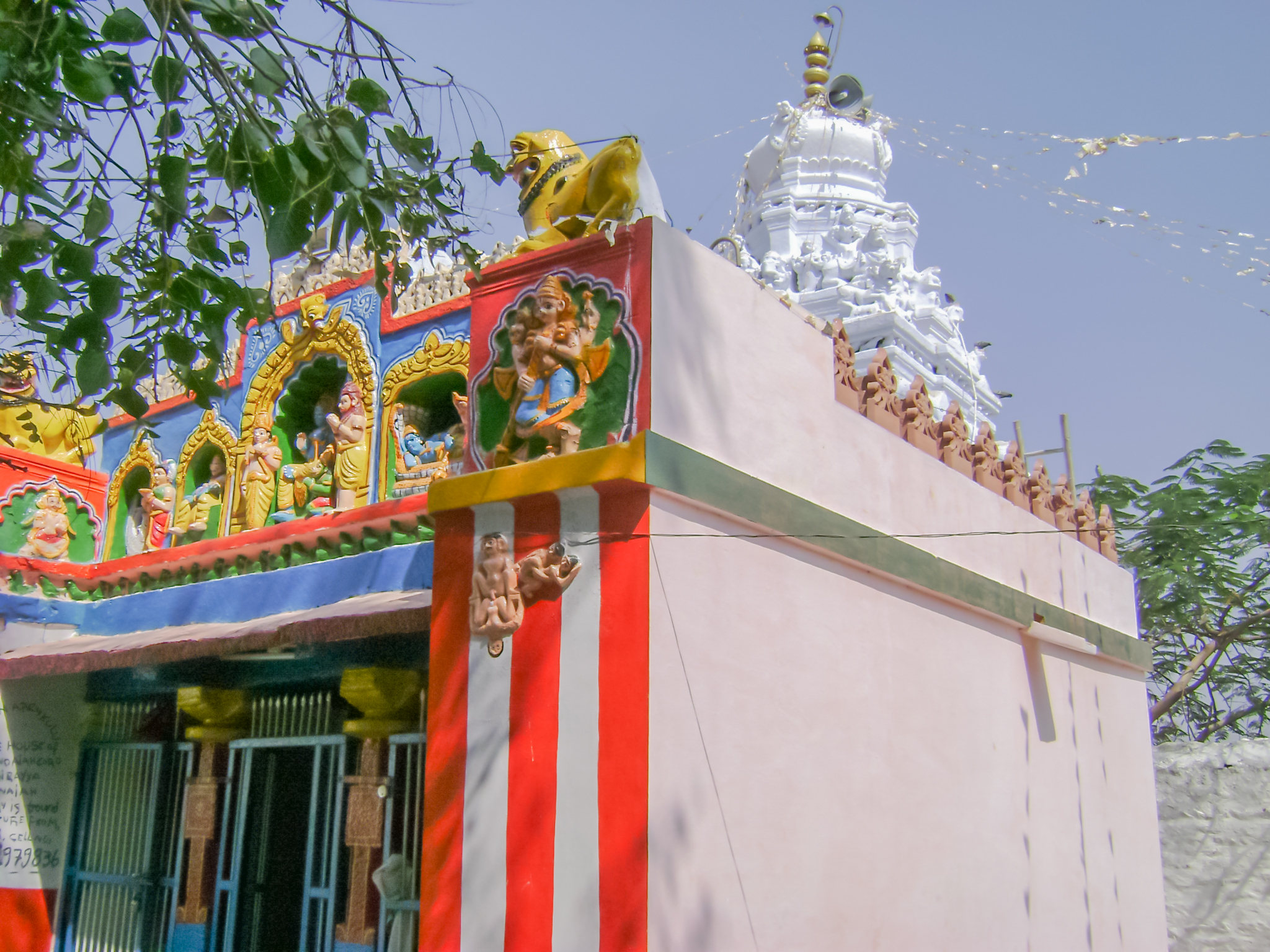
The Viswaroopa Anjaneya Temple in Nanganallur, Chennai, houses a 32-foot monolithic granite idol of Hanuman, the second tallest in India. The temple is renowned for its signatur…

Ardhanarishvarar Temple
A seventh-century Shaiva temple in Egmore, Chennai, housing an ancient lingam and a bronze Ardhanarishvara murti. The shrine uniquely blends Shaiva and Vaishnava traditions with…
Siddhi Vinayakar Temple
Arulmigu Ishta Siddhi Vinayakar Temple in Thiruvalluvar Nagar, Chennai, is a relatively modern shrine dedicated to Lord Ganesha, established through community effort in 1994 and…

Varasiddhi Vinayakar Temple
Arulmigu Varasiddhi Vinayagar Temple in Besant Nagar, Chennai, is a modern Hindu shrine dedicated to Lord Ganesha, established in 1977 and consecrated through its first Kumbhabh…