Nandeeswarar Temple
About Nandeeswarar Temple
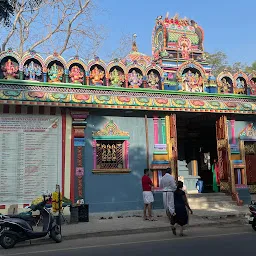
The temple is situated near St. Thomas Mount suburban railway station, making it accessible by rail for those travelling within Chennai's commuter network. Two entrances provide access to the shrine: one facing east and another to the south. A tank, or ritual water reservoir, lies outside the southern entrance, though it is no longer in active use. Visitors approaching from the railway station or by local transport will find the temple's dual-entrance design allows flexible approach routes depending on direction of arrival.
Worship of Shiva
Shiva occupies a central place in Hindu philosophy and practice as the supreme consciousness, the destroyer and transformer within the cosmic cycle, and the supreme yogi. Temples dedicated to Shiva typically house a lingam—an abstract representation of the deity—as the primary object of worship. Devotees visit such temples to seek blessings, perform personal rituals, and participate in the rhythms of daily worship. The specific liturgical practices, deity forms, and ritual schedules at Nandeeswarar Temple would be best confirmed through direct inquiry with temple authorities, as detailed information about daily worship timings and ceremonies is not available in current sources.
Visiting the Temple
Visitors to Shiva temples in Tamil Nadu should dress modestly, removing footwear before entering the inner sanctum as is customary in Hindu places of worship. It is advisable to arrive during daylight hours and to check locally for current opening times, as these may vary seasonally or due to special observances. The temple's location in an established residential neighbourhood means it is integrated into the local community; visitors should be respectful of ongoing worship and the presence of regular devotees.
Those wishing to perform specific rituals or learn about particular ceremonies should contact the temple directly. Temple staff can advise on appropriate procedures, any fees for special services, and the best times to visit if seeking a quieter darshan, or viewing of the deity.
Getting There
The proximity to St. Thomas Mount suburban railway station makes the temple accessible via Chennai's local rail network. Those arriving by car or auto-rickshaw should note the temple's Adambakkam address: the neighbourhood is well-established within Chennai's southern localities. Visitors unfamiliar with the area may find it helpful to use the temple's coordinates (12.994444, 80.200555) with navigation applications, or to ask locally once in the Adambakkam area, as the temple is known to residents.
What to Know Before Visiting
This is an active place of worship serving a local congregation, not a major pilgrimage destination with extensive visitor facilities. Visitors should expect a neighbourhood temple atmosphere rather than the infrastructure of larger, more famous shrines. Photography policies, specific ritual opportunities, and any seasonal closures should be confirmed in advance. Those seeking detailed information about the temple's history, architectural features, or the specific forms of worship practised there will benefit from speaking directly with temple authorities or local devotees who can provide current and accurate guidance.
How to reach
Temples near Nandeeswarar Temple
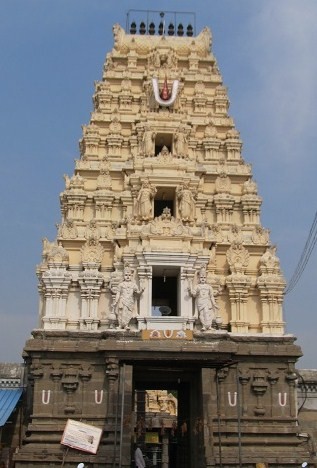
Lakshmi Narasimhar Temple
Sri Lakshmi Narasimhar Temple in Narasingapuram, Thiruvallur district, is dedicated to Lord Narasimha (an avatar of Vishnu) and his consort Lakshmi, showcasing architectural sty…
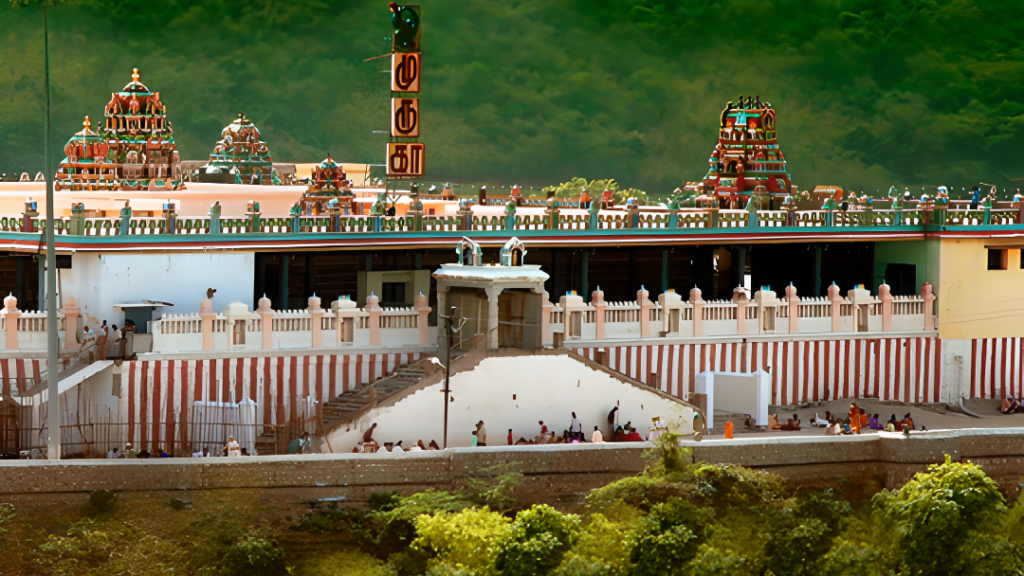
Subramanya Temple
Subramanya Temple in Kundrathur, Chennai, is an ancient shrine dedicated to Lord Muruga, established during the Chola period. The temple maintains traditional worship sessions w…
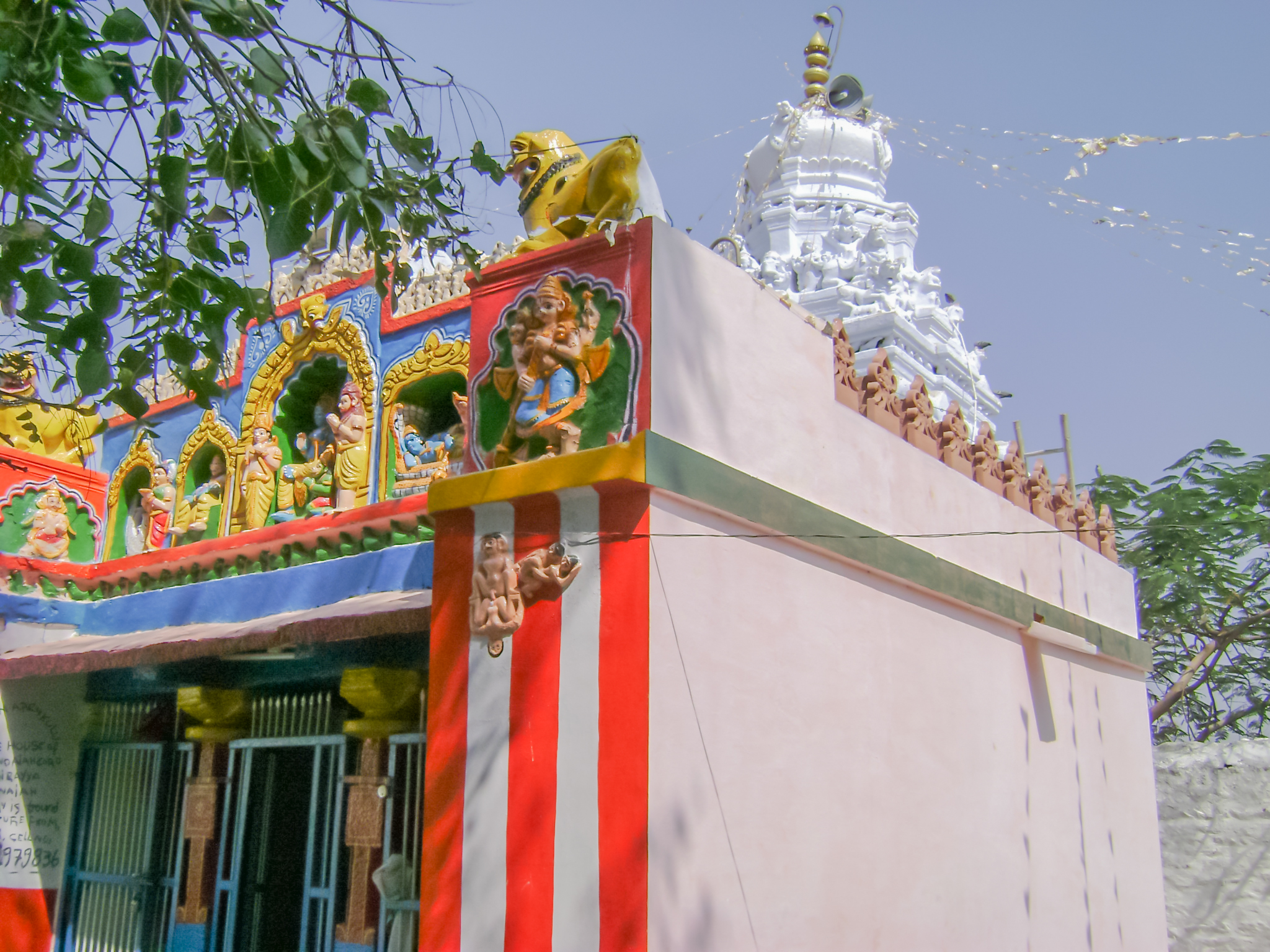
Viswaroopa Anjaneya Temple
The Viswaroopa Anjaneya Temple in Nanganallur, Chennai, houses a 32-foot monolithic granite idol of Hanuman, the second tallest in India. The temple is renowned for its signatur…

Ardhanarishvarar Temple
A seventh-century Shaiva temple in Egmore, Chennai, housing an ancient lingam and a bronze Ardhanarishvara murti. The shrine uniquely blends Shaiva and Vaishnava traditions with…
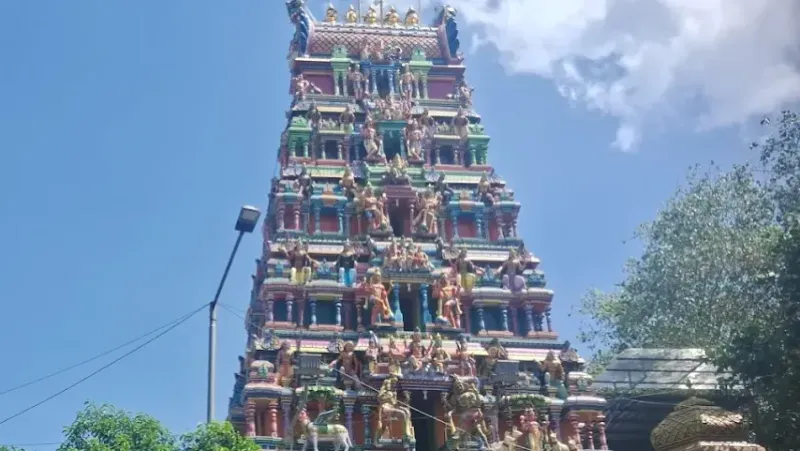
Varasiddhi Vinayakar Temple
Arulmigu Varasiddhi Vinayagar Temple in Besant Nagar, Chennai, is a modern Hindu shrine dedicated to Lord Ganesha, established in 1977 and consecrated through its first Kumbhabh…
Siddhi Vinayakar Temple
Arulmigu Ishta Siddhi Vinayakar Temple in Thiruvalluvar Nagar, Chennai, is a relatively modern shrine dedicated to Lord Ganesha, established through community effort in 1994 and…