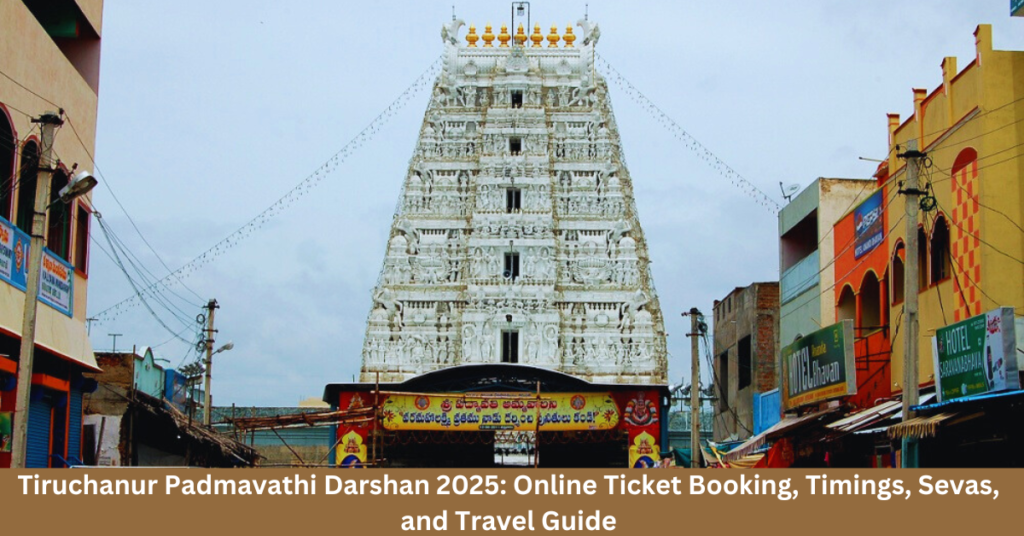
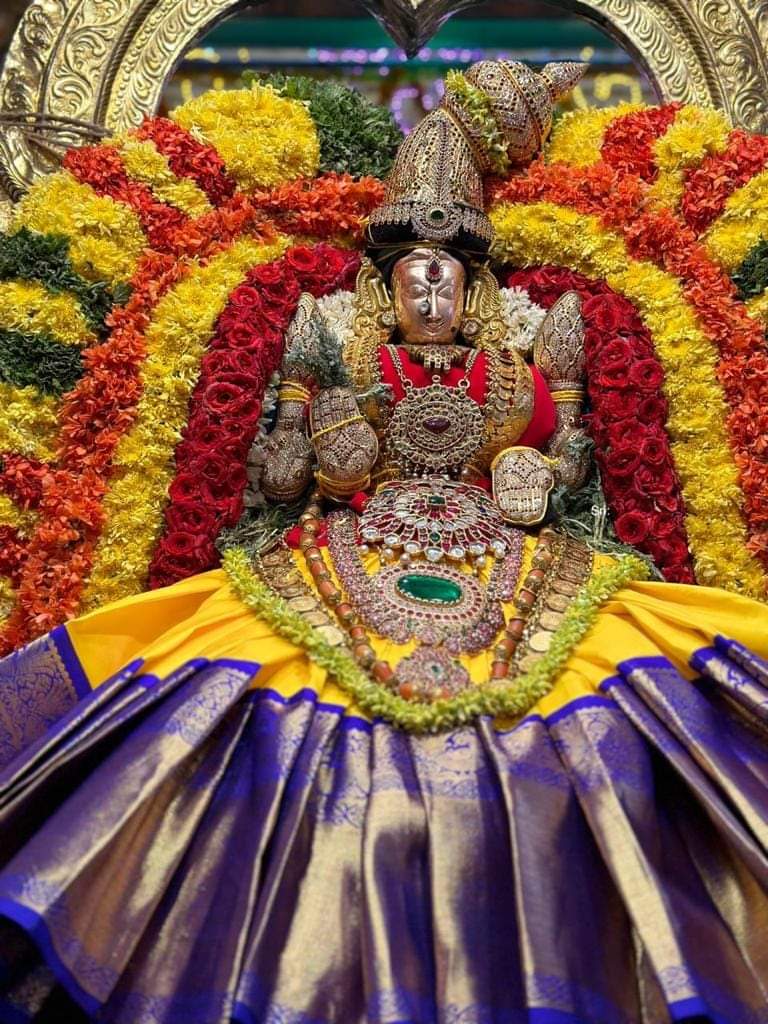

Sri Padmavathi Ammavari Temple
About Sri Padmavathi Ammavari Temple
The temple opens at 5:00 AM and remains accessible until 9:00 PM. Darshan—the viewing of the deity—is available in two sessions: morning darshan runs from 5:30 AM to 1:00 PM, with an afternoon break from 1:00 PM to 1:30 PM, followed by evening darshan from 1:30 PM to 8:30 PM. Two principal aartis (ritual offerings with lamps and music) mark the day: the Suprabhata aarti at 6:00 AM and the evening aarti at 7:30 PM. Visitors should note that timings may shift on festival days or during special observances, so confirmation with temple authorities before travel is advisable. The temple accommodates various forms of worship; thulabharam (weighing the devotee against offerings) is available for those fulfilling vows to the Goddess.
Brahmotsavam Festival
The temple's most significant annual observance is the Brahmotsavam, celebrated with considerable ceremony to mark the Goddess's manifestation. This festival occurs during the month of Karthika and draws large numbers of pilgrims. The exact dates vary according to the lunar calendar, so visitors planning to attend should verify the schedule in advance. The festival represents the temple's most vibrant period, with enhanced rituals and heightened devotional activity throughout the shrine.
Planning Your Visit
The temple lies approximately 5 kilometers from Tirupati town, in the village of Tiruchanur, making it accessible as part of a broader pilgrimage to the Tirupati region. October and November, during the Karthika month and Brahmotsavam season, represent the most auspicious time to visit, though crowds are correspondingly larger. If shorter waiting times are preferred, weekdays other than Friday generally see lighter footfall. Visitors should dress modestly, as is customary at Hindu temples; women typically wear sarees or salwar kameez, while men wear dhotis or simple trousers. Shoes are removed before entering the inner sanctum. The temple operates year-round, but summer months (May–June) can be intensely hot in this region of Andhra Pradesh.
Practical Information for Visitors
The temple's address is Tiruchanur, Tirupati District, Andhra Pradesh 517503. Accommodation options are available in nearby Tirupati, ranging from budget lodges to more comfortable hotels. The temple may offer online booking for special darshan categories; checking the temple's official channels or contacting them directly is recommended for current procedures. As with most active pilgrimage sites, facilities such as water and basic amenities are typically available, though visitors are advised to carry personal necessities. Photography policies vary; it is best to inquire at the entrance before attempting to photograph the deity or inner sanctum.
Reaching the Temple
Tirupati is well-connected by road, rail, and air. The town serves as a major pilgrimage hub, with regular bus services from across Andhra Pradesh and neighboring states. From Tirupati town center, Tiruchanur village is a short journey by local transport. Visitors arriving by train or air should arrange local transport—auto-rickshaws or taxis—for the final leg to the temple. The temple's GPS coordinates (13.6078652, 79.4499638) can assist navigation via mobile mapping applications.
How to reach


Temples near Sri Padmavathi Ammavari Temple
Nagamma Temple
No temple named 'Nagamma Temple' appears in the provided sources. The sources exclusively document Sri Venkateswara Swami Temple at Tirumala, Tirupati.
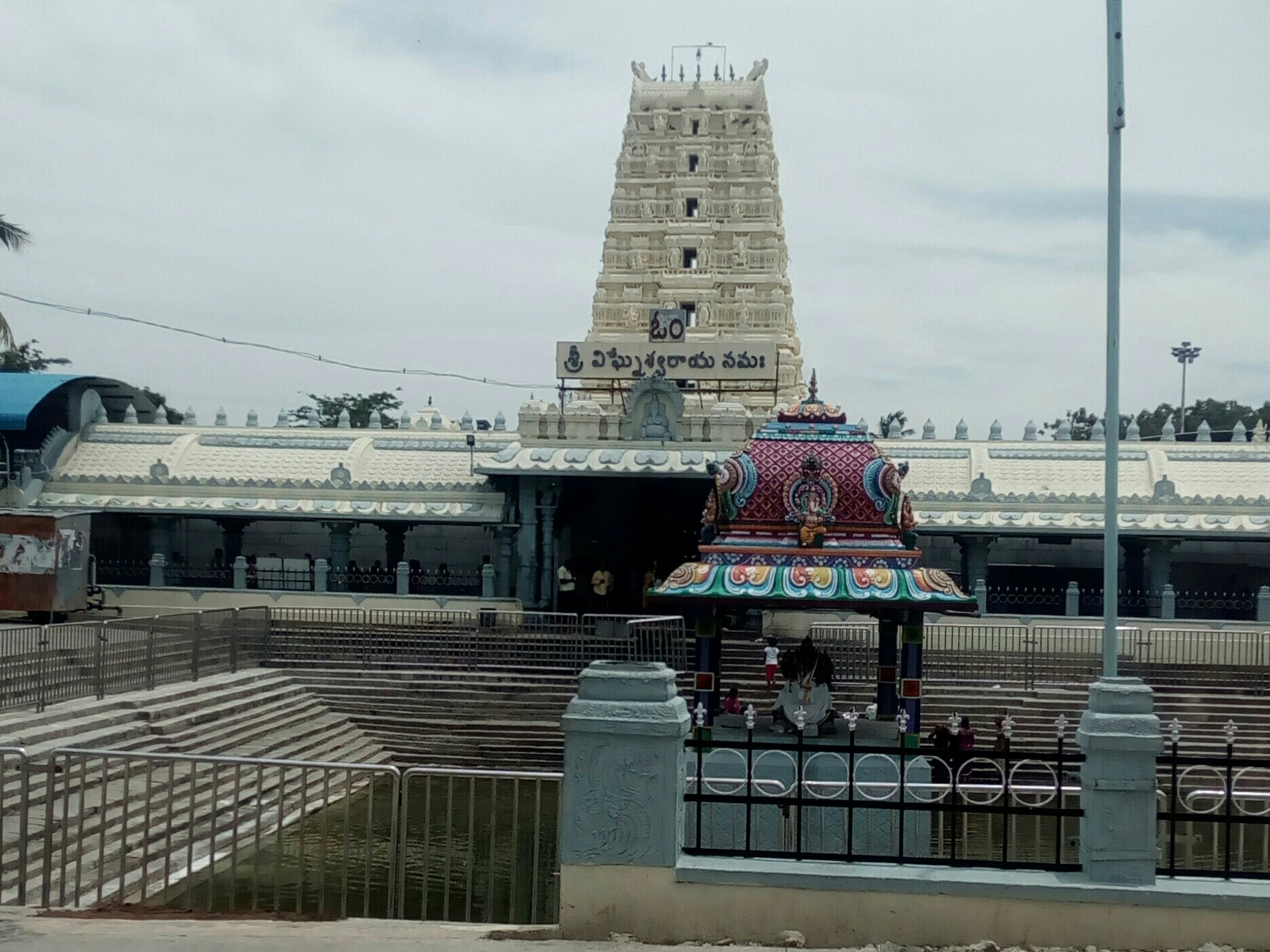
Sri Vinayaka Swamy Temple
Sri Vinayaka Swamy Temple in Tirupati is a Hindu shrine dedicated to Lord Ganesha, listed among the temples managed by the Tirumala Tirupati Devasthanams (TTD) in the Tirupati a…
Thathayyagunta Gangamma Temple
Sri Tataiahgunta Gangamma Temple in Tirupati is an ancient shrine dedicated to Goddess Gangamma, revered as the sister of Lord Venkateswara and the protective village deity of T…
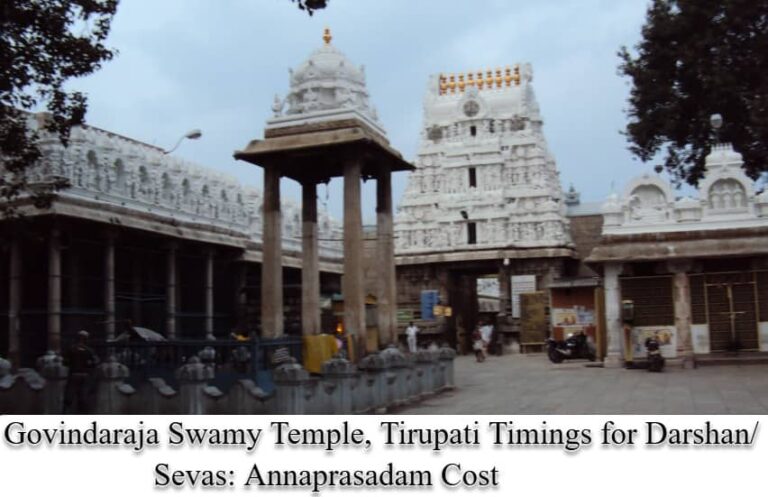
Govindarajaswamy Temple
Sri Govindarajaswamy Temple in Tirupati is an ancient shrine consecrated in 1130 AD by Saint Ramanujacharya, housing the reclining deity Govindaraja Swamy who rests in eternal Y…
Sri Kodanda Rama Swamy Temple
Sri Kodanda Rama Swamy Temple in Tirupati is a Vaishnava shrine dedicated to Lord Kodanda Rama, established in the 10th century, known for its vibrant Rama Navami celebrations f…
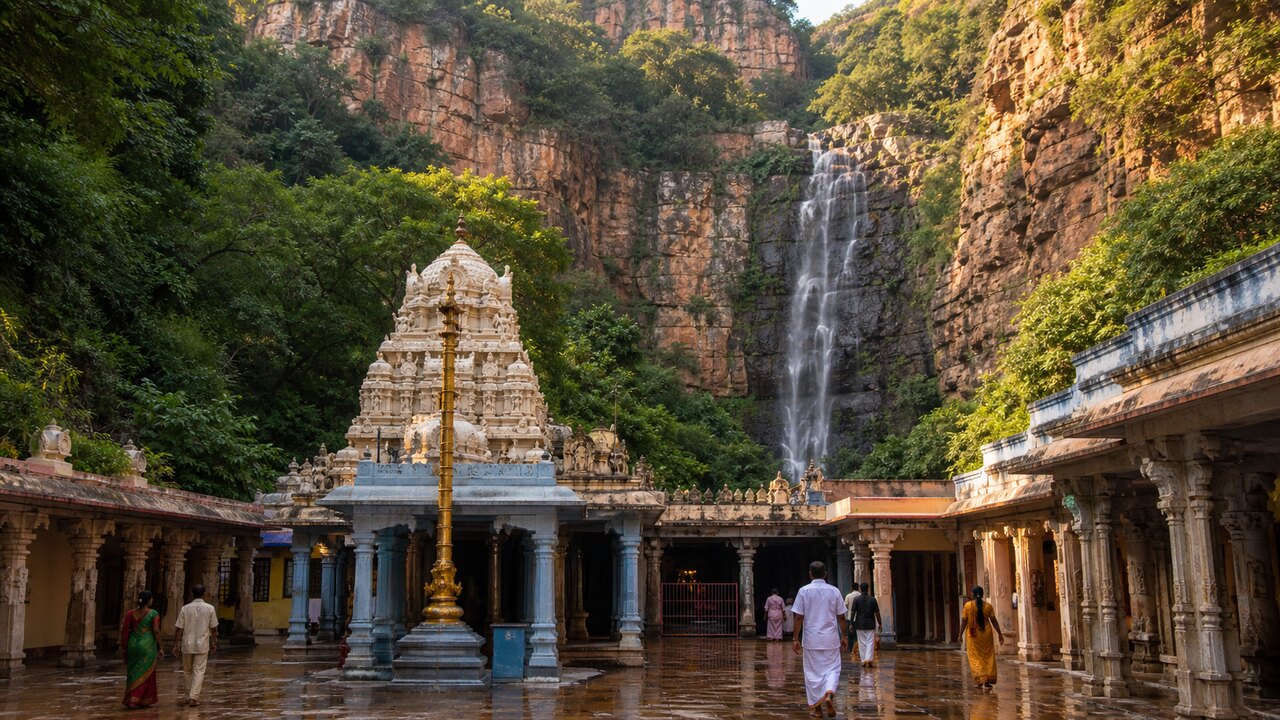
Kapila Theertham
Kapila Theertham is a sacred Shiva temple nestled at the foot of the Tirumala hills in Tirupati, featuring a natural waterfall and tank dedicated to Lord Kapileshwara.