
Sri Marathandavar Bala Dhandayuthapani Alayam
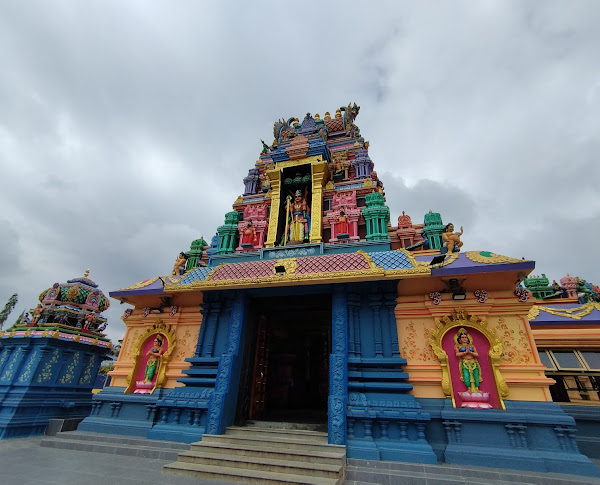
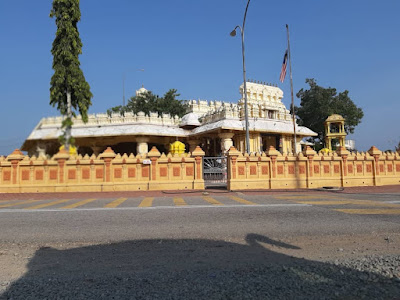
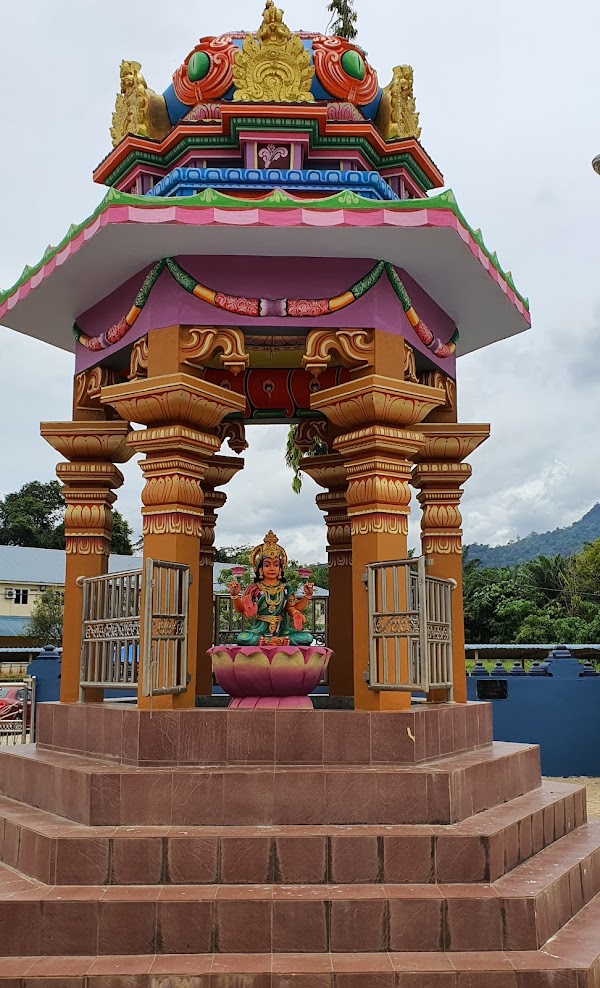
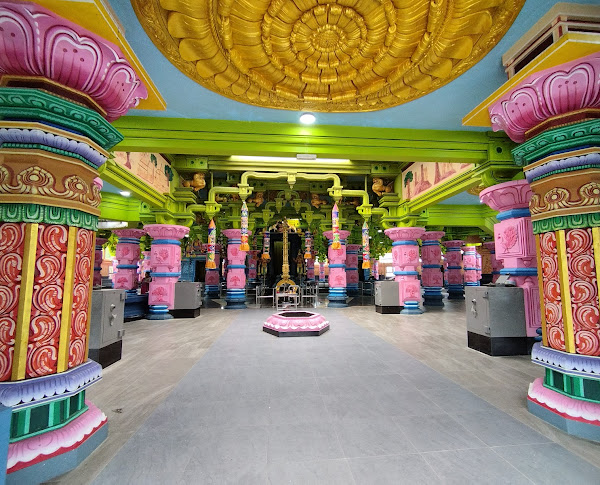
About Sri Marathandavar Bala Dhandayuthapani Alayam
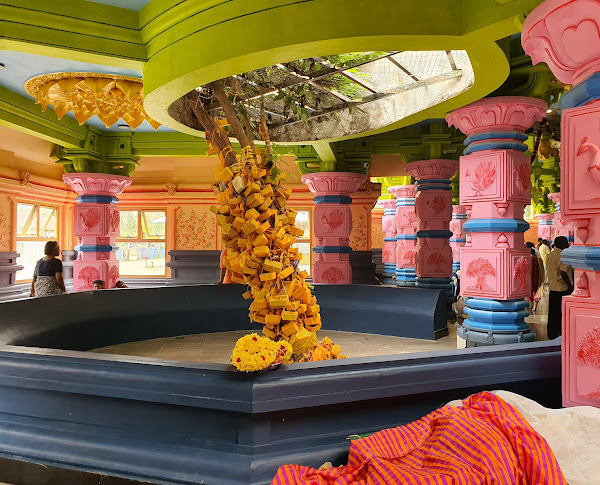
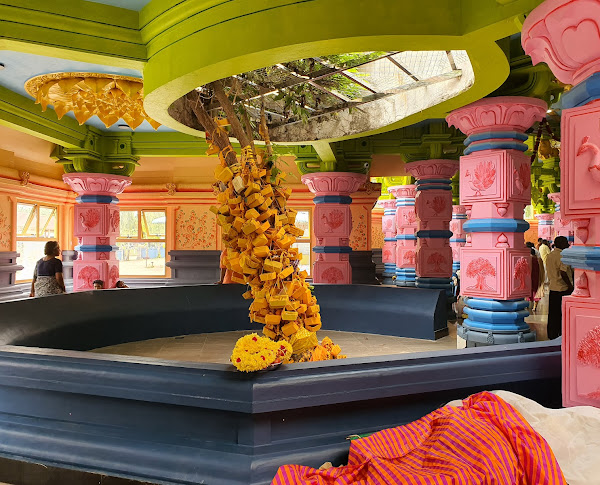
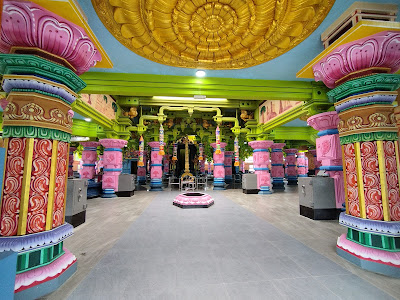
The temple's founding is inseparable from a remarkable incident involving a Rudraksha tree. Over one hundred and twenty years ago, during road construction near the present temple site, workers began felling a Rudraksha tree—a tree associated with Lord Shiva. According to temple records, the tree began to bleed when cut, and a face appeared on its trunk before vanishing. Despite orders to continue, the tree was left standing and the road was diverted around it. A Vel (sacred spear) was planted before the tree by a monk and became a place of prayer.
The original tree has since perished, but its descendant grows within the temple grounds in a dedicated area. In 1988, a temple structure was constructed around the tree, and multiple Khumbabishegams—sacred consecration ceremonies—were performed to consecrate the space.
Daily Worship and Darshan
The temple opens early for morning worship at 5:00 AM, closing at 10:30 AM. Evening hours run from 5:30 PM to 10:30 PM. These timings allow devotees to participate in worship before and after daily work commitments, a common pattern in active Hindu temples serving working communities.
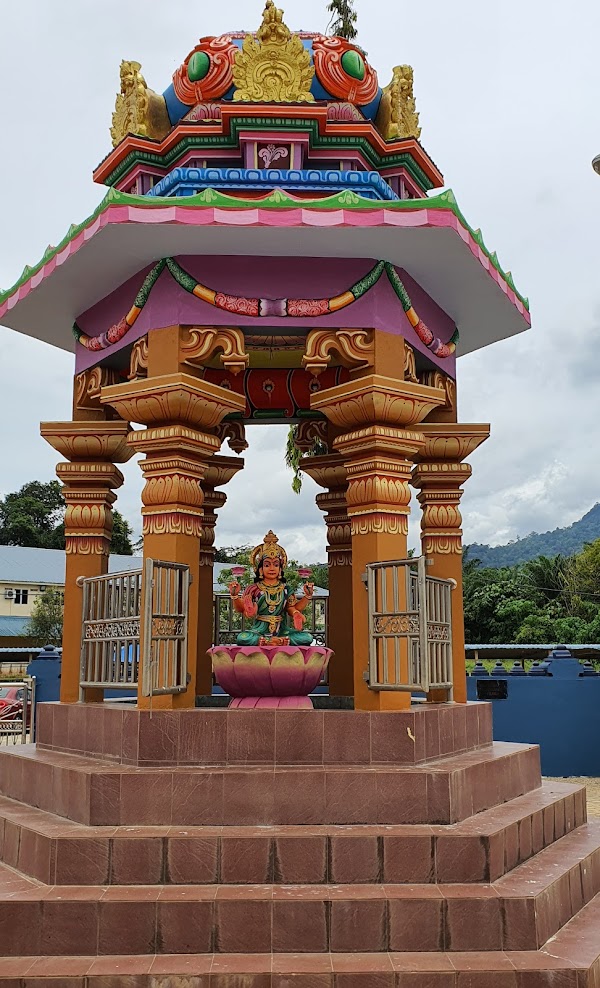
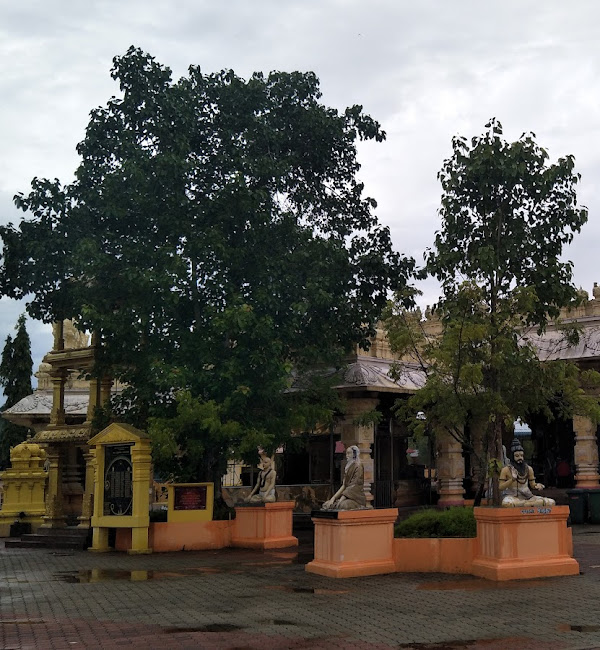
The main deity is Shivan (Shiva), with additional shrines housing Vinayagar, Maha Vishnu, Mariamman, Subramaniar, and Naganathar. The temple employs three archakas (priests) who conduct daily rituals and maintain the sanctum. Visitors should dress modestly, removing footwear before entering the inner sanctum, following standard Hindu temple etiquette.
Festivals and Celebrations
The temple observes several significant festivals throughout the year. Panguni Uthiram, celebrated in March or April, draws hundreds of thousands of devotees and represents the most important festival in the temple's calendar. This festival honours Lord Murugan and attracts worshippers from across Malaysia and Singapore.
The temple also celebrates Thai Poosam, Sivarathri, and Kantha Sasti. These festivals follow the Tamil and Hindu lunar calendar, and specific dates vary annually. Devotees planning visits during festival periods should contact the temple in advance for exact dates and any special arrangements.
Visiting Information and Practicalities
The temple is located at KM 100, Jalan Kuantan-Jerantut, 26500 Maran, Pahang, Malaysia. It is registered under the Registrar of Societies (ROS number PPM-009-06-24061964) and operates under a formal management committee. The temple can be contacted at 019-9818050 or aalayamsrimarathandavar@gmail.com for inquiries regarding specific rituals, festival dates, or visiting arrangements.
Visitors should plan their visit according to the temple's operating hours. March and April are particularly significant times to visit, coinciding with Panguni Uthiram when the temple hosts large gatherings. The temple grounds accommodate up to 2,000 people, though during major festivals attendance may be substantial. Modest dress is expected; women typically wear salwar kameez, sarees, or equivalent modest clothing, while men wear simple shirts and trousers or traditional attire.
Temple Management and Community
The temple is managed by a registered committee of devotees, with a chairman, secretary, and treasurer overseeing operations. The management includes a clerk and general workers alongside the priestly staff. This structure reflects the temple's role as a community institution serving the religious and cultural needs of the Tamil Hindu population in Pahang and beyond.
The temple's constitution and formal registration ensure its continuity and accountability to the community it serves. Devotees from across Malaysia and Singapore maintain active participation in the temple's festivals and daily operations, sustaining its role as a vital spiritual hub for Tamil Hindu worship and cultural practice.
How to reach
You may also visit
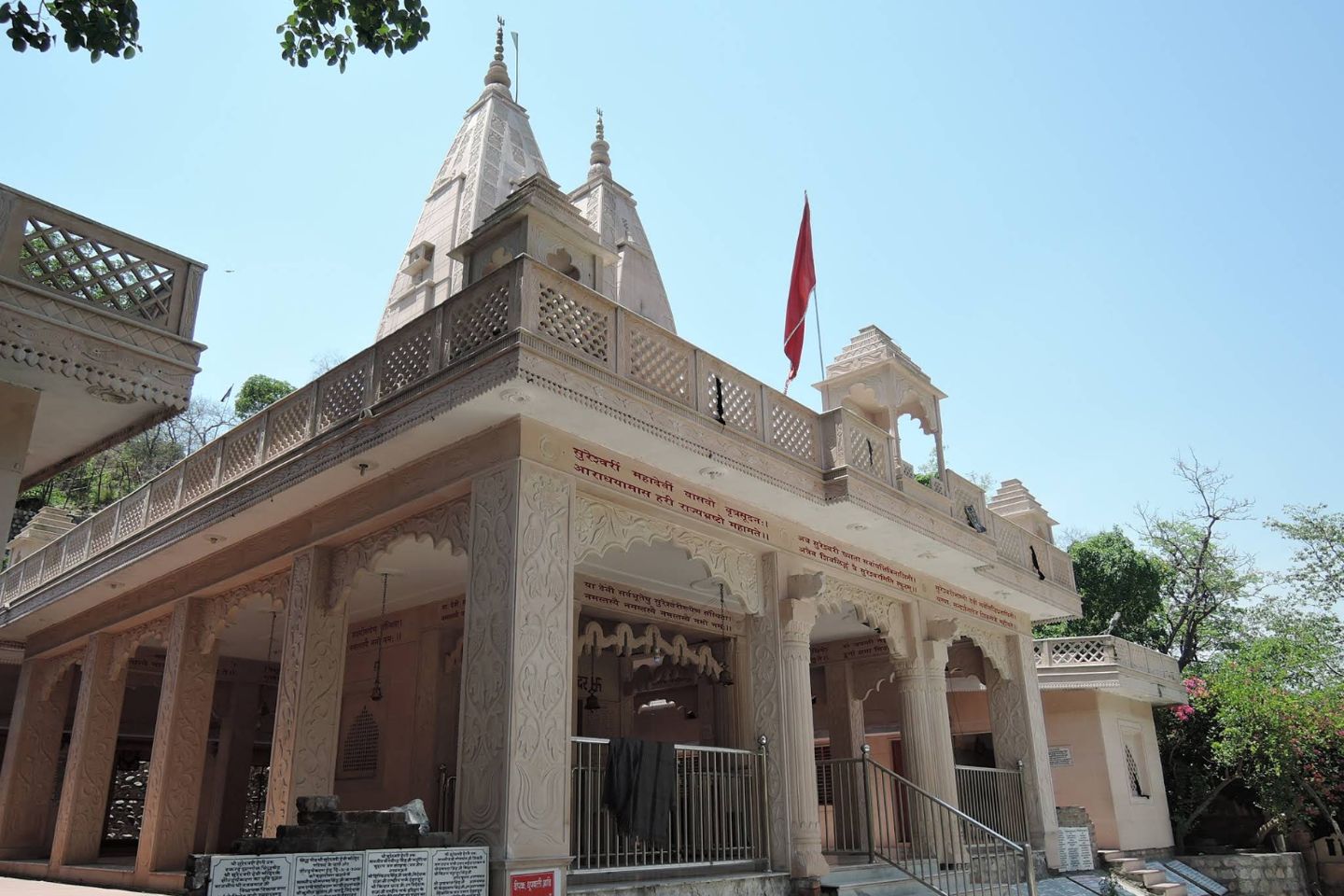
Sureshwari Devi Temple
Sureshwari Devi Temple in Haridwar is a forest shrine dedicated to the goddess, situated within the Ranipur Range area near Rajaji National Park, offering a secluded spiritual e…
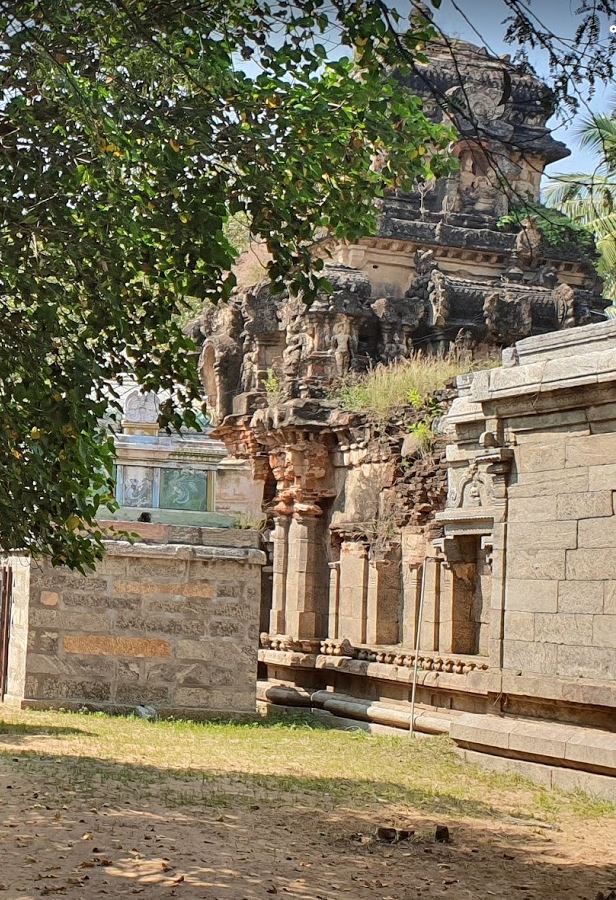
Agatheeswarar Temple, Karur
Agatheeswarar Temple in Thirumukkudalur, Karur district, is an ancient Hindu shrine dedicated to Shiva, situated at the sacred confluence of three rivers and believed to be over…

Shani Shingnapur
Shani Shingnapur is a renowned temple in Maharashtra dedicated to Lord Shani, featuring a self-emerged black stone idol worshipped under open sky. The temple is located in a uni…
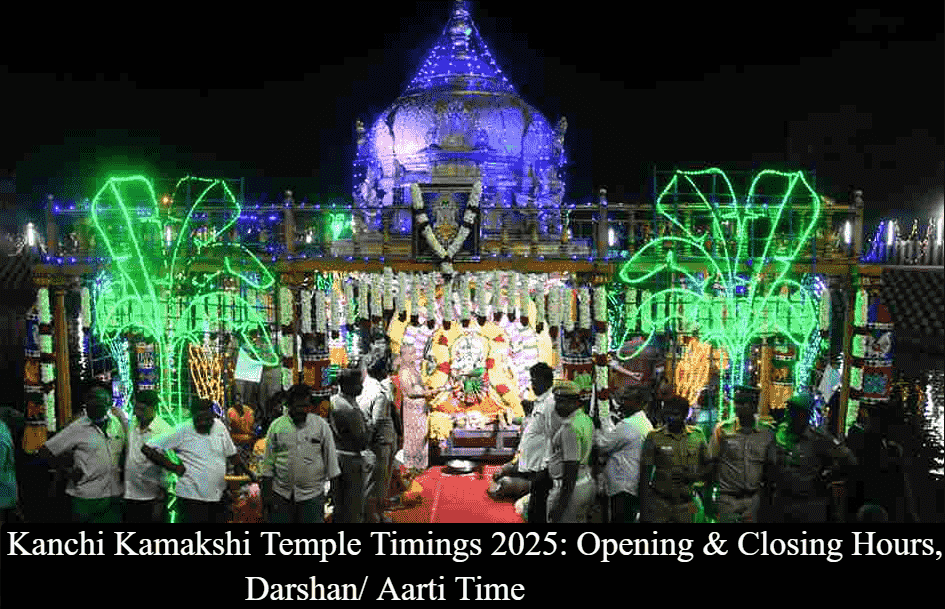
Kamaksha
Arulmigu Kamakshi Amman Temple in Mangadu, near Chennai, is dedicated to the goddess Kamakshi, an aspect of Adi Parashakti. According to legend, the goddess performed austeritie…
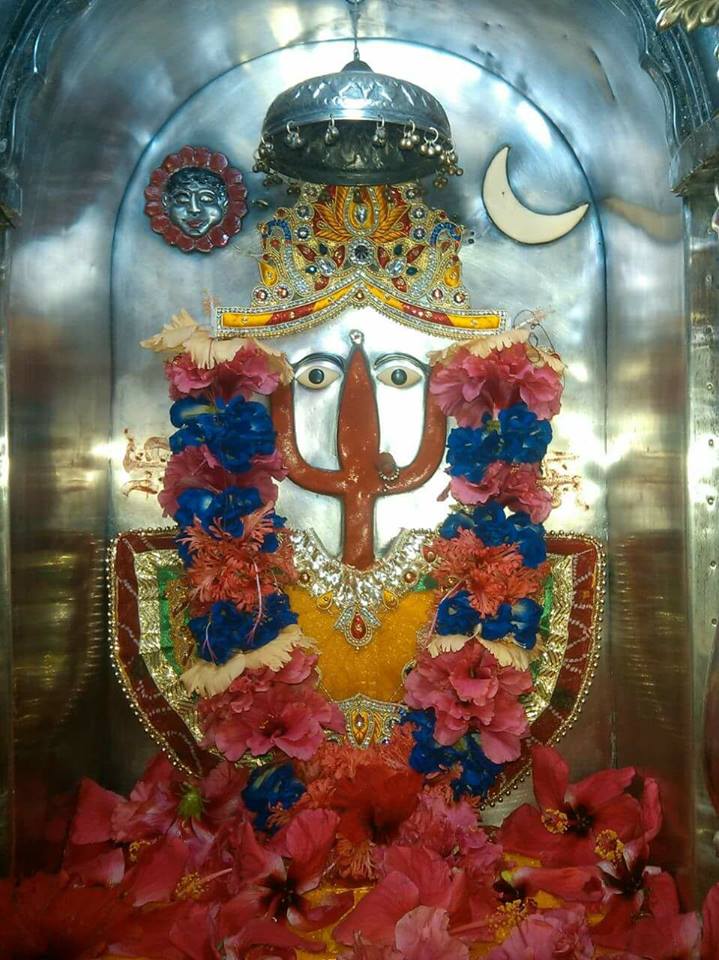
Guhaditya temple
Guhaditya temple in Dwarka is an ancient shrine dedicated to the sun deity, established over 150 years ago. Pilgrims enter through the Swarg Dwar (Gateway to Heaven) and exit vi…
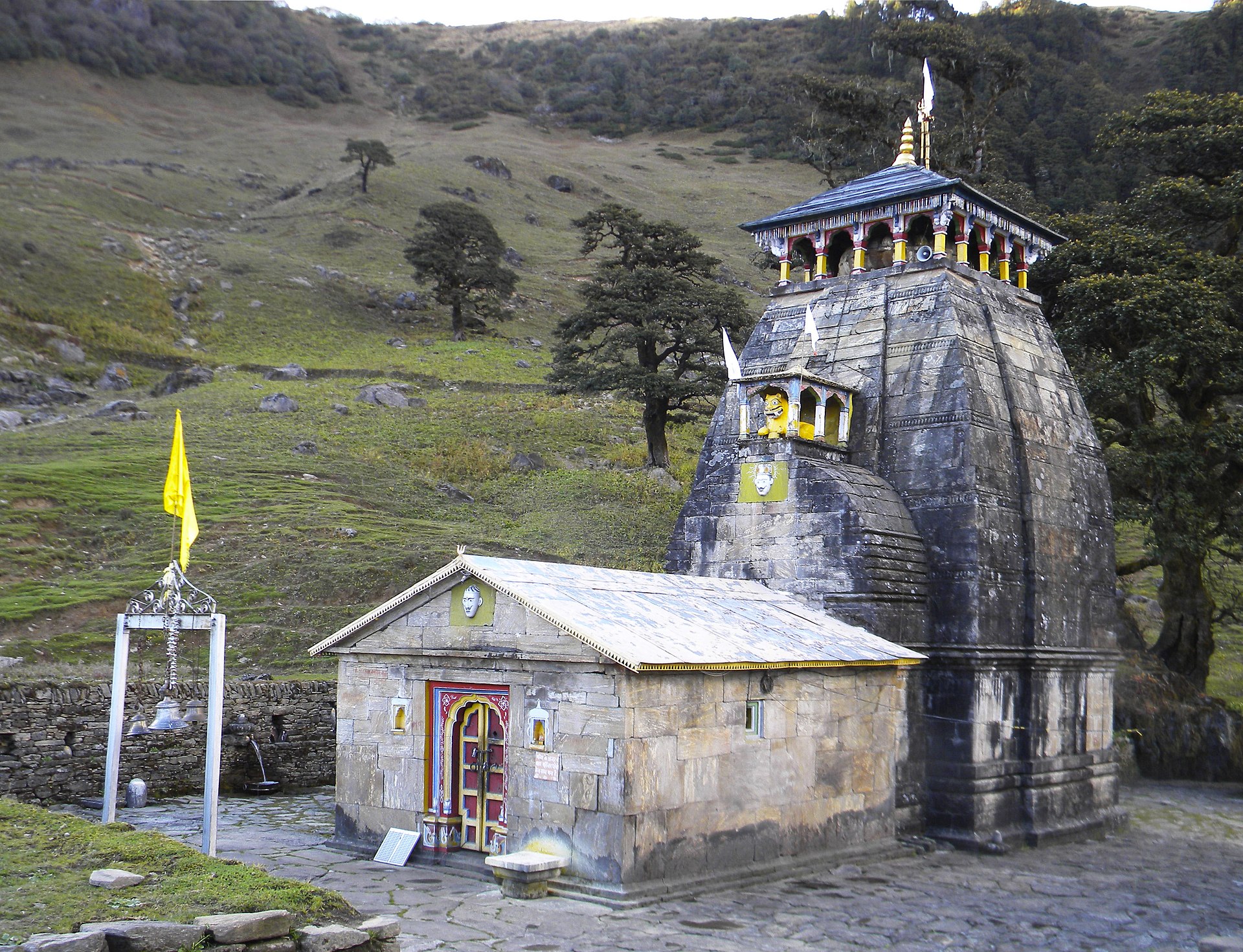
Madhyamaheshwar Temple
Madhyamaheshwar Temple is one of the five sacred Shiva shrines in the Panch Kedar pilgrimage circuit, located in the Garhwal Himalayas of Uttarakhand. Each temple in the circuit…