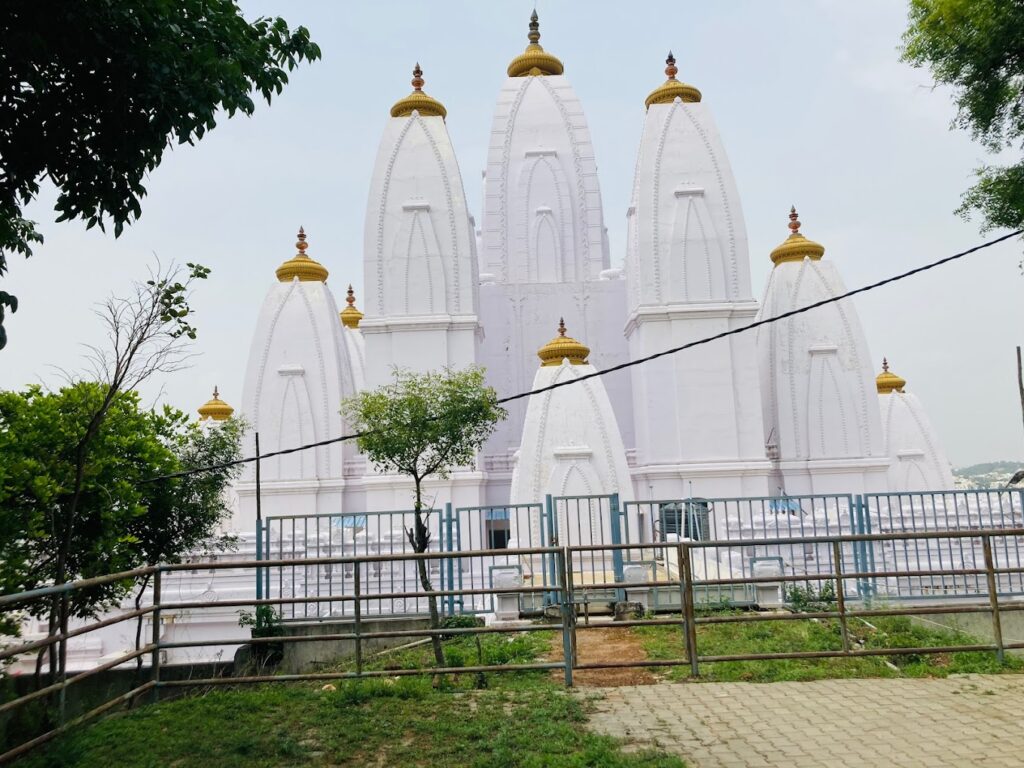
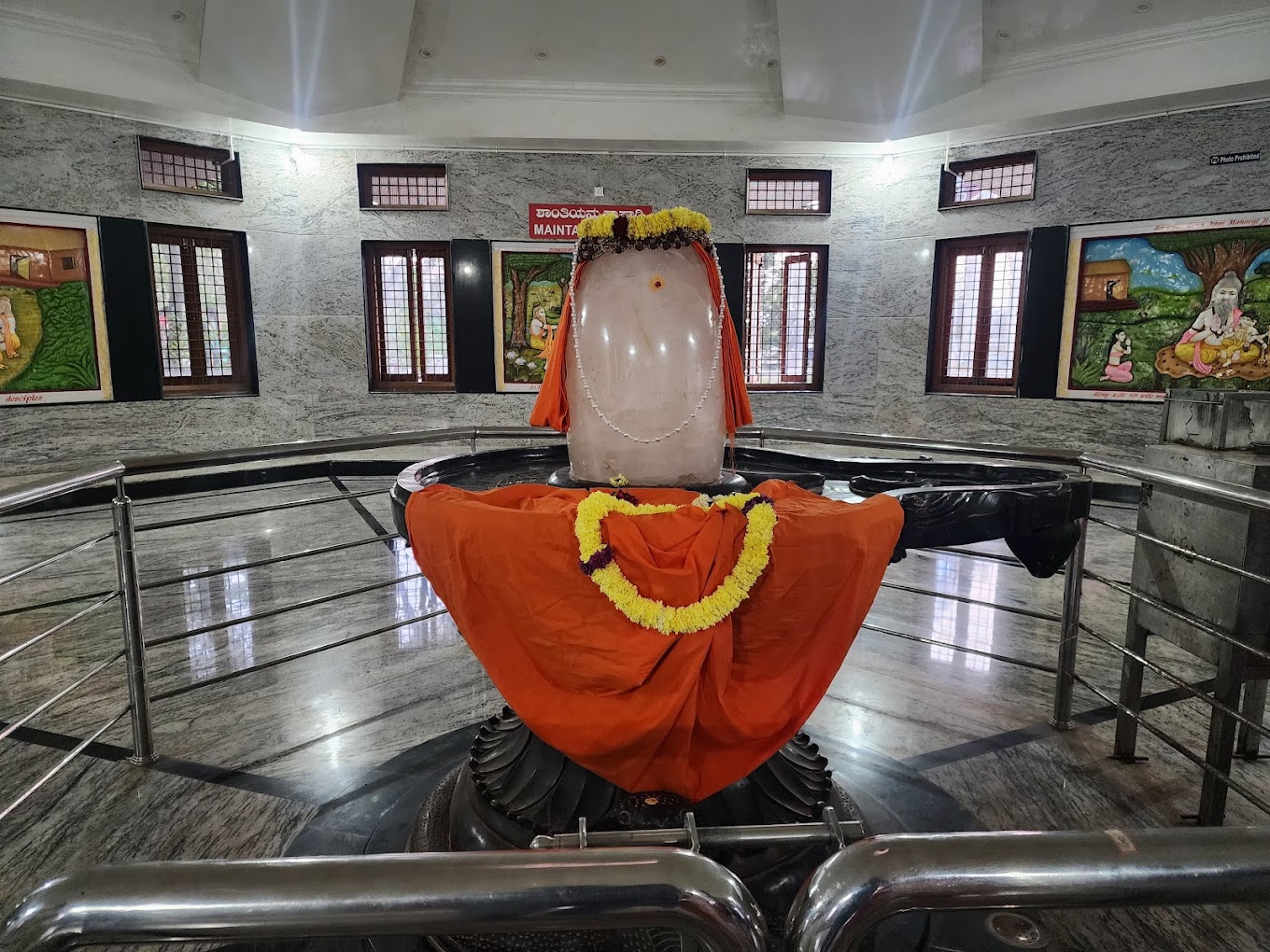
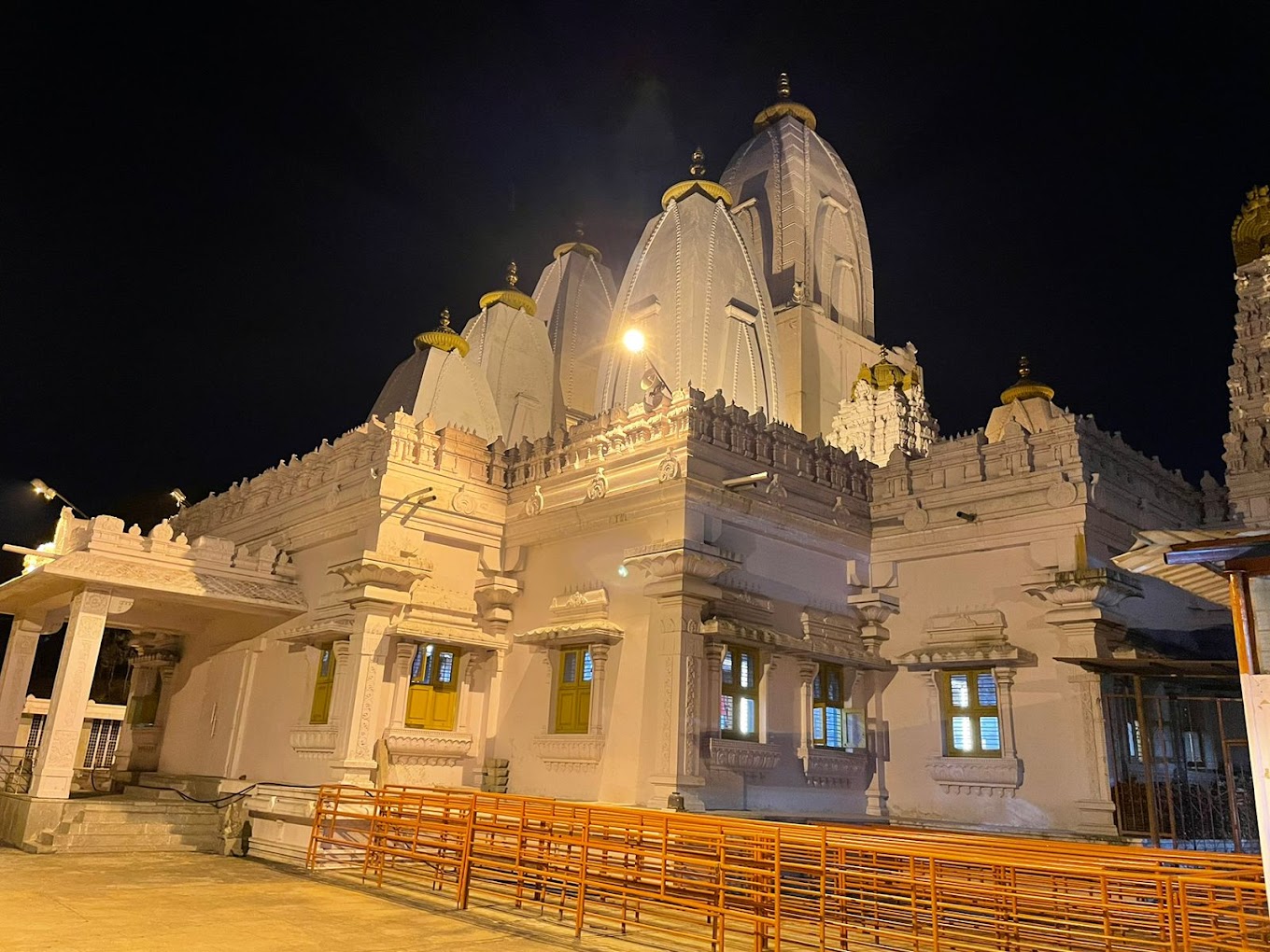
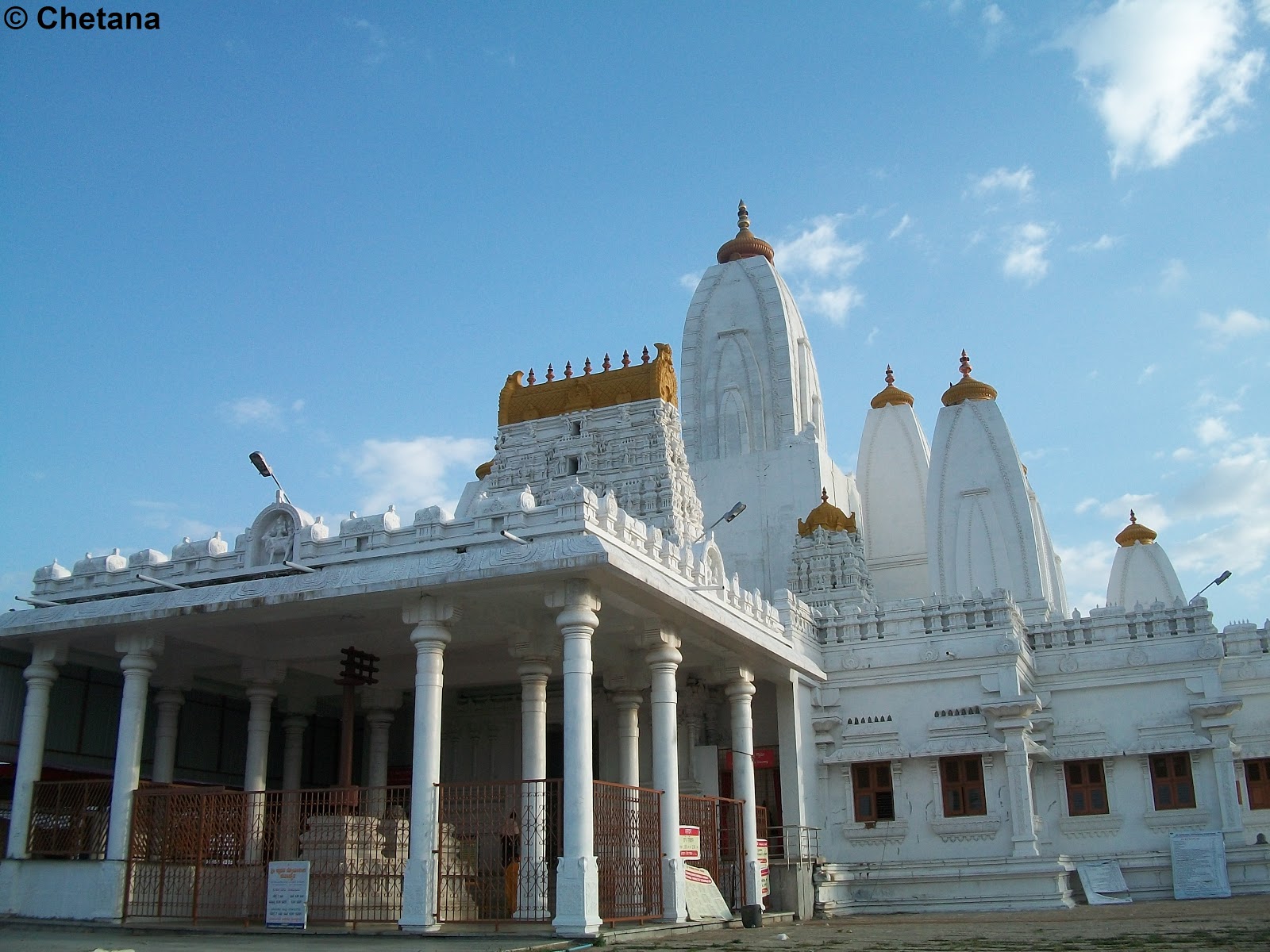
Shree Dwadasha Jyotirlinga Shiva Temple
About Shree Dwadasha Jyotirlinga Shiva Temple
The Dwadasha Jyotirlinga—the twelve sacred shrines of Lord Shiva—represents one of Hinduism's most significant pilgrimage circuits. These twelve temples are believed to mark the places where Shiva manifested as a Jyotirlinga, a blazing column of infinite light, to demonstrate his supreme power. Scattered across nine Indian states, from the Arabian Sea coast to the high Himalayas, these shrines form the sacred geography of the Shaiva tradition. The tradition holds that reciting or visiting all twelve Jyotirlingas destroys the accumulated sins of seven lifetimes, making this circuit one of the most spiritually consequential journeys in Hindu practice.
The twelve shrines span diverse landscapes and climates: Somnath on Gujarat's coast, Mallikarjuna in the Nallamala Hills of Andhra Pradesh, Mahakaleshwar in Ujjain, Omkareshwar on an island in the Narmada River, Kedarnath high in the Himalayas, Bhimashankar in the Sahyadri Hills, Kashi Vishwanath in Varanasi, Trimbakeshwar, Vaidyanath, Nageshwar, Rameshwaram, and Grishneshwar. Each shrine carries distinct mythological significance and architectural character, yet all are united in their veneration of Shiva as the supreme manifestation of divine light.
The Sacred Pilgrimage Circuit
Undertaking the Dwadasha Jyotirlinga pilgrimage is a substantial commitment, requiring travel across multiple states and varying altitudes—from sea level to 3,583 metres at Kedarnath. Devotees typically plan this circuit over several months or years, visiting shrines according to their geography and personal circumstances. The pilgrimage is not bound by a fixed season, though some shrines have seasonal access restrictions; Kedarnath, for instance, is accessible only from May to November due to heavy snowfall in winter months.
The spiritual significance of completing this circuit lies not merely in physical travel but in the devotional engagement at each shrine. Pilgrims typically perform darshan (viewing of the deity), circumambulation of the sanctum, and offerings according to their means and tradition. Many devotees maintain a record of their visits, treating the circuit as a lifelong spiritual undertaking rather than a single journey.
Notable Shrines Within the Circuit
Among the twelve, several hold particular distinction. Somnath, the first Jyotirlinga, stands on the shores of the Arabian Sea and has been rebuilt seven times throughout history, embodying the resilience of faith. Mahakaleshwar in Ujjain is unique as the only south-facing (Dakshinamukhi) Jyotirlinga and is considered the most powerful of the twelve; it is renowned for the Bhasma Aarti, a predawn ritual performed daily at 4 AM where sacred ash is offered to the Shivalinga. Mallikarjuna at Srisailam is one of only two sites in India where a Jyotirlinga and a Shakti Peetha (shrine of the Divine Feminine) coexist within the same temple complex. Omkareshwar, situated on an island in the Narmada River shaped like the sacred syllable OM, houses two lingas venerated as a single Jyotirlinga. Kedarnath, the highest shrine at 3,583 metres, requires a challenging trek through the Himalayas and is part of the broader Char Dham and Panch Kedar pilgrimage circuits; its ancient stone temple, built over 1,200 years ago, survived the 2013 floods.
Worship and Daily Practice
Temples in the Shaiva tradition typically conduct multiple darshan periods throughout the day, with early morning hours considered especially auspicious. Devotees are expected to approach the sanctum with reverence, removing footwear before entering the inner shrine. Offerings of flowers, incense, water, and milk are common; many temples provide facilities for these offerings or sell them on-site. The practice of circumambulation—walking clockwise around the sanctum—is standard in Shaiva worship.
At major Jyotirlingas, particularly Mahakaleshwar, special rituals mark the day. The Bhasma Aarti at Mahakaleshwar, performed in the pre-dawn hours, is a significant observance that draws devotees from across India. Participation in such rituals requires arriving well before the scheduled time, as spaces fill quickly. Dress modestly when visiting; women typically wear salwar kameez, sarees, or other traditional attire, while men wear dhotis or simple clothing. Avoid leather items and ensure your shoulders and legs are covered.
Practical Information for Visitors
Each of the twelve Jyotirlingas has distinct access routes and facilities. Before undertaking the pilgrimage, research the specific shrine you plan to visit: opening hours, seasonal closures, accommodation options, and local transportation. Many shrines have basic facilities including rest houses, though amenities vary considerably. Kedarnath, being at high altitude and accessible only by trek, requires physical fitness and appropriate preparation. Coastal shrines like Somnath offer more developed tourist infrastructure.
Carry sufficient cash, as many smaller shrines have limited banking facilities. Maintain a record of your visits if you wish to track your progress through the circuit. Respect local customs and temple rules, which may include restrictions on photography in certain areas or requirements for ritual purity before entering inner sanctums. Consult with temple authorities or local guides for guidance specific to each shrine.
Spiritual Preparation and Approach
The Dwadasha Jyotirlinga pilgrimage is traditionally undertaken with sincere devotion rather than as a tourist excursion. Many pilgrims prepare through meditation, fasting, or other spiritual practices before beginning their journey. The circuit is understood as a transformative experience—a gradual unveiling of Shiva's presence across the Indian landscape. Whether you complete all twelve shrines in a single extended journey or visit them over years, approach each with mindfulness and respect for the sacred space and the devotees around you.
How to reach
Temples near Shree Dwadasha Jyotirlinga Shiva Temple
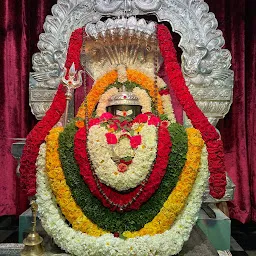
Someshwara Swamy Temple
The Someshwara Swamy Temple in Agara, Bangalore, is an ancient Shiva shrine dating back approximately 1,200 years to the Chola period, featuring traditional worship practices ce…
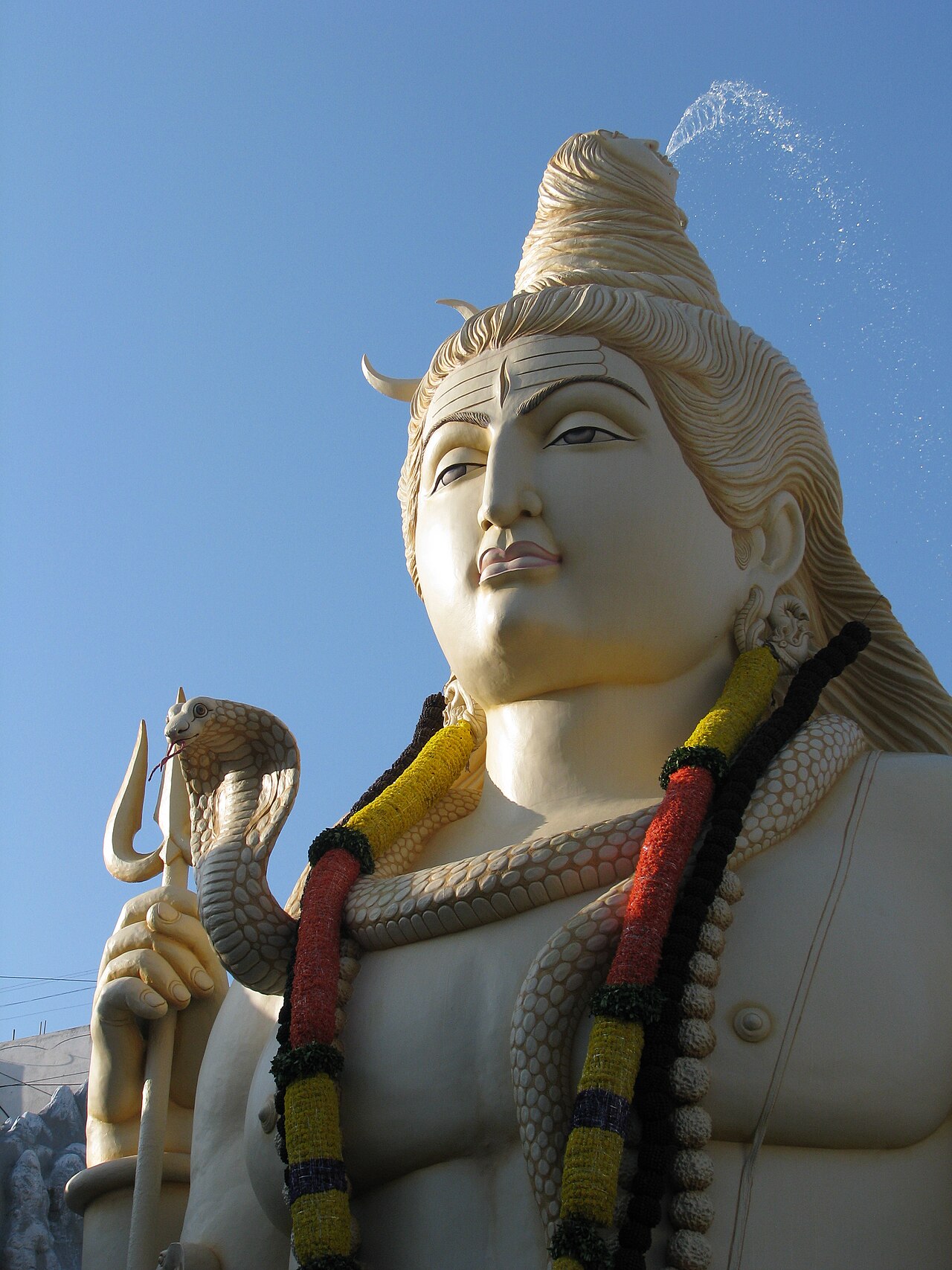
The RVM Foundation Shiv Temple
The RVM Foundation Shiv Temple in Bangalore is a modern Hindu shrine dedicated to Lord Shiva, featuring a prominent 65-foot statue and welcoming devotees around the clock.
Annamma Temple
Sri Annamma Devi Mahasamsthana is a historic temple in Bengaluru dedicated to the fever goddess Annamma. The temple traces its origins to the era of Tipu Sultan and was construc…
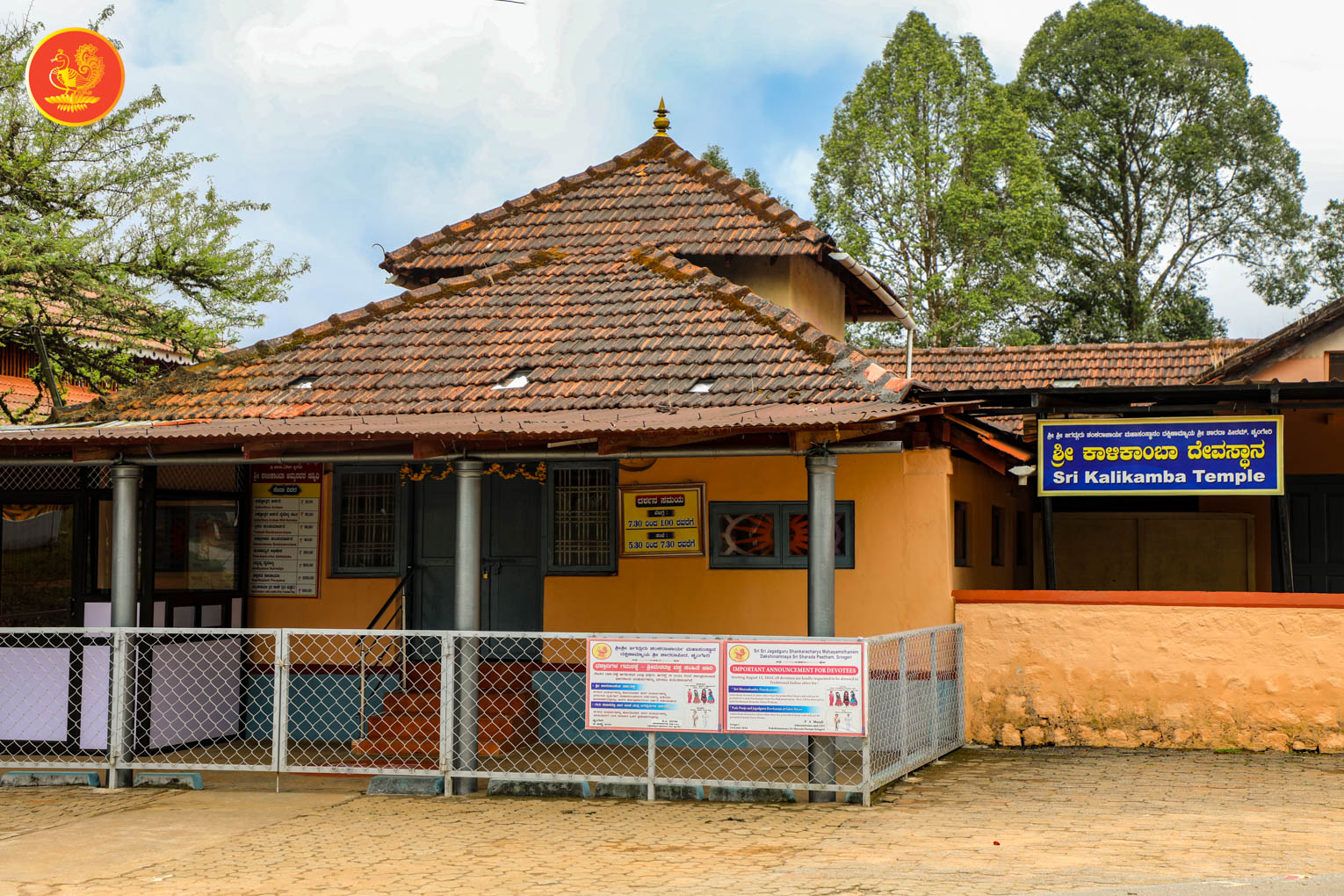
Kalikamba Temple
Sri Kalikamba Temple in Sringeri is a sacred shrine dedicated to Goddess Kalikamba, a fierce manifestation of Durga, consecrated by Adi Shankaracharya as the guardian deity prot…

Sree Dandu Mariamman Temple, Bangalore
Sree Dandu Mariamman Temple in Shivajinagar, Bangalore, is an early 20th-century shrine dedicated to the goddess Mariamman, serving as both a spiritual center and historic commu…
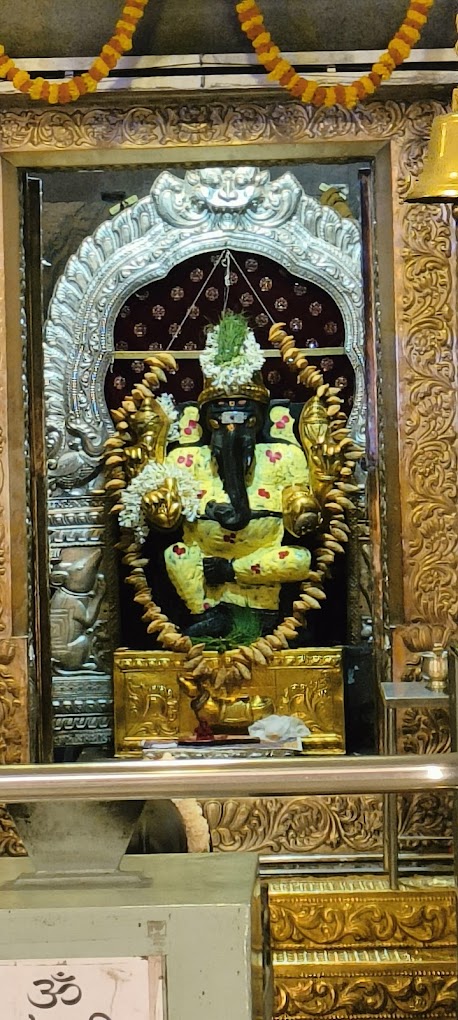
Ganapathi & Gayatri Temple
A compact urban shrine in central Bengaluru dedicated to Lord Ganesha and Goddess Gayatri, established in 1979. Known for quick darshan and evening sandhya aarti.