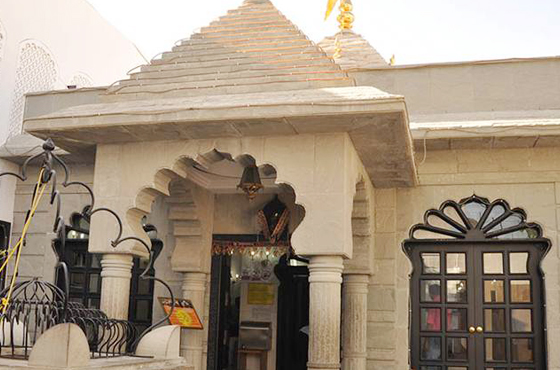
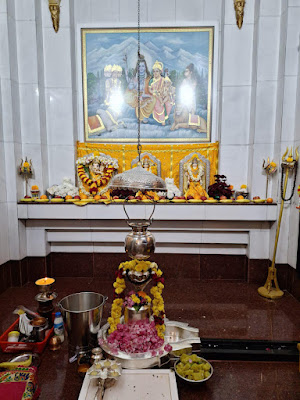
Shiva temple, Muscat
About Shiva temple, Muscat
The temple's history is intertwined with the presence of Gujarati merchants in Oman. Members of the Bhatia community from the Kutch district of Gujarat established themselves in Muscat around 1507, creating a mercantile settlement that would endure for centuries. These merchants, devoted followers of Lord Shiva, initially had no temple for their worship. Their situation changed when they discovered an idol of Motishwar housed in a nearby palace—reportedly belonging to Taimur bin Faisal, the Sultan of Muscat and Oman at that time. With the Sultan's permission, they retrieved the idol and constructed a temple around it. The temple as it stands today was built approximately 110 to 125 years ago, though the main idol itself is believed to be around 400 years old, predating the temple structure by centuries.
The temple underwent renovation in 1999, preserving its role as a living place of worship while adapting to contemporary needs. This history reflects the long-standing Hindu presence in the region and the determination of the community to maintain their religious practices across generations and geographical distances.
Daily Worship and Darshan
The temple maintains regular hours for devotees throughout the year. From Sunday to Friday, the temple opens at 5:30 am and closes at 11:30 am in the morning; evening hours run from 5:00 pm to 9:00 pm. On Saturdays, morning hours remain the same, but evening worship extends until 10:00 pm. These extended timings accommodate both early morning worship, a traditional practice in Hindu temples, and evening prayers for those occupied during daylight hours.
Devotees visit the temple regularly, with weekday attendance typically ranging from 400 to 500 visitors, while weekend numbers increase significantly. The temple welcomes visitors without entry fees, making it accessible to all who wish to pay their respects. Visitors should dress modestly and respectfully, removing shoes before entering the inner sanctum—practices standard across Hindu temples. The temple's sacred well, which according to local accounts never runs dry, adds to the site's spiritual significance and reflects the temple's integration into the landscape and community life of Muscat.
Festivals and Observances
The temple calendar follows the Hindu festival year, hosting celebrations throughout the seasons. Major festivals observed at the temple include Vasant Panchami, Hanuman Jayanti, Ganesh Chaturthi, Ram Navami, and Shravan observances. Two periods stand out as particularly significant for visitors: Maha Shiva Ratri, celebrated between February and March, and Ganesh Chaturthi, observed between March and April. These festivals draw increased numbers of devotees and offer visitors an opportunity to experience the temple's worship traditions at their most vibrant.
Practical Information for Visitors
The temple is located at PO Box 1714, PC 114, Jibro, in the Sultanate of Oman, with coordinates 23.609729, 58.588217. Those wishing to contact the temple can reach it by phone at 24792170 or fax at 24782170. The temple remains open year-round, making it accessible to visitors at any season, though the festival periods noted above offer particularly rich spiritual experiences.
Visitors should plan their visit according to the temple's operating hours and consider timing their visit to coincide with major festivals if they wish to experience the full ceremonial life of the temple. As with all Hindu temples, respectful behaviour, appropriate dress, and awareness of ongoing worship are essential for visitors.
How to reach
You may also visit
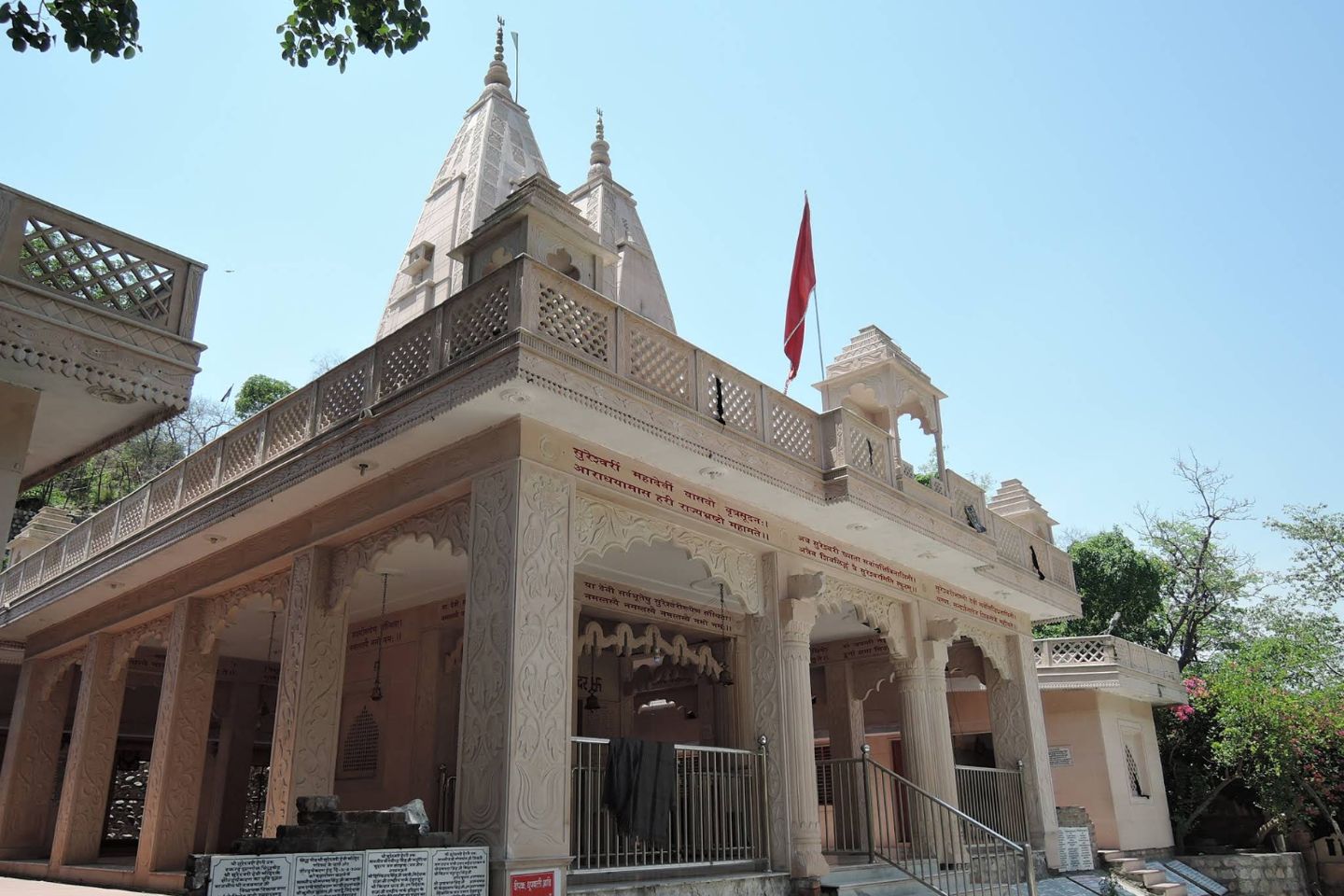
Sureshwari Devi Temple
Sureshwari Devi Temple in Haridwar is a forest shrine dedicated to the goddess, situated within the Ranipur Range area near Rajaji National Park, offering a secluded spiritual e…
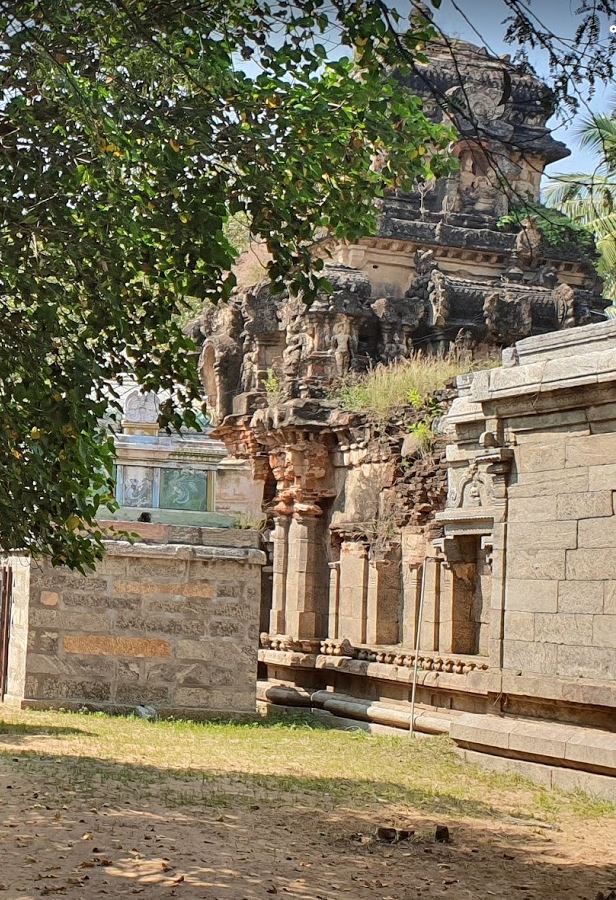
Agatheeswarar Temple, Karur
Agatheeswarar Temple in Thirumukkudalur, Karur district, is an ancient Hindu shrine dedicated to Shiva, situated at the sacred confluence of three rivers and believed to be over…

Shani Shingnapur
Shani Shingnapur is a renowned temple in Maharashtra dedicated to Lord Shani, featuring a self-emerged black stone idol worshipped under open sky. The temple is located in a uni…
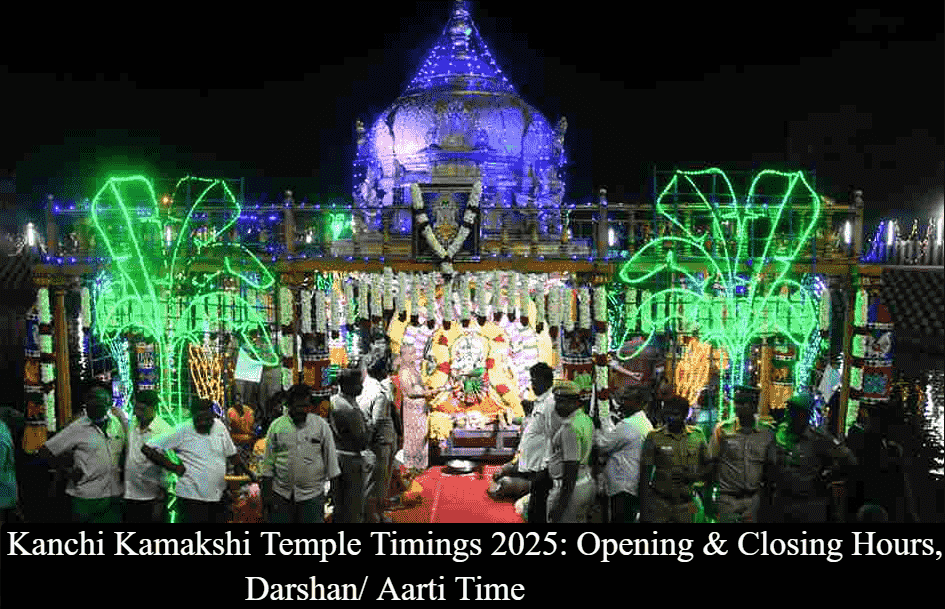
Kamaksha
Arulmigu Kamakshi Amman Temple in Mangadu, near Chennai, is dedicated to the goddess Kamakshi, an aspect of Adi Parashakti. According to legend, the goddess performed austeritie…
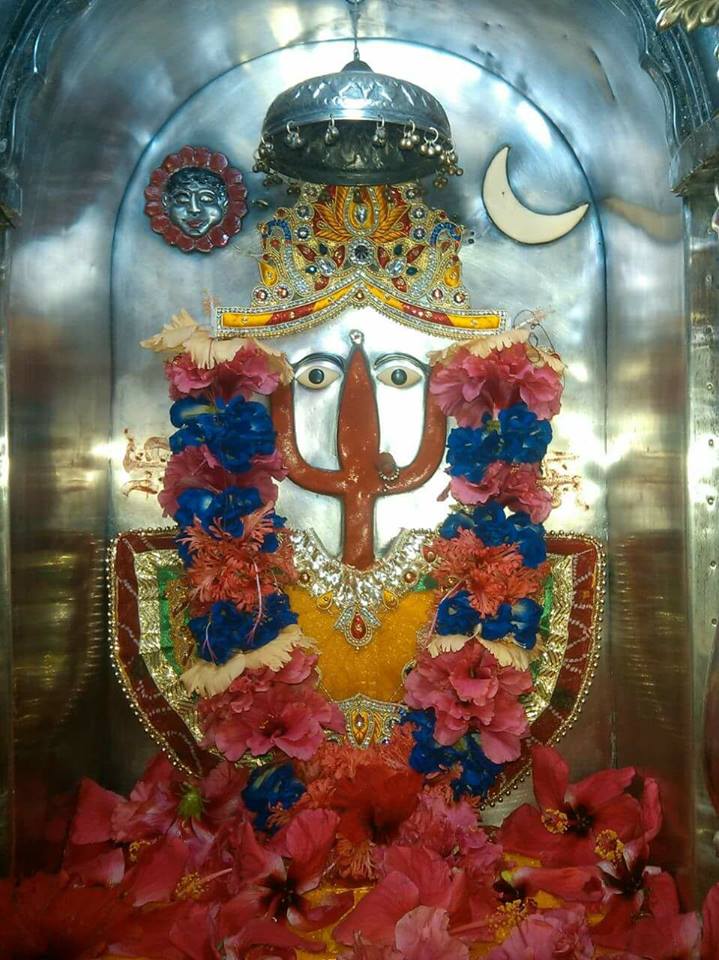
Guhaditya temple
Guhaditya temple in Dwarka is an ancient shrine dedicated to the sun deity, established over 150 years ago. Pilgrims enter through the Swarg Dwar (Gateway to Heaven) and exit vi…
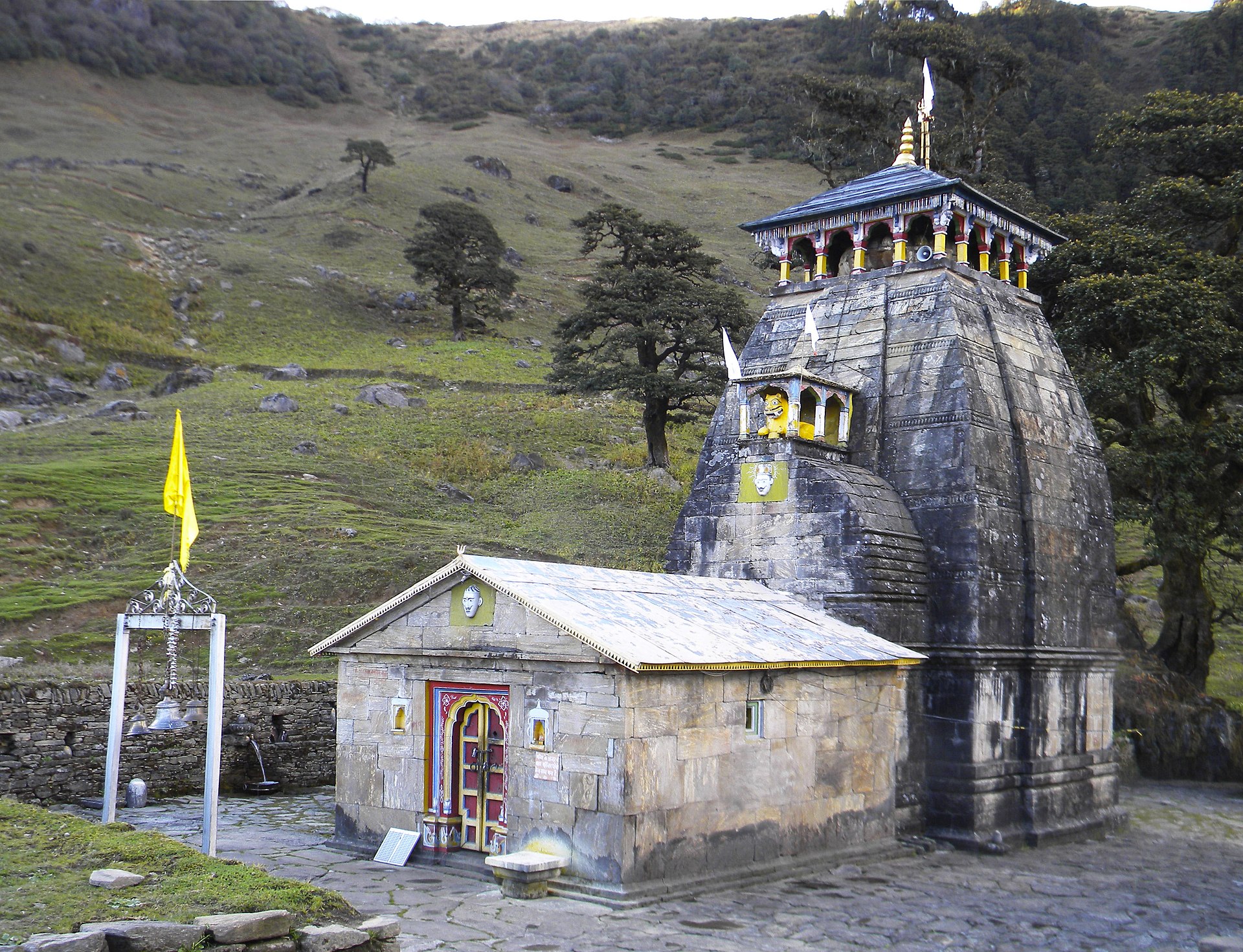
Madhyamaheshwar Temple
Madhyamaheshwar Temple is one of the five sacred Shiva shrines in the Panch Kedar pilgrimage circuit, located in the Garhwal Himalayas of Uttarakhand. Each temple in the circuit…