


Mahadev Temple
About Mahadev Temple
The temple maintains a structured daily schedule of worship that frames the spiritual day for both devotees and the deity. Four principal rituals mark the rhythm of worship: Mangala Aarti begins at 4:30 AM, welcoming the dawn with prayers to Lord Shiva. At 7:00 AM, Shringaar Puja follows, during which the deity is adorned with fresh flowers and garments. Midday brings Bhog Puja at noon, when food offerings are presented to the Lord. The day concludes with Sandhya Aarti at 7:00 PM, as evening prayers close the formal worship cycle.
Darshan—the viewing of the deity—is available daily throughout these ritual periods. Visitors typically experience the most accessible darshan during the morning and evening aartis, when the temple atmosphere is charged with devotional energy and the deity is freshly prepared for worship.
Best Times to Visit
The Shravan month, falling between July and August in the lunar calendar, draws particularly large numbers of devotees to Shiva temples across India. Mondays hold special significance in Shiva worship and are considered especially auspicious for temple visits. Mahashivratri, the great night of Shiva celebrated typically in February or March, transforms the temple into a major gathering point for pilgrims and marks the most spiritually significant occasion in the annual calendar.
Outside these peak periods, the temple remains open for daily darshan, allowing visitors to experience worship in a less crowded setting.
Temple Timings and Practical Information
Daily darshan is available throughout the day, with the four scheduled aartis providing structured opportunities for worship. Visitors should plan their visit around these timings: early risers can attend the 4:30 AM Mangala Aarti, while those preferring later hours can visit during the 7:00 AM Shringaar Puja or the 7:00 PM Sandhya Aarti. The noon Bhog Puja also welcomes visitors.
Modest dress is customary when visiting Hindu temples; women typically wear salwar kameez, sarees, or other clothing that covers shoulders and knees, while men wear shirts and trousers or traditional kurtas. Shoes are removed before entering the inner sanctum. Photography policies vary; it is respectful to ask temple staff before photographing rituals or the deity. The temple's location in Dwarka, a major pilgrimage city, means basic facilities for pilgrims are generally available in the surrounding area, though specific amenities at the temple itself should be confirmed upon arrival.
Architecture and Sacred Space
The temple's structure blends ancient design principles with later additions, featuring a towering shikhara (spire) that rises prominently toward the sky. Intricate carvings throughout the temple depict scenes from Hindu mythology, serving both as artistic expression and as visual narratives of sacred stories. A spacious courtyard accommodates the large gatherings that occur during festivals and peak pilgrimage seasons, while modern additions ensure that contemporary pilgrims have access to necessary facilities.
The architectural design reflects the temple's role as both a place of intimate worship and a major pilgrimage center capable of receiving thousands of visitors.
Visiting Dwarka
Dwarka itself is one of India's four cardinal pilgrimage cities and holds deep significance in Hindu tradition as the legendary kingdom of Lord Krishna. The town offers multiple temples and sacred sites, making it possible to structure a multi-day pilgrimage visit. Accommodation ranges from basic pilgrim hostels to hotels, and the town's infrastructure supports the steady flow of religious visitors throughout the year.
The temple's coordinates are 22.2445271, 68.955397, located within Dwarka, Gujarat. Visitors planning a trip should check current local conditions and temple announcements, as pilgrimage sites occasionally modify schedules during festivals or for maintenance.
How to reach


Temples near Mahadev Temple
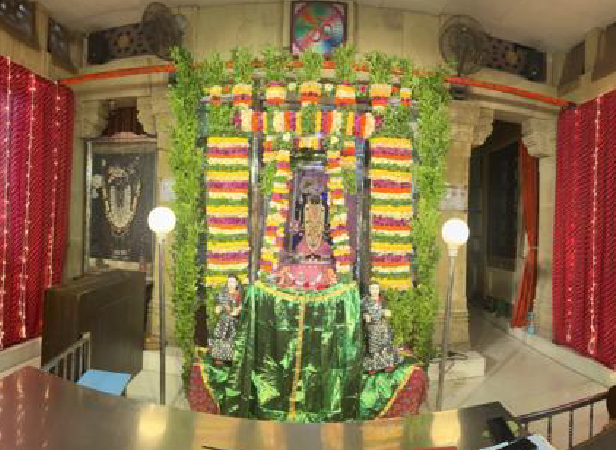
Neil & Jay point
Dwarkadhishji Mandir, established in the 1870s, is a Hindu temple in Mumbai dedicated to Lord Krishna worshipped as Dwarkadhish, the 'King of Dwarka'. The temple maintains a str…
Dons
Dwarkadhishji Mandir is a historic Hindu temple in Mumbai dedicated to Lord Krishna, worshipped as Dwarkadhish ('King of Dwarka'), standing for over 150 years as a prominent spi…
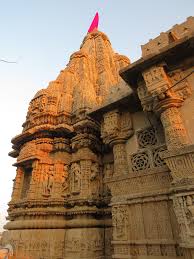
Rukmini Devi Temple
The Rukmini Devi Temple in Dwarka is dedicated to Rukmini, the chief consort of Krishna and an incarnation of Lakshmi. Located 2 kilometres from Dwarka town, this temple blends…
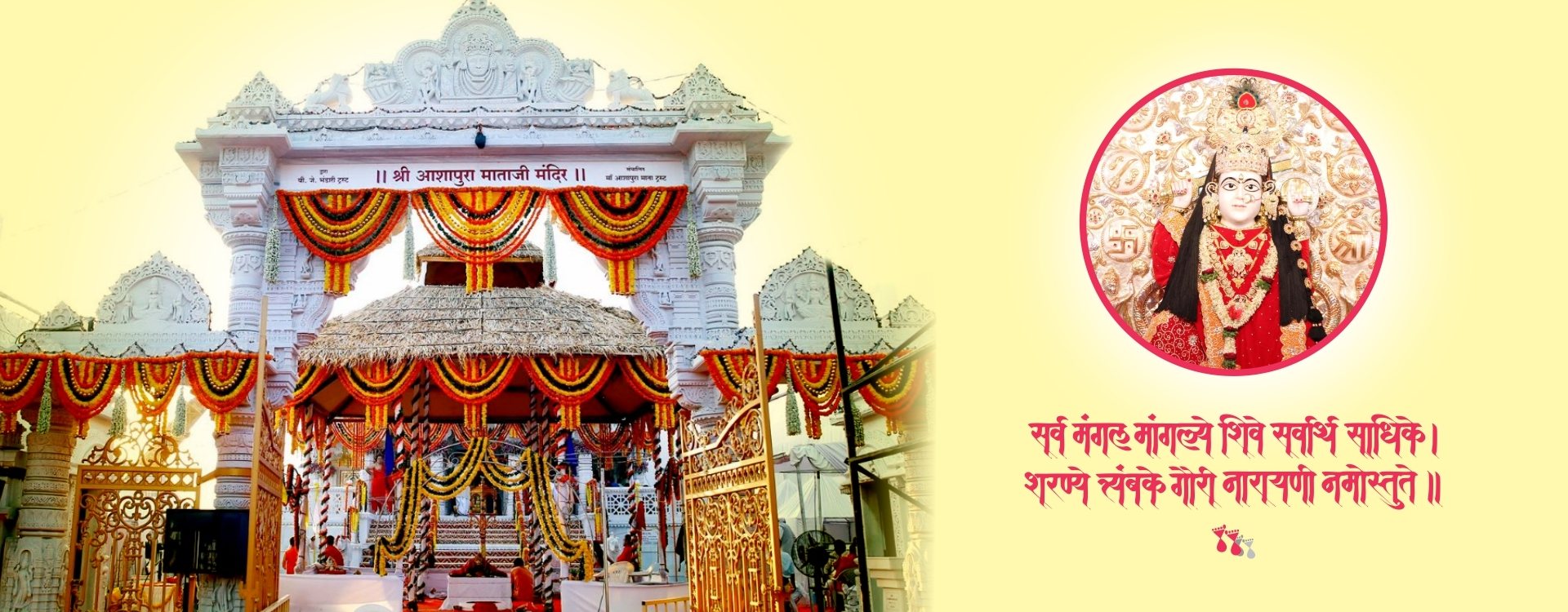
Ashapura Mata Mandir
Ashapura Mata Mandir in Pune is a modern shrine dedicated to Goddess Ashapura and other deities, distinguished as the city's first temple powered entirely by solar energy with r…
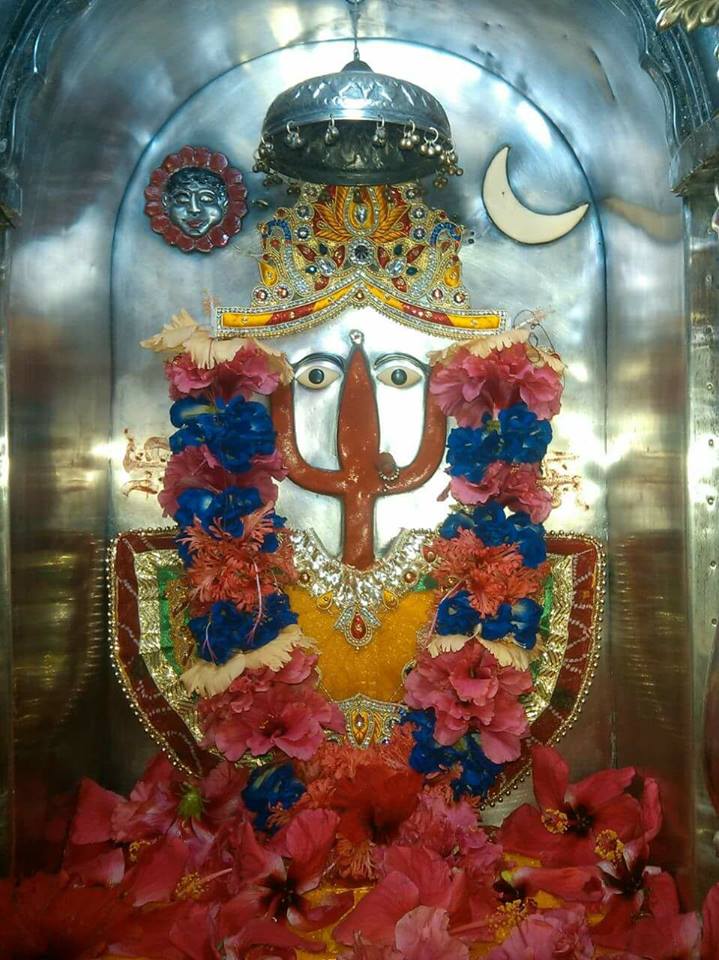
Guhaditya temple
Guhaditya temple in Dwarka is an ancient shrine dedicated to the sun deity, established over 150 years ago. Pilgrims enter through the Swarg Dwar (Gateway to Heaven) and exit vi…
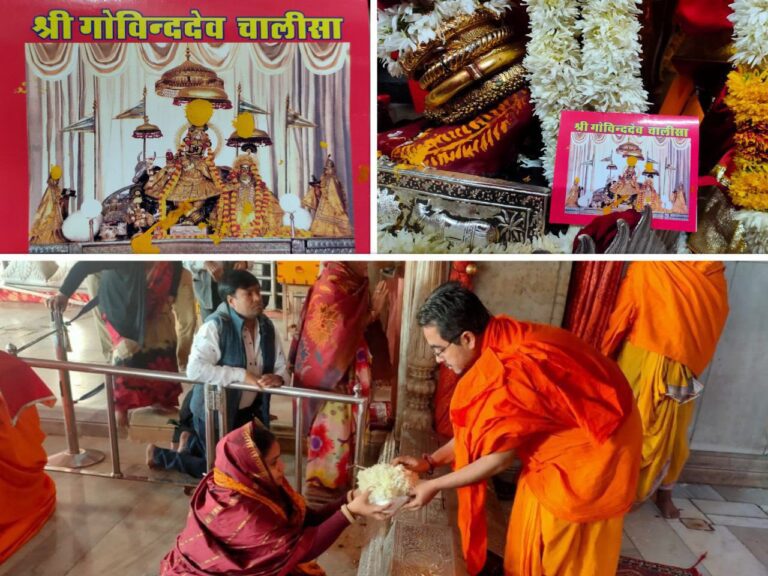
Sita kund
Sita Kund is a sacred water shrine located in Dwarka, Gujarat, established over 150 years ago and dedicated to goddess Sita. The temple holds significance within Dwarka's broade…