Roda Group of Temples
About Roda Group of Temples
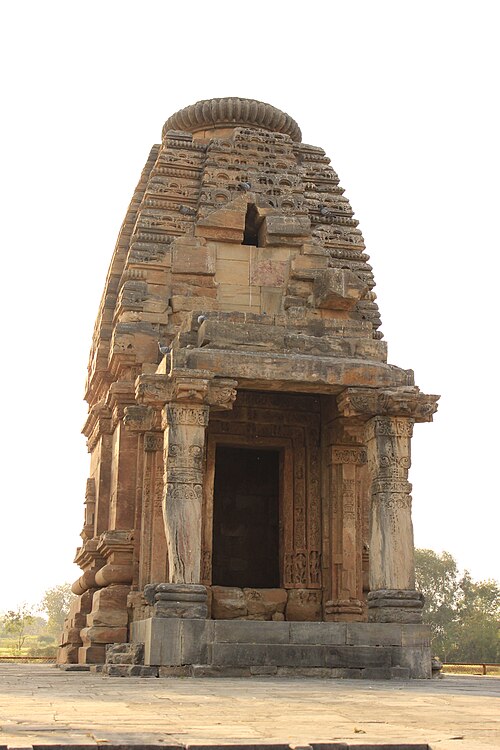
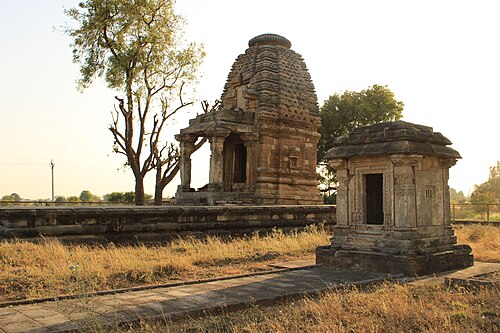
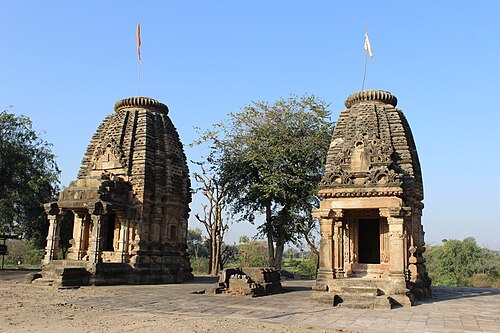
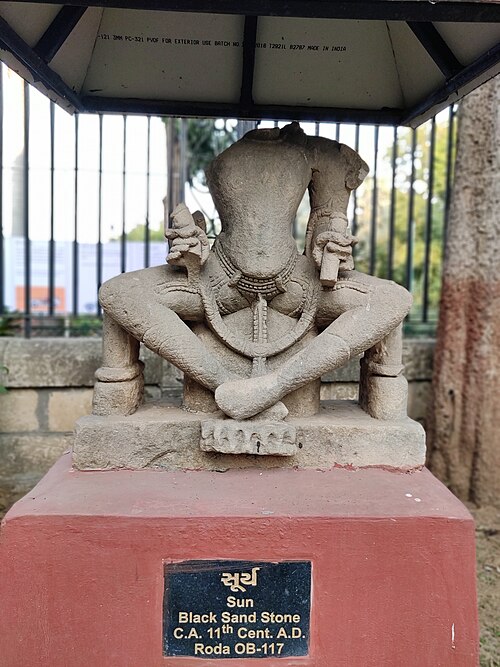
The first temple at the site is dedicated to Shiva. The second structure, known as the Pakshi Mandir or Bird Temple, contains no idols but features carved representations of birds, making it distinctive within the group. This temple is the smallest of the seven. The remaining temples are dedicated to various deities including Vishnu, Surya, Ganesha, and the Navagraha (nine celestial bodies). Six temples remain substantially intact, with photographic documentation preserving evidence of the seventh.
The temples represent the architectural vocabulary of the Gurjara-Pratihara tradition, a style that would influence temple construction across Gujarat for centuries. The site name itself derives from the Gujarati word "roda," meaning brick-bats, referring to the fragmented brick remains visible among the ruins.
Water Structures and Layout
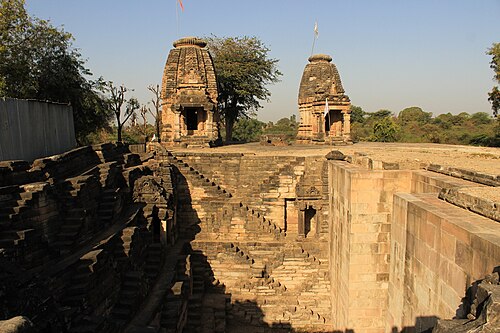
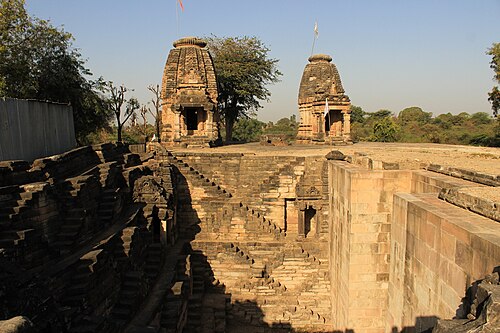
Beyond the temples themselves, the site includes a large rectangular stepped reservoir known as the Ladushah kund. This water structure may once have featured elaborately carved shrines positioned at each of its four corners, though only partial remains survive. The presence of such reservoirs reflects the practical integration of water management with sacred space in temple complexes of this period. A stepwell also forms part of the monument group, further demonstrating the sophisticated approach to water access and storage.
The temples are distributed across the site, with the first two accessible by road. Visitors must walk approximately 500 metres further to reach the Ladushah kund and the remaining structures.
Architectural Significance
These temples represent a crucial transitional moment in Gujarat's architectural history. The Pratihara style visible in these structures established design principles that would be refined and elaborated in the Maru-Gurjara architecture of the Solanki period. The consistent eastward orientation of all temples reflects established Hindu temple conventions, while the integration of multiple shrines within a single complex demonstrates the sophisticated planning of the period.
The temples' survival as an archaeological site, rather than as active places of worship with continuous modification, has preserved their original eighth-ninth century character. This makes them valuable for understanding the architectural practices of their era.
Visiting the Site
The temples are located at coordinates 23°39′32.4″N 73°04′58.9″E. Himmatnagar serves as the nearest significant town, situated 18 kilometres away. The site lies between Raisingpura and Khed Chandarani villages. Visitors should be prepared for walking, as the monuments are distributed across the site with some requiring a 500-metre walk from the initial structures.
As an archaeological site of historical importance, the temples may not maintain the facilities or regular worship schedules of active pilgrimage centres. Visitors should verify current access conditions and any restrictions before planning a visit. The seasonal nature of the nearby stream means that water levels and site conditions may vary with rainfall.
Understanding the Deities
The temples honour multiple aspects of the Hindu divine: Shiva as the supreme ascetic and transformer, Vishnu as the preserver, Surya as the solar deity, Ganesha as the remover of obstacles, and the Navagraha representing the nine celestial influences. This multiplicity reflects the inclusive theology of Hindu temple complexes, where a single site accommodates worship of different divine forms. The Pakshi Mandir's focus on bird imagery suggests symbolic or decorative rather than purely devotional purposes, indicating the varied functions these structures served within the complex.
How to reach
Temples near Roda Group of Temples
Bhavnath Temple, Mau
Bhavnath Temple is an ancient shrine dedicated to Shiva in Mau village, Aravalli district, Gujarat, estimated to be approximately 1300 years old. The temple remains open 24 hour…
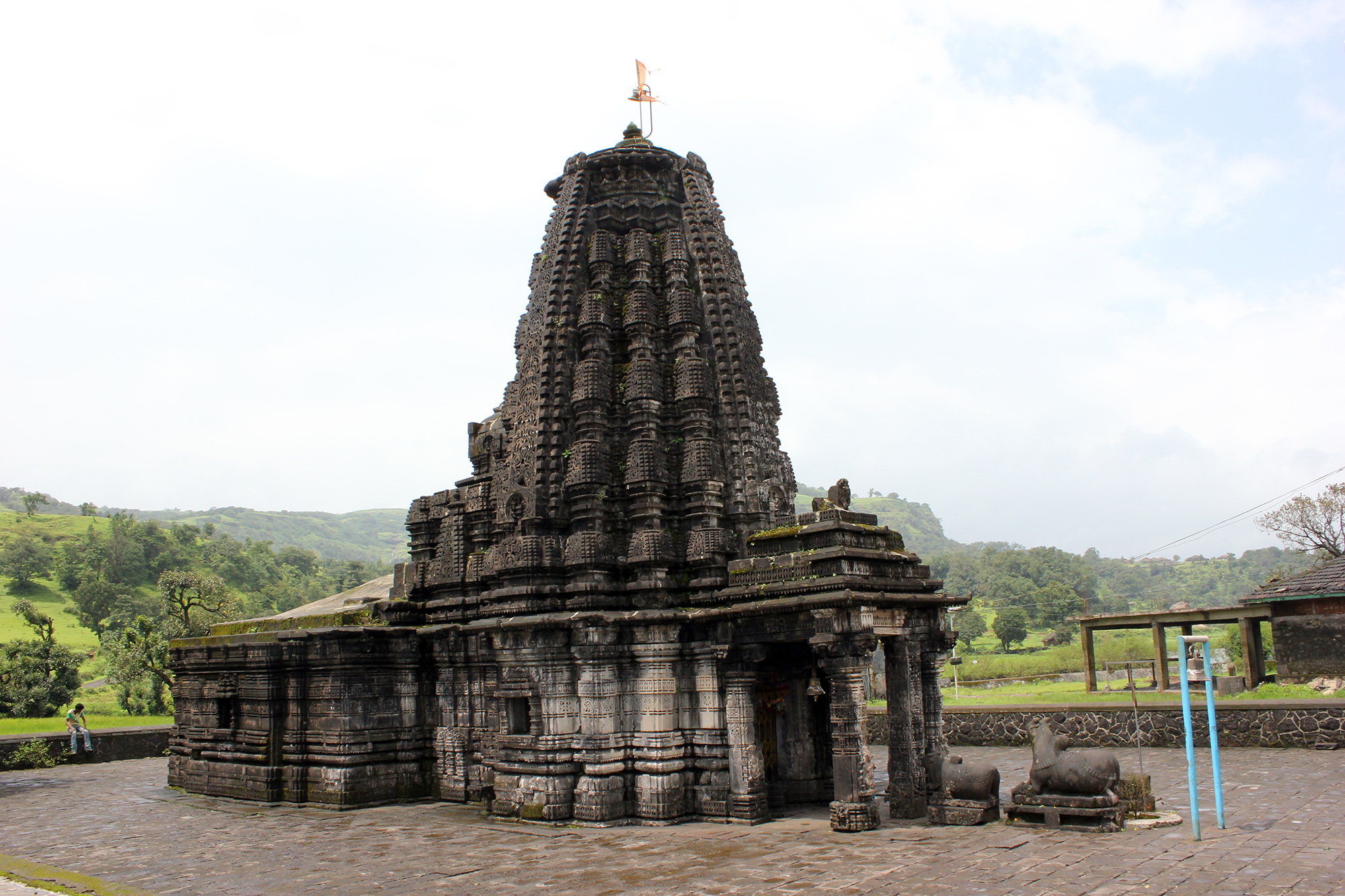
Dhareshwar Mahadev Temple
Dhareshwar Mahadev Temple in Dhar is an ancient shrine dedicated to Lord Shiva, revered as the presiding deity of the Paramara dynasty and the city itself. The temple is renowne…
Brahma Temple, Khedbrahma
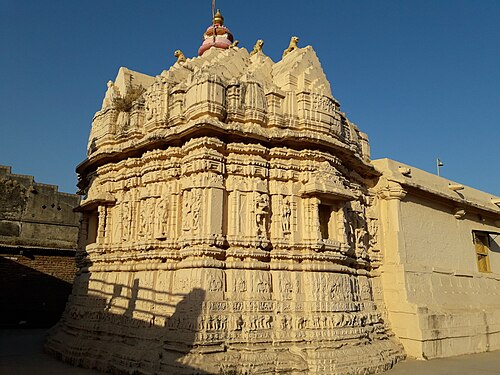
Brahma Temple in Khedbrahma is one of India's rare shrines dedicated to Brahma, the creator god, constructed in the late 11th century and representing an extraordinary pilgrimag…

Sharaneshwar Temple, Abhapur
Sharaneshwar Temple in Abhapur, Polo Forest, Gujarat is an ancient shrine dedicated to Lord Shiva, situated between river streams with sacred caves and a mystical yantra forming…
Shiva-Shakti temple, Abhapur
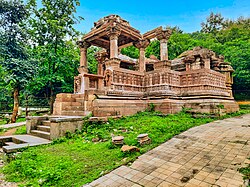
The Shiva-Shakti Temple in Abhapur, nestled within Polo Forest in Gujarat's Sabarkantha district, is an ancient shrine dedicated to Lord Shiva with secondary sanctums for Surya…
Jasmalnathji Mahadev Temple, Asoda
Jasmalnathji Mahadev Temple in Asoda is a 12th-century Hindu shrine dedicated to Shiva, featuring traditional Maru-Gurjara architecture and protected by the Archaeological Surve…