Radha Raman Temple
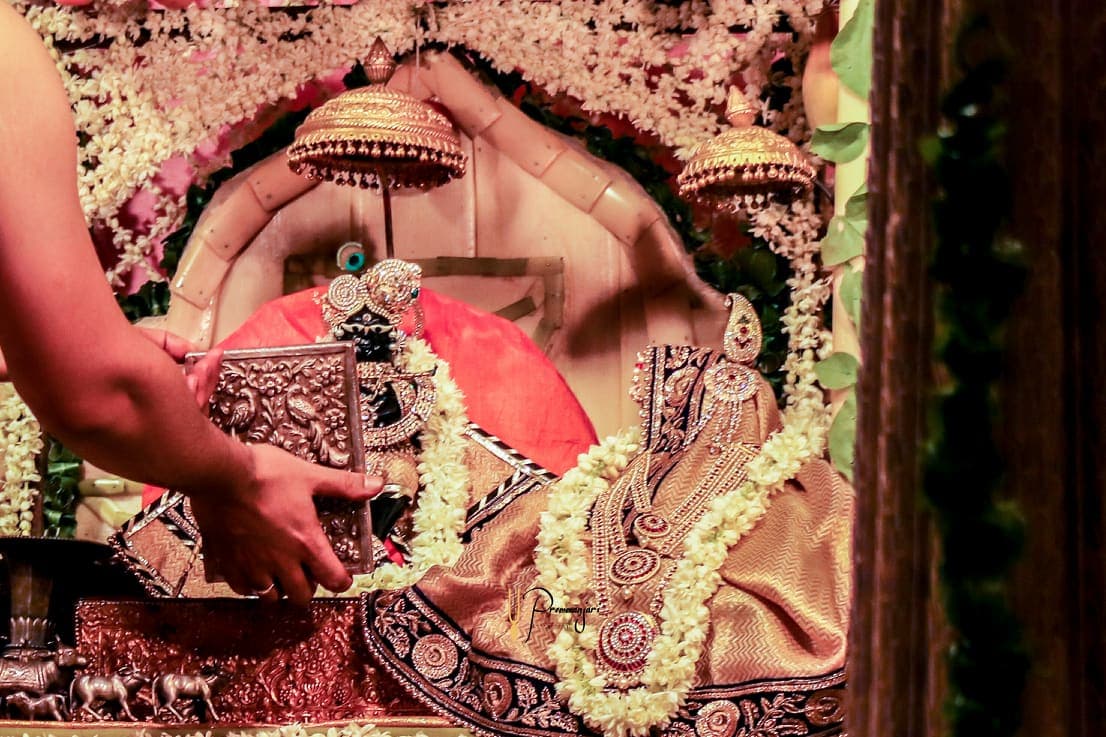
About Radha Raman Temple
The temple observes a rich calendar of festivals aligned with the Hindu lunar year and the Gaudiya tradition's particular commemorations. Major festivals include Janmashtami, celebrating Krishna's birth, during which congregational singing takes place each evening leading up to the festival day. Radhashtami, honouring the goddess Radha, involves morning abhishek (ritual bathing) of the deity. Sharad Purnima, the autumn full moon festival, is marked with special utsav (celebration) observances.
The calendar also includes observances tied to the lineage itself—appearance and disappearance days of significant gurus and saints in the Gaudiya tradition. These occasions are marked with fasting, special pujas, and midday abhisheks. The temple's event calendar, maintained on its official website, provides specific dates and details for those planning visits around particular festivals.
Visiting the Temple: Practical Information
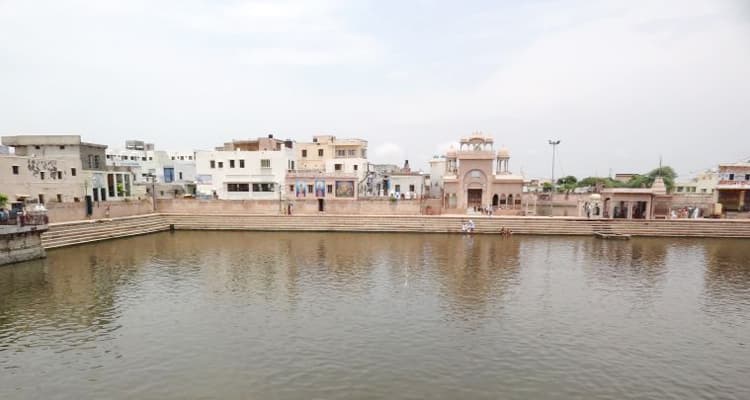
Radha Raman Temple is located in Vrindavan at coordinates 29.6953°N, 77.6806°E. Vrindavan is a major pilgrimage destination in Uttar Pradesh, approximately 60 kilometres from Delhi, accessible by road and rail. The temple's location within the town's sacred geography places it among other significant Krishna temples, making it feasible to visit multiple sites during a pilgrimage.
Visitors should plan their visit according to the darshan timings listed above. As with most Hindu temples, modest dress is appropriate—covering shoulders and knees shows respect for the sacred space. Shoes are typically removed before entering the inner sanctum. Photography policies vary; it is courteous to ask permission before photographing the deity or rituals. The temple welcomes guests and devotees of all backgrounds to attend the aartis and participate in darshan. Those unfamiliar with temple etiquette may observe how other devotees behave and follow their example.
The Gaudiya Tradition and Spiritual Teaching
Beyond its role as a place of worship, Radha Raman Temple functions as a centre for spiritual instruction within the Gaudiya lineage. Shri Chandan Goswami Maharaj is known as a prolific spiritual teacher and author, and the temple maintains programs including classes on sacred texts such as the Bhagavad Gita. The temple's website indicates ongoing initiatives in spiritual education, community service, and the preservation of devotional knowledge.
The Gaudiya tradition emphasizes bhakti—devotion expressed through singing, chanting, and meditation on Krishna's divine love. Visitors interested in understanding the philosophical and devotional foundations of worship at this temple may find value in attending teachings or consulting the temple's published materials and resources.
How to reach
You may also visit
Kalyanji Temple
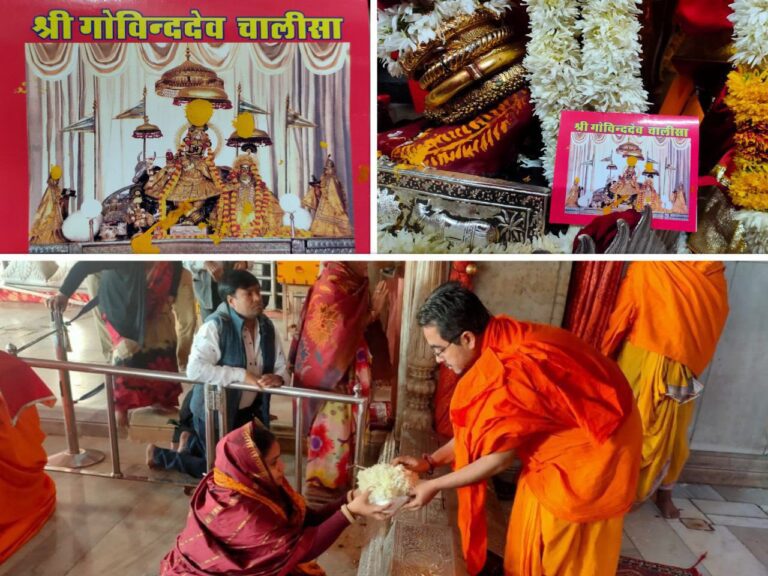
Kalyanji Temple in Jaipur's Chandpol Bazaar is approximately two centuries old and renowned for displaying the twenty-four avatars of Krishna, visible only twice yearly during Akha Teej and Patottsav festival.
Sastha (Ayyappan) Temple
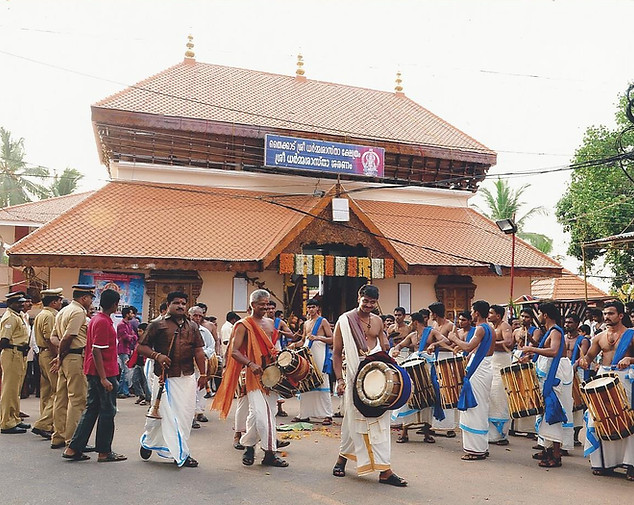
Sree Dharma Sastha Temple in Thycaud, Thiruvananthapuram, is a centuries-old shrine where the deity manifests as Dhanwanthari, the divine healer, holding the sacred blue lotus.
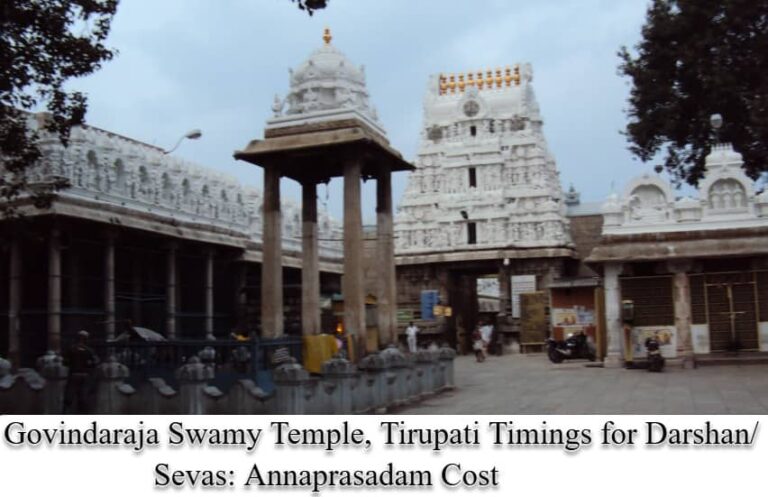
Govindarajaswamy Temple
Sri Govindarajaswamy Temple in Tirupati is an ancient Vaishnavaite shrine consecrated in 1130 AD by Saint Ramanuja, where the presiding deity rests in eternal Yoga Nidra on the serpent Adisesha.