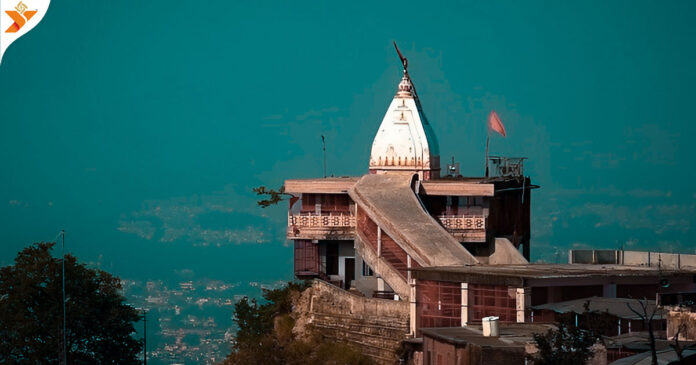
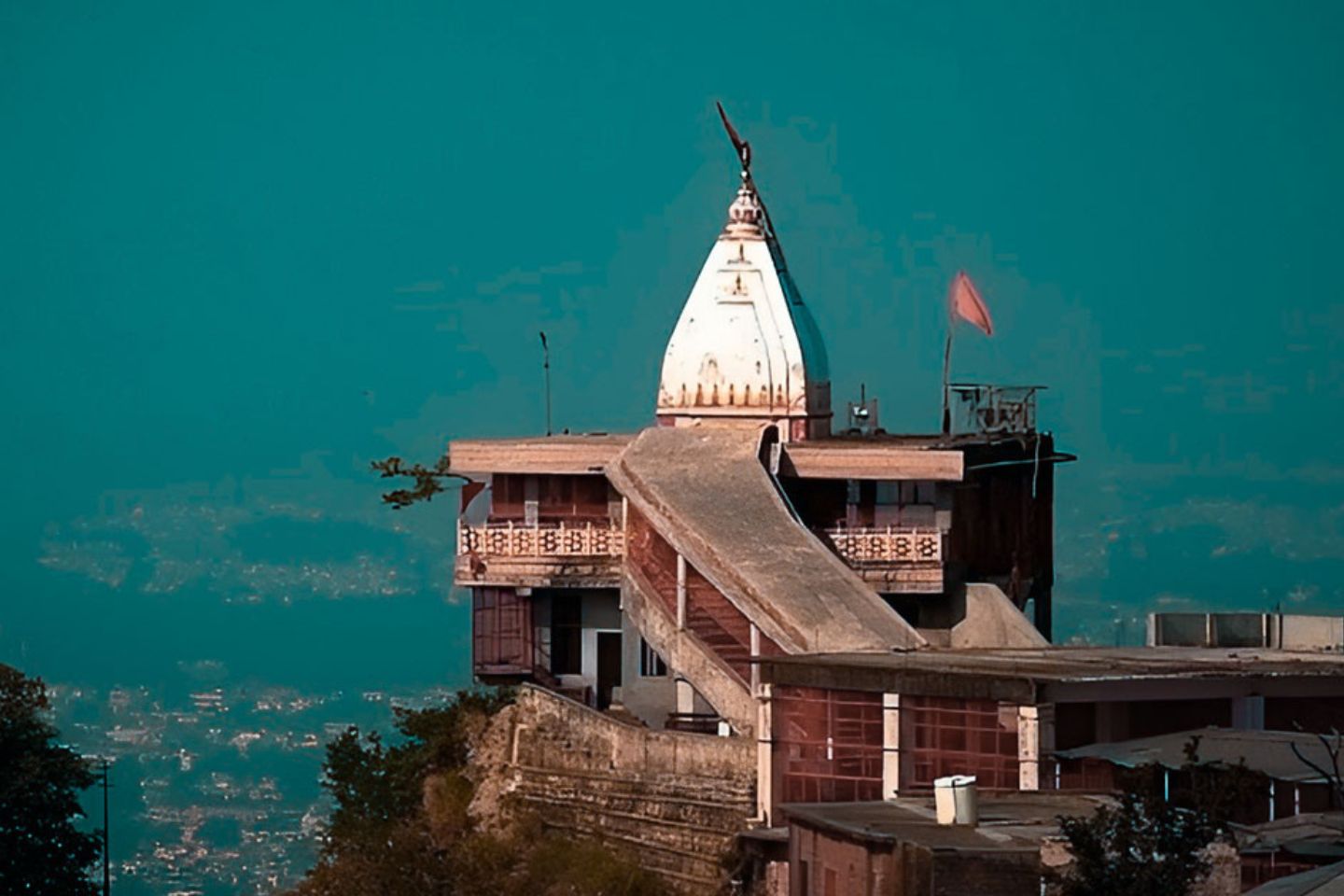
Chandi Devi Temple, Haridwar
About Chandi Devi Temple, Haridwar
The murti (sacred image) installed at this temple traces its origins to the 8th century, when Adi Shankaracharya, a foundational figure in Hindu philosophy and practice, is believed to have established it. The current temple structure, however, dates to 1929, when it was built under the patronage of Suchat Singh, the King of Kashmir. This layering of history—an ancient spiritual foundation renewed through modern construction—reflects how many significant Hindu temples have evolved across centuries.
The temple's architecture rises from its hilltop setting, and the structure itself commands views across Haridwar. The physical prominence of the building mirrors the spiritual prominence of the site within the city's sacred geography.
Daily Darshan and Worship
The temple opens for darshan from 6:00 AM to 8:00 PM, allowing devotees extended hours to approach the deity. Two formal aartis (ritual worship ceremonies) structure the day: one in the morning and one in the evening. These aartis represent the primary communal worship moments, though individual darshan continues throughout the day.
Visitors should plan their visit with these timings in mind. The morning hours tend to draw significant numbers of devotees, as is common at pilgrimage temples. The evening aarti offers an alternative for those unable to visit earlier in the day.
Best Times to Visit
The period from October through March represents the optimal season for visiting Chandi Devi Temple. During these months, the weather in Haridwar and the surrounding Himalayan foothills remains temperate and generally favorable for pilgrimage. The summer months bring heat to the plains, while the monsoon season (June to September) can make the hilltop location less accessible. Winter months, while cool, remain manageable for most visitors during the recommended October-to-March window.
Practical Information for Visitors
Darshan at Hindu temples typically follows certain conventions. Modest dress is appropriate—covering shoulders and knees shows respect at sacred sites. Footwear is generally removed before entering the inner sanctum, though practices vary; observe what other devotees do upon arrival. Photography policies differ by temple; it is wise to ask permission before photographing the deity or inner spaces.
The hilltop location means the temple is not at ground level; visitors should be prepared for the climb or inquire about alternative access methods. The sources do not detail specific facilities such as prasad distribution, rest areas, or amenities, so arriving with realistic expectations about what may be available is prudent. Carrying water and wearing comfortable walking shoes suited to hill terrain is advisable.
Reaching the Temple
Chandi Devi Temple is located at Neel Parvat in Haridwar, Uttarakhand, at coordinates 29.93416667, 78.17944444. The temple sits on the eastern summit of the Sivalik Hills, positioned across the Ganga from central Haridwar. Haridwar itself is well-connected by road and rail to major Indian cities. From Haridwar town, the temple requires travel to the base of Neel Parvat and then ascent to the summit. Local transport options and guides familiar with the route are typically available in Haridwar, though the sources do not specify particular services or costs.
The Temple Within Haridwar's Sacred Landscape
Chandi Devi Temple is recognized as one of the Panch Tirth (five pilgrimage sites) within Haridwar itself. This designation places it within a curated spiritual geography—a set of locations considered essential to a complete pilgrimage experience in the city. Haridwar's status as a major pilgrimage center means the temple exists within a broader ecosystem of sacred sites, and many visitors combine a visit here with worship at other locations in the city. The temple's position as a Shakti Peeth adds another layer of significance for devotees following specific pilgrimage circuits focused on goddess worship.
How to reach
Temples near Chandi Devi Temple, Haridwar
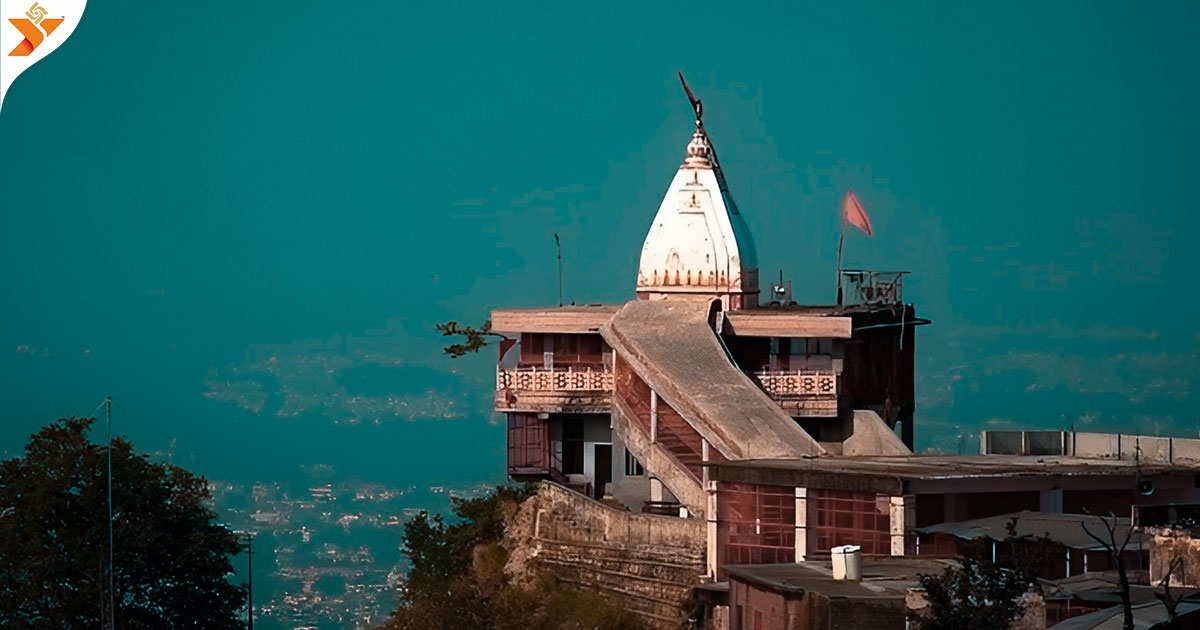
Chandi Devi Temple
Chandi Devi Temple atop Neel Parvat in Haridwar is dedicated to Goddess Chandi Devi, with the main deity believed installed in the 8th century by Adi Shankaracharya, though the…

Haridwar - Mahakumbh Spot 1
Haridwar - Mahakumbh Spot 1 is a sacred location in Haridwar, Uttarakhand, significant during the Kumbh Mela pilgrimage gatherings.
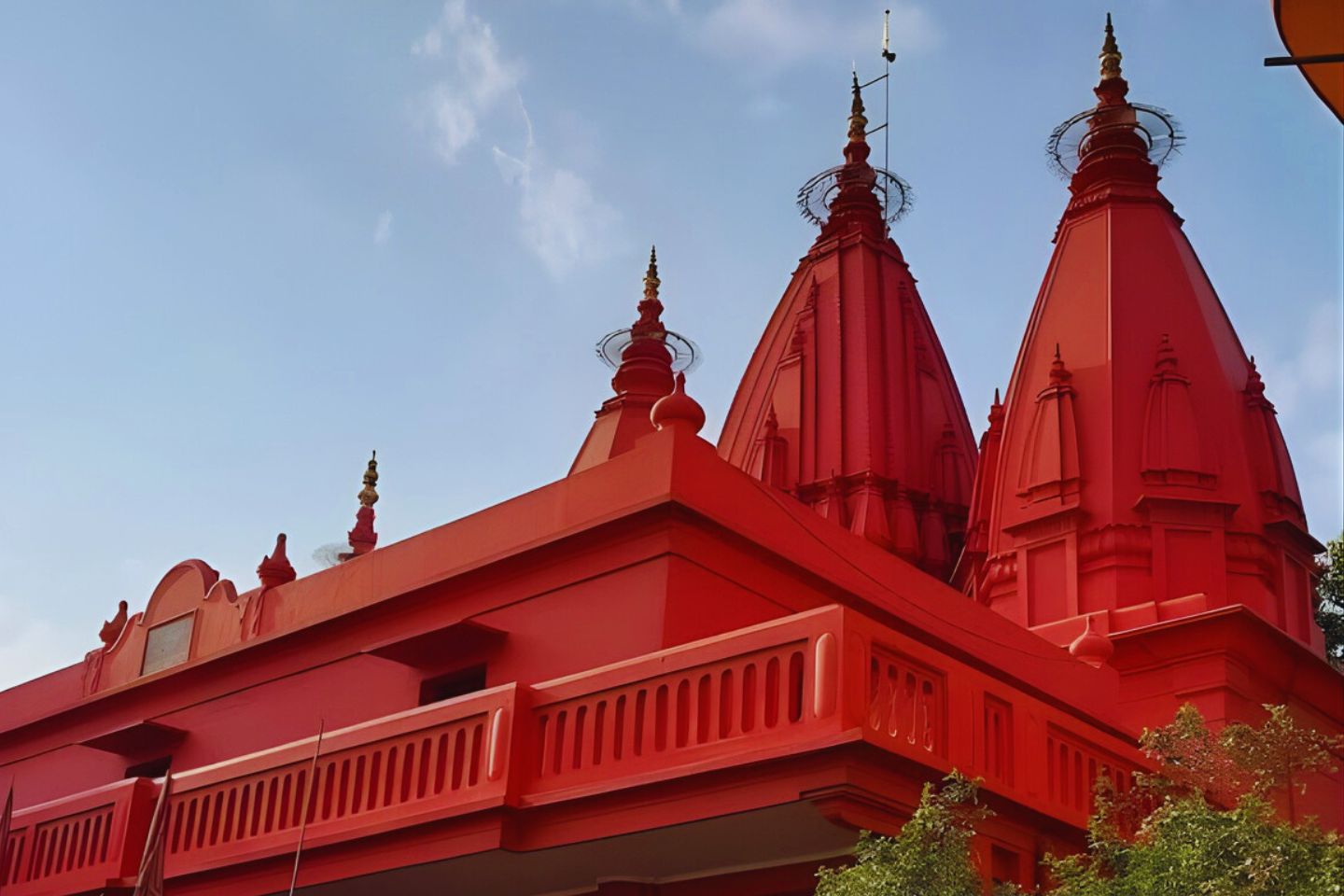
Maya Devi Temple, Haridwar
Maya Devi Temple in Haridwar is a sacred Shakta pitha where devotees believe the heart and navel of Goddess Sati descended, making it a significant pilgrimage site dedicated to…
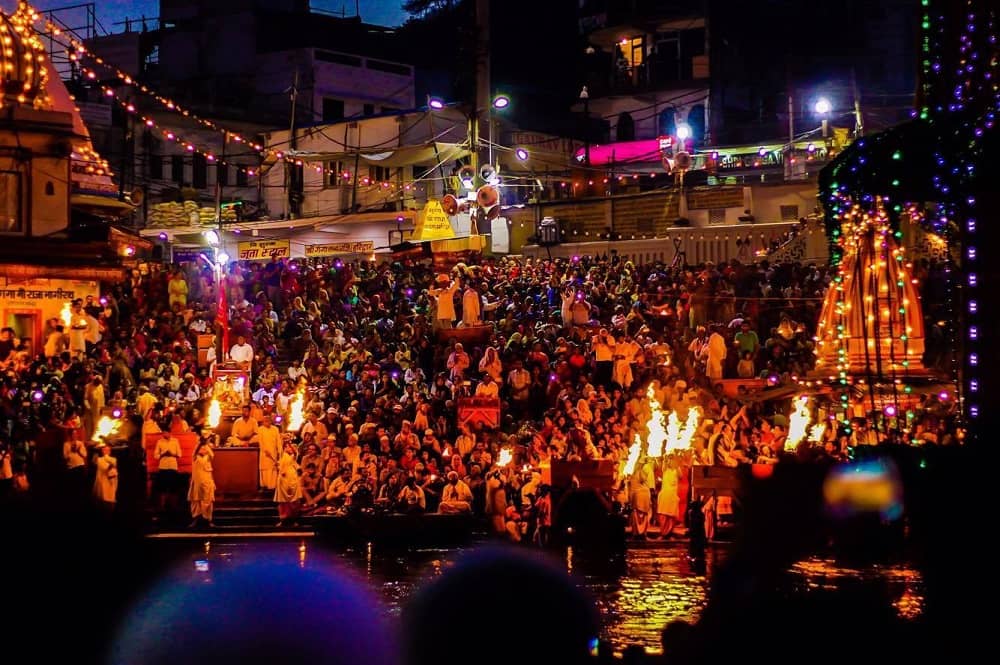
Ganga Devi
No temple named 'Ganga Devi' exists in Haridwar. The sources reference Chandi Devi Temple and Har Ki Pauri ghat, both major Shakti sites in the city.
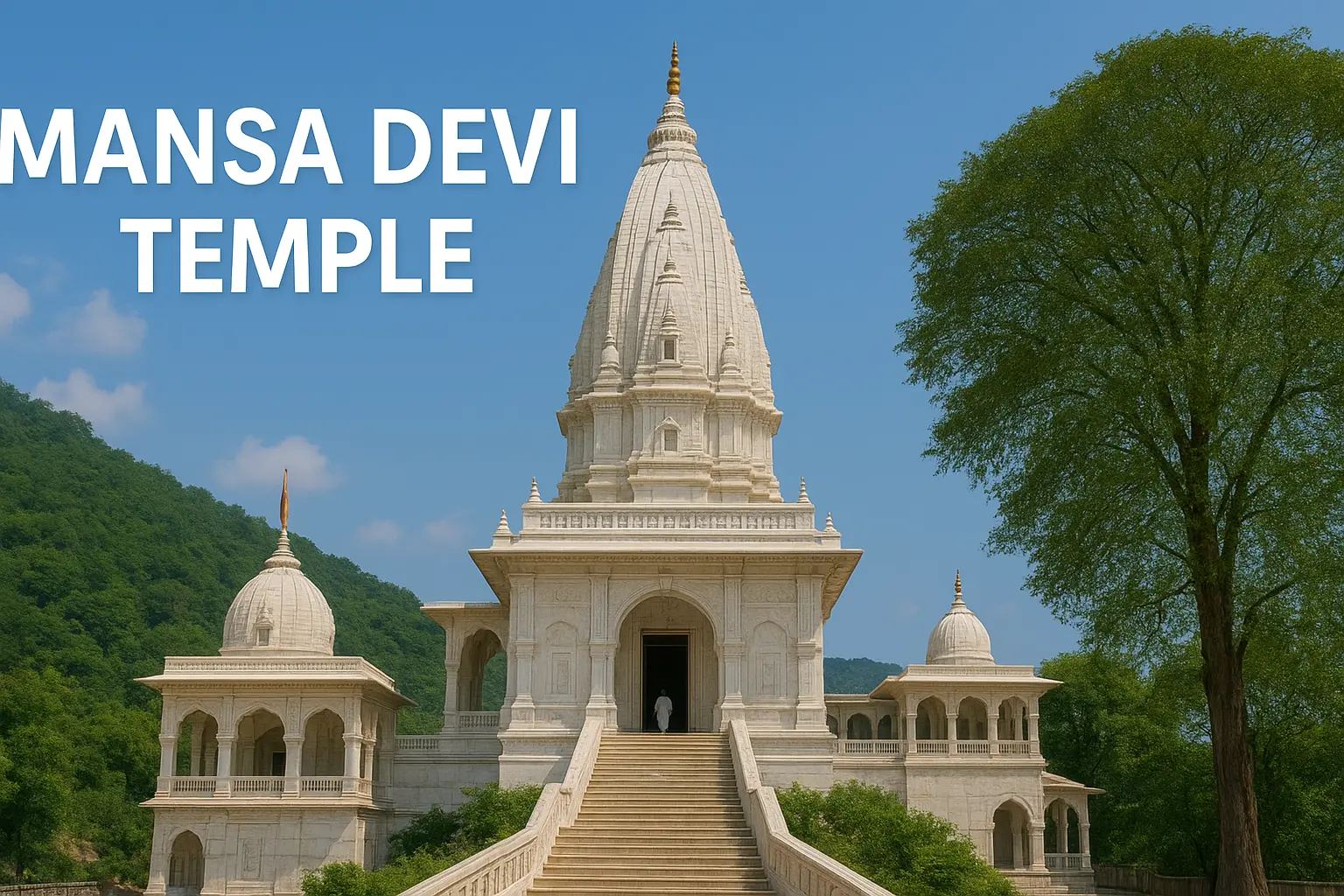
Mansa Devi Temple
Mansa Devi Temple is a hilltop shrine dedicated to Goddess Mansa Devi in Haridwar, accessible by ropeway and renowned as a Shakti Peeth where devotees tie wish-threads seeking b…

Daksheswara Mahadev Temple
Daksheswara Mahadev Temple in Kankhal, Haridwar, is a historic Shiva shrine established in 1810 and dedicated to Lord Shiva, named after Daksha Prajapati, father of Sati in Hind…